Adrenal Fatigue Symptoms in Females (2026 Guide): Signs, Causes & Treatment
Adrenal Fatigue Symptoms in Females (2026 Guide): Signs, Causes & Natural Recovery Plan

Introduction
Do you often feel exhausted, even after a full night’s sleep?
Do you experience brain fog, sugar cravings, mood swings, or that “wired but tired” feeling?
These are some of the most common adrenal fatigue symptoms in females, a term widely discussed in alternative medicine.
But is adrenal fatigue a real medical condition, or is it simply the result of chronic stress? And why do women seem to be affected more than men?
In this comprehensive 2026 guide, we’ll explore the key adrenal fatigue symptoms in females, their causes, medical insights, testing methods, and safe natural recovery strategies to help women regain energy and balance.
What Is Adrenal Fatigue?
The adrenal glands are small, triangular glands located above the kidneys that play a vital role in regulating the body’s hormonal balance. They produce important hormones like cortisol, adrenaline, and aldosterone, which control the stress response, energy levels, metabolism, and immune system function.
Adrenal fatigue is a term commonly used in alternative medicine to describe a group of symptoms caused by chronic stress overworking the adrenal glands. Women in particular often notice these signs, which are collectively referred to as adrenal fatigue symptoms in females. These can include extreme fatigue, brain fog, sugar cravings, mood swings, and hormonal imbalances.
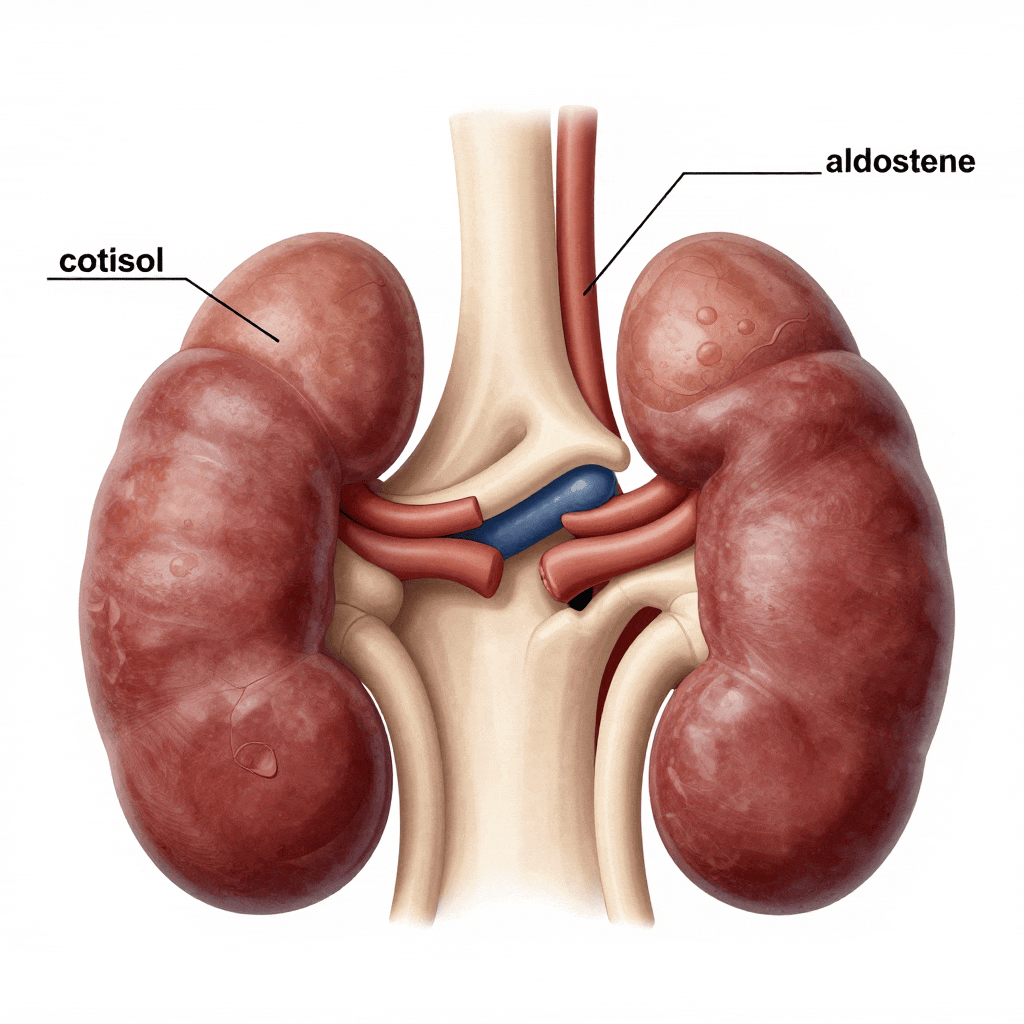
⚠️ Important Note:
While adrenal fatigue symptoms in females are widely reported, mainstream medicine does not officially recognize adrenal fatigue as a formal diagnosis. This is because the condition’s mechanisms are not fully proven, and the symptoms can overlap with other issues like thyroid disorders, anemia, or sleep disturbances.
However, medically recognized adrenal hormone disorders do exist:
- Addison’s disease – adrenal glands produce too little cortisol, causing fatigue, low blood pressure, and weight loss.
- Cushing’s syndrome – adrenal glands produce too much cortisol, resulting in weight gain, high blood pressure, and mood changes.
Unlike these conditions, adrenal fatigue symptoms in females typically reflect cortisol dysregulation rather than complete adrenal failure. Chronic stress, sleep deprivation, or prolonged physical or emotional strain can gradually trigger these symptoms.
Women are often more affected because hormonal fluctuations, menstrual cycles, pregnancy, and perimenopause can amplify stress responses.
Common adrenal fatigue symptoms in females include persistent exhaustion, difficulty concentrating, disrupted sleep, and mood swings, all of which can interfere with daily life, work, and overall well-being.
Understanding adrenal fatigue symptoms in females is the first step toward identifying potential stress triggers and implementing lifestyle changes to support adrenal health and restore energy naturally.
Common Adrenal Fatigue Symptoms in Females
Women often experience adrenal fatigue symptoms in females differently due to hormonal fluctuations, lifestyle factors, and chronic stress. Recognizing these symptoms early can help prevent long-term fatigue and hormonal imbalance.
1. Extreme Fatigue

- Difficulty waking up in the morning, even after a full night’s sleep
- Afternoon energy crashes, typically between 2–4 PM
- Reliance on caffeine or sugar to maintain basic energy levels
Persistent fatigue is one of the most frequently reported adrenal fatigue symptoms in females, often interfering with daily life and productivity.
2. Brain Fog

- Trouble concentrating on simple tasks
- Forgetfulness or memory lapses
- Feeling mentally “slow” or heavy
Brain fog is a classic sign of adrenal stress. Women experiencing adrenal fatigue symptoms often notice difficulty focusing, even when sleep seems adequate.
3. Sugar and Salt Cravings

Low cortisol levels can increase the body’s demand for quick energy sources. Women with adrenal fatigue symptoms in females may frequently crave sugary snacks or salty foods throughout the day.
4. Mood Swings and Anxiety
- Irritability or emotional sensitivity
- Feeling easily overwhelmed
- Sudden emotional outbursts
Chronic stress and cortisol imbalance can amplify mood changes, making these mood-related symptoms a hallmark of adrenal fatigue in women.
5. Sleep Disturbances
- Difficulty falling asleep at night
- Waking in the middle of the night, especially around 2–3 AM
- Feeling tired but restless, unable to achieve restorative sleep
Disrupted sleep worsens other adrenal fatigue symptoms in females, creating a cycle of exhaustion and hormonal imbalance.
6. Low Blood Pressure
- Lightheadedness or dizziness when standing
- Occasional fainting
- General weakness
Some women with adrenal fatigue symptoms notice lower blood pressure due to cortisol dysregulation, which can affect circulation and energy.
7. Hormonal Imbalance Signs

- Worsened PMS or more painful periods
- Irregular menstrual cycles
- Low libido
Hormonal fluctuations make women particularly sensitive to adrenal stress. These are core adrenal fatigue symptoms in females that are often overlooked.
8. Hair Thinning and Skin Changes
Chronic cortisol imbalance can disrupt hair growth cycles, lead to hair thinning, and affect skin health. Many women notice these subtle signs long before fatigue becomes severe.
⚠️ Note:
Conditions like PCOS (Polycystic Ovary Syndrome) affect the ovaries directly, whereas adrenal fatigue is primarily stress-driven. While some symptoms may overlap, the underlying causes are different.
Why Women Are More Vulnerable
Women are generally more prone to adrenal fatigue symptoms in females due to a combination of hormonal fluctuations and lifestyle pressures. Factors that increase vulnerability include:
- Chronic multitasking stress: Balancing career, family, and personal responsibilities can put prolonged pressure on the adrenal glands.
- Estrogen and progesterone fluctuations: Hormonal cycles influence cortisol sensitivity, making stress responses more pronounced.
- Pregnancy and postpartum stress: Sleep deprivation during and after pregnancy intensifies adrenal strain.
- Perimenopause: Hormonal shifts during this transition can make adrenal fatigue symptoms in females more noticeable and severe.
Root Causes of Adrenal Burnout in Women
Adrenal fatigue usually develops gradually as a result of prolonged stress. Common triggers for adrenal fatigue symptoms in females include:
- Chronic psychological stress and emotional strain
- History of trauma or unresolved stress
- Overtraining without adequate recovery
- Crash dieting or poor nutrition
- Blood sugar imbalances
- Sleep deprivation
- Excess caffeine or stimulant consumption
Understanding these root causes is essential for women who want to prevent or manage adrenal fatigue naturally.
Is Adrenal Fatigue a Real Diagnosis?
Adrenal fatigue is controversial in the medical community. The Endocrine Society does not recognize adrenal fatigue as an official diagnosis.
Doctors clarify:
- Addison’s disease refers to complete adrenal failure.
- Cushing’s syndrome results from excess cortisol production.
Functional medicine practitioners argue that chronic stress can dysregulate cortisol rhythms, producing fatigue and other symptoms without complete adrenal failure.
✅ Best practice: Avoid self-diagnosis and consult a healthcare professional if you suspect adrenal fatigue symptoms in females.
Testing & Diagnosis
Persistent symptoms should be evaluated by a doctor. Common tests include:
- Morning serum cortisol levels
- ACTH stimulation test
- Salivary cortisol rhythm tests
- Thyroid function panel
- Iron and vitamin D levels
Medical testing primarily screens for adrenal insufficiency rather than the broader concept of adrenal fatigue. Early testing helps women differentiate between stress-related adrenal dysregulation and more serious endocrine disorders.
Natural Recovery Plan for Women (2026 Updated)
This approach focuses on lifestyle strategies to support adrenal health rather than relying solely on supplements or medications.
1. Sleep Reset Protocol
- Go to bed between 10:30–11 PM
- Avoid blue light before sleep
- Include magnesium-rich foods in dinner
- Ensure a dark, quiet sleep environment
Proper sleep supports cortisol rhythm, reducing adrenal fatigue symptoms in females.
2. Blood Sugar Stabilization
- Include protein in every meal
- Avoid coffee on an empty stomach
- Avoid crash diets
- Limit fasting periods to under 3–4 hours if fatigue is severe
Balanced blood sugar prevents cortisol spikes that worsen adrenal fatigue symptoms in females.
3. Reduce Stimulants
- Gradually reduce caffeine intake
- Avoid energy drinks
- Limit pre-workout supplements
Excess stimulants can increase adrenal stress and fatigue.
4. Gentle Movement Instead of Intense Cardio
- Walking
- Yoga
- Stretching
- Light strength training
High-intensity workouts may exacerbate adrenal fatigue symptoms in females, so gentle activity is preferable until energy levels improve.
5. Stress Management Techniques
- Deep breathing exercises (4-7-8 method)
- Journaling for emotional release
- Therapy or counseling
- Spending time in nature
- Setting boundaries in personal and work life
Regular stress management can significantly reduce cortisol dysregulation.
6. Key Nutrients for Adrenal Support
- Vitamin C
- Magnesium glycinate
- B-complex vitamins
- Omega-3 fatty acids
- Adequate protein intake
Focusing on these nutrients can help support adrenal health and alleviate adrenal fatigue symptoms in females. (No brand recommendations to avoid overlapping with supplements articles.)
When to See a Doctor Immediately

Seek urgent medical care if you experience:
- Severe dizziness or fainting
- Unexplained weight loss
- Dark skin patches
- Persistent vomiting or extreme fatigue
These may indicate serious adrenal disorders, such as Addison’s disease, rather than stress-related adrenal fatigue.
Final Thoughts
While adrenal fatigue is a debated term, chronic stress and cortisol imbalance are real concerns for women. Factors such as:
- Hormonal shifts
- Emotional stress
- Sleep deprivation
- Nutritional deficiencies
can combine to produce severe fatigue and other adrenal fatigue symptoms in females.
Key takeaways:
- Avoid self-diagnosis
- Seek proper lab testing when necessary
- Prioritize lifestyle, sleep, and stress recovery strategies
For women who feel constantly drained, addressing these factors can help restore energy, balance hormones, and support adrenal health naturally—beyond just resting.
Frequently Asked Questions (FAQ)
1. What are the most common adrenal fatigue symptoms in females?
The most common adrenal fatigue symptoms in females include persistent fatigue, brain fog, sugar and salt cravings, mood swings, sleep disturbances, low blood pressure, hormonal imbalance, and hair thinning. These symptoms often appear gradually due to chronic stress and hormonal fluctuations.
2. Why are wo men more prone to adrenal fatigue?
Women are more susceptible because of hormonal changes, such as estrogen and progesterone fluctuations, pregnancy, postpartum recovery, and perimenopause. Combined with chronic stress and sleep deprivation, these factors increase the likelihood of adrenal fatigue symptoms in females.
3. Is adrenal fatigue a recognized medical condition?
Currently, mainstream medicine does not officially recognize adrenal fatigue as a formal diagnosis. However, adrenal fatigue symptoms in females are real and often linked to chronic stress and cortisol dysregulation. Severe adrenal disorders like Addison’s disease or Cushing’s syndrome are medically recognized but are different from adrenal fatigue.
4. How is adrenal fatigue diagnosed in women?
Doctors typically perform tests such as morning serum cortisol, ACTH stimulation, salivary cortisol rhythm tests, thyroid function panels, and nutrient level checks. These tests evaluate adrenal function and help differentiate adrenal fatigue symptoms in females from more serious endocrine disorders.
5. Can lifestyle changes help improve adrenal fatigue symptoms in females?
Yes. Lifestyle interventions like proper sleep, blood sugar stabilization, reducing stimulants, gentle exercise, stress management, and adequate nutrition can help alleviate adrenal fatigue symptoms in females and support adrenal health naturally.
6. When should I see a doctor for adrenal fatigue symptoms?
Seek medical attention if you experience severe dizziness, fainting, unexplained weight loss, dark skin patches, or persistent vomiting. While these may not always indicate adrenal fatigue, they can signal serious adrenal disorders that require immediate evaluation.
7. Are adrenal fatigue symptoms in females reversible?
Many women can improve symptoms with consistent lifestyle changes, proper stress management, and nutritional support. Early recognition of adrenal fatigue symptoms in females increases the likelihood of restoring energy, hormone balance, and overall well-being.
Disclaimer
The information provided in this article is for educational and informational purposes only and is not intended as a substitute for professional medical advice, diagnosis, or treatment. Adrenal fatigue symptoms in females can overlap with other medical conditions, and self-diagnosis may be inaccurate.
Always consult a licensed healthcare provider if you have concerns about fatigue, hormonal imbalance, or other health symptoms. Do not disregard professional medical advice or delay seeking treatment based on the content of this article.