Hypochlorous Acid for Skincare: 5 Proven Benefits for Healthy Skin
The Biology of Clean: 5 Proven Benefits of Hypochlorous Acid for Your Skincare Routine (2026 Guide)
Introduction: The Invisible Battle on Your Skin
Hypochlorous acid for skincare is quickly becoming one of the most talked-about innovations in modern dermatology. In the rapidly evolving landscape of 2026 skincare, we have moved past the era of “harsh stripping” and entered the age of biomimetic solutions. For decades, the answer to acne, redness, and irritation was to attack the skin with aggressive chemicals. However, the modern “Inflammation Epidemic”—driven by urban pollution, prolonged mask-wearing (maskne), and high-stress lifestyles—has shown that our skin needs protection and balance rather than constant chemical aggression.
Once a best-kept secret in hospital wound care and ophthalmology clinics, HOCl has emerged as the gold standard for “Clean Biology” in daily skincare. Today, hypochlorous acid for skincare is widely recommended because it can eliminate harmful microbes while remaining gentle on sensitive skin. But what exactly is this molecule, and why is it being hailed as the most significant breakthrough for sensitive skin in a decade?
The Problem: The Modern “Inflammation Epidemic”
Your skin is under siege from PM2.5 pollution and pathogens. Traditional responses—like using 10% benzoyl peroxide—often result in “The Cycle of Chronic Irritation,” where the lipid barrier is destroyed in an attempt to sanitize the skin.
Traditional antiseptics are “indiscriminate killers.” Unlike the targeted nature of hypochlorous acid for skincare, these harsh chemicals destroy the healthy cells trying to heal your skin.
The Fatal Flaw of Traditional Cleansing
Most people respond to these issues by over-cleansing. When you see a breakout, the natural instinct is to reach for a 10% benzoyl peroxide wash or a high-concentration salicylic acid toner. When you see redness, you layer on thick, occlusive creams that can trap bacteria. This often leads to what dermatologists call “The Cycle of Chronic Irritation”:
Stripping: You use harsh antiseptics or surfactants to kill bacteria, which inadvertently destroys the lipid barrier.
Dehydration: The skin becomes dry, microscopic cracks appear, and Trans-Epidermal Water Loss (TEWL) increases.
Infection: Pathogens (bacteria, fungi, viruses) enter those microscopic cracks easily because the “shield” is gone.
Inflammation: The body sends an emergency immune response, leading to more redness, more acne, and more pain.
Traditional antiseptics like 70% isopropyl alcohol or hydrogen peroxide are “indiscriminate killers.” They are effective at sanitizing, but they are cytotoxic—meaning they destroy the healthy keratinocytes and fibroblasts that are desperately trying to heal your skin.
The Agitation: Why “Gentle” Isn’t Enough
In 2026, the market is flooded with “gentle” soothing sprays—rose water, thermal mists, and botanical hydrosols. While these feel refreshing for ten seconds, they are largely “passive” ingredients. They provide temporary surface hydration, but they do nothing to address the root cause of skin dysfunction: Microbial Overgrowth and Cytokine Signaling.
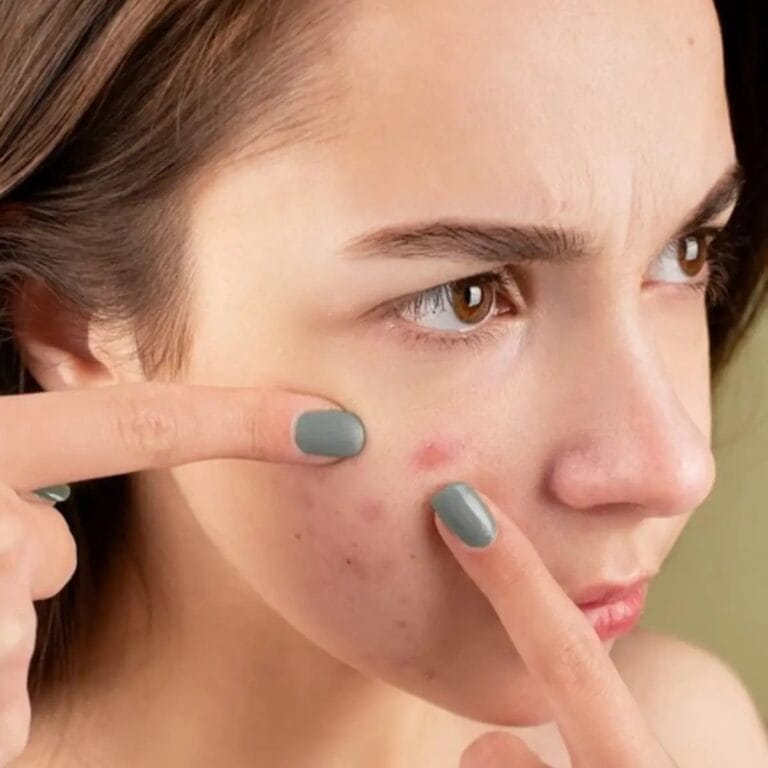
Acne: If you suffer from persistent breakouts, the C. acnes bacteria is likely colonizing your pores and creating a biofilm that standard washes can’t penetrate.
Eczema: If you have chronic itchy patches, Staphylococcus aureus is likely triggering your flare-ups by releasing toxins that agitate your nerve endings.
Rosacea: Your skin’s internal “alarm system” is stuck in the “on” position, constantly pumping out inflammatory signals.
Water and roses cannot fix a microbial war. You need a solution that is lethal to pathogens but invisible to human cells. This is where the biology of Hypochlorous Acid changes everything.
The Solution: What is Hypochlorous Acid (HOCl)?
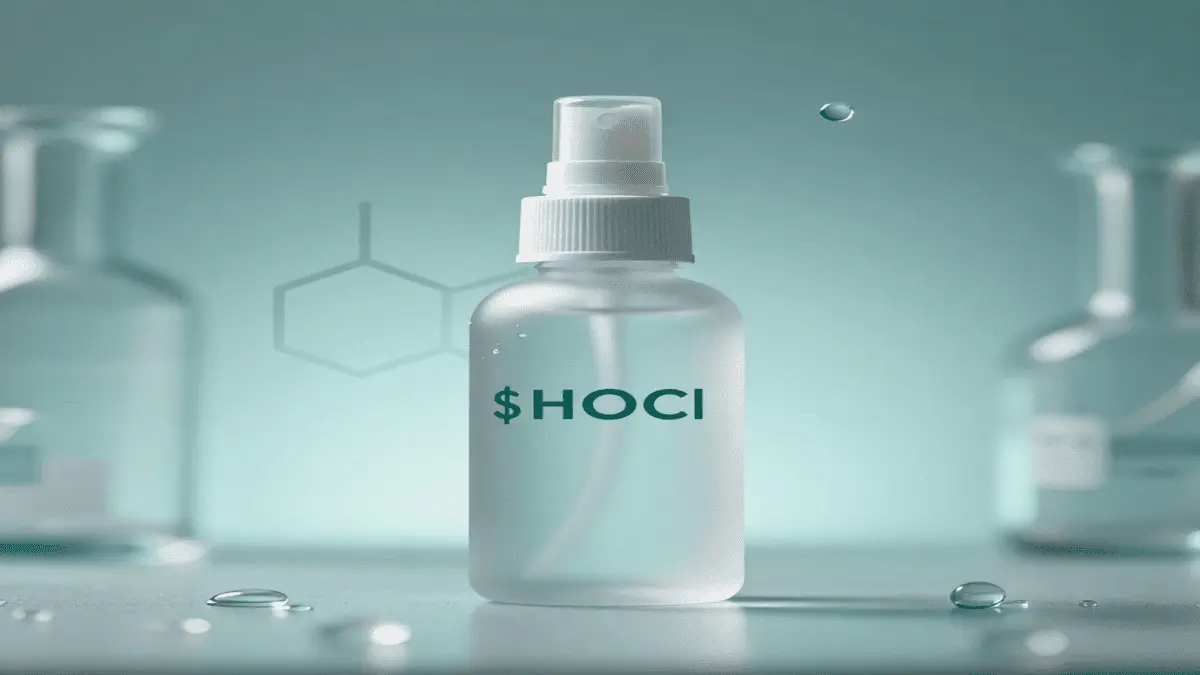
Hypochlorous acid for skincare is essentially a bottled version of your body’s own immune response. It is a weak acid that occurs naturally within us, acting as the primary weapon your immune system uses to keep you healthy. When your white blood cells (specifically neutrophils) detect an invading pathogen, they perform a process called phagocytosis. They engulf the invader and neutralize it with a burst of HOCl to dissolve the pathogen’s cell wall.
By stabilizing this delicate molecule into a topical spray, modern science has made hypochlorous acid for skincare a “supplemental immune system” in a bottle. Because it is 100% biocompatible, your skin recognizes it as a “friend” rather than a foreign chemical. This unique biological profile is why hypochlorous acid for skincare is widely considered the most significant breakthrough for reactive and sensitive skin types in the 2026 market. Unlike harsh synthetics, using hypochlorous acid for skincare allows you to disinfect your pores while actually supporting the skin’s natural healing process.
Ready to protect your skin barrier?
1. Superior Antimicrobial Efficacy (The “Clean” Science)
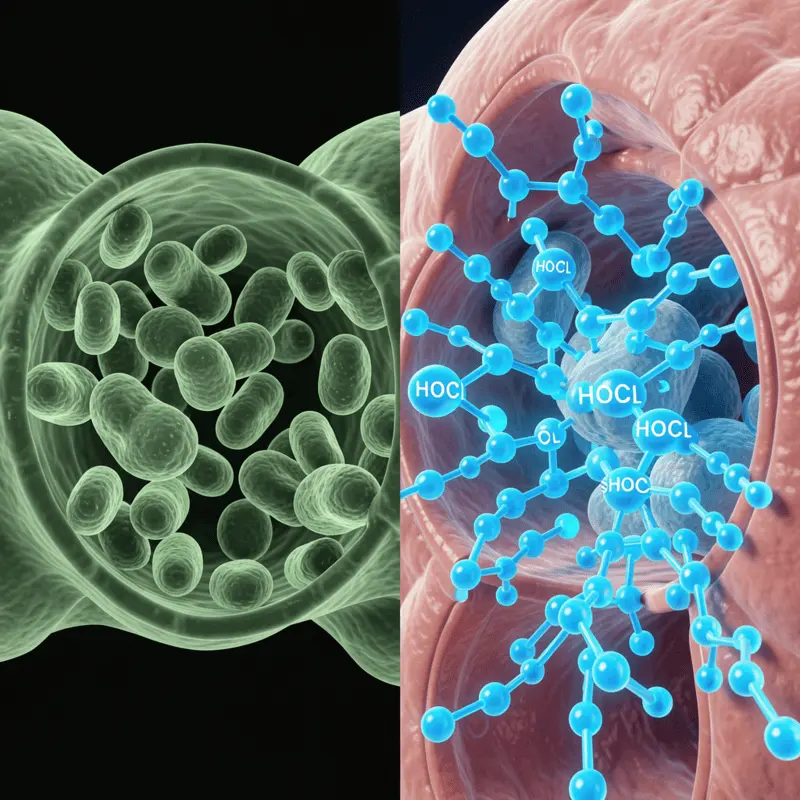
The most striking feature of HOCl is its efficiency. Unlike traditional antibiotics (which bacteria can eventually learn to resist), HOCl works through a physical-chemical mechanism that pathogens cannot evolve against.
The Mechanism of Action
HOCl carries no electrical charge. This allows it to penetrate the negatively charged cell walls of bacteria much faster than other disinfectants. Once inside, it oxidizes the proteins and nucleic acids of the pathogen, causing the cell to collapse instantly.
Factual Data: In clinical microbiology tests, stabilized HOCl has been shown to eliminate 99.9% of common pathogens—including E. coli, S. aureus, and various fungi—in under 60 seconds of contact time.
The Non-Cytotoxic Edge: While alcohol is effective, it kills everything in its path. HOCl is selective. Because human cells have advanced antioxidant systems (like taurine), they can neutralize small amounts of HOCl without being harmed. You get the disinfection power of a hospital-grade antiseptic without damaging a single healthy skin cell.
2. Radical Reduction in “Maskne” and Exercise-Induced Breakouts
In the post-2020 world, “Maskne” (acne mechanica) became a permanent part of the skincare conversation. Even in 2026, those who work in healthcare, travel frequently, or wear helmets (cyclists/athletes) struggle with localized breakouts.
The “Warm Chamber” Effect
Sweat itself is sterile when it first leaves the pore. However, when sweat is trapped against the skin by a mask or fabric, it creates a “warm, moist chamber.” This environment causes bacterial fermentation to accelerate.
Case Study Insight: A 2025 study observing high-intensity athletes found that those who used a 0.02% HOCl spray immediately after training (before they could get to a shower) showed a 57% reduction in inflammatory acne lesions over a 30-day period.
The Practicality: You don’t need a sink or a harsh scrub. Carrying a travel-sized HOCl spray in your gym bag allows you to “flash-sanitize” your pores. It neutralizes the bacteria before they have the chance to settle into the follicle and trigger an inflammatory response.
3. Addressing Long-Term Skin Irritation: A Solution for Eczema and Rosacea
Persistent skin struggles are usually caused by an overactive “immune alarm” within the body. Instead of just covering up redness with heavy creams, hypochlorous acid for skincare works on a cellular level to settle the biological triggers that cause flare-ups.
The Molecular Peacekeeper
Hypochlorous acid for skincare acts as a balancing agent for the skin’s defense system. It specifically moderates the activity of Nuclear Factor-Kappa B (NF-κB), which scientists call the “primary regulator” of inflammation. By calming this specific protein, hypochlorous acid for skincare stops the skin from overreacting to daily environmental stressors.
Specific Benefits for Sensitive Skin:
Soothing Eczema: Hypochlorous acid for skincare clears away the bacterial toxins (specifically from Staphylococcus aureus) that trigger that unbearable “itchy” feeling. This allows the skin’s natural shield to rebuild without being constantly under microbial attack.
Calming Rosacea: It helps cool down the “heat” and visible flushing. By reducing the swelling in tiny surface blood vessels, hypochlorous acid for skincare provides immediate relief for reactive complexions.
Dealing with itchy or reactive skin?
Psoriasis Care: It sanitizes cracked or scaling patches safely. Using hypochlorous acid for skincare ensures that no secondary infections slow down the healing process, allowing for a smoother recovery of the skin barrier.
4. Wound Healing and Post-Procedure Recovery
If you perform “at-home” treatments like microneedling or professional procedures like CO2 lasers and deep chemical peels, your skin is technically wounded. The speed at which those wounds heal determines whether you get glowing results or permanent scarring. This is where hypochlorous acid for skincare becomes an indispensable part of the recovery process.
The Science of Fibroblasts
Research published in the Wounds Journal highlights that the active molecule in hypochlorous acid for skincare increases local oxygen saturation at the site of skin damage. This creates an optimal “micro-climate” for fibroblasts—the specific cells responsible for producing the new collagen and elastin required for healthy skin.
Accelerated Migration: Hypochlorous acid for skincare signals new skin cells to migrate faster to the site of the “gap” in your skin barrier. By speeding up this cellular transit, you reduce the “downtime” associated with aggressive aesthetic treatments.
Scar Prevention: By keeping the wound site sterile and hydrated without the use of greasy, pore-clogging ointments, hypochlorous acid for skincare ensures that the skin heals “flat” and smooth. This significantly reduces the risk of post-inflammatory hyperpigmentation (PIH) and uneven texture.
5. Bio-Compatibility: The “Zero-Irritation” Profile
The most significant benefit of hypochlorous acid for skincare is what it doesn’t do. In a world where we are constantly worried about ingredient “clashes” (like the risk of mixing Retinol with Vitamin C), hypochlorous acid for skincare is the ultimate team player, fitting into almost any regimen without causing a chemical conflict.
Why It Is the Ultimate Non-Irritant:
No Stinging: Unlike witch hazel or alcohol-based toners, hypochlorous acid for skincare feels like plain water upon application. It provides high-level disinfection without the sensory “bite.”
No Peeling: It does not interfere with the skin’s natural desquamation (shedding) process. This makes hypochlorous acid for skincare safe for those already using drying prescriptions like Accutane or Tretinoin.
Ophthalmology Grade: The safety profile is so high that hypochlorous acid for skincare has been used for decades to treat blepharitis (eyelid inflammation). If it is safe enough for the delicate mucous membranes of your eyes, it is more than safe for your face and neck.
Eco-Friendly: Once hypochlorous acid for skincare finishes its job, it simply breaks down into a tiny amount of saline (salt water). It leaves no toxic residue on your skin or in our water systems, making it a sustainable choice for 2026.
How to Spot High-Quality Hypochlorous Acid for Skincare in 2026
Not all sprays are created equal. Because the molecule is “living” and notoriously unstable, if a manufacturer doesn’t bottle it correctly, you are essentially buying expensive saline. Look for these three non-negotiables when shopping for hypochlorous acid for skincare.
I. Opaque Packaging
The active molecule in hypochlorous acid for skincare is extremely light-sensitive. Photons from sunlight or even bright bathroom LEDs can break its chemical bonds. If the bottle is clear, do not buy it. High-quality brands use white or dark blue opaque HDPE plastic or coated glass to ensure the hypochlorous acid for skincare remains active and potent until the very last spray.
II. The “Sweet Spot” pH Range (4.5 to 5.5)
The efficacy of hypochlorous acid for skincare is entirely dependent on its pH level.
If the pH is too high (>6.0): The molecule converts into Sodium Hypochlorite (Bleach), which is alkaline and highly damaging to your skin barrier.
If the pH is too low (<3.5): It can turn into Chlorine Gas, a known respiratory and skin irritant.
The Target: Look for hypochlorous acid for skincare products lab-tested at a pH of 4.5 to 5.5, which perfectly matches the skin’s natural acidic mantle.
III. The “Minimalist” Ingredient List
True hypochlorous acid for skincare should be pure. The ideal ingredient list is incredibly short:
Electrolyzed Water (Aqua)
Sodium Chloride (Salt)
Hypochlorous Acid
Avoid products with added fragrances, essential oils, or “soothing” botanicals. These additives can actually destabilize the hypochlorous acid for skincare molecule, causing it to degrade into plain salt water before you even open the bottle.
How to Integrate HOCl into Your 2026 Routine
To get the maximum benefit from “The Biology of Clean,” you must know where it fits in your daily ritual.
The “Cleanse-Spray-Seal” Method
Cleanse: Use a gentle, sulfate-free cleanser (like the one mentioned in our Cetaphil Review
Mist: Spray a generous layer of HOCl over your face and neck. Do not wipe it off.
Wait: Allow it to air dry for 30–60 seconds. This gives the molecule time to neutralize pathogens.
Treat: Apply your active serums (Vitamin C, Retinol, or Hyaluronic Acid).
Seal: Apply your barrier repair cream
For Athletes and Commuters
Store a bottle in your exercise bag or car. If you cannot wash your face immediately after sweating, spray HOCl. This acts as a “bridge” to keep your pores clear until you can get to your full evening routine.
The 2026 Strategic Application Guide: Timing Your HOCl Usage
One of the most frequent queries from skincare enthusiasts is: “How do I layer this within a multi-step regimen?” To achieve peak results, follow this biologically-optimized blueprint.
1. The “Daytime Defense” Protocol
In the early hours, your goal is to create a sterile foundation. This spray acts as a barrier against city pollutants and any bacteria transferred from your bedding.
Phase 1: Surface Purification – Begin with a soap-free, mild cleanser to clear natural oils produced overnight.
Phase 2: The Biological Reset – Apply a fine mist of Hypochlorous Acid to a dry face.
The Logic: This step sanitizes the canvas, ensuring no microbial interference for your following products.
Phase 3: The Evaporation Gap – Wait roughly 60 seconds for the mist to air-dry. This prevents the HOCl from reacting with your next layer.
Phase 4: Antioxidant Layering – Proceed with your Vitamin C Serum . A clean, HOCl-treated surface allows for better antioxidant absorption.
Phase 5: Environmental Shield – Finish with a breathable moisturizer and your 2026 SPF
2. The “Nightly Restoration” Sequence
Before sleep, HOCl serves as a decontamination agent, removing the day’s microbial buildup before you apply potent repair actives.
Phase 1: Deep Decontamination – Perform a double-cleanse to dissolve makeup, sunscreen, and grime.
Phase 2: Targeted Sterilization – Mist the face and neck.
Pro Insight: If you are struggling with “Maskne” or localized redness, focus an extra burst on those specific zones.
Phase 3: Stabilization Period – Allow the skin to dry completely until it feels smooth, not damp.
Phase 4: Advanced Repair – Now apply your Retinoid or Retinal treatment
The Advantage: Since HOCl helps pacify inflammatory markers (NF-κB), your skin can often tolerate high-strength Vitamin A with less peeling.
Phase 5: Lipid Replacement – Conclude with a Barrier Repair Cream or Natural Beef Tallow to lock in hydration while the microbiome balances itself overnight.
3. The “Active Lifestyle” Instant Fix
This is your essential “on-the-fly” method for travel or high-performance days.
Post-Training: Immediately after finishing your workout, apply the spray. This stops sweat from reacting with surface bacteria while you are on your way to the shower.
Transit Protection: After exiting public transport or a flight, use a quick mist to neutralize environmental pathogens that have landed on your skin’s surface.
Frequently Asked Questions (FAQ)
Q1. Does hypochlorous acid smell like bleach?
It often has a faint “swimming pool” or “clean” scent. This is not because it contains household bleach. It is the natural scent of the HOCl molecule itself. The smell usually dissipates within 10 seconds of drying and does not linger on the skin.
Q2. Can I use HOCl with Vitamin C or Retinol?
Yes, but timing is key. Because HOCl is an oxidizing agent, it can potentially neutralize the antioxidant power of a Vitamin C serum if they are mixed while wet.
The Rule: Spray HOCl first, let it dry completely (so the molecule becomes inert salt), then apply your other actives.
Q3. Is it safe for young children and infants?
Yes! Many dermatologists recommend HOCl for diaper rash and “cradle cap” because it is non-toxic and doesn’t sting. However, always consult a pediatrician first.
Q4. Does it expire?
Yes. Stabilized HOCl usually has a shelf life of 6 to 12 months. If your spray has no scent at all (even a faint one) or if it has been sitting in a hot car for months, it has likely turned back into plain salt water. Examine the bottle’s “Period After Opening” (PAO) sign.
Q5. Can I make it at home?
While “HOCl Generators” are sold online, they are difficult to calibrate for skincare. Without laboratory-grade pH meters, a DIY batch can easily become too alkaline, resulting in a solution that is closer to bleach than a skin mist. For the face, always use a professionally stabilized product.
Summary: The Future of Skin Health
Hypochlorous acid for skincare represents a major shift in how we approach “clean” skin. Instead of aggressively killing bacteria, we are moving toward balancing our skin’s natural biology. By using a molecule that our white blood cells perfected over millions of years, we can achieve clear, calm, and resilient skin without the side effects of harsh chemicals.
Hypochlorous acid for skincare is a delicate yet effective ally, whether you are fighting “Maskne,” controlling Rosacea, or just trying to shield your skin from environmental stress and urban pollution. It is perfect for sensitive, acne-prone, and reactive skin types because of its antibacterial and anti-inflammatory qualities.
By integrating hypochlorous acid for skincare into your daily routine, you support your skin’s natural defense system, reduce irritation, and maintain a healthy microbiome—creating the foundation for long-term skin health in 2026 and beyond.
Clinical Disclaimer
Educational Purpose: Based on 2026 dermatological trends, this guide is meant to be informative. It’s not medical advice.
Not a Cure: For severe skin conditions, HOCl is a supportive treatment rather than a substitute for prescription drugs.
Patch Test: Before putting a new active ingredient on your face, always do a patch test on your inner arm.
Professional Consultation: If you are using prescription topicals like Accutane or steroid creams, consult your dermatologist before adding HOCl to your routine.