Best Vitamin C Serum for Oily Skin: 2026 Guide for Combination Skin
Best Vitamin C Serum for Oily Skin: 2026 USA Guide for Combination Skin
Vitamin C is the “holy grail” of skincare, but for those with oily or combination skin, finding the right formula can feel like a gamble.
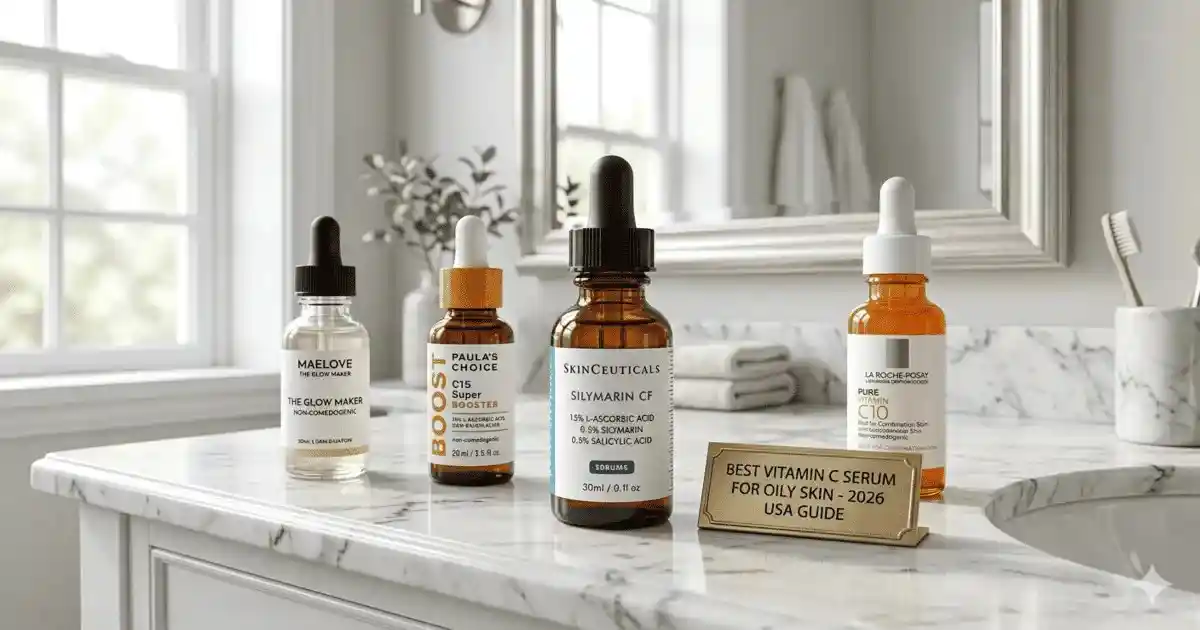
Will it clog your pores? Will it leave you looking like a greaseball by noon? In 2026, skincare technology has evolved beyond sticky, orange oils. Today, lightweight, water-based, and stabilised vitamin C derivatives are specifically designed to brighten oily skin without triggering breakouts.
If you are searching for the best vitamin C serum for oily skin, this comprehensive 2026 guide covers everything from clinical efficacy to budget-friendly picks available in the USA market. We will also explore how to integrate these powerful antioxidants into your routine without causing the dreaded “stinging” sensation.
1. The Science: Why You Need a Vitamin C Serum for Oily Skin
To understand why a vitamin C serum for oily skin is essential, we must look at a process called sebum oxidation. Oily skin produces excess lipids (fats) that, when exposed to oxygen, UV rays, and US city pollution, undergo a chemical reaction. This process creates “squalene peroxides”, which are highly comedogenic—meaning they are the primary cause of inflammatory acne and blackheads.
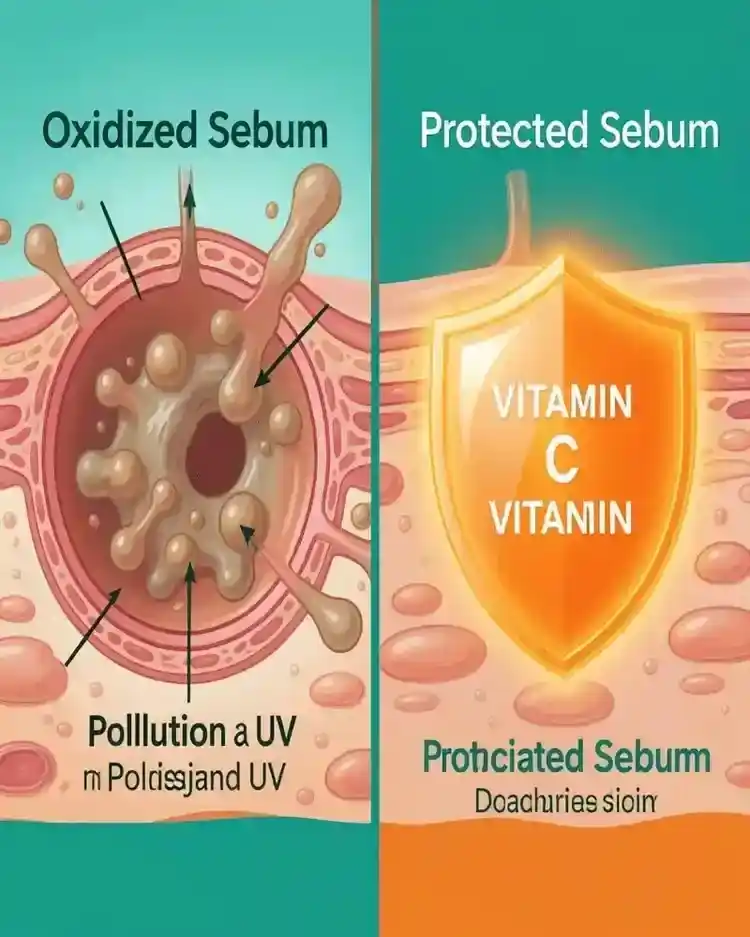
How Vitamin C Protects Oily Complexions:
Antioxidant Shield: It neutralises free radicals before they can oxidise your skin’s natural oils, keeping your pores “clear” and your sebum liquid.
Pore Refinement: By boosting collagen, it prevents “pore sagging”, a common issue where oily pores look larger due to loss of elasticity in the pore walls.
Anti-Inflammatory: It reduces the redness associated with active breakouts, making it a dual-action treatment for both ageing and acne.
The difficulty is significantly higher for people with combination skin. You need a serum that is potent enough to brighten the dullness on your cheeks but light enough to not drown your T-zone in grease.
2. Choosing the Best Vitamin C Serum for Oily Skin: Top 7 Reviews
1. SkinCeuticals Silymarin CF (The Professional Standard)
In 2026, Silymarin CF remains the undisputed king of the best vitamin C serum for oily skin category. Unlike the original CE Ferulic, which contains vitamin E (sometimes too heavy for oily types), this is specifically oil-free.
The Science: It uses 0.5% silymarin (milk thistle extract) to specifically target sebum oxidation.
Key Ingredients: 15% L-ascorbic acid, 0.5% ferulic acid, and 0.5% salicylic acid.
Verdict: This is the best high-end vitamin C serum for oily skin for those in the USA dealing with high humidity and persistent adult acne.

2. La Roche-Posay Pure Vitamin C10 (Best for Combination Skin)
If you have combination skin that gets oily in the T-zone but flaky on the cheeks, this formula is a masterpiece. It achieves the ideal ratio of hydration to exfoliation.
The Science: It features a physiological pH and includes hyaluronic acid to hydrate dry areas while the vitamin C works on brightness.
Key Benefit: Includes Neurosensine to eliminate the “sting” often felt with high-acid serums.
3. Paula’s Choice C15 Super Booster (The Texture Winner)
For those who hate the feeling of heavy products, this vitamin C serum for oily skin is a liquid “water” formula. It is designed to be weightless.
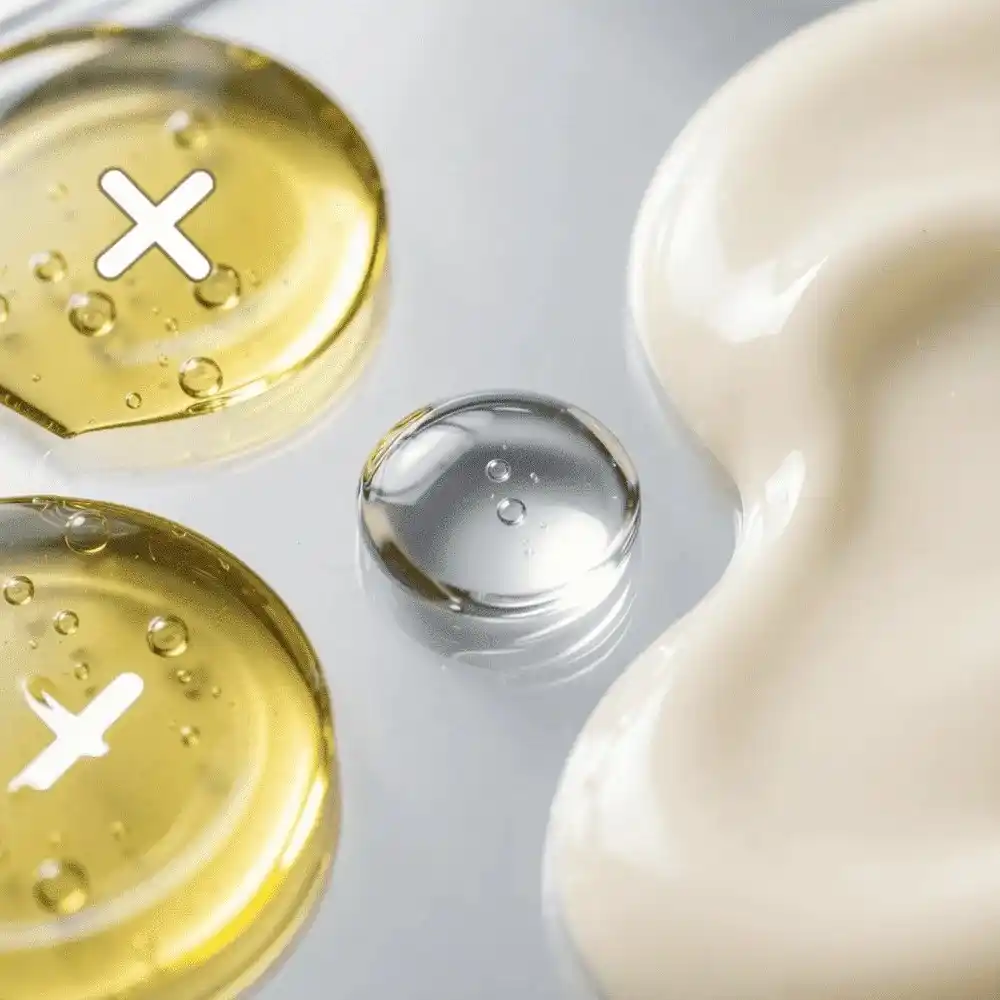
Texture: It is non-greasy and dries matte in seconds.
SEO Tip: Always check your vitamin C serum for oily skin for a “water-first” ingredient list to ensure it won’t clog pores.
4. Maelove The Glow Maker (Best Budget Pick in the USA)
Maelove has become a cult favourite because it mimics the results of $180 serums for a fraction of the price. It is an excellent vitamin C serum for oily skin because it excludes heavy oils and focuses on botanical soothing agents like magnolia bark.

Maelove The Glow Maker Vitamin C Serum
Key Benefits: This serum effectively brightens the skin and promotes a radiant, youthful complexion.
Targeted Results: It is formulated to help reduce the appearance of dark spots and even out skin tone.
Key Ingredients: Features a powerful blend of vitamin C, ferulic acid, and hyaluronic acid for maximum efficacy.
How to Use: Apply daily in the morning to clean, dry skin for best results.
5. Olehenriksen Banana Bright Vitamin C Serum
This 2026 formulation uses gold-stabilised vitamin C. It is perfect for combination skin because it provides an instant “blurring” effect on large pores while providing long-term brightening for dark spots.
6. Drunk Elephant C-Firma Fresh Day Serum
This “mix-it-yourself” serum ensures the L-ascorbic acid never oxidises in the bottle. Its liquid-to-matte finish makes it a top-tier vitamin C serum for oily skin.
7. Vichy LiftActiv Vitamin C Serum
With only 11 ingredients, this is the “cleanest” high-potency option. It is fragrance-free, making it the safest vitamin C serum for oily skin that is also prone to allergies or sensitivity.
3. Technical Comparison: Vitamin C Derivatives for Oily Skin
To select the best vitamin C serum for oily skin, you must understand the derivatives used in 2026 formulations. Not all vitamin C molecules behave the same on an oily surface.
| Derivative Name | Stability | Best Skin Type | Key Benefit |
| L-Ascorbic Acid | Low | Oily/Resilient | Fastest brightening results. |
| Sodium Ascorbyl Phosphate | High | Acne-Prone/Oily | Strongest antibacterial properties. |
| THD Ascorbate | High | Combination | Deep penetration without irritation. |
| 3-O Ethyl Ascorbic Acid | High | Oily/Dull | Extremely stable in USA summer heat. |
4. Deep Dive: Clinical Ingredients in Vitamin C Serum for Oily Skin
To truly master the best vitamin C serum for oily skin, we must look at the 2026 molecular standards. It’s not just about the vitamin C percentage; it’s about the supporting cast of ingredients.
The Function of Vitamin E and Ferulic Acid
Most high-end serums use a combination of vitamin C, ferulic acid, and vitamin E. However, for those with extremely oily skin, vitamin E (tocopherol) can sometimes be “comedogenic”. In 2026, many brands have switched to tocotrienols or water-soluble versions of vitamin E to ensure the best vitamin C serum for oily skin doesn’t cause breakouts.
Salicylic Acid: The Oily Skin Partner
Notice that the top-ranked serums for oily skin often contain 0.5% to 2% salicylic acid (BHA).
This is because vitamin C works on the surface and deep collagen layers, while BHA goes inside the pore to dissolve the “glue” holding dead skin cells together. When these two work together, the result is “glass skin” that is free of both spots and texture.
5. How to Layer Your Vitamin C Serum for Oily Skin
A common mistake for those with combination skin is improper layering, which leads to “pilling” or excess shine. In 2026, the “less is more” approach is trending in the USA.
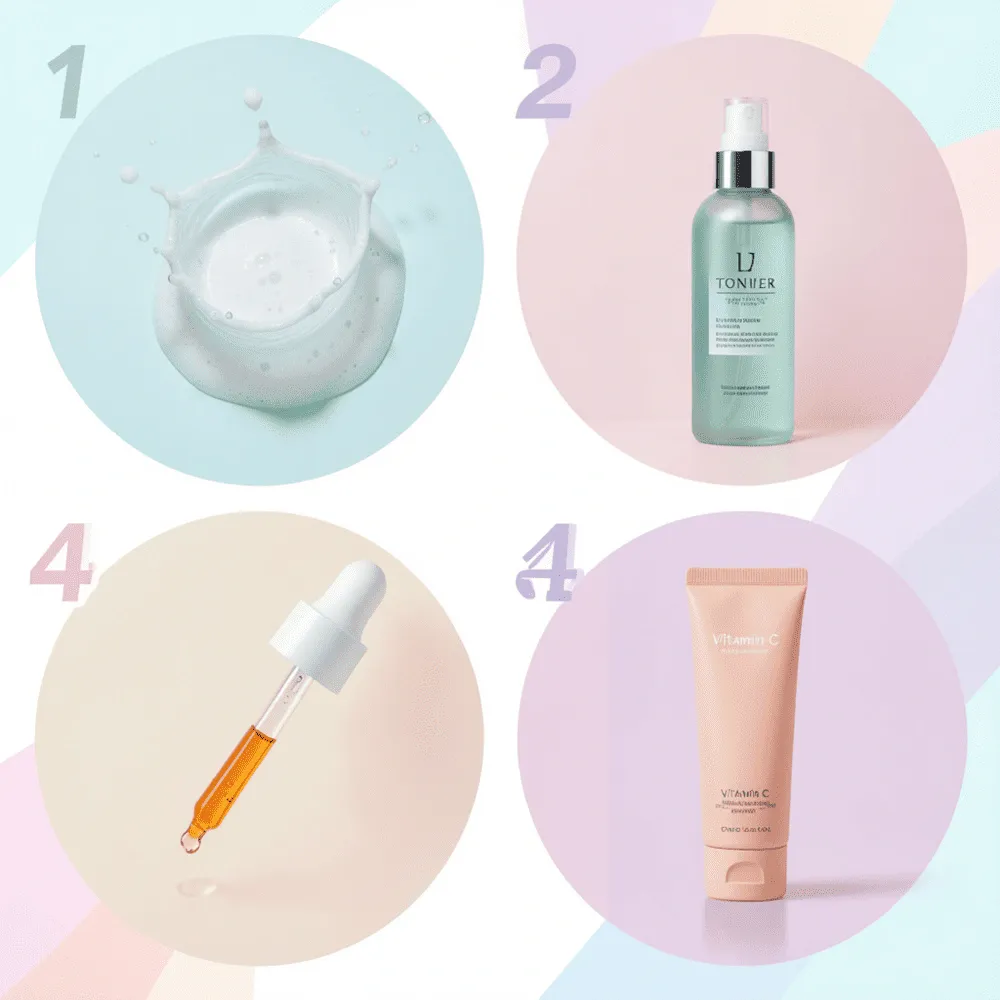
Cleanse: Use a foaming or gel cleanser to strip excess nighttime oils.
Prep: Apply an oil-free toner (niacinamide toners work great here).
Treat: Apply 3-5 drops of your vitamin C serum for oily skin.
Protect: Use a matte SPF 50.
Pro Tip: If you are unsure about the order of products, check our detailed 2026 Step-by-Step Guide on How to Use Vitamin C Serum Correctly.
6. Environmental Impact: USA Weather and Your Serum
Living in the USA, your skin faces different challenges depending on your state. Your choice of a vitamin C serum for oily skin should reflect your local climate:
The Sun Belt (Florida, Texas, Arizona): In these high-UV and high-humidity areas, your serum must be a “water-weight” liquid. Silymarin CF is the only formula that won’t slide off your face in 90% humidity.
The Northeast and Midwest (New York, Chicago): If you have combination skin, the interior heat in the winter may dry out your cheeks while leaving your nose greasy. In this case, layer your vitamin C serum for oily skin under a barrier-repair cream.
7. Troubleshooting: Why Your Vitamin C Serum for Oily Skin Isn’t Working
If you aren’t seeing results, it could be due to one of these common 2026 skincare mistakes:
Oxidation: If the serum is dark orange or brown, it is damaged.
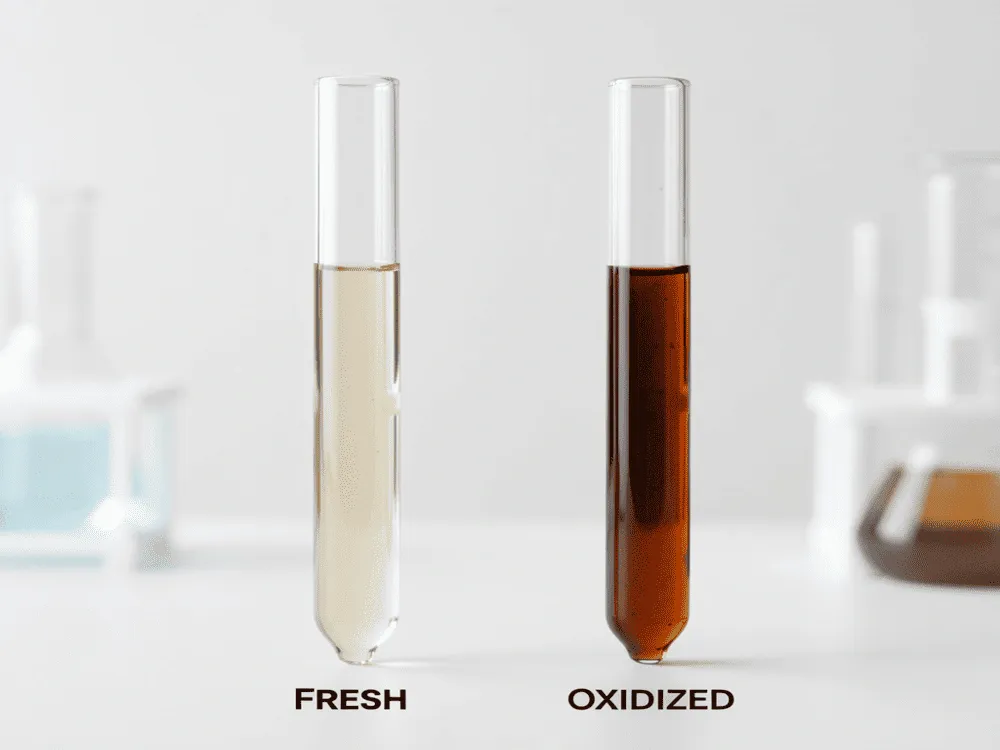
Using an oxidised vitamin C serum for oily skin can actually increase blackheads because the unstable molecule irritates the pore lining.
The Stinging Sensation: It is normal for high-potency L-ascorbic acid to tingle. However, if it burns, your skin barrier might be weak. Read our investigation into Vitamin C Serum Side Effects: Why Your Skin Stings to find a fix.
Storage: Keep your vitamin C serum for oily skin in a cool, dark drawer or a dedicated skincare refrigerator. US summers can oxidise a bottle in less than two weeks if left on a sunny bathroom counter.
8. 2026 Ingredient Conflicts: What NOT to Mix
To maintain your status as a “skincare expert”, you must avoid “active overload”. When using a vitamin C serum for oily skin, be careful with:
Benzoyl Peroxide: If you use this for acne, do not apply it at the same time as your Vitamin C. The peroxide will oxidise the vitamin C, making it useless.
Copper Peptides: These two can cancel each other out. Use your vitamin C serum for oily skin in the morning and peptides at night.
Retinol: Do not combine them in one step. Use retinol in the evening for healing and vitamin C in the morning for prevention.
9. Conclusion: The Final Verdict for 2026
Choosing the best vitamin C serum for oily skin doesn’t have to be a gamble. In 2026, the data is clear: prioritise water-based formulas with stabilised L-ascorbic acid or sodium ascorbyl phosphate.
For Maximum Performance: Go with SkinCeuticals Silymarin CF.
For Sensitive-Oily Types: Choose La Roche-Posay C10.
For the Budget Conscious: Maelove The Glow Maker is your winner in the USA market.
By following the morning routine outlined in this guide and choosing a product tailored to your skin’s specific needs, you can finally achieve a bright, clear complexion without the unwanted shine.
Frequently Asked Questions (FAQs)
Q1. What is the best vitamin C serum for oily skin recommended by dermatologists?
Dermatologists often recommend SkinCeuticals Silymarin CF as the gold standard for oily and acne-prone skin because it contains silymarin and salicylic acid to prevent oil oxidation. For a budget-friendly option, Maelove The Glow Maker is highly suggested in the USA.
Q2. Can vitamin C serum cause breakouts on oily skin?
Vitamin C itself does not cause acne, but some formulas contain heavy carrier oils or high concentrations of vitamin E that can clog pores. Always look for “non-comedogenic” or “water-based” formulas if you have oily or combination skin.
Q3. Is it better to apply vitamin C serum at night or in the morning?
For oily skin, morning application is best. Vitamin C provides an antioxidant shield against US city pollution and UV rays, which are major triggers for sebum oxidation and dark spots.
Q4. Is 20% Vitamin C too much for combination skin?
For many, 20% can be irritating and may lead to reactive oiliness. A concentration of 10% to 15% is usually the “sweet spot” for oily and combination skin types to get results without damaging the skin barrier.
Q5. How can I determine whether my vitamin C serum has expired?
If your serum has turned dark orange or brown and has a metallic smell, it has oxidised. Using oxidised vitamin C can lead to skin irritation and may actually cause more blackheads.
Disclaimer
Medical Disclaimer: This article’s content is meant primarily for educational and informational reasons; it is not meant to be used as medical advice. Always seek the advice of a qualified dermatologist or healthcare provider regarding any skin condition or treatment.
Affiliate Disclosure: This material may contain affiliate links. If you click on these links and make a purchase, we could receive a small payment; you won’t be charged anything extra. This helps us maintain our site and continue providing high-quality, research-backed skincare content for our USA audience. We only recommend products we genuinely trust and have researched thoroughly.