La Roche-Posay vs. Neutrogena: 7 Proven Ways to Stop Acne Fast
La Roche-Posay vs. Neutrogena: Which Is Better for College Acne?
Introduction: The Reality of Student Skin
College life is a high-pressure environment, and your skin often acts as a physical barometer for that stress. One week you’re prepping for a midterm with a clear face; the next, you’re waking up to a cluster of breakouts. This isn’t just bad luck—it’s a biological response.
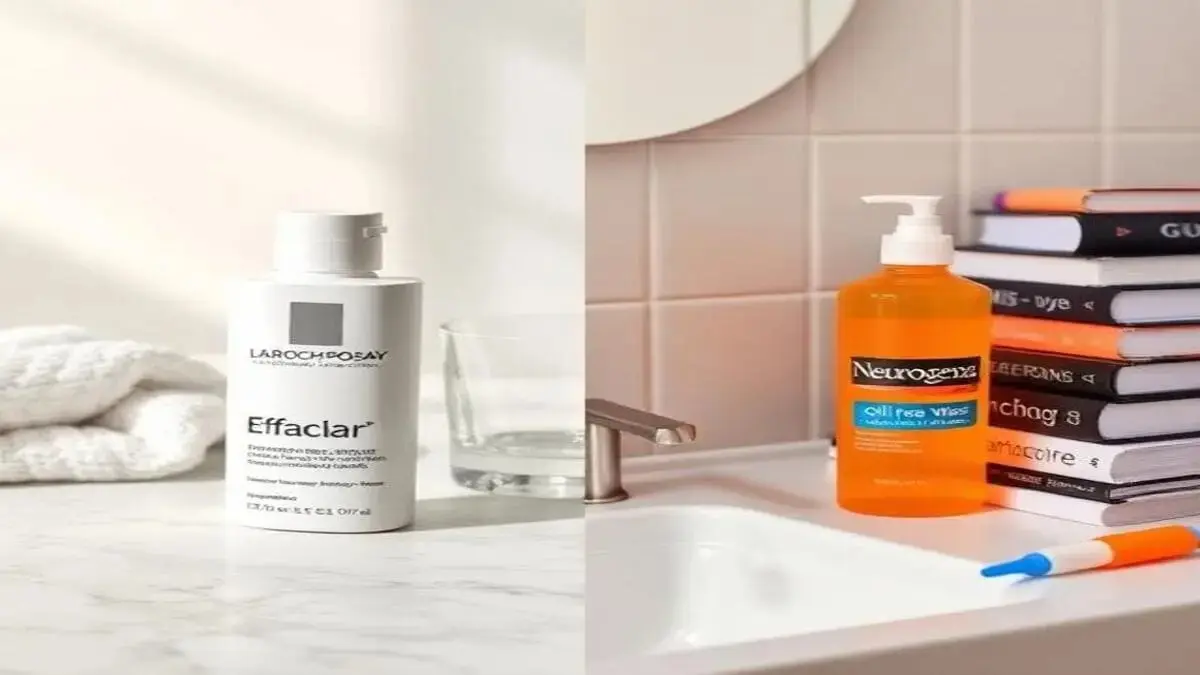
When comparing La Roche-Posay vs. Neutrogena, you are looking at two different ways to handle these “stress breakouts.” Stress spikes cortisol, which increases sebum (oil) production, leading to clogged pores. While one brand focuses on fast-acting, clinical-strength ingredients, the other prioritizes long-term barrier health. Let’s see which one fits your dorm-room routine.
The Battle of Philosophies: Fast Fix vs. Skin Health
Before diving into specific products, it’s important to understand the DNA of these two skincare giants.
Neutrogena (The American Staple): Known for being accessible and powerful. Their products often use high concentrations of active ingredients to provide rapid results. It’s the brand you grab when you need a pimple gone yesterday.
La Roche-Posay (The French Pharmacy Icon): This brand is built on thermal spring water and focuses on the “skin microbiome.” Their goal is to treat acne while keeping the skin’s natural defense system intact.
In the La Roche-Posay vs. Neutrogena debate, the choice usually comes down to whether your skin is resilient or sensitive.
Active Intensity vs. Barrier Preservation
When choosing between these two, you are essentially choosing a strategy for your skin’s “Front Line.”
Neutrogena’s “Search and Destroy” Approach: Neutrogena often utilizes maximum-strength Benzoyl Peroxide or Salicylic Acid. In the US market, they are the leaders in “over-the-counter” (OTC) potency. This is ideal for a resilient skin type that can handle intense exfoliation without becoming inflamed. If you have “stubborn” acne that doesn’t budge, Neutrogena’s high-activity formulas provide the clinical-grade strength needed to break through clogged pores quickly.
La Roche-Posay’s “Soothe and Strengthen” Approach: Conversely, La Roche-Posay approaches acne as a symptom of an imbalanced skin barrier. Instead of just stripping away oil, they incorporate Prebiotic Thermal Water and Niacinamide to calm the skin while the active ingredients (like LHA or micronized Benzoyl Peroxide) work. This is the gold standard for those with sensitive or compromised skin who find that traditional American acne treatments leave them peeling, red, or irritated.
The Dermatologist Factor: Precision vs. Accessibility
While both brands are “Dermatologist Recommended,” they occupy different spaces in the American bathroom cabinet.
Neutrogena is the ultimate in accessibility. It’s the reliable, science-backed option found in every local drugstore from New York to Los Angeles. It’s designed for the consumer who wants a straightforward, “no-fluff” solution to a breakout.
La Roche-Posay brings the European pharmacy experience to the US. It is often the first brand recommended by dermatologists for patients undergoing intensive treatments (like Accutane or Retin-A) because their formulas are tested on the most sensitive skin profiles to ensure they don’t cause secondary irritation.
Quick Take: Choose Neutrogena if you have oily, “tough” skin and need a high-potency fast fix. Choose La Roche-Posay if your skin is prone to redness and you want a sophisticated, gentle treatment that protects your skin barrier.
2. Analyzing the Ingredients: What’s Inside?
Acne treatments usually rely on two heavy hitters: Salicylic Acid and Benzoyl Peroxide. However, these brands formulate them very differently.
Salicylic Acid (BHA) for Clogged Pores
Neutrogena’s famous orange cleansers typically use a 2% Salicylic Acid formula designed to strip away excess oil immediately. It’s highly effective for very oily skin types.
On the other hand, the French alternative often uses LHA (Lipo-Hydroxy Acid) alongside BHA. In the La Roche-Posay vs. Neutrogena comparison, LHA is a standout because it exfoliates the skin more slowly and evenly, which prevents the “peeling” effect often seen with cheaper drugstore cleansers.
Benzoyl Peroxide for Bacteria
For inflamed, red bumps, Benzoyl Peroxide is the gold standard.
Neutrogena’s Stubborn Acne line often uses a 10% concentration—the maximum allowed over-the-counter.
Effaclar Duo (LRP) uses 5.5% micronized Benzoyl Peroxide.
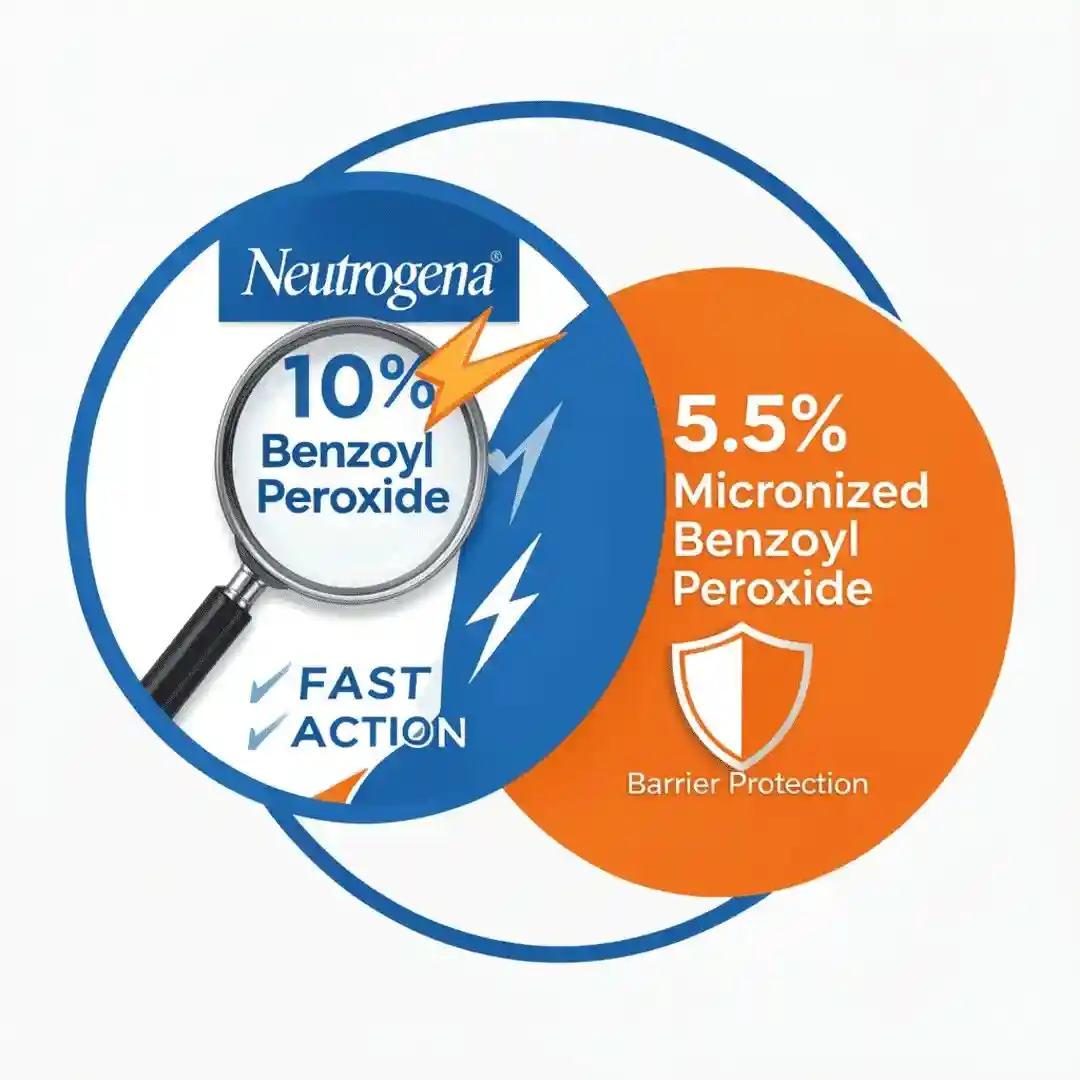
Because the particles are “micronized” (smaller), they penetrate deeper into the pore. This is a key technical win in the La Roche-Posay vs. Neutrogena matchup: you get the same bacteria-killing power with less surface-level irritation.
The “Rebound Effect”: Why Your Oily Skin Might Actually Be Dehydrated
In the La Roche-Posay vs. Neutrogena debate, many users overlook how their skin reacts hours after cleansing.
When you use a high-intensity cleanser that leaves your face feeling “squeaky clean,” you are essentially stripping away the acid mantle—a thin, protective layer of oils and amino acids.
The Neutrogena Risk: Because many of their entry-level acne washes prioritize removing every trace of sebum, your skin’s defense mechanism kicks into high gear. This triggers “reactive seborrhea,” where your sebaceous glands produce double the oil to compensate for the sudden dryness. If you find your face is shinier by lunchtime after a morning scrub, you’ve likely fallen into this trap.
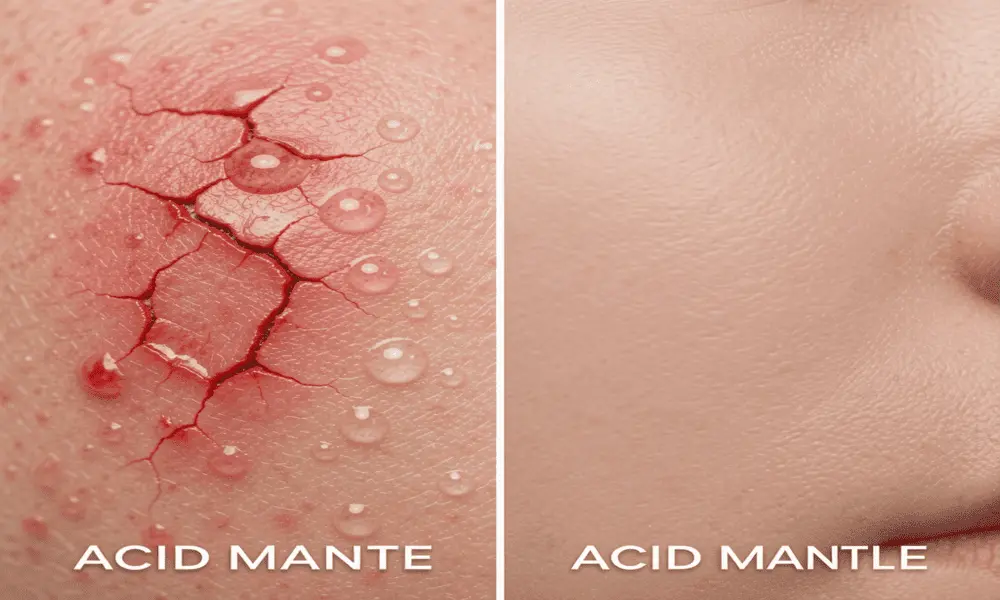
The La Roche-Posay Solution: Their Toleriane and Effaclar lines are formulated with Ceramides (lipid molecules that act as the “glue” between skin cells). By replenishing these lipids during the cleansing process, the skin doesn’t feel the need to overproduce oil. This makes it a superior choice for those in the US dealing with “combination skin”—where you have breakouts but also dry, flaky patches.
The Role of pH Balance in Acne Prevention
The “tightness” mentioned above is often a sign of a pH imbalance. Healthy skin is slightly acidic (around 5.5$), which keeps acne-causing bacteria () from multiplying.
Alkaline Cleansers: Many traditional drugstore soaps are alkaline. While they kill bacteria initially, they leave the skin’s too high, creating a breeding ground for future breakouts.
pH-Optimized Formulas: This is where the French pharmacy approach wins on technical grounds. La Roche-Posay meticulously balances their formulas to match the skin’s natural . In the long run, this “pH-safe” strategy means fewer “emergency” breakouts and a calmer, more even skin tone.
Summary: Comfort vs. Control
Pro-Tip for US Readers: If you love the price point of Neutrogena but hate the tightness, try their “Ultra Gentle” or “Hydro Boost” cleansers. However, if you are struggling with a damaged barrier (redness, stinging, or peeling), switching to La Roche-Posay’s prebiotic formulas is a non-negotiable step for recovery.
4. The Student Budget: La Roche-Posay vs. Neutrogena Price Analysis
Let’s be realistic—price matters, especially when you are balancing a full course load with a skincare routine. In 2026, the gap between “drugstore staple” and “pharmacy premium” has shifted slightly, but the core choice in the La Roche-Posay vs. Neutrogena debate remains the same.
The Save: The High-Potency Neutrogena Starter Kit
You can get a full, effective acne routine from the American brand for roughly $30–$40. In the La Roche-Posay vs. Neutrogena price war, this is where the US staple dominates.
Cleanser: Oil-Free Acne Wash (~$10–$12)
Treatment: Stubborn Acne AM/PM Treatment (~$15)
Moisturizer: Hydro Boost Water Gel (~$20)
Best For: Oily, “bulletproof” skin that just needs high-strength acids to keep pores clear. It’s the most cost-effective way to get maximum-strength Benzoyl Peroxide (10%) into your routine.
The Splurge: The La Roche-Posay “Cosmetic Elegance” Investment
A single specialized treatment from the French brand, like the Effaclar Salicylic Acid Serum, can cost upwards of $45, while the Effaclar Duo treatment typically retails around $23–$30.
Why it costs more: Dermatologists argue that when comparing La Roche-Posay vs. Neutrogena, you aren’t just paying for the brand name; you are paying for cosmetic elegance. This means the product is formulated to feel weightless, smell neutral, and sit perfectly under makeup or sunscreen without “pilling” (those annoying little white flakes).
The “Hidden” Value: Interestingly, many La Roche-Posay acne products in the US are now FSA/HSA eligible. If you have a health savings account, you can actually use pre-tax dollars to buy your routine, which significantly lowers the “real-world” cost in the La Roche-Posay vs. Neutrogena financial matchup.
Cost-Per-Month: How Long Does Each Last?
When looking at a long-term La Roche-Posay vs. Neutrogena cost analysis, consider the concentration of the formula.
| Brand | Average Price (Treatment) | Typical Size | Usage Tip |
| Neutrogena | $15 – $22 | 1.0 – 2.0 oz | Designed for liberal use on larger areas. |
| La Roche-Posay | $30 – $45 | 0.7 – 1.3 oz | Highly concentrated; a “pea-sized” amount is often enough. |
The Budget Verdict: La Roche-Posay vs. Neutrogena
If you are on a strict student budget and have non-sensitive oily skin, Neutrogena offers the best “bang for your buck.” However, if you have an FSA card or struggle with product texture, the La Roche-Posay splurge pays off by saving you from the “rebound dryness” that often leads to buying more products to fix a broken barrier. Ultimately, in the La Roche-Posay vs. Neutrogena value test, the winner is the one that prevents you from needing extra corrective treatments later.