Apple Cider Vinegar Rinse for Scalp Buildup: DIY Natural Detox Guide (2026)
Apple Cider Vinegar Rinse for Scalp Buildup: The Ultimate DIY Natural Detox Guide (2026)
Introduction: The “Skinification” of Hair in 2026
Modern hair care has undergone a massive transformation. In 2026, the beauty industry has embraced the “skinification of hair”—the idea that your scalp deserves the same level of care, exfoliation, and detox as your face.

One of the most powerful, science-backed tools in this movement is the apple cider vinegar rinse for scalp buildup.
While the market is flooded with expensive “scalp scrubs” and “clarifying serums,” this humble kitchen staple remains the gold standard for removing the “biofilm” that ordinary shampoos leave behind. Whether you are dealing with the effects of hard water or a heavy hand with dry shampoo, an apple cider vinegar rinse for scalp buildup is your most effective, budget-friendly solution.
1. Understanding the Enemy: What Exactly is Scalp Buildup?
Before we dive into the remedy, we must understand what we are fighting. Scalp buildup is not just “dirt.” It is a complex, sticky layer composed of several elements:
Product Residue: Modern hair products use silicones (like dimethicone) and polymers to create temporary shine. These substances are not water-soluble and create a plastic-like coating over time.
Oxidized Sebum: Your scalp produces natural oils (sebum). When this oil isn’t thoroughly cleaned, it hardens and mixes with dead skin cells, creating a waxy “plug” in the hair follicle.
Hard Water Minerals: If you live in an area with hard water, calcium and magnesium attach to your hair shaft, making it feel “crunchy” and straw-like. An apple cider vinegar rinse for scalp buildup is essential to dissolve these minerals.
Environmental Pollutants: Microscopic dust and smoke particles from urban environments stick to the scalp’s oils, causing microscopic inflammation.

2. The Science: Why an Apple Cider Vinegar Rinse for Scalp Buildup Works
The effectiveness of an apple cider vinegar rinse for scalp buildup isn’t just an “old wives’ tale”; it’s rooted in chemistry.
The Power of pH Balance
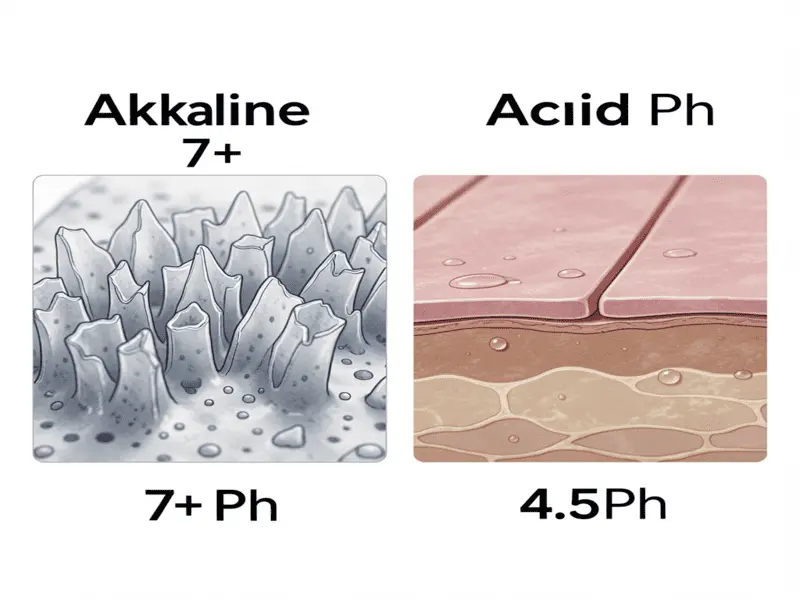
The human scalp and hair have a natural pH of approximately $4.5$ to $5.5$, which is slightly acidic. This acidity is the scalp’s “acid mantle,” which protects against bacteria and fungus. However, most commercial shampoos are alkaline (pH above 7).
When you use alkaline products:
The hair cuticle (the outer layer) “lifts” or opens.
Moisture escapes, leading to frizz and breakage.
The scalp’s protective barrier is disrupted.
An apple cider vinegar rinse for scalp buildup typically has a pH of around $2$ to $3$. When diluted with water, it brings the scalp back to its ideal acidic state, “sealing” the hair cuticle and making it lie flat.
3. Why “The Mother” is Crucial for Your Detox
When shopping for your apple cider vinegar rinse for scalp buildup, you must look for the “raw, unfiltered” version. You will notice a cloudy substance at the bottom of the bottle—this is called “The Mother.”
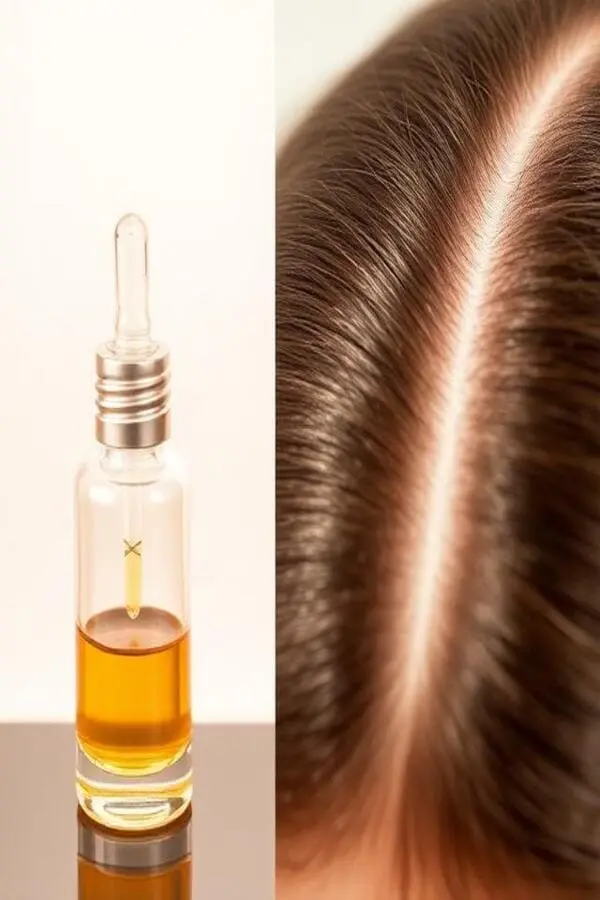
“The Mother” contains:
Acetic Acid: The primary cleansing agent that dissolves mineral buildup.
Malic Acid: A potent antimicrobial that kills dandruff-causing yeast (Malassezia).
While the acid cleanses, enzymes and amino acids help nourish the scalp.
Editor’s Choice: Organic ACV with “The Mother”
4. Comprehensive Benefits of the Apple Cider Vinegar Rinse for Scalp Buildup
Using an apple cider vinegar rinse for scalp buildup provides more than just a clean feel:
Instant Glass-Like Shine: By closing the cuticle, the hair surface becomes smooth and reflects light perfectly.
Natural Volume: Removing the weight of product residue allows hair to lift from the root naturally.
Color Preservation: For dyed hair, an ACV rinse seals the color molecules inside the hair shaft, preventing premature fading.
Anti-Frizz Action: It prevents the hair from absorbing excess humidity, which is the main cause of frizz.
Dandruff Relief: Its antifungal properties target the root cause of flaking and itching.
Detangling Power: Smooth cuticles slide past each other easily, reducing the need for heavy conditioners.
5. The Professional DIY Recipe: Mastering the Ratios
The most common mistake people make with an apple cider vinegar rinse for scalp buildup is using too much vinegar. This can lead to dryness. Follow these precise 2026 guidelines:
The Base Formula
Normal Hair: 2 tablespoons of ACV in 1 cup (250 ml) of filtered water.
Oily Scalp: 3 tablespoons of ACV per cup of water.
Dry or Curly Hair: 1 tablespoon of ACV per cup of water.
Essential Oil Infusions
To customize your apple cider vinegar rinse for scalp buildup, add 3 drops of:
Rosemary Oil: For hair thickening and growth stimulation.
Tea Tree Oil: If you have active dandruff or extreme itchiness.
Lavender Oil: For a soothing, spa-like scent.
6. How to Perform the Apple Cider Vinegar Rinse for Scalp Buildup (The 5-Step Method)
Step 1: The Pre-Wash
Clean your hair using a mild, sulfate-free shampoo. This removes surface dirt so the apple cider vinegar rinse for scalp buildup can focus on the deeper, waxy residue.
Step 2: Application
Using a spray bottle (the best method for even distribution), part your hair in sections and spray the mixture directly onto your scalp.

Ensure the “nape” of your neck and the “crown” are well-covered, as these areas hold the most buildup.
Step 3: The Scalp Massage
Use your fingertips (avoid using nails) to massage the solution in circular motions for 3 to 5 minutes. This physical action helps the acetic acid break down the “biofilm” of product residue.
Step 4: The Soak
Let the apple cider vinegar rinse for scalp buildup sit for 5 minutes. This gives the enzymes time to work on dead skin cells.
Step 5: The Cold Rinse
Rinse your hair thoroughly with cool water. Cool water helps the pH-balancing process and ensures the vinegar smell is washed away.
7. Customizing for Different Hair Types (Type 1 to Type 4)
Not all hair reacts the same way to an apple cider vinegar rinse for scalp buildup.
Fine/Thin Hair (Type 1): You will see the most immediate volume. Use it once a week to prevent products from weighing your hair down.
Wavy/Straight Hair (Type 2): Use every 2 weeks to maintain shine and manageability.
Curly/Coily Hair (Type 3 & 4): Curly hair is naturally more porous.
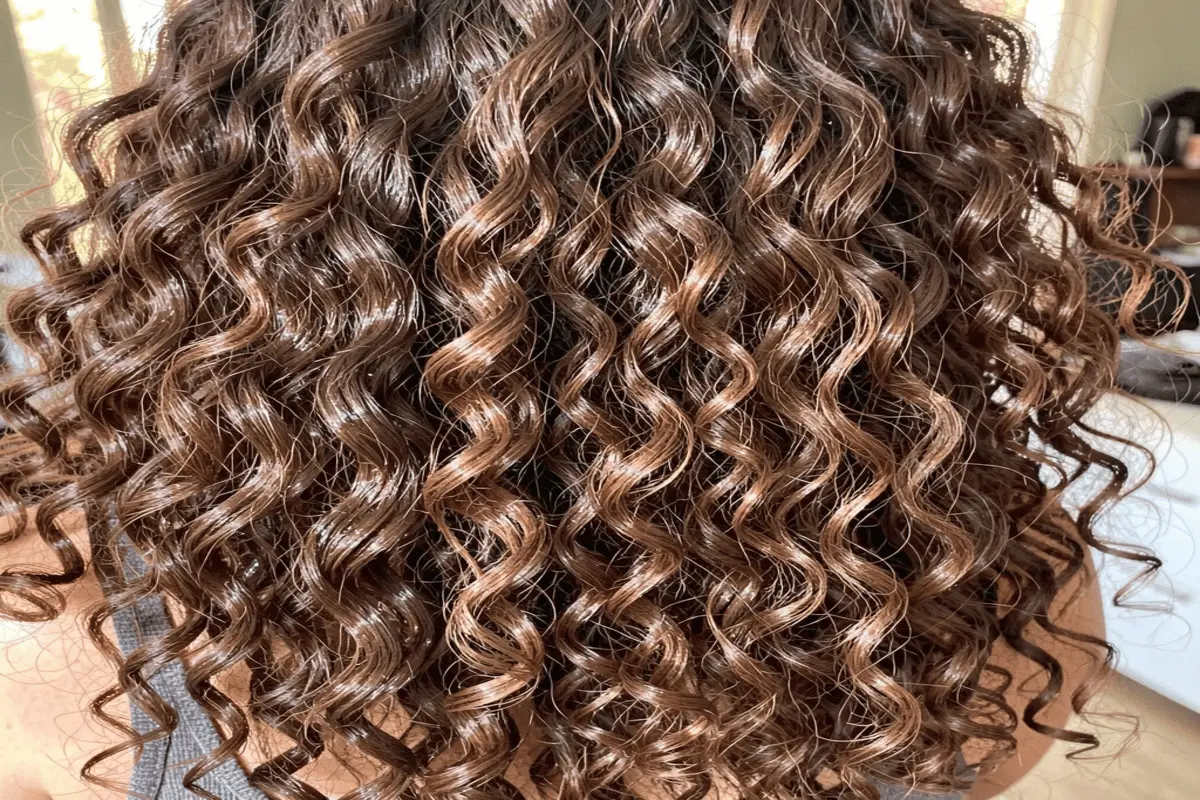
- Use a very diluted apple cider vinegar rinse for scalp buildup (1:6 ratio) and always follow up with a light, leave-in conditioner or a silk bonnet (see our Silk Bonnet Guide).
8. ACV for Hair Growth: Separating Fact from Fiction
Does an apple cider vinegar rinse for scalp buildup grow hair?
Technically, ACV does not contain growth hormones. However, it creates the ideal environment for growth. By removing DHT-clogged sebum and reducing inflammation, it allows the follicle to function at its peak. If your follicles are suffocated by buildup, they cannot produce healthy hair. Therefore, a clean scalp is the first step toward longer, thicker hair.
9. Common Myths About the Apple Cider Vinegar Rinse for Scalp Buildup
Myth 1: It will dry out my hair.
Fact: If diluted correctly (the $1:4$ ratio), it actually increases moisture retention by sealing the cuticle.
Myth 2: I can use white vinegar instead.
Fact: White vinegar is much more aggressive and lacks the malic acid and nutrients found in ACV. Never use white vinegar on your hair.
Myth 3: The smell will linger for days.
Fact: The “vinegar” scent evaporates completely as soon as your hair is dry.
10. ACV vs. Commercial Clarifying Treatments
In 2026, sustainability is a priority. Commercial clarifying shampoos often contain harsh sulfates that strip your scalp of “good” oils, leading to a rebound effect where your scalp produces more oil. An apple cider vinegar rinse for scalp buildup is a “smart” cleanser—it removes the bad buildup while leaving the scalp’s microbiome intact.
11. Frequently Asked Questions (FAQs)
Q1: How often should I use an apple cider vinegar rinse for scalp buildup?
For most, once every two weeks is perfect. If you have very oily hair, once a week is fine.
Q2: Can I use it if I have a sensitive scalp?
Yes, but start with a very weak dilution ($1:10$ ratio) to test your skin’s reaction.
Q3: Can it help with “hard water” hair?
Absolutely. The acetic acid acts as a natural chelator, grabbing onto minerals like calcium and washing them away.
Q4: Should I condition after using an ACV rinse?
If your hair is very dry, you can apply conditioner to the ends only. Avoid the scalp, as you want the ACV to keep the pores clear.
Q5: Is it safe for keratin-treated hair?
Wait at least 2 weeks after a keratin treatment before using an ACV rinse, as the acidity might affect the treatment’s longevity.
12. Conclusion: A Clear Scalp is the Foundation of Beauty
The secret to “expensive-looking” hair isn’t always found in a high-end salon bottle. Sometimes, the most effective solutions are the ones nature provided centuries ago. By incorporating an apple cider vinegar rinse for scalp buildup into your 2026 hair care routine, you are choosing a sustainable, chemical-free, and scientifically sound path to hair health.
Stop letting product buildup suffocate your hair’s potential. Give your scalp the detox it deserves and watch your hair’s natural shine and volume return.
Disclaimer
The information provided regarding the apple cider vinegar rinse for scalp buildup is for educational and informational purposes only. It is not meant to serve as medical guidance. Apple cider vinegar is a highly acidic substance; improper use or insufficient dilution can cause scalp irritation or chemical burns. Consistently conduct a patch test on a small skin area prior to complete application. If you have underlying scalp conditions like psoriasis, seborrheic dermatitis, or open wounds, consult a dermatologist before attempting any DIY treatments. Use of this remedy is at the reader’s own risk.