Balance Hormones Supplements: How to Naturally Restore Hormonal Health
How to Balance Hormones with Supplements: A Complete, Evidence-Based Guide for the USA

Introduction
Balance hormones supplements are a practical, science-backed approach to restoring hormone balance naturally. Hormones are chemical messengers that control nearly every function in the body, including metabolism, energy production, mood regulation, sleep quality, appetite, stress response, and reproductive health. When your hormones are imbalanced, you may experience chronic fatigue, unexplained weight gain or loss, mood swings, difficulty sleeping, brain fog, and low motivation.
In the U.S., hormone imbalance is a growing health concern. Fast-paced work schedules, chronic stress, sedentary lifestyles, high intake of processed foods, and environmental toxins all contribute to hormonal disruption. While diet and exercise are vital, many Americans still experience symptoms because nutrient deficiencies, chronic stress, poor sleep, or age-related hormone decline are not fully addressed. This is where balance hormones supplements come in: they provide targeted nutrients to help the body restore proper hormonal function, improve energy, stabilize mood, and support overall health.
This guide will explain how to balance hormones naturally with supplements, describe the most effective nutrients and herbs, explore how they impact specific hormones, and provide practical strategies to integrate supplementation with lifestyle habits designed for U.S. adults.
Understanding Hormonal Imbalance and Its Effects on Health
Advertisement
Hormonal imbalance is a condition in which the body produces too much or too little of a hormone, or when the hormonal signaling between organs and tissues becomes disrupted. Hormones act as chemical messengers that influence nearly every physiological process, including metabolism, mood, stress response, growth, and reproductive function. Even slight deviations in hormone levels can have a cascading effect on multiple systems, impacting overall health, energy, and quality of life.
In the United States, hormonal imbalance is increasingly common due to modern lifestyle factors such as chronic stress, insufficient sleep, processed foods, environmental pollutants, and sedentary behavior. Up to 40% of individuals may have some kind of hormone disturbance at some point in their lives, according to research, and many go misdiagnosed because symptoms develop gradually or are mistakenly attributed to aging or lifestyle factors.
Key Hormones Commonly Affected
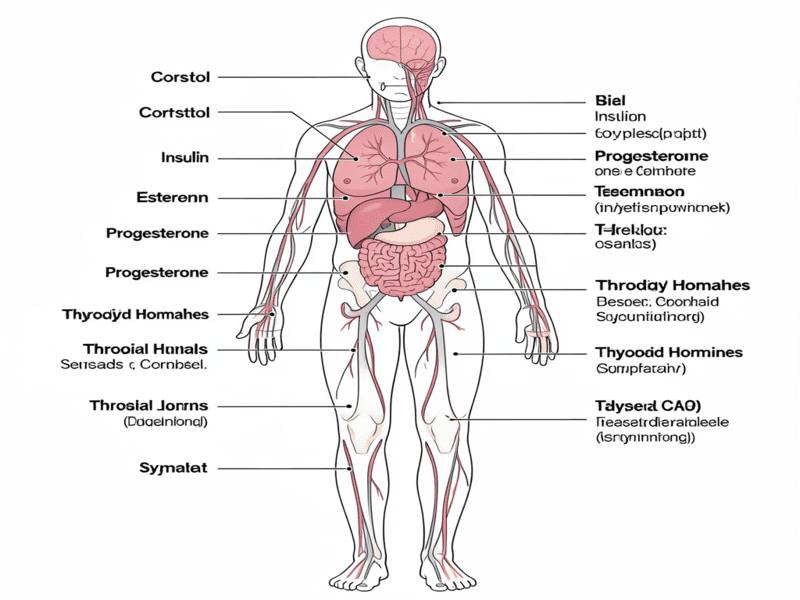
Understanding which hormones are most often disrupted can help identify symptoms early and target interventions with balance hormones supplements:
- Hormone That Manages Stress: Cortisol
Cortisol is produced by the adrenal glands and plays a crucial role in managing stress, regulating blood sugar, controlling inflammation, and maintaining energy levels. Chronic stress from high-pressure work environments, financial strain, and digital overload keeps cortisol levels elevated, leading to fatigue, anxiety, weight gain—particularly around the abdomen—and immune suppression. - Insulin:
The pancreas secretes insulin, which controls blood sugar levels. Diets high in refined carbohydrates, sugar, and processed foods, common in the U.S., can lead to insulin resistance. This imbalance causes energy crashes, increased cravings, difficulty losing weight, and contributes to long-term metabolic disorders like type 2 diabetes. - Estrogen and Progesterone (Female Reproductive Hormones):
Estrogen and progesterone regulate menstrual cycles, fertility, bone density, mood, and sleep. Fluctuations or deficiencies can lead to PMS, irregular cycles, menopausal symptoms, mood swings, hot flashes, sleep disturbances, and reduced libido. Lifestyle factors such as obesity, stress, and exposure to endocrine-disrupting chemicals (EDCs) in plastics and personal care products may exacerbate these imbalances. - Testosterone (Male and Female Hormone):
Testosterone is essential for muscle mass, energy, libido, and cognitive function. In men, testosterone naturally declines with age, while women produce smaller amounts that influence bone density, muscle tone, and sexual health. Low testosterone levels in both genders are linked to fatigue, depression, poor concentration, and decreased physical performance. - Thyroid-Derived Hormones: T3 and T4
Hormones that control body temperature, heart rate, and metabolism are produced by the thyroid gland. Hypothyroidism or suboptimal thyroid function causes fatigue, weight gain, cold sensitivity, hair thinning, and digestive issues. In the U.S., iodine deficiency is less common, but autoimmune thyroid disorders and nutrient deficiencies (selenium, zinc) are frequent contributors.
How Hormonal Imbalances Affect Daily Life
Hormonal imbalance does not only affect reproductive health—it can influence nearly every system in the body:
- Metabolism: Imbalanced hormones slow metabolism, making weight management more challenging despite diet and exercise. For instance, low thyroid hormones reduce basal metabolic rate, while high cortisol promotes fat storage in the abdominal area.
- Mood and Cognitive Function: Hormones like cortisol, estrogen, progesterone, and testosterone interact with neurotransmitters, influencing mood, memory, motivation, and mental clarity. Disruption can result in irritability, anxiety, brain fog, and depressive symptoms.
- Sleep: The sleep-wake cycle is controlled by hormones. Elevated cortisol or low progesterone can disrupt melatonin production, leading to insomnia, poor sleep quality, and reduced restorative sleep, which further aggravates hormonal imbalance.
- Immune System Function: Chronic hormonal imbalance, particularly elevated cortisol, suppresses immune function, making individuals more susceptible to infections, inflammation, and slower recovery from illness.
- Reproductive Health and Fertility: Imbalances in sex hormones can cause irregular menstrual cycles, reduced libido, erectile dysfunction, fertility issues, and menopause-related complications.
Causes of Hormonal Imbalance in the Modern U.S. Lifestyle
Several environmental and lifestyle factors unique to the U.S. contribute to widespread hormonal disruption:
Recommended for You
- Chronic Stress:
American adults report some of the highest stress levels globally due to work pressure, financial insecurity, and constant digital stimulation. Prolonged stress activates the HPA axis, raising cortisol levels and disrupting insulin, thyroid, and sex hormones. - Poor Sleep and Irregular Sleep Patterns:
Americans average less than 7 hours of sleep per night, which is below the recommended 7–9 hours. Poor sleep reduces the secretion of growth hormone and melatonin, essential for hormone repair and recovery. - Dietary Imbalances:
High consumption of processed foods, refined sugar, unhealthy fats, and low fiber intake increases inflammation and oxidative stress. These dietary factors interfere with insulin signaling, cortisol regulation, and sex hormone metabolism. - Endocrine disruptors and environmental toxins:
Exposure to chemicals such as BPA, phthalates, pesticides, and heavy metals can mimic or block hormones, particularly estrogen and thyroid hormones, worsening imbalance over time. - Nutrient Deficiencies:
Magnesium, zinc, selenium, vitamin D, omega-3 fatty acids, and B vitamins are often insufficient in modern diets, limiting the body’s ability to produce and regulate hormones effectively. - Age and Lifestyle:
Hormone production naturally declines with age. Men experience a gradual drop in testosterone, while women face perimenopause and menopause-related shifts in estrogen and progesterone. Sedentary habits, excessive caffeine, and alcohol consumption accelerate this process.
Symptoms Indicating Hormonal Imbalance
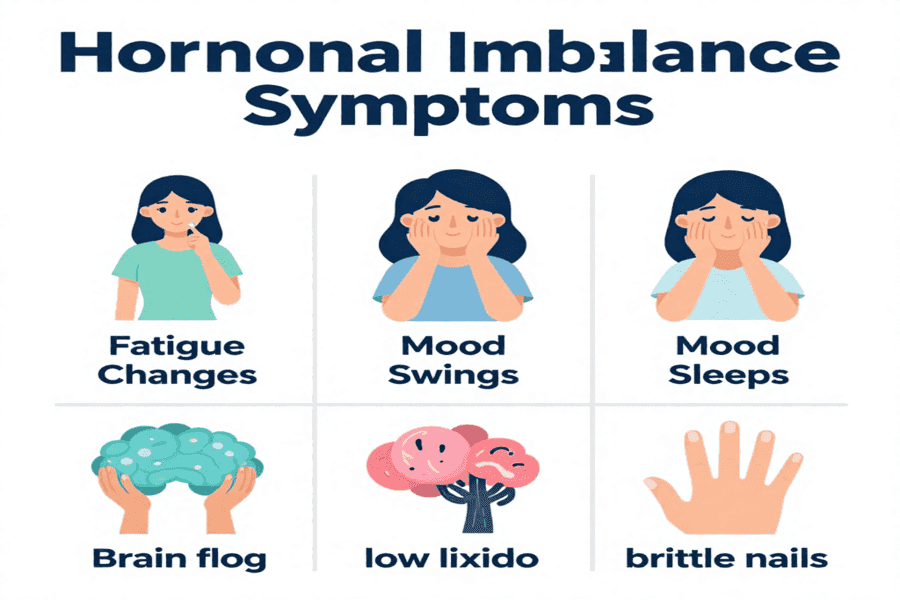
Recognizing hormonal imbalance early is critical for intervention. Common signs include:
- Chronic exhaustion and low vitality
- Weight gain or decrease that is not explained
- Anxiety, depression, impatience, or mood swings
- Difficulty concentrating or “brain fog”
- Irregular menstrual cycles or reduced libido
- Brittle nails, dry skin, or thinning hair
- Frequent awakenings and poor sleep quality
When these symptoms are present, balance hormones supplements, combined with lifestyle strategies, can support the body in restoring equilibrium.
Long-Term Consequences of Ignoring Hormonal Imbalance
If left untreated, hormonal imbalance can lead to serious health issues:
- Increased risk of metabolic syndrome and type 2 diabetes
- Cardiovascular disease due to elevated cortisol and inflammatory markers
- Osteoporosis from estrogen deficiency
- Fertility issues and sexual dysfunction
- Chronic fatigue and mental health disorders
Early recognition and proactive interventions, including balance hormones supplements, nutrient-rich diets, stress management, and proper sleep, can prevent these complications and restore overall wellness.
Integrating Supplements to Support Hormonal Health
While lifestyle changes are foundational, many U.S. adults still face nutrient gaps due to modern diets, stress, and aging. Balance hormones supplements provide targeted support for cortisol, insulin, thyroid, estrogen, progesterone, and testosterone regulation. Supplements like magnesium, vitamin D, zinc, omega-3 fatty acids, B-complex vitamins, and adaptogenic herbs such as ashwagandha can directly address deficiencies and restore hormonal function.
Using supplements alongside diet, sleep, exercise, and stress management ensures a comprehensive approach, addressing both root causes and symptoms of hormonal imbalance.
Why Balance Hormones Supplements Are Often Needed
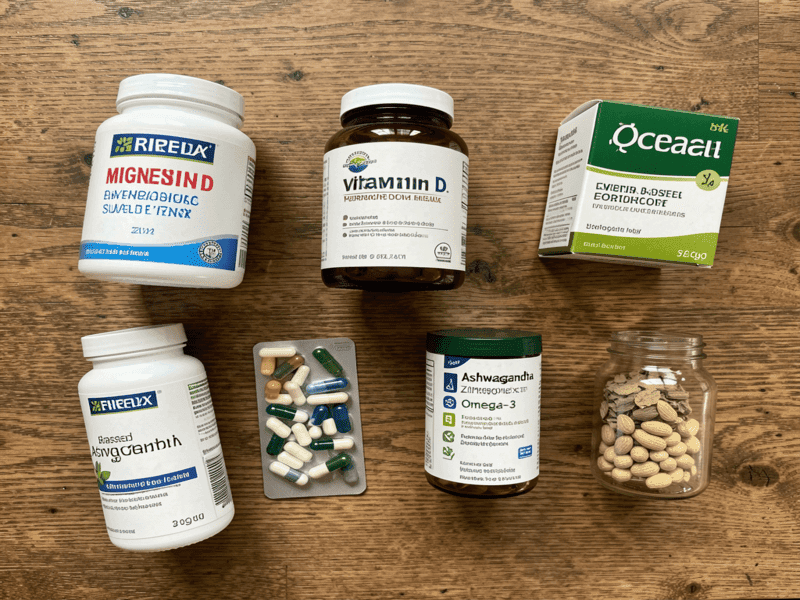
Even with a healthy diet and exercise, many Americans experience nutrient gaps or chronic stress that impede hormone regulation. Balance hormones supplements provide bioavailable nutrients and herbal compounds that directly support hormone synthesis, signaling, and metabolism.
How Chronic Stress Affects Hormones
Long-term stress activates the hypothalamic-pituitary-adrenal (HPA) axis, keeping cortisol high. Elevated cortisol disrupts insulin, thyroid, and reproductive hormones, causing fatigue, weight gain, and mood swings. Supplements like ashwagandha and magnesium can modulate the stress response and stabilize hormone function.
Nutrient Absorption and Digestive Health
Even nutrient-rich foods may not provide sufficient absorption due to gut inflammation, low stomach acid, or aging. Supplements formulated for bioavailability ensure nutrients reach the bloodstream, supporting hormone production effectively.
Age-Related Hormone Decline
Hormone production naturally decreases over time. Men gradually lose testosterone, while women experience perimenopause and menopause-related declines in estrogen and progesterone. Targeted balance hormones supplements can offset these declines, improving energy, mood, and metabolism.
Ignoring these factors often leads to persistent symptoms, making supplementation a strategic addition to a hormone-balancing lifestyle.
How Balance Hormones Supplements Work Naturally
Supporting Hormone Production
Hormones are built from nutrients:
- Cholesterol – precursor to sex hormones
- Magnesium – involved in 300+ enzymatic reactions related to energy and hormone metabolism
- Vitamin B6 and zinc – essential for progesterone and testosterone production
Providing these nutrients ensures the body can produce and regulate hormones efficiently.
Reducing Stress Load
Adaptogenic herbs like ashwagandha, rhodiola, and holy basil reduce cortisol and support adrenal health. Magnesium and B vitamins improve nervous system resilience, lowering the hormonal impact of stress.
Blood Sugar Regulation
Supplements like chromium, alpha-lipoic acid, and magnesium improve insulin sensitivity. Balanced blood sugar reduces energy crashes, sugar cravings, and hormonal stress, supporting metabolism.
Supporting Sleep and Recovery Hormones
Hormones like melatonin, cortisol, and growth hormone require quality sleep. Supplements such as magnesium, L-theanine, and ashwagandha promote relaxation and improve sleep, supporting hormone repair and recovery.
Supporting Hormone Elimination
Excess hormones, especially estrogen, need to be metabolized by the liver and eliminated via the digestive system. Fiber, antioxidants, and probiotics aid hormone clearance, helping maintain balanced levels and reproductive health.
Best Balance Hormones Supplements for Optimal Health
When it comes to supporting hormonal health, certain supplements have been extensively studied for their ability to regulate hormone production, reduce stress, and improve overall well-being. Incorporating these balance hormones supplements into your daily routine can help restore equilibrium and enhance energy, mood, sleep, and metabolic function.
Magnesium is one of the most essential minerals for hormone balance. It plays a critical role in regulating cortisol, the body’s primary stress hormone, helping to reduce feelings of anxiety and tension. Magnesium also supports sleep quality by promoting relaxation and assists with insulin and thyroid function, making it vital for stable energy levels and metabolism.
Vitamin D acts more like a hormone than a vitamin, influencing several hormonal systems in the body. It enhances insulin sensitivity, which helps regulate blood sugar and prevent energy crashes. Vitamin D also supports reproductive health and thyroid hormone function, making it a cornerstone supplement for overall hormonal balance, particularly for individuals with limited sun exposure, which is common in many parts of the U.S.
Omega-3 fatty acids, commonly found in fish oil, are powerful anti-inflammatory nutrients that help regulate hormones and support overall metabolic health. By reducing inflammation, omega-3s improve mood stability, promote cardiovascular health, and contribute to reproductive hormone balance. They are especially beneficial for those experiencing hormonal skin issues, PMS, or joint discomfort.
The adaptogenic herb ashwagandha is well known for its ability to lessen stress. It helps lower cortisol levels and improves the body’s resilience to stress, supporting both thyroid function and reproductive health. Ashwagandha also aids in improving energy, mental clarity, and sleep quality, making it a versatile supplement for hormone support.
Zinc is a vital mineral for both men and women, supporting testosterone production, thyroid function, immune health, and insulin regulation. Adequate zinc levels are essential for maintaining strength, reproductive health, and overall metabolic efficiency. Deficiency can lead to fatigue, poor immunity, and disrupted hormone signaling.
B-complex vitamins are critical for energy production and hormone metabolism. They support the nervous system, help the body convert food into usable energy, and contribute to the production and regulation of sex hormones. Vitamin B6, in particular, plays a role in progesterone balance and mood regulation, making B-complex supplements highly effective for stress and menstrual support.
Probiotics enhance gut health, which is closely connected to hormone regulation. A healthy gut improves estrogen metabolism, assists in the elimination of excess hormones, and supports overall endocrine function. Regular probiotic supplementation can help maintain balanced hormone levels while improving digestion and immune health.
By combining these carefully selected balance hormones supplements with a nutrient-rich diet, consistent sleep, regular exercise, and stress management techniques, you can optimize hormone health, reduce symptoms of imbalance, and support long-term well-being.
Supplements for Specific Hormonal Concerns
Stress and High Cortisol
- Essential Mineral: Magnesium
- Ashwagandha
- Vitamin B5
Blood Sugar and Insulin Support
- Chromium: Helps improve insulin sensitivity and supports stable blood sugar levels.
- Alpha-Lipoic Acid: A powerful antioxidant that aids glucose metabolism and reduces oxidative stress.
- Magnesium (Mineral Support): Essential for insulin regulation, energy production, and maintaining healthy blood sugar.
Female Hormone Support
- Vitamin B6: Supports progesterone production and helps regulate mood and menstrual cycles.
- Magnesium (Mineral Support): Crucial for balancing estrogen and progesterone, reducing PMS symptoms, and promoting relaxation.
- Omega-3 Fatty Acids: Anti-inflammatory fats that support hormone production, menstrual health, and brain function.
Male Hormone Support
- Zinc: Supports testosterone production, fertility, and overall reproductive health.
- Vitamin D: Helps regulate testosterone levels, bone health, and immune function.
- Omega-3 Fatty Acids: Promote healthy inflammation response, cardiovascular health, and hormone balance.
Tip: Targeted supplementation tailored to your needs maximizes benefits while preventing unnecessary nutrient intake.
Evidence-Based Research Supporting Balance Hormones Supplements
Scientific research consistently highlights the effectiveness of balance hormones supplements in supporting overall hormonal health, regulating stress, and improving sleep, mood, and metabolism. Below, we explore key supplements and the evidence behind their benefits:
Magnesium: Magnesium is a vital mineral involved in over 300 enzymatic reactions in the body, many of which are critical for hormone production and regulation. Clinical studies have shown that magnesium supplementation improves sleep quality, particularly in adults suffering from insomnia, by calming the nervous system and supporting melatonin production. Additionally, magnesium has been proven to reduce cortisol levels, the primary stress hormone, which often becomes chronically elevated in individuals with high-stress lifestyles common in the U.S. population. By stabilizing cortisol, magnesium helps reduce fatigue, improve energy levels, and support insulin and thyroid function—making it one of the most effective balance hormones supplements for adults seeking natural hormone regulation.
Vitamin D: Often referred to as the “sunshine vitamin,” vitamin D acts more like a hormone than a traditional vitamin. Research demonstrates that vitamin D supplementation enhances insulin sensitivity, which helps regulate blood sugar and prevent energy crashes, a common concern in individuals experiencing hormonal imbalance. Additionally, vitamin D plays a critical role in reproductive health by supporting estrogen, progesterone, and testosterone balance. Clinical trials have also linked adequate vitamin D levels with improved mood, cognitive function, and energy, particularly in individuals who are deficient due to limited sun exposure or indoor lifestyles. Regular supplementation with vitamin D is therefore a cornerstone strategy for achieving hormone balance naturally.
Omega-3 Fatty Acids: Omega-3s, primarily found in fish oil, are essential fatty acids with strong anti-inflammatory properties. Chronic inflammation can disrupt hormone signaling and impair endocrine function, contributing to symptoms like fatigue, mood swings, and insulin resistance. Evidence shows that omega-3 supplementation reduces inflammatory markers, improves insulin signaling, and positively influences cortisol regulation. Additionally, omega-3 fatty acids support reproductive hormone health, cardiovascular function, and brain health. For anyone aiming to optimize hormonal balance, omega-3s are a critical balance hormones supplement that addresses multiple underlying factors simultaneously.
Ashwagandha: Ashwagandha is a well-studied adaptogenic herb that helps the body cope with stress and supports adrenal function. Randomized clinical trials indicate that ashwagandha supplementation can reduce cortisol levels by an average of 28%, leading to measurable improvements in energy, sleep quality, and mood. Beyond cortisol regulation, ashwagandha has shown potential in supporting thyroid hormone function and balancing reproductive hormones, making it highly effective for both men and women experiencing stress-related hormonal disruption.
These studies collectively demonstrate that balance hormones supplements are not only safe but also effective in promoting overall endocrine health. When combined with supportive lifestyle habits—such as adequate sleep, a balanced diet, regular exercise, and stress management—these supplements can significantly improve energy, mood, metabolic function, and reproductive health. Incorporating magnesium, vitamin D, omega-3 fatty acids, and ashwagandha into a consistent daily regimen provides evidence-based support for natural hormone balance, helping individuals address common symptoms of hormonal imbalance safely and effectively.
Choosing the Right Supplements
When selecting supplements for hormonal balance, careful consideration ensures effectiveness and safety:
- Check labels for active ingredients and dosage: Look beyond marketing claims. Focus on the actual amounts of vitamins, minerals, or herbal extracts. Avoid products that don’t clearly list dosages.
- Choose bioavailable forms: Some forms of nutrients are absorbed better than others. For example, magnesium citrate is more readily absorbed than magnesium oxide, and methylated forms of B vitamins are often more effective for those with absorption issues.
- Avoid unnecessary fillers or artificial additives: Ingredients like artificial colors, sweeteners, or preservatives may trigger inflammation or digestive discomfort.
- Follow recommended daily ranges (unless advised otherwise by a healthcare provider):
- Magnesium: 200–400 mg/day
- Vitamin D: 1,000–4,000 IU/day
- Omega-3 fatty acids: 1–3 g/day
- Zinc: 8–11 mg/day
- Ashwagandha: 300–500 mg/day
- Consult a healthcare provider: Especially important if you are pregnant, breastfeeding, taking medications, or managing chronic conditions like diabetes, thyroid disorders, or autoimmune diseases. A professional can also check for interactions and recommend lab testing to personalize doses.
Pro Tip: Some supplements work synergistically—for example, vitamin D and magnesium together can enhance absorption and effectiveness.
Lifestyle Habits That Enhance Supplement Effectiveness

Supplements are most effective when coupled with supportive lifestyle habits:
- Consistent sleep: Aim for 7–9 hours nightly to allow hormones to repair and reset. Poor sleep increases cortisol and insulin resistance.
- Balanced diet: Emphasize whole foods rich in protein, fiber, healthy fats, and micronutrients. Stable blood sugar levels help regulate hormones like insulin, cortisol, and thyroid hormones.
- Regular exercise:
- Cardio: Improves insulin sensitivity and cardiovascular health.
- Strength training: Supports testosterone and growth hormone production, which are critical for muscle maintenance, metabolism, and energy.
- Stress management: Chronic stress spikes cortisol and disrupts other hormones. Techniques like meditation, yoga, deep breathing, journaling, or short nature walks can help normalize stress responses.
- Limit caffeine and sugar: Excess caffeine may increase cortisol, and high sugar intake can trigger insulin spikes, both of which can interfere with hormonal balance.
Pro Tip: Pairing supplements with meals that contain fat (for fat-soluble vitamins like D and omega-3s) improves absorption.
Common Mistakes to Avoid
Many people fail to see results because of simple but critical errors:
- Taking too many supplements at once: Overloading can stress the liver and digestive system, reducing effectiveness.
- Expecting immediate results: Hormonal balance is gradual; short-term improvements are possible, but full effects often take weeks.
- Ignoring foundational habits: Sleep, diet, exercise, and stress management are as important as supplements.
- Copying routines blindly: Individual nutrient needs vary; what works for one person may not work for another. Personalized adjustments are key.
Pro Tip: Keep a symptom notebook to track changes over time. This helps identify what works and what needs adjustment.
How Long Do Hormone-Balancing Supplements Take to Work?
Effects vary depending on the supplement, dosage, lifestyle habits, and individual physiology:
- Short-term (2–4 weeks):
- Improved sleep quality
- Reduced stress and anxiety
- Higher energy levels
- Fewer sugar cravings and mood swings
- Long-term (6–12 weeks):
- Stabilized menstrual cycles
- Balanced cortisol and stress response
- Improved metabolism and weight management
- Enhanced mood stability and mental clarity
Pro Tip: Reassess every 6–8 weeks with your healthcare provider. Lab testing can confirm whether nutrient levels are optimal and if adjustments are needed.
FAQ
 Q1.Can supplements balance hormones naturally?
 Q1.Can supplements balance hormones naturally?
Ans:Yes. When used correctly,balance hormones supplementscan support the body’s natural hormone production and regulation. Supplements like magnesium, vitamin D, omega-3 fatty acids, and ashwagandha provide essential nutrients and adaptogenic support that help stabilize cortisol, insulin, thyroid, and reproductive hormones. However, for best results, supplements should always be combined with healthy lifestyle habits, including adequate sleep, a balanced diet rich in protein and micronutrients, regular exercise, and stress management techniques.
Q2.Are hormone supplements safe for long-term use?Ans:Mostbalance hormones supplementsare safe when taken within recommended dosages. Magnesium, vitamin D, zinc, B-complex vitamins, omega-3s, and probiotics have been studied extensively and generally show good tolerability. Long-term use is safe for most healthy adults, but it’s important to monitor your intake and consult a healthcare professional if you are taking prescription medications, have chronic health conditions, or are pregnant or breastfeeding. Periodic lab tests, such as vitamin D levels or thyroid panels, can help ensure that your supplementation is both safe and effective.
Q3.Should supplements replace medical treatment for hormonal imbalances?
Ans:No.Balance hormones supplementsare supportive tools and should not replace professional medical care. Hormone-related conditions—such as hypothyroidism, polycystic ovary syndrome (PCOS), menopause, or adrenal dysfunction—require proper diagnosis and treatment from a licensed healthcare provider. Supplements work best as part of a comprehensive plan that includes medical evaluation, lifestyle changes, and, if necessary, prescribed treatments.
Q4. Can men and women take the same supplements?Ans:Somebalance hormones supplementsbenefit both men and women, such as magnesium, vitamin D, omega-3 fatty acids, and probiotics. However, certain nutrients require gender-specific dosing. For example, vitamin B6 can support progesterone balance in women, while zinc and vitamin D are critical for testosterone regulation in men. Tailoring supplementation to your individual hormonal needs ensures effectiveness and safety. A healthcare professional can help design a personalized supplementation plan. Q5. How soon will I see results from balance hormones supplements?
Ans:Short-term benefits ofbalance hormones supplements—such as improved sleep, reduced stress, better energy, and reduced cravings—often appear within 2–4 weeks. More significant improvements in hormone balance, including stabilized menstrual cycles, balanced cortisol, improved insulin sensitivity, and enhanced mood, typically require 6–12 weeks of consistent supplementation. Patience, consistency, and combining supplements with healthy lifestyle habits are key for achieving long-lasting hormonal balance.
Q6.Can supplements help with specific hormonal issues like stress or menopause?
Ans:Yes. Targetedbalance hormones supplementscan help address specific hormonal challenges. For example, ashwagandha and magnesium are particularly effective for stress-related cortisol imbalance, omega-3s and vitamin D support reproductive hormone health, and probiotics assist with estrogen metabolism. Combining these supplements with lifestyle strategies like stress management, sleep optimization, and a nutrient-rich diet enhances their effectiveness. Q7.How do I choose the right balance hormones supplements for me?
Ans:Choosing the right supplements involves considering your specific hormonal needs, lifestyle, diet, and medical history. Look for supplements that are third-party tested, include bioavailable forms of nutrients, and follow evidence-based dosages. Consulting a healthcare professional can help you identify deficiencies and select supplements tailored to your hormone profile, ensuring safety and maximum benefit.
Conclusion: Achieving Hormone Balance Naturally
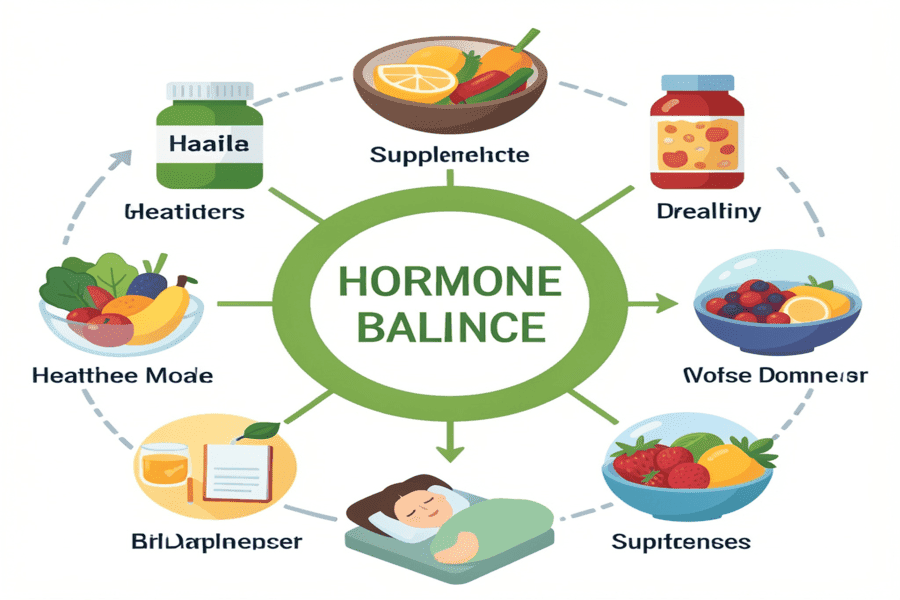
Using balance hormones supplements in combination with lifestyle habits such as consistent sleep, nutrient-rich diet, stress management, and regular exercise can restore energy, improve mood, enhance metabolism, and support overall well-being.
Consistency, evidence-based supplement selection, and realistic expectations are key. With patience, informed supplementation, and supportive lifestyle choices, achieving hormone balance is possible for all adults in the U.S.
Disclaimer
This guide is for educational purposes only and is not a substitute for professional medical advice. Before beginning any new supplement regimen, always get medical advice, particularly if you take prescription drugs or have underlying medical concerns.
Disclaimer
The health and nutrition tips, lifestyle advice, and wellness strategies shared in this article are for informational and educational purposes only. These tips are not intended to diagnose, treat, or cure any medical condition. Because individual health needs, fitness levels, and dietary requirements vary, we strongly recommend consulting a healthcare professional or registered dietitian before making significant changes to your diet, exercise routine, or supplement intake. Always listen to your body and seek professional guidance for specific health concerns.
You Might Also Like