Home Remedies for Fever Blisters on Lips (2026 Guide)
Home Remedies for Fever Blisters on Lips
Introduction
Fever blisters on lips, also known as cold sores, are small but painful fluid-filled blisters that usually appear around the lips or mouth. These fever blisters on lips are caused by the herpes simplex virus type 1 (HSV-1) and often return during times of stress, illness, or a weakened immune system. Although fever blisters on lips are common, they can be uncomfortable, irritating, and sometimes embarrassing.
In 2026, more people are turning toward home remedies for fever blisters on lips because they provide a natural, affordable, and gentle way to manage symptoms. When used at the right time, natural treatments can help reduce pain, calm inflammation, speed up healing, and lower the chances of frequent outbreaks—without relying solely on prescription medication.
This comprehensive guide to natural cold sore treatment covers everything you need to know about fever blisters on lips, including what causes them, early warning signs, and the most effective home remedies that support faster recovery and healthier lips.
What Are Fever Blisters on Lips?
Fever blisters on lips, commonly known as cold sores, are small, painful blisters that appear on or around the lips. The herpes simplex virus type 1 (HSV-1), which remains in the body for life, is the cause of them. Understanding fever blisters on lips and how they develop can help you manage outbreaks naturally and prevent future occurrences.
Early Signs of Fever Blisters on Lips
Before fever blisters on lips fully appear, you might notice:
Advertisement
Tingling or itching on the lips
Redness or swelling in the affected area
A burning or tight sensation around the mouth
Recognizing these early signs is crucial, as early treatment can shorten healing time and reduce discomfort.
How Fever Blisters on Lips Develop
1. Tingling Stage: The first sign of fever blisters on lips is often a slight tingling or burning sensation.
2. Blister Formation: Small fluid-filled blisters appear on the lips.
3. Oozing Stage: Blisters may burst, releasing fluid that can spread the virus.
4. Crusting Stage: A crust forms as the blisters begin to heal, usually within 7–10 days.
Are Fever Blisters on Lips Contagious?
Yes, fever blisters on lips are highly contagious, especially when the blisters are open or oozing. The virus spreads through:
Kissing or close contact
Sharing utensils, lip balm, or towels
Touching the blister and then touching other parts of the body
Always practice good hygiene to prevent spreading HSV-1.
Who Gets Fever Blisters on Lips?
Most people contract HSV-1 in childhood, often through close contact. Individuals with weakened immunity, high stress, or frequent illnesses are more likely to experience outbreaks. Recurrence is common because the virus remains dormant in the nerves and can reactivate, causing fever blisters on lips to appear repeatedly.
Recommended for You
What Causes Fever Blisters on Lips?
Fever blisters on lips are caused by the herpes simplex virus type 1 (HSV-1). Once this virus enters the body, it stays dormant in the nerve cells and can reactivate later due to certain triggers. Understanding these causes and triggers helps in preventing outbreaks and managing symptoms naturally.
Herpes Simplex Virus (HSV-1)
HSV-1 is the primary virus responsible for fever blisters.
It spreads through direct contact like kissing, sharing utensils, or personal items.
Once infected, the virus remains in the body for life and can reactivate anytime.
Weakened Immune System
People with a weakened immune system are more prone to outbreaks.
Causes of low immunity include stress, illness, chronic conditions, or lack of sleep.
Strengthening immunity naturally can reduce the frequency of cold sore outbreaks.
Stress and Fatigue
Emotional stress and physical exhaustion are major triggers.
Stress causes hormonal changes that can reactivate dormant HSV-1
- Flare-ups can be avoided with relaxation methods and adequate sleep.
Fever or Illness
Fever, flu, or other infections can trigger cold sores.
The body under stress or infection sends signals that awaken the dormant virus.
Taking care of overall health is key to reducing outbreaks.
Sun Exposure
Excessive sunlight can trigger fever blisters in sensitive individuals.
UV rays can damage skin and weaken local immunity, allowing HSV-1 to activate.
Using SPF lip balm can protect lips and prevent outbreaks.
Hormonal Changes
Hormonal fluctuations, especially during menstruation, pregnancy, or menopause, may trigger fever blisters.
Many women notice outbreaks around periods or hormonal shifts.
Early Symptoms of Fever Blisters on Lips
Fever blisters on lips don’t appear instantly. Usually, the outbreak starts with mild warning signs before the blisters form. Recognizing these early symptoms can help start treatment sooner, reduce pain, and speed up healing.
Tingling or Itching Sensation
The first sign is often a tingling or itchy feeling around the lips.
This stage is called the prodrome stage and occurs 1–2 days before blisters appear.
Early application of home remedies at this stage can shorten healing time.
Redness and Swelling
Affected areas may show redness or slight swelling.
The skin may feel tight or warm to the touch.
Applying cool compresses or aloe vera can reduce discomfort at this stage.
Small Fluid-Filled Blisters
Tiny blisters filled with clear fluid start forming in clusters.
These blisters are painful and contagious, especially if they burst.
Avoid touching or popping them to prevent spreading the virus.
Burning or Pain
Pain or burning is common once blisters fully develop.
This may make eating, drinking, or speaking uncomfortable.
Home remedies like ice compress, honey, or coconut oil help soothe pain naturally.
Crusting and Healing
Within a few days, blisters may break and form a crust.
The crust eventually falls off, revealing healed skin underneath.
Moisturizing with lip-safe remedies prevents cracking and irritation.
Home Remedies for Fever Blisters on Lips
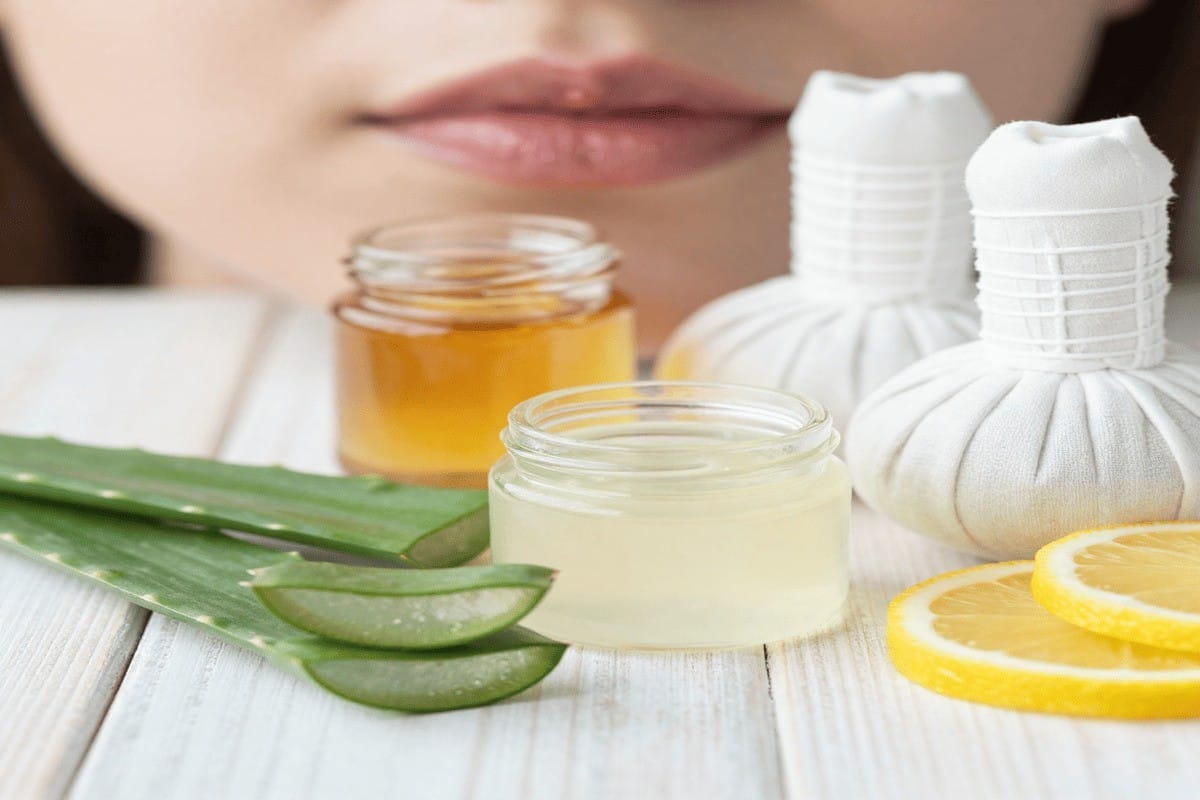
Using home remedies can help reduce pain, calm inflammation, speed up healing, and prevent frequent outbreaks. These natural treatments are safe, affordable, and easy to use at home.
1. Ice Compress
Benefits:
Reduces pain, swelling, and redness instantly
Numbs the affected area to relieve burning sensation
How to Use:
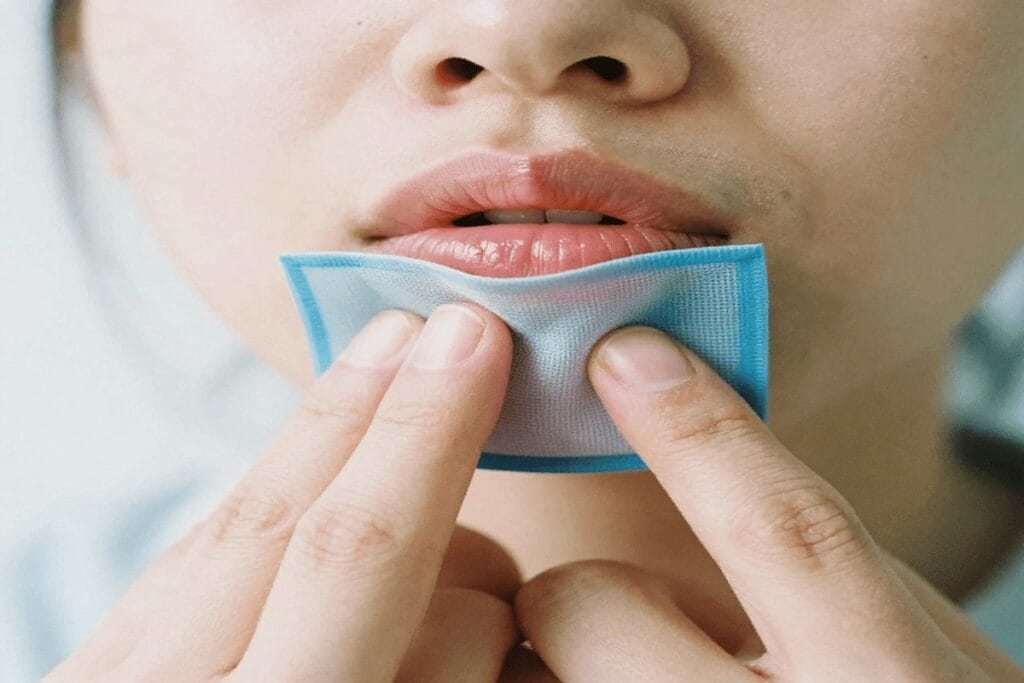
Wrap an ice cube in a clean cloth.
Apply to the blistered area for 10–15 minutes.
Repeat 2–3 times daily.
Ice compresses work best in the early tingling stage to slow blister formation.
2. Aloe Vera Gel
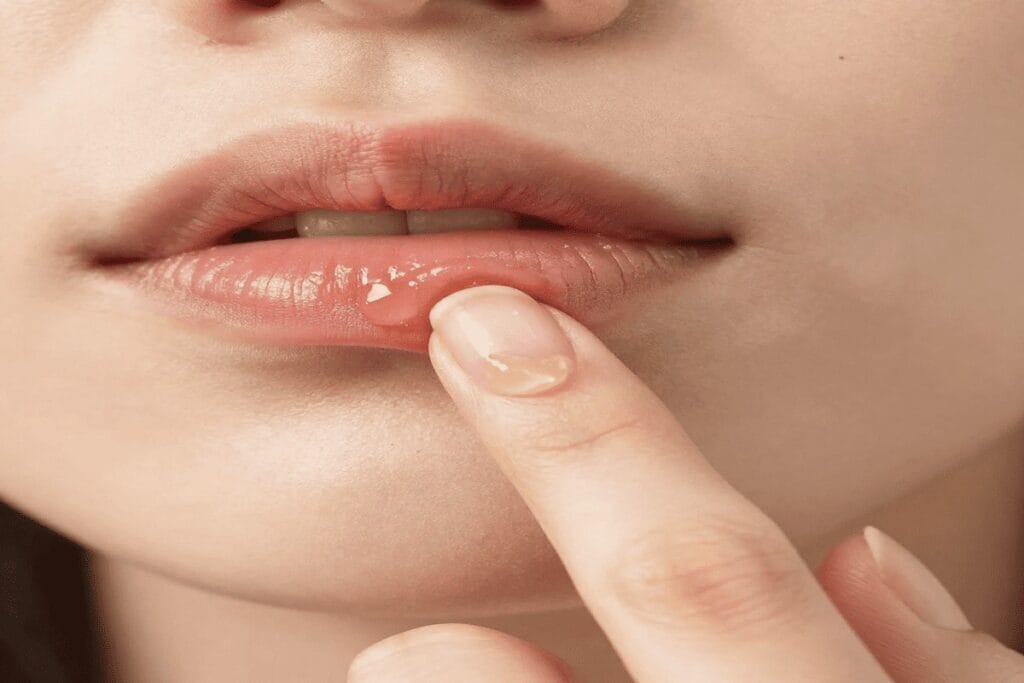
Benefits:
Natural anti-inflammatory and antiviral properties
Promotes faster healing of blisters
How to Use:
Extract fresh aloe vera gel from the plant.
Three to four times a day, gently apply to the afflicted area.
Leave on for 15–20 minutes before gently rinsing.
3. Lemon Balm (Melissa officinalis)
Benefits:
Reduces severity and duration of outbreaks
Contains antiviral compounds that fight HSV-1
How to Use:
Apply lemon balm cream or diluted extract to the lips.
Repeat 2–3 times daily until healed.
Best applied at the first tingling or redness stage.
4. Raw Honey
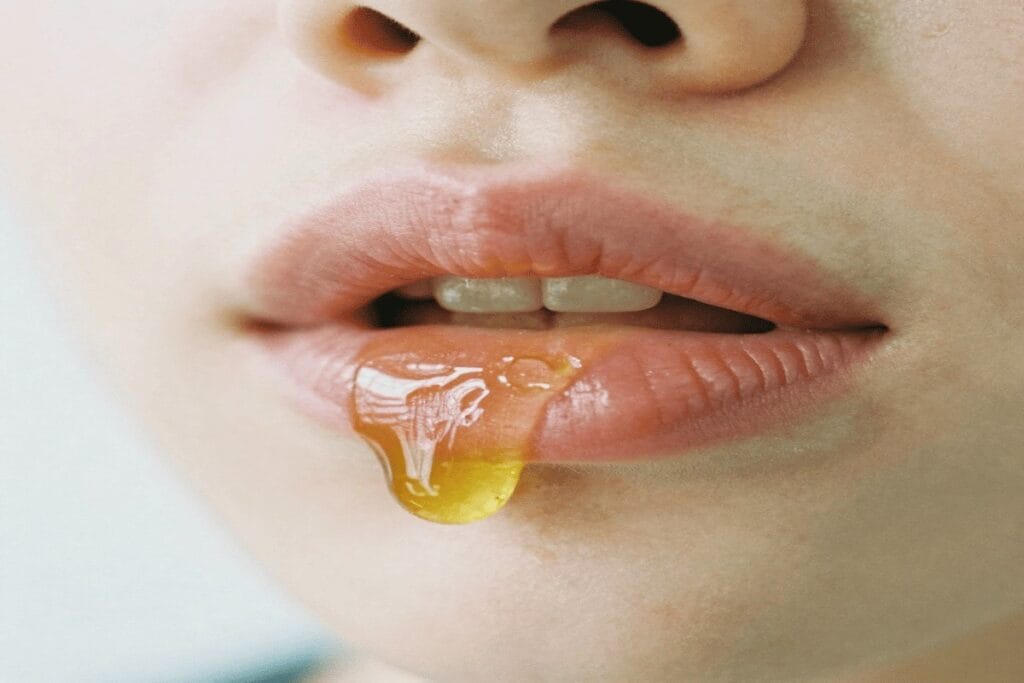
Benefits:
Antiviral and antibacterial properties
Moisturizes lips and reduces irritation
How to Use:
Dab a thin layer of raw honey on the blisters.
After 20 minutes, rinse with warm water.
Repeat 2–3 times daily.
5. Coconut Oil
Benefits:
Soothes dryness and cracking
Helps prevent secondary infection
How to Use:
Apply a small amount of coconut oil to the blisters.
Use 2–3 times daily or as needed for comfort.
6. Tea Tree Oil (Diluted)
Benefits:
Natural antiviral and antibacterial effects
Helps dry out blisters and reduce inflammation
How to Use:
Use a carrier oil, such as coconut oil, to dilute a few drops of tea tree oil.
Once or twice a day, gently apply to the afflicted area.
⚠️ Avoid using undiluted oil directly on lips to prevent irritation.
7. Witch Hazel
Benefits:
Astringent properties help dry blisters
Reduces swelling and discomfort
How to Use:
Soak a cotton ball with witch hazel.
Dab gently on the blistered area 1–2 times daily.
8. Lysine Lip Balm
Benefits:
Lysine suppresses HSV-1 replication
Can prevent outbreaks and speed healing
How to Use:
Apply lysine-enriched lip balm several times a day, especially at the first sign of tingling.
9. Salt
Benefits:
Helps dry out blisters naturally
Mild antibacterial effect
How to Use:
Wet the blister slightly with water.
Sprinkle a small amount of salt on it.
Leave for a few minutes, then rinse off.
Repeat 1–2 times daily.
10. Peppermint Oil (Diluted)
Benefits:
Reduces irritation and pain
Antiviral properties fight HSV-1
How to Use:
Dilute peppermint oil with a carrier oil.
Apply gently to blisters 1–2 times daily.
11. Zinc Supplements or Foods
Benefits:
Boosts immunity
May reduce outbreak frequency and support faster healing
How to Use:
Take zinc supplements as per doctor’s recommendation.
Include zinc-rich foods like nuts, seeds, and oysters in your diet.
How to Use Home Remedies Safely on Lips
Using home remedies for fever blisters on lips can be very effective, but it’s important to apply them safely to avoid irritation or infection. Here are practical tips and precautions.
Keep the Area Clean
Wash your hands thoroughly before touching blisters.
Clean the affected area gently with lukewarm water before applying any remedy.
Avoid harsh soaps or chemicals that can irritate the lips.
Avoid Direct Contact
Do not share utensils, lip balm, towels, or cups while blisters are active.
This prevents spreading the herpes virus to others or to other areas of your own body.
Apply Remedies Gently
Use a cotton swab or clean fingers when applying gels, oils, or balms.
Avoid rubbing or scratching the blistered area.
Gentle application ensures the blister heals faster without reopening.
Dilute Strong Oils
Essential oils like tea tree oil or peppermint oil must be diluted with a carrier oil.
Undiluted oils can burn or irritate sensitive lip skin.
Use 2–3 drops of essential oil per teaspoon of carrier oil as a safe ratio.
Don’t Pick or Pop Blisters
Popping blisters can spread the virus, slow healing, and lead to scarring.
Let blisters crust and heal naturally.
Apply Remedies at the Right Stage
Early stage (tingling or redness): Ice compress, lemon balm, or lysine balm
Blister stage: Aloe vera, honey, coconut oil
Crusting stage: Moisturizing oils and gentle care
Correct timing maximizes effectiveness of home remedies.
What to Avoid During a Fever Blister Outbreak
Knowing what to avoid during a fever blister outbreak is just as important as using home remedies. Certain habits and triggers can worsen symptoms, delay healing, and increase the risk of spreading the virus.
Don’t Touch or Pop Blisters
Popping or scratching blisters can spread the virus to other parts of the body or to other people.
Touching blisters frequently can cause secondary infections.
Always wash your hands if you accidentally touch the area.
Avoid Sharing Personal Items
Do not share lip balm, cups, utensils, towels, or razors.
Fever blisters are highly contagious, especially during the blister stage.
Limit Sun Exposure
UV rays can trigger or worsen cold sores.
Avoid prolonged sun exposure and use SPF lip balm to protect your lips.
Avoid Spicy, Acidic, or Salty Foods
Foods like citrus fruits, tomatoes, or very spicy dishes can irritate blisters.
Stick to soft, mild foods until blisters heal.
Don’t Ignore Early Symptoms
Tingling or itching should not be ignored.
Applying remedies late can increase discomfort and healing time.
How Long Do Fever Blisters Take to Heal?
The healing time of fever blisters on lips depends on the severity of the outbreak and how early treatment begins. Understanding the timeline helps manage expectations and care properly.
Typical Healing Timeline
Mild Outbreaks: 5–7 days
Moderate Outbreaks: 7–10 days
Severe Outbreaks: 10–14 days
Using home remedies early can reduce healing time by 1–3 days.
Stages of Healing
Tingling Stage (1–2 days): Early warning signs like itching and burning
Blister Formation (2–3 days): Small fluid-filled blisters appear
Oozing Stage (1–2 days): Blisters may break, spreading the virus
Crusting Stage (2–3 days): Blisters dry and form a protective crust
Healing Stage (1–2 days): Crust falls off and skin fully recovers
Factors Affecting Healing Time
Early treatment with home remedies
Strength of immune system
Presence of secondary infections
Avoiding triggers like stress, sun exposure, and irritation
People with strong immunity and early care usually heal faster and experience less pain
How to Prevent Fever Blisters on Lips in the Future
Preventing fever blisters on lips is just as important as treating them. By understanding common triggers and practicing daily protective habits, you can reduce outbreaks and keep your lips healthy naturally.
Use SPF Lip Balm Daily
UV rays can trigger fever blisters on lips.
Apply a lip balm with SPF 15 or higher whenever you go outdoors.
Reapply every 2–3 hours for maximum protection.
Strengthen Your Immune System
A strong immune system helps prevent fever blisters on lips from recurring.
Eat a balanced diet rich in vitamins and minerals, including zinc, vitamin C, and lysine.
Regular exercise and adequate sleep also help your body fight HSV-1 reactivation.
Manage Stress Effectively
Stress is a major trigger for fever blisters on lips.
Practice meditation, deep breathing, yoga, or light exercises to reduce stress.
Maintaining a healthy work-life balance can lower the frequency of outbreaks.
Avoid Known Triggers
Keep track of foods, drinks, or activities that trigger fever blisters on lips. Common triggers include:
Excessive sun exposure
Hormonal changes
Fatigue
Fever or illness
Maintain Good Lip Hygiene
Good hygiene reduces the risk of spreading fever blisters on lips.
Avoid sharing lip balm, utensils, towels, or cups.
Keep lips clean and moisturized using natural remedies like aloe vera or coconut oil.
Early Treatment During Tingling Stage
Start home remedies at the first sign of tingling or burning on your lips. Early intervention can prevent full-blown fever blisters on lips and shorten healing time.
When to See a Doctor for Fever Blisters on Lips
Most fever blisters on lips can be managed at home with natural remedies and preventive care. However, seek medical attention if any of the following occur:
Blisters Last Longer Than 2 Weeks
Typical fever blisters on lips heal within 7–10 days. If blisters persist beyond 2 weeks, consult a doctor to rule out secondary infections or other conditions.
Severe Pain or Discomfort
While home remedies reduce mild pain, intense or worsening pain from fever blisters on lips requires professional evaluation. Prescription antiviral creams or medications may be recommended.
Frequent or Severe Outbreaks
If you experience more than six outbreaks per year or unusually severe episodes of fever blisters on lips, a doctor can:
Prescribe antiviral therapy
Offer advice to reduce recurrence
Check for underlying immune issues
Fever or Systemic Symptoms
Seek immediate medical care if fever, swollen lymph nodes, or body aches accompany fever blisters on lips, as this may indicate the virus is affecting your body more broadly.
Compromised Immune System
People with HIV, cancer, diabetes, or other immune disorders should consult a doctor at the first sign of fever blisters on lips. Early treatment prevents serious complications.
Frequently Asked Questions About Fever Blisters on Lips
Q1. What are fever blisters on lips?
Fever blisters, sometimes referred to as cold sores, are tiny, fluid-filled blisters that usually develop on or around the lips. They are extremely contagious and are brought on by the herpes simplex virus, typically HSV-1.
Q2. How do you get fever blisters on your lips?
Fever blisters spread through direct contact with an infected person, such as kissing, sharing utensils, lip balm, or towels. The virus can also be triggered by stress, illness, hormonal changes, or sun exposure.
Q3. What are the early symptoms of a fever blister?
Before a blister forms, you may notice:
Tingling, itching, or burning sensation on the lips or around the mouth
Redness or swelling
Mild pain or discomfort
Q4. How long do fever blisters last?
Fever blisters usually go through stages: tingling → blister formation → crusting → healing. Most heal within 7–10 days without leaving scars, though the virus remains in your body and can reactivate later.
Q5. Are fever blisters contagious?
Yes, fever blisters are highly contagious, especially during the blister and early crusting stages. Avoid direct contact with others, sharing utensils, or touching the sore to prevent spreading.
Q6. Can fever blisters be treated at home?
Yes, mild cases can be managed with home remedies and over-the-counter creams. Common approaches include:
Applying antiviral ointments or creams
Using cold compresses to reduce swelling
Keeping lips moisturized to prevent cracking
Q7. When should I see a doctor?
Consult a healthcare provider if:
The blisters are severe or frequent
You have a weakened immune system
Fever or other symptoms develop
The sores do not heal within two weeks
Q8. Can fever blisters be prevented?
While you can’t completely eliminate the virus, you can reduce outbreaks by:
Avoiding direct contact with infected individuals
Managing stress and fatigue
Using lip balm with SPF when exposed to sunlight
Keeping up a robust immune system by leading a healthy lifestyle
Q9. Are there medications to prevent or treat fever blisters?
Yes. Doctors may prescribe antiviral medications such as acyclovir, valacyclovir, or famciclovir for frequent or severe outbreaks. Over-the-counter creams and ointments can help relieve pain and speed healing.
Q10. Do fever blisters indicate a serious condition?
For most healthy adults, fever blisters are uncomfortable but not dangerous. However, in people with weakened immune systems, babies, or pregnant women, complications can occur, so medical attention is important.
Conclusion
Fever blisters on lips are a common and contagious condition caused by the herpes simplex virus. While they can be uncomfortable and unsightly, most cases are mild and heal on their own within a week or two. Understanding the early signs, causes, and safe home remedies can help you manage outbreaks effectively and reduce discomfort.
Prevention is key: avoid direct contact with infected individuals, maintain good hygiene, manage stress, and protect your lips from excessive sun exposure. For frequent or severe outbreaks, antiviral treatments and consulting a healthcare provider can provide faster relief and prevent complications.
By staying informed and taking proper care, you can minimize the impact of fever blisters on your daily life and promote faster healing.
Disclaimer
The information provided in this article is for general knowledge and educational purposes only. It is not a substitute for professional medical, dermatological, or nutritional advice—always consult a qualified healthcare provider for personalized guidance.
You Might Also Like