27 Health and Nutrition Tips 2026 for Better Wellness
Healthy Eating & Nutrition Tips 2026 for Energy and Immunity

Introduction
Health and Nutrition Tips 2026 are essential for maintaining energy, boosting immunity, and supporting long-term wellness. In today’s fast-paced world, rising rates of lifestyle diseases, processed foods, and chronic stress make it more important than ever to adopt science-backed health and nutrition habits in 2026 that actually work.
This guide brings together the latest evidence-based Health and Nutrition Tips 2026 on nutrition, physical activity, hydration, sleep, stress management, and preventive care into practical, everyday steps. By following these tips, you can enhance energy, improve mental clarity, and elevate your overall quality of life—without restrictive diets or quick-fix solutions.
Health and Nutrition Advice 2026: Essentials of Nutrition and Healthful Eating
A strong foundation in healthy eating is essential for implementing effective Health and Nutrition Tips 2026. By focusing on nutrient-dense foods, balanced macronutrients, and natural ingredients, you can boost energy, support your immune system, and reduce the risk of chronic diseases. These science-backed strategies are simple, practical, and highly effective for long-term wellness.
1. Base Your Meals on High-Fiber Carbohydrates
Advertisement
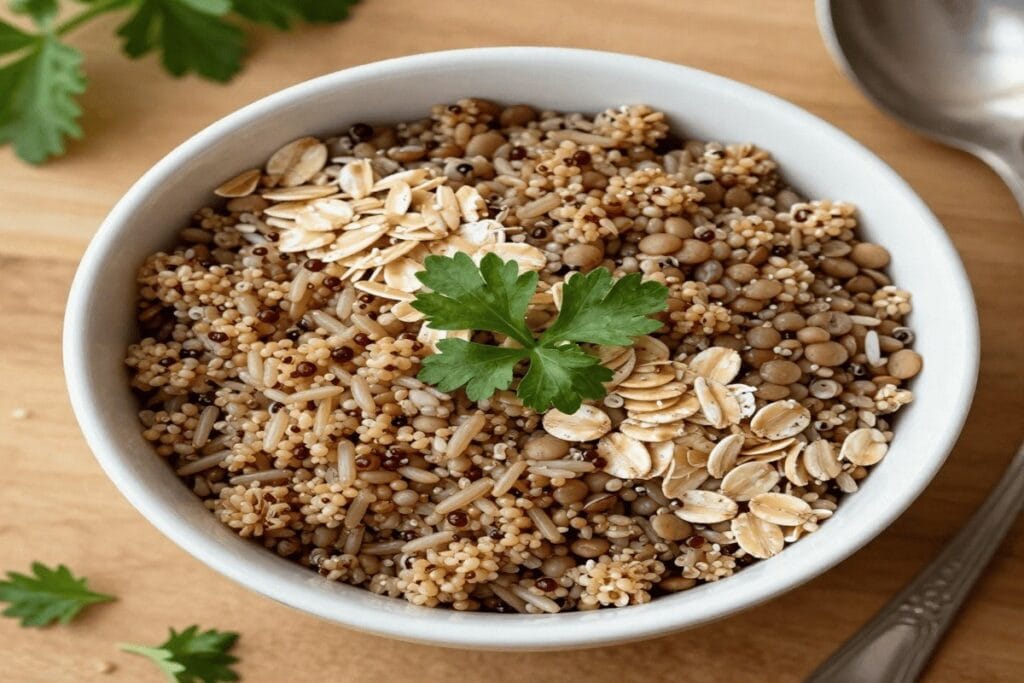
High-fiber carbohydrates are crucial for digestive health, blood sugar control, and heart health. Whole grains like oats, brown rice, quinoa, barley, and whole-wheat bread provide sustained energy while slowing digestion and keeping you full longer.
Practical ways to include fiber:
Mix quinoa and lentil salads for a nutrient-packed lunch.
Add oats, chia seeds, or flaxseed to smoothies and breakfast bowls.
Swap white rice for brown rice or barley in stir-fries and casseroles.
Pro tip: Aim for 25–30 grams of fiber daily to support digestion, lower cholesterol, and reduce cardiovascular risk.
2. Eat Plenty of Fruits and Vegetables Daily

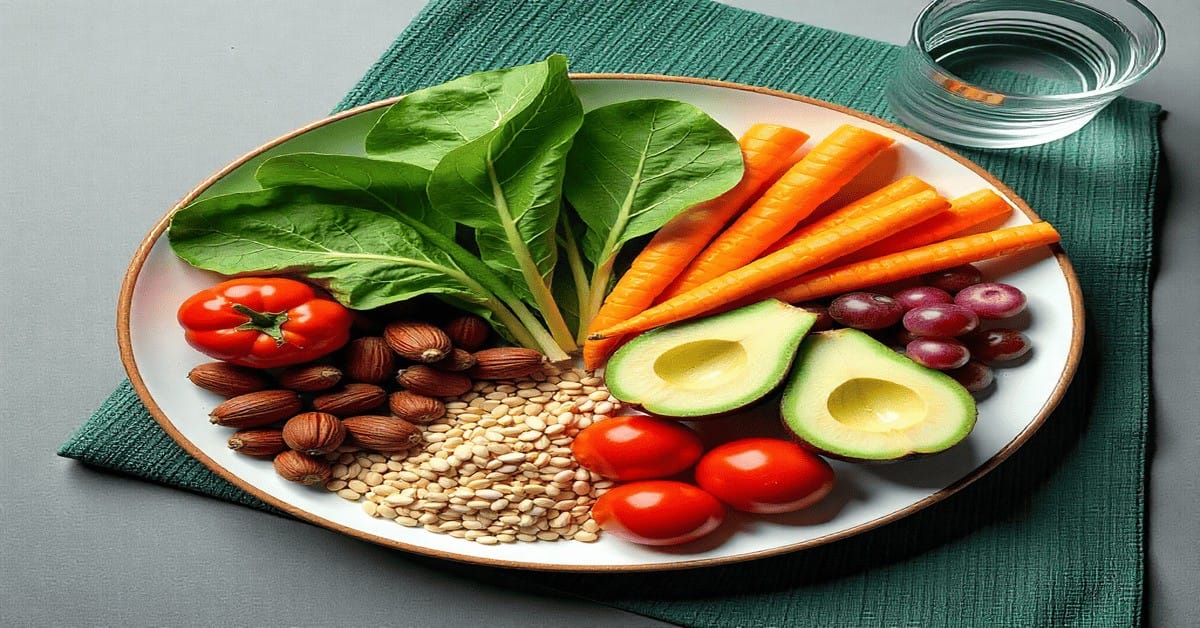
Fruits and vegetables are loaded with vitamins, minerals, antioxidants, and phytonutrients that protect against inflammation, oxidative stress, and chronic diseases. Eating a colorful variety ensures you receive a wide range of nutrients:
Recommended for You
Red: tomatoes, red peppers – high in lycopene
Orange/Yellow: carrots, sweet potatoes – rich in beta-carotene
Green: spinach, broccoli, kale – loaded with folate and vitamin K
Blue/Purple: blueberries, eggplant – packed with anthocyanins
Practical tips:
Blend vegetables into smoothies or stir into omelets.
Roast vegetables as side dishes or include them in soups.
Keep fresh fruit accessible for snacks instead of candy.
Pro tip: Eating a rainbow of fruits and vegetables daily is one of the most effective steps in applying Health and Nutrition Tips 2026.
3. Choose Adequate Protein from Healthy Sources

Protein is vital for muscle maintenance, metabolism, satiety, and blood sugar stability. Include a variety of lean proteins:
Animal sources: fish, chicken, turkey, eggs
Plant-based sources: legumes, lentils, chickpeas, tofu, nuts, and seeds
Tips for vegetarians and vegans:
Combine legumes with whole grains for a complete amino acid profile.
Include protein in every meal, especially breakfast, to maintain energy and fullness throughout the day.
Pro tip: Aim for 20–30 grams of protein per meal, using a mix of plant and animal sources when possible. Protein is a key pillar in sustainable Health and Nutrition Tips 2026.
4. Include Healthy Fats
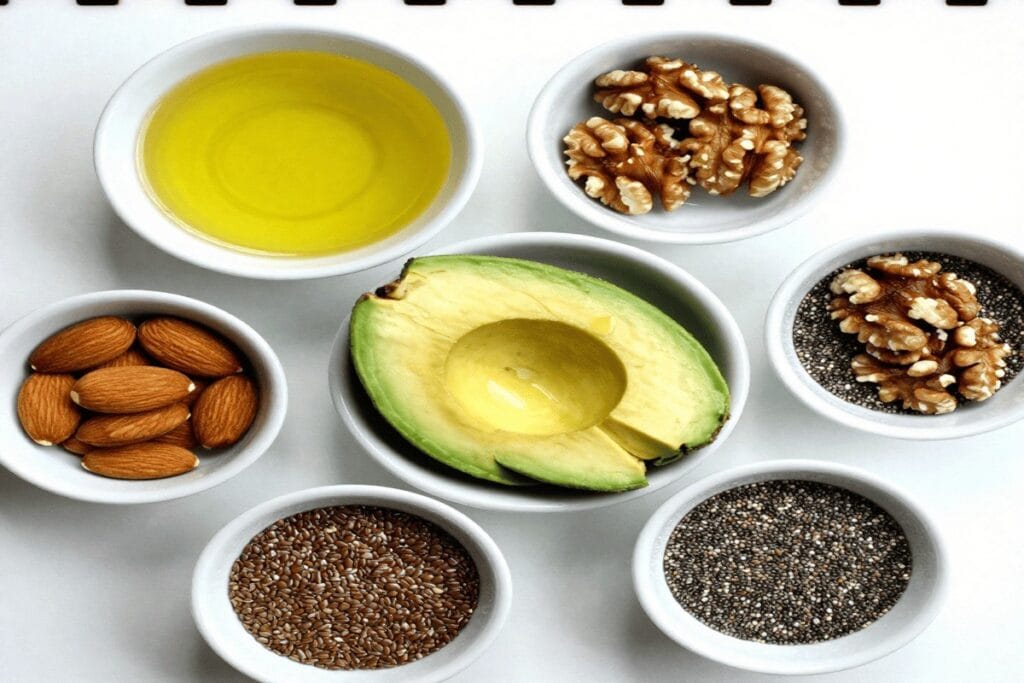
Good fats lower inflammation, promote hormone production, and enhance cognitive function. Include sources like extra-virgin olive oil, nuts, seeds, and avocados, which also improve nutrient absorption from vegetables and fruits.
Practical ways to include healthy fats:
Drizzle olive oil over roasted or steamed vegetables.
Add chia, flax, or hemp seeds to smoothies, oatmeal, or salads.
Eat a tiny handful of pistachios, walnuts, or almonds as a snack.
Tip: Avoid excessive saturated fats, but healthy fats are essential for long-term wellness and a cornerstone of Health and Nutrition Tips 2026.
5. Eat Fatty Fish Twice a Week
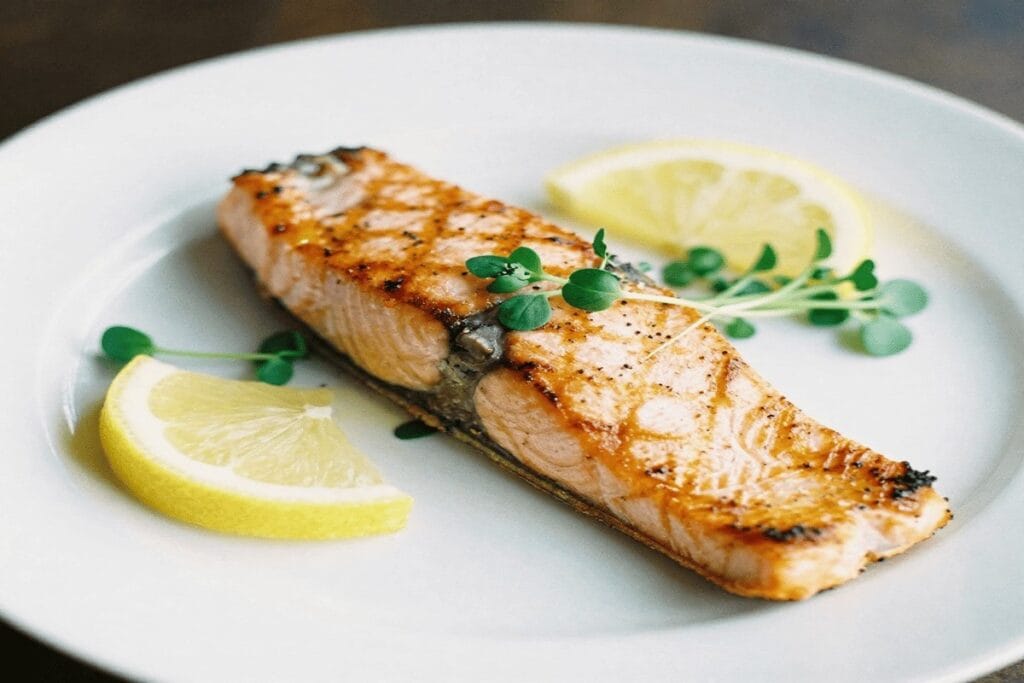
Fatty fish like salmon, sardines, and mackerel are rich in omega-3 fatty acids, which support heart, brain, and joint health. Omega-3s reduce inflammation, support cognitive function, and may lower the risk of cardiovascular disease.
Serving suggestions:
Aim for two 3–4 oz servings per week.
If you don’t eat fish, consider plant-based omega-3 supplements, like algal oil.
Read more about omega-3 benefits at Harvard Health.
6. Avoid Ultra-Processed Foods

Ultra-processed foods are high in added sugar, sodium, and unhealthy fats, contributing to obesity, diabetes, and heart disease. Focus on whole, minimally processed foods:
Swap packaged snacks for fresh fruit, nuts, or seeds.
Replace instant noodles with whole grains and vegetables.
Make homemade sauces and dressings to control ingredients and sugar content.
Pro tip: Cooking at home is one of the most effective Health and Nutrition Tips 2026 strategies to maintain control over nutrition and portion sizes.
7. Limit Refined Carbs and Added Sugars

Refined carbohydrates like white bread, pastries, sugary cereals, and sweets can lead to energy crashes and long-term metabolic issues. Replace them with:
Whole grains: oats, brown rice, whole-wheat bread
Natural sweeteners: honey, dates, or maple syrup in moderation
Fruit-based snacks: fresh fruit or smoothies instead of candy
Tip: Reading nutrition labels helps identify hidden sugars and strengthens adherence to Health and Nutrition Tips 2026.
8. Use Herbs and Spices Instead of Excess Salt
Excess sodium raises blood pressure and increases heart disease risk. Herbs and spices enhance flavor naturally without the health risks.
Italian herbs: basil, oregano, thyme, rosemary, parsley
Asian spices: turmeric, cumin, coriander, ginger
Flavor enhancers: garlic, chili, lemon, or lime
Practical tip: Experiment with spice blends to reduce salt while enhancing the natural flavors of your meals.
For additional antioxidant support and skin benefits, check out our article on Best Vitamin C Serum (2025).
Health and Nutrition Tips 2026: Sugar, Salt & Fat Control
Managing sugar, salt, and fat intake is a critical step in implementing effective Health and Nutrition Tips 2026. These dietary factors directly affect blood pressure, cholesterol levels, weight management, and the risk of chronic diseases such as diabetes, heart disease, and obesity. By making small, consistent changes and choosing nutrient-dense alternatives, you can significantly improve long-term heart, liver, and metabolic health while maintaining energy and wellness.
9. Limit Sugary Drinks and Sweets
Sugary drinks—including sodas, energy drinks, sweetened teas, and coffee beverages—are among the largest sources of added sugar in the modern diet. These beverages cause rapid blood sugar spikes, contribute to weight gain, increase the risk of type 2 diabetes, and can even impact mental clarity and energy stability.
Tips to reduce sugar intake:
Replace sodas with sparkling water, herbal tea, or infused water with lemon, cucumber, or berries.
Opt for unsweetened coffee or tea instead of sugar-laden drinks.
Limit desserts to occasional treats rather than daily consumption.
Swap candy and chocolate bars for fruit, yogurt with fresh berries, or small amounts of dark chocolate.
Pro tip: Use fruit or small amounts of natural sweeteners like honey, dates, or maple syrup to satisfy sweet cravings in a healthier way. Gradually reducing sugar helps retrain your taste buds over time.
10. Reduce Saturated and Trans Fats

Saturated fats (found in butter, fatty meats, and full-fat dairy) and artificial trans fats (found in margarine, packaged snacks, and fried foods) increase LDL (“bad”) cholesterol and elevate cardiovascular risk. They may also promote systemic inflammation and weight gain when consumed in excess.
Healthy fat alternatives:
Cook with olive oil, avocado oil, or coconut oil in moderation.
Snack on nuts and seeds, which provide heart-healthy monounsaturated and polyunsaturated fats.
Include fatty fish like salmon, sardines, or mackerel at least twice a week for omega-3 fatty acids.
Incorporate small portions of avocado or nut butters into meals or snacks.
Pro tip: Always check nutrition labels for trans fats; even small amounts can accumulate over time. Choosing foods with healthy fats not only improves heart health but also helps absorb fat-soluble vitamins from vegetables and fruits.
Learn more about heart-healthy fats and lifestyle strategies at the American Heart Association.
11. Consume Less Salt (Under 6g/Day)
In addition to increasing blood pressure, too much sodium also elevates the risk of heart disease and stroke. Since most processed and restaurant foods are already high in salt, managing intake at home is essential for long-term wellness.
Strategies to reduce sodium:
Cook at home using fresh, whole ingredients whenever possible.
Replace salt with herbs, spices, garlic, and citrus juices for flavor.
Limit processed foods such as canned soups, frozen meals, deli meats, and packaged sauces.
Rinse canned vegetables, beans, or legumes to remove excess sodium.
Pro tip: Taste your food before adding salt—natural seasonings often provide enough flavor. Gradually lowering salt intake also improves your sensitivity to subtle natural flavors.
12. Avoid Artificial Trans Fats
Artificial trans fats are present in margarines, packaged snacks, baked goods, and fast food. They are extremely harmful because they:
Raise LDL (bad) cholesterol
Lower HDL (good) cholesterol
Increase the risk of heart disease, stroke, inflammation, and insulin resistance
Practical advice:
Read ingredient lists carefully for “partially hydrogenated oils.”
Choose snacks and baked goods labeled 0g trans fat.
Focus on whole, minimally processed foods, which naturally contain healthy fats and are free from harmful trans fats.
13. Avoid Overcooking or Charring Meats

Cooking meats at very high temperatures—grilling over flames or pan-frying until charred—creates heterocyclic amines (HCAs) and polycyclic aromatic hydrocarbons (PAHs), compounds linked to increased cancer risk.
Safer cooking methods:
Bake, steam, poach, or lightly grill meats instead of charring them.
Marinate meats with herbs, citrus, or vinegar to reduce harmful compounds during cooking.
Avoid blackened or heavily charred edges when barbecuing.
Pro tip: Incorporate plant-based proteins like lentils, beans, and tofu to reduce exposure to harmful cooking by-products while supporting heart health.
14. Include Healthy Fats in Every Meal
While avoiding unhealthy fats is important, including healthy fats in every meal is equally essential for optimal nutrition. Healthy fats improve brain function, hormone production, nutrient absorption, and satiety. Balanced fat intake also stabilizes blood sugar and energy levels throughout the day.
Practical ways to include healthy fats:
Drizzle olive oil over roasted vegetables or salads.
Add chia, flax, or hemp seeds to smoothies, oatmeal, or yogurt.
Eat a tiny handful of pistachios, walnuts, or almonds as a snack.
Include avocado slices in sandwiches, wraps, or salads.
Pro tip: Healthy fats complement fiber and protein in meals, slowing digestion and helping you feel full longer—making them a cornerstone of sustainable Health and Nutrition Tips 2026.
Summary of Sugar, Salt & Fat Control
By following these Health and Nutrition Tips 2026—limiting sugary drinks, processed foods, and unhealthy fats, reducing salt intake, avoiding overcooked meats, and including healthy fats—you can significantly improve heart health, metabolism, cognitive function, and longevity.
Internal Link: Combine these dietary strategies with antioxidant support from our article on Best Vitamin C Serum (2025) to boost overall wellness and support long-term health.
15. Feed Your Gut Bacteria
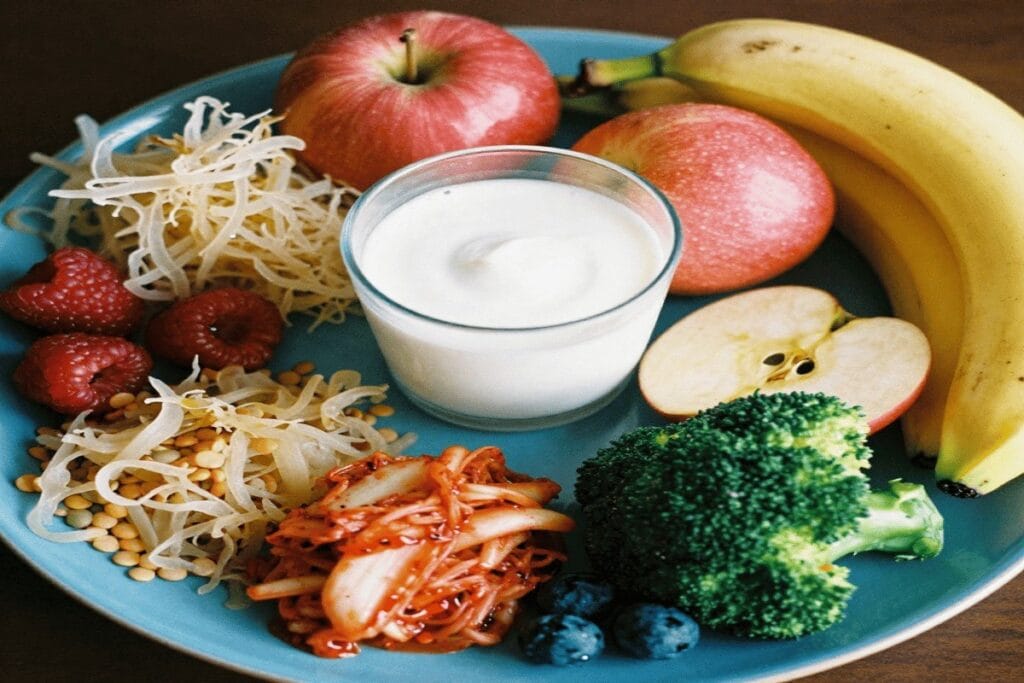
A healthy gut microbiome supports digestion, immunity, and even mental health. Fiber-rich foods provide nourishment for beneficial gut bacteria, helping them flourish. Include a variety of:
- Vegetables: broccoli, carrots, kale, spinach
- Fruits: apples, bananas, berries
- Whole grains and legumes: brown rice, oats, chickpeas, and lentils
- Fermented foods: yogurt, kefir, sauerkraut, kimchi
Pro tip: Gradually increase fiber intake to avoid bloating and gas. Combining prebiotic foods (like garlic, onions, and asparagus) with probiotics (like yogurt) enhances gut health.
See our Digestive Health Partners & Culturelle Probiotic Guide to learn more about gut health.
16. Avoid Skipping Breakfast
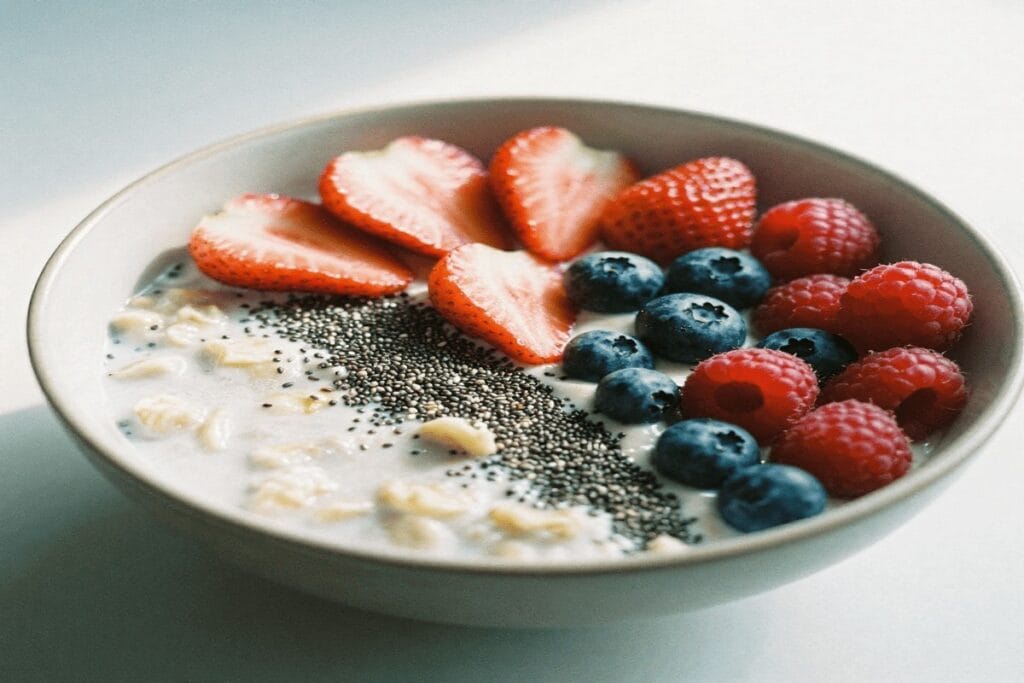
A balanced breakfast jumpstarts metabolism, stabilizes blood sugar, and prevents overeating later in the day. Include:
- Eggs, Greek yogurt, cottage cheese, or plant-based proteins like tofu are examples of protein.
- Fiber: whole-grain toast, oats, fruits, or vegetables
- Healthy fats: nuts, seeds, or avocado
Practical ideas:
- Overnight oats with chia seeds and berries
- Smoothie bowls with spinach, banana, and protein powder
- Veggie omelets with whole-grain toast
Pro tip: Eating breakfast within an hour of waking helps regulate energy levels and supports cognitive function.
Summary of Hydration & Digestive Health
By staying hydrated, feeding your gut bacteria, and maintaining a balanced breakfast, you can enhance digestion, energy levels, immunity, and overall wellness.
For more information on supporting gut health through probiotics and supplements, visit our comprehensive guide on Digestive Health Partners and Culturelle probiotics.
Physical Activity & Weight Management

Regular physical activity and maintaining a healthy weight are foundational pillars of long-term wellness. Exercise not only improves cardiovascular health, metabolism, and muscle strength but also supports mental well-being, reduces stress, and promotes longevity. Here’s how to incorporate these evidence-based strategies into daily life:
17. Stay Physically Active Daily
Aim for a minimum of 30 minutes of moderate-intensity exercise most days of the week Activities such as walking, cycling, swimming, jogging, or dancing can improve heart health, boost energy, and elevate mood.
Tips for staying active:
- Take short walking breaks during work or study hours.
- Use stairs instead of elevators whenever possible.
- Schedule active family time like evening walks or weekend hikes.
- Try group classes or sports to make activity social and enjoyable.
Pro tip: Even small bouts of movement throughout the day, like 5–10 minutes of stretching or walking, add up to significant health benefits over time.
18. Maintain a Healthy Weight
Maintaining a healthy weight reduces the risk of diabetes, heart disease, high blood pressure, and joint problems. Prioritize long-term routines over temporary solutions or trendy diets.
Strategies for sustainable weight management:
- Track your daily food intake and activity using apps or journals.
- Prioritize whole foods like vegetables, fruits, whole grains, lean protein, and healthy fats.
- Practice mindful eating—slow down, savor your meals, and stop when full.
- Instead of aiming for quick weight loss, set reasonable, attainable goals.
Pro tip: Consistency matters more than perfection. Even small, daily changes in nutrition and activity can have a major impact over time.
19. Include Strength Training or Resistance Exercise
Strength training preserves muscle mass, strengthens bones, and supports metabolism, which is especially important as we age. Incorporate resistance exercises 2–3 times per week.
Effective strength training options:
- Bodyweight exercises: push-ups, squats, lunges, planks
- Resistance bands: simple, portable, and versatile
- Weight lifting: dumbbells, kettlebells, or barbell exercises
- Functional movements: lifting, carrying, or climbing stairs to mimic real-life activities
Pro tip: Start with lighter weights or bands and gradually increase resistance. Proper form is more important than heavy weights to prevent injury.
20. Reduce Excess Belly Fat Safely
Heart disease, insulin resistance, and inflammation are all associated with excess abdominal fat. Focus on balanced nutrition and consistent exercise rather than crash diets.
Effective strategies for belly fat reduction:
- For the best fat-burning results, pair cardio workouts with resistance training.
- Prioritize high-fiber foods to improve satiety and support digestion.
- Avoid sugary drinks and highly processed foods.
- Manage stress through mindfulness, yoga, or deep breathing, as stress hormones can promote belly fat storage.
Pro tip: Track progress with waist measurements rather than solely relying on the scale, as muscle gain can offset weight loss.
Summary of Physical Activity & Weight Management
Staying active, incorporating strength training, maintaining a healthy weight, and targeting excess belly fat safely are essential for long-term health, energy, and metabolic function.
For additional fitness strategies, check out our article on Health Tips for Women: How to Stay Fit and Healthy to learn more about workouts, routines, and practical tips for maintaining an active lifestyle.
Healthand Nutrition Advice for 2026: Stress, Sleep, and Mental Health
Quality sleep, effective stress management, and strong social connections are key components of Health and Nutrition Tips 2026. Prioritizing these areas enhances overall health, mental clarity, immunity, and longevity, while neglecting them can impact mood, energy, heart health, and productivity.
21. Get Enough Quality Sleep

Adults typically need to sleep for seven to nine hours each night. Consistent, high-quality sleep supports cognitive function, immune health, metabolism, emotional regulation, and overall well-being. Poor sleep is linked to obesity, depression, cardiovascular disease, and reduced performance.
Tips for better sleep:
Sleep and rise at the same hour daily to keep a consistent sleep routine.
Keep your sleep environment cool, dark, and quiet to improve restfulness.
Steer clear of alcohol, caffeine, and large meals right before bed.
Incorporate relaxing bedtime rituals such as reading, journaling, or gentle stretching.
Pro tip: If falling asleep is difficult, try deep breathing exercises or progressive muscle relaxation to calm the nervous system.
22. Avoid Bright Lights and Screens Before Bed
Exposure to blue light from phones, tablets, and computers can disrupt the body’s circadian rhythm and reduce melatonin production, making it harder to fall asleep.
Strategies to reduce light exposure:
Dim indoor lighting at least 1 hour before bed.
Enable night mode or apply blue light filters on your devices when necessary.
Consider reading a physical book, listening to relaxing music, or practicing meditation instead of screen time before sleep.
Pro tip: Keep electronic devices out of the bedroom to create a tech-free sleep sanctuary and improve sleep quality.
23. Practice Meditation or Stress Management
Chronic stress elevates cortisol levels, negatively impacting sleep, heart health, and overall well-being. Mindfulness, meditation, and breathing exercises are proven techniques to reduce stress, improve mental clarity, and enhance resilience.
Practical methods:
Mindfulness meditation: Focus on your breath and observe thoughts without judgment for 10–20 minutes daily.
Relax your mind with the 4-7-8 breathing technique: inhale for 4 seconds, pause for 7, and exhale for 8 seconds.
Journaling: Write down worries or gratitude lists to reduce mental clutter.
Yoga or gentle stretching: Combines physical activity with relaxation for stress reduction.
Learn more about stress management techniques at Mayo Clinic – Stress Relief.
24. Nurture Social Relationships
Strong social connections are essential for mental and emotional health and are highlighted in Health and Nutrition Tips 2026. Supportive friendships, family bonds, and community engagement are linked to longer life expectancy, lower stress levels, and improved mental resilience.
Tips to strengthen social bonds:
Make it a habit to check in with loved ones regularly, whether in person or virtually.
Participate in community groups, classes, or volunteer activities.
Prioritize quality over quantity in relationships—focus on meaningful interactions.
Share experiences and emotions with trusted people to reduce feelings of isolation.
Pro tip: Even short daily interactions with loved ones or colleagues can positively impact mood, reduce stress hormones, and enhance overall well-being.
Summary of Sleep, Stress & Mental Well-Being
By incorporating these Health and Nutrition Tips 2026—prioritizing 7–9 hours of quality sleep, limiting screen exposure, practicing mindfulness, and nurturing social connections—you can significantly improve mental clarity, emotional resilience, immunity, and overall wellness.
For additional stress relief techniques and expert guidance, visit Mayo Clinic – Stress Relief.
Health and Nutrition Tips 2026: Lifestyle & Preventive Health

Healthy lifestyle choices and preventive care are key components of Health and Nutrition Tips 2026. Incorporating these evidence-based habits into daily life protects your heart, liver, lungs, and immune system while reducing the risk of chronic diseases and supporting long-term wellness.
25. Don’t Smoke; Avoid Drugs; Drink Alcohol in Moderation
A cornerstone of Health and Nutrition Tips 2026 is avoiding tobacco and recreational drugs while limiting alcohol consumption. These habits protect vital organs, enhance longevity, and support overall well-being.
Tips for moderation and cessation:
Quit smoking gradually or seek professional programs, counseling, or nicotine replacement therapies.
Limit alcohol to 1 drink per day for women, 2 for men, and choose low-sugar or low-calorie options.
Avoid recreational drugs entirely, as they increase the risk of cardiovascular, liver, and mental health issues.
Replace harmful habits with healthy routines like exercise, meditation, reading, or hobbies.
Pro tip: Track your progress using apps, journals, or accountability partners to stay motivated while making lifestyle changes.
26. Follow Basic Hygiene and Safety Habits
Good hygiene and safety practices are emphasized in Health and Nutrition Tips 2026 to prevent infections, foodborne illness, and accidents.
Key strategies include:
Wash hands frequently, especially before eating or after public exposure.
Practice safe food handling, including proper cooking temperatures and storage.
Use seatbelts, helmets, and protective gear during travel or exercise.
Maintain a clean living environment to reduce exposure to harmful bacteria and viruses.
Pro tip: Small daily habits—like regular handwashing or cleaning frequently touched surfaces—can dramatically reduce illness risk.
27. Get Regular Health Check-Ups and Monitor Blood Pressure
Routine medical screenings are an essential part of Health and Nutrition Tips 2026. Better results and prompt intervention are possible when health problems are identified early.
Preventive care tips:
Schedule annual physical exams, including blood tests and vaccinations.
Monitor blood pressure and cholesterol levels at home or during doctor visits.
Screen for diabetes, cancer, and heart disease based on age, family history, and risk factors.
Discuss supplements or lifestyle strategies with your healthcare provider to optimize wellness.
For supplements that support overall health, check out our article on Best Collagen Supplements for Women in 2025 to strengthen bones, skin, and overall well-being.
Summary of Lifestyle & Preventive Health
Following these Health and Nutrition Tips 2026—avoiding harmful substances, practicing good hygiene, and attending regular check-ups—can significantly enhance longevity, resilience, and overall wellness. Incorporating preventive care and healthy lifestyle habits ensures your body remains strong, reduces the risk of chronic illness, and supports long-term health and vitality.
FAQs – Health and Nutrition Tips 2026
1. How many glasses of water should I drink daily?
A: Following Health and Nutrition Tips 2026, adults should aim for 2–3 liters of water daily (about 8–12 cups), depending on activity level, climate, and individual needs. Proper hydration supports energy, digestion, and mental clarity throughout the day.
2. How often should I exercise?
A: As part of Health and Nutrition Tips 2026, it’s recommended to get at least 30 minutes of moderate activity most days, such as walking, cycling, or swimming. In addition, include strength training or resistance exercises 2–3 times per week to maintain muscle mass, strengthen bones, and support metabolism.
3. What foods are best for gut health?
A: To follow Health and Nutrition Tips 2026, focus on fiber-rich foods and probiotics. Examples include:
Vegetables: broccoli, spinach, kale, carrots
Fruits: apples, bananas, berries
Boost your nutrition with fiber-rich foods like lentils, chickpeas, oats, and brown rice.
Fermented foods: yogurt, kefir, sauerkraut, kimchi
Gradually increasing fiber and combining prebiotics with probiotics enhances digestion and immunity.
4. Can these tips help with weight management?
A: Absolutely! Health and Nutrition Tips 2026 are designed for sustainable weight management. By combining balanced nutrition, regular physical activity, proper hydration, and quality sleep, you can maintain a healthy weight without relying on crash diets or extreme restrictions.
5. How can I improve my sleep quality?
A: Quality sleep is a cornerstone of Health and Nutrition Tips 2026. To improve sleep:
Maintain a consistent sleep schedule every night
Limit bright screens (phones, tablets, TVs) 1–2 hours before bed
Use stress-relieving methods like deep breathing or meditation.
Create a dark, quiet, and cool sleep environment for optimal rest
Bottom Line
Following these 27 Health and Nutrition Tips 2026 isn’t about perfection—it’s about consistent, science-backed habits that you can realistically incorporate into daily life. By following these Health and Nutrition Tips 2026, which focus on balanced nutrition, proper hydration, regular physical activity, quality sleep, stress management, and preventive care, you can:
Boost energy and mental clarity
Strengthen immunity
Reduce the risk of chronic diseases
Support long-term wellness
Start small, stay consistent, and make these Health and Nutrition Tips 2026 a part of your lifestyle for lasting results.
Disclaimer
The health and nutrition tips, lifestyle advice, and wellness strategies shared in this article are for informational and educational purposes only. These tips are not intended to diagnose, treat, or cure any medical condition. Because individual health needs, fitness levels, and dietary requirements vary, we strongly recommend consulting a healthcare professional or registered dietitian before making significant changes to your diet, exercise routine, or supplement intake. Always listen to your body and seek professional guidance for specific health concerns.
You Might Also Like