Natural Remedies for Stomach Bloating – Fast Relief at Home (2026)
Natural Remedies for Stomach Bloating (2026)
Introduction
Stomach bloating is a common digestive issue that can make the abdomen feel swollen, tight, or uncomfortably heavy. Many people experience stomach bloating after meals, during periods of stress, or when digestion is slow. In most cases, stomach bloating occurs due to excess gas accumulation in the stomach or intestines, or because the digestive system is not functioning efficiently. Fortunately, natural remedies for stomach bloating can provide effective relief safely, without relying on medications.
Both men and women can experience stomach bloating at various points in life. For some, it may appear occasionally after eating certain foods, while for others, it can be a frequent problem related to lifestyle habits, diet choices, or hormonal changes. The good news is that natural remedies often work because they support digestion, reduce gas, and calm the gut naturally. These remedies are gentle, affordable, and easy to follow, making them an ideal first step in managing stomach bloating at home.
For more tips on easing digestive discomfort, especially after heavy or protein-rich meals, see our Protein Shake Stomach Ache Remedy at Home guide for natural approaches to reduce stomach bloating and promote gut comfort.

What Is Stomach Bloating?
Stomach bloating refers to a feeling of fullness, pressure, or swelling in the abdomen that can make the stomach look visibly enlarged. It often happens when the digestive system struggles to move gas, fluids, or food efficiently. While bloating is uncomfortable, it is not always a sign of a serious health problem.
Advertisement
Bloating vs Gas vs Water Retention
Bloating is often confused with gas, but they are not exactly the same. Gas causes pressure, burping, or flatulence, while bloating is the overall swollen or tight feeling in the stomach. Water retention, on the other hand, happens when excess fluid builds up in the body, usually due to hormonal changes or high salt intake. All three can make the abdomen feel heavy, but their causes are different.
Temporary vs Chronic Bloating
Temporary bloating is very common and usually occurs after overeating, eating too quickly, or consuming gas-producing foods. It often goes away on its own within a few hours. Chronic bloating, however, lasts for weeks or occurs frequently. This type of bloating may be linked to digestive issues, food intolerances, or ongoing lifestyle factors and should not be ignored.
When Is Bloating Normal and When Is It a Concern?
Occasional bloating is considered normal, especially after large meals or during hormonal changes such as menstruation. However, bloating becomes a concern if it is persistent, painful, or accompanied by symptoms like unexplained weight loss, severe abdominal pain, or changes in bowel habits. In such cases, medical evaluation is important to rule out underlying conditions.
Common Causes of Stomach Bloating
Stomach bloating usually occurs when the digestive system is under pressure or not functioning smoothly. Many everyday habits, foods, and body changes can trigger this uncomfortable feeling. Understanding the common causes helps in choosing the right natural approach for relief.
Overeating or Eating Too Fast

Recommended for You
Eating large portions or eating too quickly can cause excess air to enter the digestive tract. When food is not properly chewed, digestion slows down, leading to gas buildup and a bloated stomach. This is among the most prevalent and readily preventable causes.
Gas-Producing Foods
Certain foods naturally produce more gas during digestion. These consist of fizzy drinks, beans, cabbage, and onions. While these foods are healthy, eating them in large amounts or without balance can increase bloating, especially in people with sensitive digestion.
Constipation
When bowel movements are irregular or slow, stool remains in the intestines for longer than normal. This can trap gas and create a feeling of fullness, pressure, and bloating. Constipation-related bloating often improves with better hydration, fiber balance, and guidance from our Protein Shake Stomach Ache Remedy at Home tips for gentle digestion.
Food Intolerances
Some people have difficulty digesting specific foods. Lactose intolerance can cause bloating after consuming milk or dairy products, while gluten sensitivity may lead to bloating after eating wheat-based foods. These reactions are usually digestive rather than allergic.
Hormonal Changes (Especially in Women)
Hormonal fluctuations during the menstrual cycle, pregnancy, or menopause can affect digestion and fluid balance. Many women experience bloating during these times due to water retention and slower digestion. Learn more in our Health Tips for Women article.
Stress and Anxiety
Stress has a direct impact on gut health. When the body is under stress, digestion slows down, which can lead to gas buildup and bloating. Emotional tension can make bloating feel worse even without a physical cause.
Digestive Disorders (Brief)
Conditions like irritable bowel syndrome (IBS) and acid reflux can contribute to frequent bloating. These issues affect how food moves through the digestive system. For more on how gut health affects overall wellness, see Autoimmune Skin Diseases (gut–skin connection).
Symptoms of Stomach Bloating
Stomach bloating can vary from mild discomfort to noticeable abdominal swelling. Identifying these symptoms early can help you manage bloating naturally and prevent it from affecting daily life. Awareness of these signs also helps in distinguishing normal, occasional bloating from persistent issues that may require attention.
Tight or Swollen Abdomen
One of the most common symptoms of bloating is a feeling of tightness or visible swelling in the stomach. The abdomen may feel firm, stretched, or larger than usual, making it uncomfortable to sit or wear tight clothing. This swelling can sometimes fluctuate during the day, especially after meals or salty foods. Regular bloating accompanied by swelling may be linked to slow digestion or water retention.
Excess Gas or Burping
Gas buildup in the digestive tract often results in frequent burping or flatulence. While releasing gas can provide temporary relief, persistent gas is a clear indicator that your digestive system may be struggling. People experiencing gas-related bloating may benefit from natural remedies like Protein Shake Stomach Ache Remedy at Home or herbal teas such as peppermint or ginger, which aid in breaking down food and relieving trapped gas.
Abdominal Discomfort
Mild cramping or pressure in the abdominal area is another typical symptom. This discomfort is often dull but can intensify after eating certain foods or large meals. The cramping may also be associated with digestive disorders, such as IBS or gut-related autoimmune conditions. Managing bloating with natural remedies like fennel seeds, probiotics, or gentle abdominal massage can help reduce this discomfort while supporting overall gut health.
Feeling Full Even After Small Meals
A persistent sense of fullness is a strong sign of bloating. Slow digestion or delayed gastric emptying can make the stomach feel heavy even after consuming small portions, reducing appetite and affecting daily comfort. Including digestive-friendly foods such as papaya, yogurt, or fiber-rich oats can help your stomach process meals more efficiently and prevent prolonged bloating. For women, hormonal changes during PMS or menopause can intensify this feeling, so see Health Tips for Women for additional guidance.
Natural Remedies for Stomach Bloating
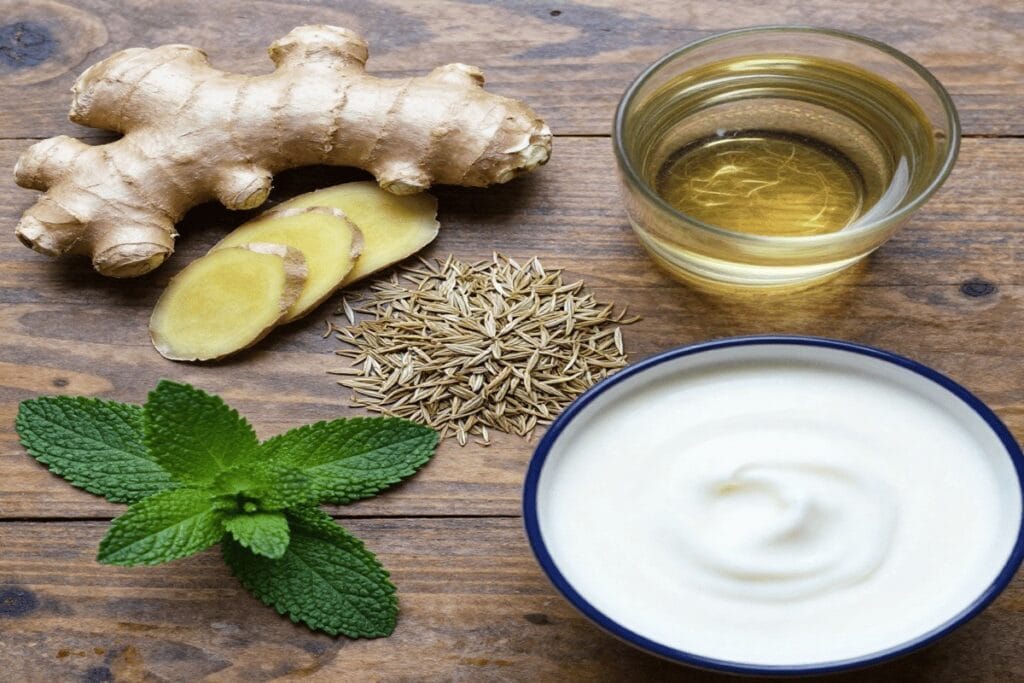
Natural remedies for stomach bloating are safe, effective, and easy to implement at home. They help improve digestion, reduce gas, and relax the abdominal muscles.
Warm Water or Herbal Tea
Warm liquids relax the digestive system and stimulate bowel movement, reducing swelling.
Best teas for bloating:
Peppermint: Calms digestive tract
Ginger: Anti-inflammatory and digestive aid
Chamomile: Reduces stress-related bloating
Ginger for Instant Relief
Ginger stimulates digestive enzymes, helping food break down faster and reducing gas.
Usage:
Add fresh slices of ginger to tea or boiling water.
After eating, chew a little piece of raw ginger.
Fennel Seeds (Saunf)
Gas accumulation is avoided and digestive muscles are relaxed by fennel seeds.
Usage:
Chew ½ teaspoon after meals
Steep in hot water for tea
Peppermint
Peppermint relaxes intestinal muscles, allowing trapped gas to pass.
Usage:
Drink peppermint tea after meals
Peppermint oil capsules for IBS-related bloating (consult a doctor)
Apple Cider Vinegar (ACV)
ACV aids digestion and reduces bloating after heavy meals.
Usage:
Before meals, combine one spoonful with a glass of warm water.
Probiotics (Natural Sources)
Probiotics balance gut flora, improving digestion and preventing bloating.
Sources:
Yogurt
Kefir
Fermented foods like sauerkraut and kimchi
For more on gut health impacting overall wellness, check Autoimmune Skin Diseases (gut–skin connection).
Gentle Walking After Meals
A 10–15 minute walk stimulates bowel function and moves gas through the intestines.
Abdominal Massage
Massaging the abdomen clockwise for 5–10 minutes relaxes muscles and moves trapped gas.
Home Remedies for Bloating After Meals
Bloating often occurs after meals, especially if they are large, heavy, or eaten too quickly. Simple home remedies and mindful eating habits can help reduce discomfort, improve digestion, and prevent bloating from returning. Implementing these strategies consistently can make a noticeable difference in daily comfort.
Eat Small, Frequent Meals
Try eating smaller, more regular meals throughout the day rather than three large ones. This prevents the stomach from overfilling, reduces pressure, and limits gas buildup. Smaller portions are easier for the digestive system to process, helping prevent bloating naturally. Incorporating high-fiber foods like oats, bananas, and papaya in these meals can further support digestion and reduce bloating.
Chew Food Properly
Proper chewing is crucial for digestion. Breaking food down into smaller pieces allows digestive enzymes to work more efficiently, reducing the risk of undigested food reaching the intestines and causing gas. Aim for 20–30 chews per bite, and try to avoid talking while chewing. This simple habit not only improves digestion but also helps with nutrient absorption and can prevent stomach discomfort related to Protein Shake Stomach Ache Remedy at Home.
Avoid Carbonated Drinks
Carbonated beverages like soda, fizzy water, or sparkling juices introduce extra air into the stomach, which can worsen bloating. Additionally, these drinks can increase gas production in the intestines, leading to abdominal discomfort. Better alternatives include warm water, herbal teas like peppermint or ginger, or infused water with cucumber and mint to aid digestion naturally.
Avoid Heavy Late-Night Meals
Eating large, heavy meals late at night can slow digestion because the body is less active during sleep. This often leads to overnight bloating and discomfort in the morning. To prevent this, finish dinner at least 2–3 hours before bedtime and choose light, easily digestible foods like soups, steamed vegetables, or salads. For women, avoiding heavy late-night meals can also help reduce bloating related to hormonal changes, as discussed in Health Tips for Women.
Foods That Reduce Bloating Naturally
Certain foods can naturally help relieve bloating by improving digestion, reducing gas, and balancing fluids in the body. Including these foods regularly can provide gentle, lasting relief from stomach discomfort and support overall gut health.
Banana
Bananas are rich in potassium, which helps regulate fluid balance in the body and reduces bloating caused by water retention. They also contain digestive-friendly fiber that supports regular bowel movements and prevents constipation-related bloating. Eating a ripe banana as a snack or including it in smoothies can make digestion easier and help maintain a comfortable stomach. For those who experience bloating after protein drinks, combining bananas in a smoothie may also support digestion, as suggested in Protein Shake Stomach Ache Remedy at Home.
Cucumber
Cucumbers are high in water content, making them excellent for hydration and reducing bloating caused by water retention. They also contain natural antioxidants that support digestion and help flush excess sodium from the body. Adding cucumber slices to salads or drinking cucumber-infused water after meals can gently reduce stomach heaviness and improve comfort.
Oats
Oats are a great source of soluble fiber, which promotes healthy digestion and prevents constipation—a common cause of bloating. Fiber in oats helps regulate bowel movements, supports the gut microbiome, and keeps the digestive system running smoothly. Starting your day with a warm bowl of oatmeal topped with fruits can prevent bloating naturally and maintain steady digestion.
Papaya
Papaya contains papain, a natural enzyme that aids digestion by breaking down proteins. This helps reduce gas, prevents food from fermenting in the stomach, and alleviates bloating after heavy or protein-rich meals. Including fresh papaya after lunch or in smoothies can provide digestive support, complementing strategies in Protein Shake Stomach Ache Remedy at Home.
Yogurt
Yogurt is rich in probiotics, beneficial bacteria that support gut health. Probiotics improve digestion, reduce gas, and prevent bloating caused by an imbalance in intestinal flora. Choosing plain, unsweetened yogurt maximizes digestive benefits. Regular probiotic consumption also helps regulate the gut–skin connection, supporting overall wellness as explained in Autoimmune Skin Diseases (Gut–Skin Connection).
Foods That Can Worsen Bloating
Certain meals can lessen bloating, but others can exacerbate it. Avoiding or limiting these foods can prevent excess gas, water retention, and digestive discomfort. Understanding these triggers and replacing them with better alternatives is key to maintaining a comfortable stomach.
Sugary Drinks
Sugary drinks, including soda, sweetened juices, and energy drinks, are major contributors to bloating. High sugar content feeds harmful gut bacteria, producing gas during digestion. Additionally, carbonated beverages introduce extra air into the stomach, increasing swelling and heaviness.
Tip: Replace sugary drinks with water, herbal teas like peppermint or ginger tea, or infused water to stay hydrated and soothe the digestive system. Combining these with Protein Shake Stomach Ache Remedy at Home strategies can prevent bloating after meals or protein shakes.
Fried Foods
Fried and oily foods are difficult to digest and can slow down the digestive process. This causes food to remain longer in the stomach, increasing gas buildup, heaviness, and bloating.
Tip: Choose steamed, baked, or grilled meals. Opting for light, easily digestible foods also supports gut health and may reduce bloating related to digestive sensitivity, as discussed in Autoimmune Skin Diseases (Gut–Skin Connection).
Artificial Sweeteners
Artificial sweeteners such as sorbitol, xylitol, and mannitol are poorly absorbed in the gut. This can lead to fermentation by intestinal bacteria, producing gas and bloating. Many sugar-free candies, gums, and processed foods contain these sweeteners.
Tip: Limit consumption of sugar-free products and opt for natural sweeteners like honey or stevia in moderation. This helps maintain healthy digestion and prevents unnecessary bloating.
Excess Salt
High salt intake causes the body to retain water, leading to swelling and bloating, especially in the abdominal area. Processed foods, fast foods, and packaged snacks are often very high in sodium.
Tip: Reduce salt intake and balance fluids naturally by including potassium-rich foods like bananas, cucumbers, and leafy greens. This not only prevents bloating but also supports overall digestive wellness and fluid balance.
Lifestyle Changes to Prevent Stomach Bloating
Making simple lifestyle changes can significantly reduce stomach bloating naturally. These habits support digestion, prevent gas buildup, and help maintain a comfortable stomach throughout the day. When combined with natural remedies and bloating-friendly foods, these lifestyle practices ensure long-term digestive wellness and help manage recurring stomach bloating effectively.
Daily Hydration
Proper hydration is essential for smooth digestion and preventing stomach bloating. Drinking enough water helps move food and waste efficiently through the digestive tract, reducing constipation and water retention. Aim for 8–10 glasses of water daily. Herbal teas like peppermint, ginger, or chamomile can also be included to naturally soothe the digestive system.
Tip: Staying hydrated is particularly helpful if you consume Protein Shakes at Home, as protein-rich meals or shakes can sometimes cause temporary stomach bloating. Adequate water intake ensures smooth digestion, minimizes gas buildup, and reduces the feeling of heaviness in the stomach.

Stress Management
Stress has a direct impact on digestion by slowing gut motility and increasing gas production, which can worsen stomach bloating. Incorporating stress-relief techniques improves digestive efficiency and helps prevent bloating naturally. Effective strategies include:
Meditation: Relaxes the nervous system and eases abdominal tension.
Yoga: Certain poses stimulate digestion and relieve bloating.
Deep Breathing: Improves oxygen flow and reduces stress-induced gut disturbances.
Light Walks: Gentle movement after meals promotes bowel activity and eases stomach bloating.
Tip: Managing stress is especially important for women experiencing hormonal bloating. Following Health Tips for Women regarding diet, hydration, and stress management can further reduce stomach bloating during PMS, pregnancy, or menopause.
Regular Bowel Habits
Maintaining consistent bowel movements is crucial for preventing constipation-related stomach bloating. Ignoring the urge to go or skipping bathroom routines can trap gas and waste in the intestines, leading to abdominal heaviness and discomfort.
Tip: Establish a daily schedule for bathroom visits and include fiber-rich foods to support regularity. Probiotics from yogurt, kefir, or fermented foods can also help maintain gut flora and reduce bloating. For those interested in how gut health affects overall inflammation and digestion, see Autoimmune Skin Diseases (Gut–Skin Connection).
Balanced Fiber Intake
Fiber plays a key role in healthy digestion, but both insufficient and excessive intake can trigger stomach bloating. Soluble fiber, found in oats, bananas, and papaya, regulates bowel movements, while insoluble fiber from vegetables prevents constipation and supports smooth digestion.
Tip: Introduce fiber gradually into your diet and drink plenty of water to help it move efficiently through the digestive system. A balanced fiber intake, combined with proper hydration, stress management, and mindful eating habits, forms the cornerstone of long-term prevention for stomach bloating.
Stomach Bloating in Women
Bloating is particularly common in women due to hormonal fluctuations and changes in the digestive system at different life stages. Understanding these female-specific triggers helps in selecting the right natural remedies, dietary habits, and lifestyle practices for lasting relief from stomach discomfort.
PMS and Hormonal Bloating
Bloating is a common occurrence for women prior to or during their menstrual cycle. Hormonal changes, especially fluctuations in estrogen and progesterone, can lead to water retention, slower digestion, and gas buildup, making the abdomen feel tight or swollen.
Tip: Drinking plenty of water, reducing salt intake, and using gentle natural remedies such as herbal teas, fennel seeds, or ginger can relieve PMS-related bloating. For a complete guide on managing hormonal changes and overall wellness, see Health Tips for Women.
Bloating During Pregnancy
During pregnancy, bloating can increase due to progesterone-induced relaxation of the digestive tract, which slows down food movement and allows gas to accumulate. Abdominal pressure may also increase as the uterus grows.
Remedies:
Eat small, frequent meals to prevent overfilling.
Stay well-hydrated with water and soothing teas.
Engage in gentle walking or prenatal exercises to stimulate digestion.
Tip: Avoid gas-producing foods like beans, cabbage, and carbonated drinks if they worsen bloating. Proper dietary planning during pregnancy can minimize discomfort and improve gut health.
Menopause and Digestion Changes
During menopause, declining estrogen levels can affect gastrointestinal motility, causing slower digestion, constipation, and bloating. Changes in metabolism and body composition may also contribute to water retention.
Tips to Manage Menopausal Bloating:
Focus on a high-fiber diet with fruits, vegetables, oats, and whole grains.
Stay hydrated to support bowel movements.
Include regular physical activity to stimulate digestion.
Maintaining gut health is particularly important at this stage, as digestive imbalances can influence inflammation and overall well-being. For strategies to improve gut function naturally and prevent bloating, see Autoimmune Skin Diseases (Gut–Skin Connection).
When to See a Doctor
While most cases of stomach bloating are mild and manageable with natural remedies and lifestyle changes, sometimes persistent bloating can signal an underlying health concern. Knowing when to seek professional medical advice is essential for early detection and safe management of digestive issues.
Severe or Persistent Bloating
If stomach bloating is intense, constant, or lasts for several weeks, it may indicate a more serious digestive problem. Persistent bloating that does not improve with home remedies, dietary adjustments, or gentle exercises should be evaluated by a healthcare professional. Long-term bloating may sometimes be associated with digestive disorders like irritable bowel syndrome (IBS) or food intolerances. For complementary home-based strategies, see Protein Shake Stomach Ache Remedy at Home.
Bloating with Unexplained Weight Loss
Experiencing stomach bloating alongside sudden or unexplained weight loss can be a red flag. This combination may indicate issues affecting digestion, metabolism, or nutrient absorption. Timely consultation with a doctor is important to identify the cause and prevent potential complications.
Blood in Stool
The presence of blood in stool, whether visible or detected via testing, warrants immediate medical attention. Stomach bloating accompanied by blood may point to hemorrhoids, gastrointestinal inflammation, ulcers, or other digestive disorders. Ignoring these warning signs can lead to serious health issues, so professional evaluation is critical.
Chronic or Severe Abdominal Pain
Persistent or severe abdominal pain alongside stomach bloating is not normal. Pain that interferes with daily activities, or is accompanied by nausea, vomiting, fever, or digestive distress, should never be ignored. Early medical intervention can prevent complications and support overall gut health.
Tip: Occasional stomach bloating is usually harmless, but persistent, severe, or unusual symptoms should always prompt a healthcare visit. Combining professional guidance with natural remedies, dietary adjustments, and lifestyle practices—such as those in Health Tips for Women and Autoimmune Skin Diseases (Gut–Skin Connection)—can help maintain long-term digestive wellness and comfort.
FAQs – Natural Remedies for Stomach Bloating
Q1. What is the fastest natural remedy for bloating?
The fastest natural remedies for bloating include ginger tea, peppermint tea, and warm water. These help relax the digestive system, stimulate digestion, and reduce gas buildup. Drinking a cup of warm ginger or peppermint tea after meals can provide almost immediate relief from stomach heaviness. For bloating caused by protein shakes or heavy meals, you can also refer to our guide: Protein Shake Stomach Ache Remedy at Home for natural, easy-to-follow remedies.
Q2. Can bloating be cured naturally?
Yes, most cases of bloating can be managed—and often cured—naturally. Using consistent natural remedies, making dietary changes, and adopting healthy lifestyle habits—such as eating smaller meals, chewing food properly, staying hydrated, and taking gentle walks after meals—can significantly reduce bloating over time. Women experiencing bloating due to hormonal changes can find additional strategies in Health Tips for Women for better support.
Q3. Is bloating a sign of poor digestion?
Sometimes, yes. Bloating can indicate slow digestion, constipation, or an imbalance in gut bacteria. However, occasional bloating after a large meal, or during PMS, is usually normal and not a sign of poor digestion. Persistent bloating, especially when connected to gut inflammation or autoimmune reactions, may benefit from guidance in Autoimmune Skin Diseases (Gut–Skin Connection).
Q4. Which tea is best for stomach bloating?
Peppermint, ginger, and chamomile teas are the most effective for bloating. They calm the digestive tract, reduce intestinal spasms, and relieve gas naturally. Drinking a cup after meals or before bedtime can improve comfort and promote digestion. Peppermint tea, in particular, is useful for women experiencing hormonal bloating, as discussed in Health Tips for Women.
Conclusion
Stomach bloating is a common digestive concern that affects both men and women at different stages of life. Most cases of stomach bloating can be managed effectively with natural remedies, dietary adjustments, and simple lifestyle changes. Incorporating gentle practices like drinking warm herbal teas, consuming fiber-rich foods, staying properly hydrated, and managing stress can significantly reduce stomach bloating over time.
For women experiencing hormonal-related bloating, strategies in Health Tips for Women can be particularly helpful. Those who notice bloating after certain meals, such as protein shakes, can refer to our Protein Shake Stomach Ache Remedy at Home guide for targeted relief. Additionally, individuals with persistent digestive issues linked to gut imbalances may benefit from insights in Autoimmune Skin Diseases (Gut–Skin Connection).
While occasional stomach bloating is normal, persistent, severe, or unusual symptoms should always be evaluated by a healthcare professional to rule out underlying conditions. By combining these natural remedies, dietary strategies, and lifestyle habits, it is possible to manage stomach bloating effectively and enjoy a more comfortable, lighter abdomen naturally.
Disclaimer
The information provided in this article is for general knowledge and educational purposes only. It is not a substitute for professional medical, dermatological, or nutritional advice—always consult a qualified healthcare provider for personalized guidance.
You Might Also Like