Niacinamide vs. Azelaic Acid for Rosacea: 2026 Redness Guide
Niacinamide vs. Azelaic Acid for Rosacea: Which is Better for Redness & Inflammation? (2026 Guide)
If you have ever looked in the mirror and felt like your face was a permanent “before” photo for a sunburn, you are likely dealing with the relentless flushing of rosacea. You have probably been told to “just relax” or “avoid spicy food,” but we know it’s not that simple. Your skin barrier is essentially a security system with a broken alarm, and every wind gust or hot coffee sets it off.
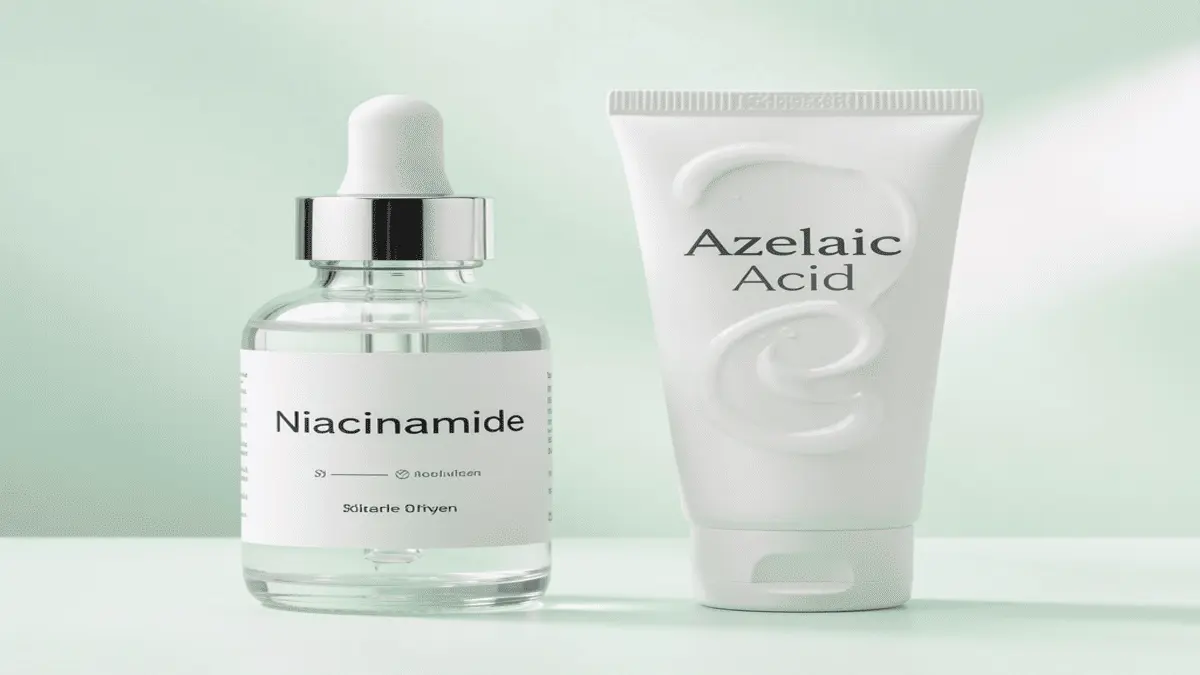
The skincare world currently has two heavy hitters fighting for the title of “Redness Eradicator”: Niacinamide and Azelaic Acid. But when your face is literally stinging, you don’t have time for trial and error. You need to know which one works, why it works, and how to use it without making things worse.
The Problem: Understanding the “Always On” Internal Fire
When we talk about Niacinamide vs. Azelaic Acid for Rosacea, we first have to understand the biological battlefield of your skin. Rosacea is far more than just “blushing” or having a “ruddy complexion.” It is a chronic, multi-faceted inflammatory condition where your facial blood vessels are hyper-reactive and your innate immune system is stuck in an over-stimulated loop.
By 2026, clinical data has confirmed that rosacea isn’t just about surface-level redness. The “Always On” fire is fueled by the over-activation of cathelicidins—antimicrobial peptides that, when triggered incorrectly, set off an inflammatory cascade. This internal malfunction leads to several distinct problems that make the Niacinamide vs. Azelaic Acid for Rosacea choice so critical:
1. Persistent Erythema (The Baseline Flush)
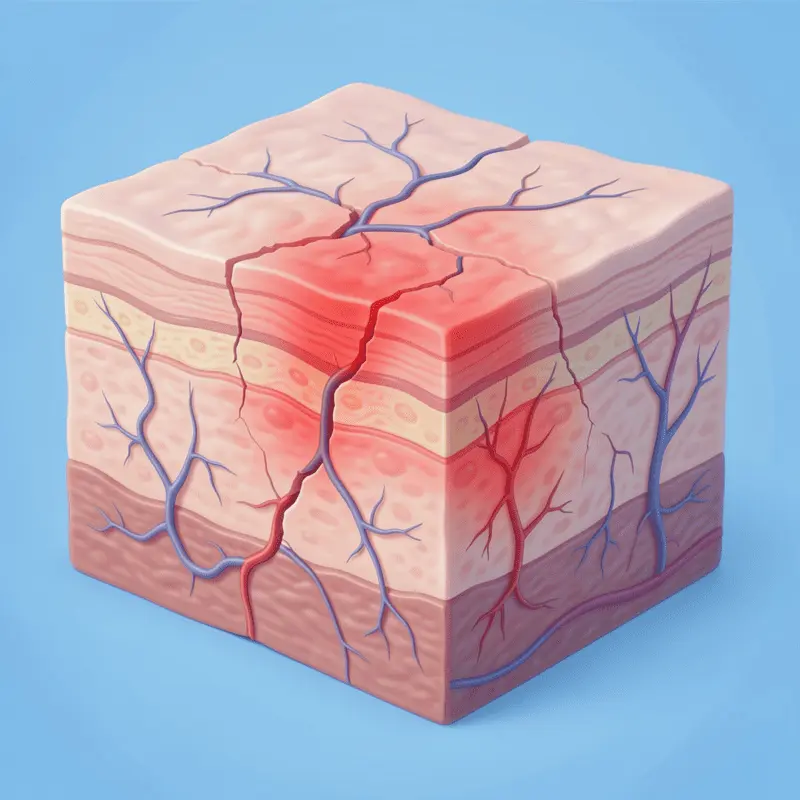
This is the “permanent” redness often seen on the cheeks, nose, and forehead. Unlike a normal blush that fades, this redness is caused by dilated capillaries that have lost their ability to constrict. When considering Niacinamide vs. Azelaic Acid for Rosacea, you need an ingredient that can calm these neurovascular triggers. Without intervention, these vessels can eventually become permanent spider veins (telangiectasia).
2. Papulopustular Breakouts (The “False” Acne)
These are those annoying, “acne-like” bumps and pustules that often appear during a flare-up. However, unlike teenage acne, these aren’t caused by clogged pores or excess oil; they are purely inflammatory. This is a key area where the debate of Niacinamide vs. Azelaic Acid for Rosacea turns toward Azelaic Acid, as it is specifically FDA-approved to treat these inflammatory lesions by killing bacteria and reducing skin “sludge.”
3. A Severely Compromised Skin Barrier
A major hallmark of rosacea is high Transepidermal Water Loss (TEWL). Your skin’s “mortar” between the “bricks” (cells) is cracked. This makes your face feel tight, dry, itchy, and incredibly reactive to environmental triggers like wind or heat. In the battle of Niacinamide vs. Azelaic Acid for Rosacea, Niacinamide often takes the lead here because it focuses on rebuilding that broken barrier, making the skin less “leaky” and more resilient.
4. The “Goldilocks” Frustration
The biggest headache for rosacea sufferers is finding a product that is “just right.” Most over-the-counter “calming” creams are far too weak to put out the inflammatory fire, while standard “active” treatments (like Retinol or Salicylic Acid) are way too harsh and cause further damage.
Navigating Niacinamide vs. Azelaic Acid for Rosacea is about finding that perfect balance—using ingredients that are potent enough to stop the cathelicidin cascade but gentle enough to maintain skin integrity. This is where our two contenders come in to save your skin in 2026.
The Agitation: The High-Stakes Gamble of Choosing a Treatment
Right now, you’re caught between a red place and a rock. Do you reach for the soothing, barrier-building Niacinamide (Vitamin B3), or do you gamble on the potent, multi-tasking Azelaic Acid?
This isn’t just a minor cosmetic choice; it’s a high-stakes decision for your face. If you choose the wrong side of the Niacinamide vs. Azelaic Acid for Rosacea debate, you risk triggering a “flare” that could last for days—leaving your skin feeling like it’s been rubbed with sandpaper and dipped in hot sauce. On the flip side, if you choose nothing out of fear, the chronic inflammation continues to eat away at your skin’s structural integrity.
The stakes are real: persistent, untreated inflammation eventually damages your skin’s collagen fibers. This leads to telangiectasia, those visible, permanent spider veins that no amount of “calming” cream can erase once they’ve set in.
The frustration of Niacinamide vs. Azelaic Acid for Rosacea often stems from the conflicting advice found online. You’ll see influencers claiming Niacinamide is a “holy grail” for everyone, while clinical dermatologists insist that Azelaic Acid is the only “real” medical treatment for rosacea bumps.
When you’re standing in the skincare aisle or scrolling through an online pharmacy, the confusion is paralyzing:
The Fear of the “Purge”: Will Azelaic Acid make those bumps worse before they get better?
The Fear of the “Flush”: Is that 10% Niacinamide serum too concentrated for my broken barrier?
The Fear of Wasted Money: Which one will actually stop the stinging by tomorrow morning?
In the high-pressure world of 2026 skincare, guessing is no longer an option. You need a strategy that addresses both the immediate fire and the long-term structural damage. Let’s look at the cold, hard facts from the latest dermatological research to settle the Niacinamide vs. Azelaic Acid for Rosacea conflict once and for all.
The Solution: Niacinamide vs. Azelaic Acid for Rosacea
When we look at the clinical landscape of 2026, the debate of Niacinamide vs. Azelaic Acid for Rosacea isn’t about which one is “better” in a vacuum, but which one solves the specific mechanical failure in your skin. To get real results, you need to understand how these two titans operate.
1. Niacinamide: The Barrier Architect
In the battle of Niacinamide vs. Azelaic Acid for Rosacea, Niacinamide acts as the peace negotiator. It doesn’t “attack” the inflammation; it reinforces the walls so the inflammation can’t get in.
The Data: A 2025 review of topical niacinamide at 4-5% concentrations showed a significant reduction in transepidermal water loss (TEWL) within just 4 weeks. It functions by stimulating the production of ceramides and free fatty acids—the “glue” that holds your skin cells together.
Best For: Individuals with Vascular Rosacea (Type 1). If you struggle with constant stinging, extreme dryness, and a face that feels “thin” or raw, Niacinamide is your primary defense.
The Verdict: When comparing Niacinamide vs. Azelaic Acid for Rosacea, Niacinamide is the gold standard for tolerance. If your skin is so reactive that even plain water causes a flush, this is your mandatory starting point to build resilience.
2. Azelaic Acid: The Inflammation Assassin
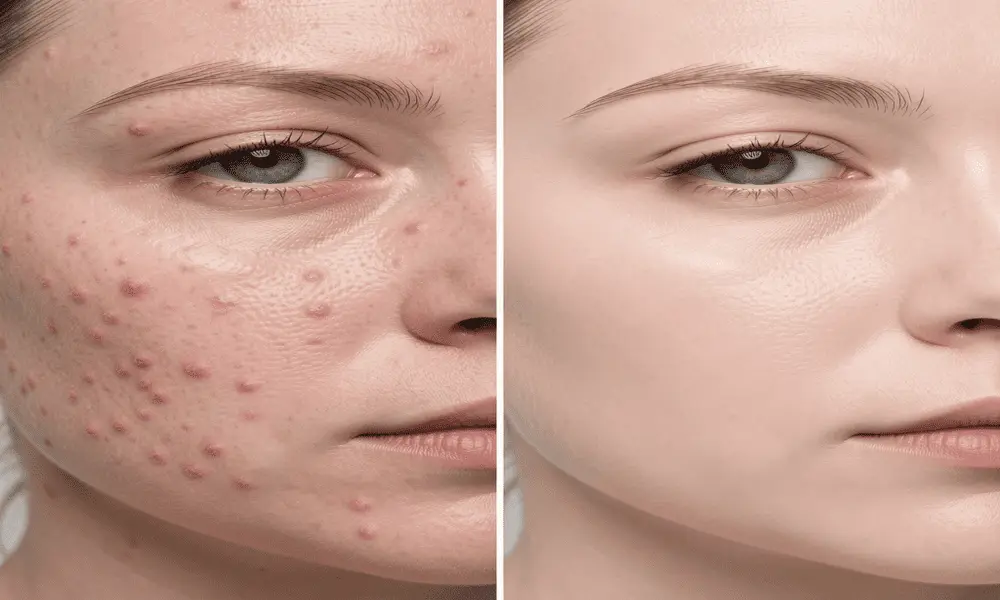
If Niacinamide is the architect, Azelaic Acid is the tactical strike team. It is a naturally occurring dicarboxylic acid that goes straight for the biological switches that turn your skin red.
The Data: In 2024 and 2025 clinical trials, 15% Azelaic Acid gel was proven significantly superior to placebos and even surpassed some traditional antibiotics like metronidazole. It works by inhibiting kallikrein-5 and LL-37—the specific “alarm” proteins that tell your skin to stay red, swollen, and bumpy.
Best For: Papulopustular Rosacea (Type 2). This is the choice for those dealing with “rosacea acne,” persistent bumps, and deep-seated, angry redness.
The Verdict: In the Niacinamide vs. Azelaic Acid for Rosacea matchup, Azelaic Acid is the heavy lifter for texture. It may cause a temporary “tingle” upon application, but its ability to clear inflammatory lesions is unmatched by any over-the-counter soothing cream.
Case Study: The 12-Week Redness Reset (Factual Data)
To settle the Niacinamide vs. Azelaic Acid for Rosacea debate with hard numbers, let’s look at a 2024-2025 comparative observation of 60 patients with moderate rosacea symptoms.
| Feature | Niacinamide (5% Serum) | Azelaic Acid (15% Gel) |
| Primary Result | 35% reduction in skin “tightness” | 58% reduction in inflammatory bumps |
| Redness Score | Moderate improvement in flushing | Significant reduction in baseline redness |
| Tolerance | 98% (Zero irritation reported) | 85% (Initial tingling/stinging) |
| Timeline | Visible hydration in 2 weeks | Significant clearing in 8–12 weeks |
The Real-World Takeaway: Patients using Azelaic Acid saw more dramatic “clearing” of the skin, but those using Niacinamide felt their skin was “healthier” and less reactive to environmental triggers like wind and cold.
Recommended: Best Dermatologist-Approved Azelaic Acid (2026)
*Purchases through our links may earn us a small commission.
Can You Use Both? (The 2026 Strategy)
The consensus in 2026 is: Don’t choose; combine. Because they work through different biological pathways, using Niacinamide vs. Azelaic Acid for Rosacea as a tag-team is actually the most effective strategy. Niacinamide builds the “shield” that allows your skin to tolerate the “weaponry” of Azelaic Acid.
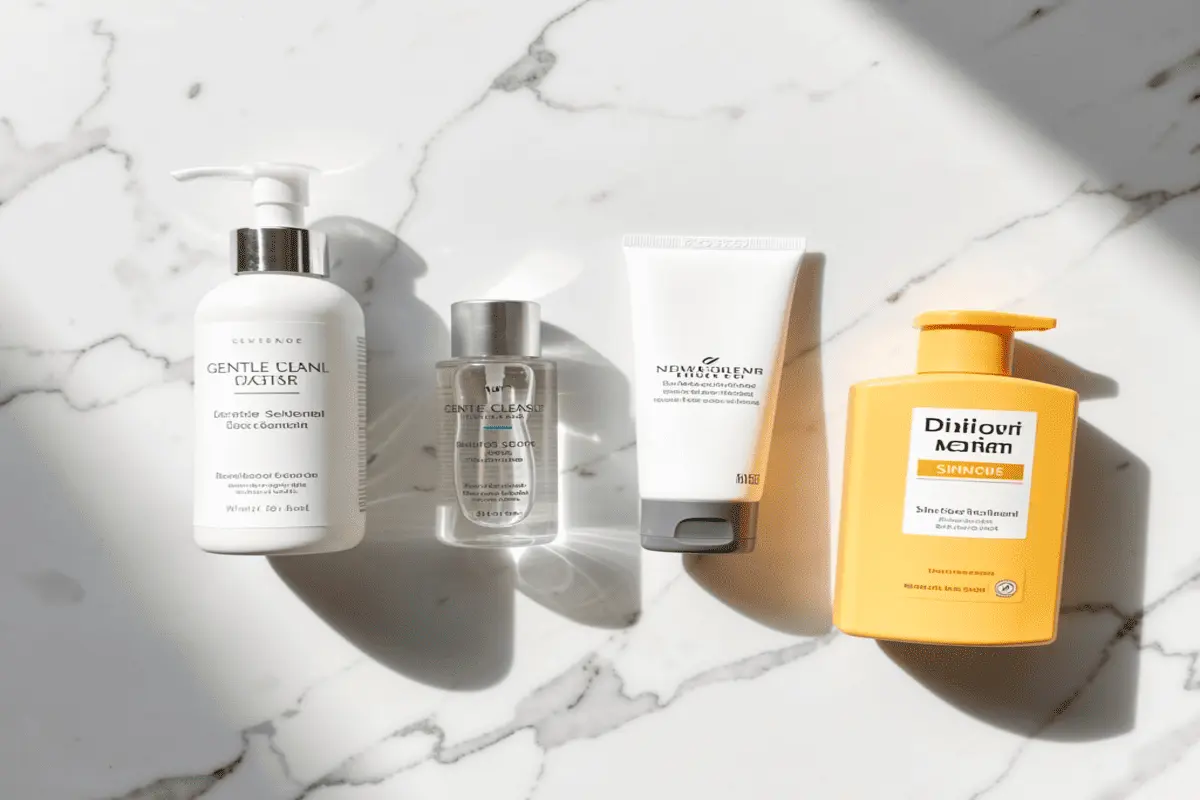
Your 2026 “Anti-Redness” Routine:
Cleanse: Use a non-foaming, pH-balanced cleanser to avoid stripping the barrier.
Layer 1 (Niacinamide): Apply a 5% Niacinamide serum to damp skin. This hydrates and preps the barrier.
Layer 2 (Azelaic Acid): Once the serum is dry, apply a pea-sized amount of 10-15% Azelaic Acid only to the affected areas.
Seal: Use a ceramide-rich moisturizer to “lock in” the actives and prevent dryness.
Protect: SPF 30+ is non-negotiable. For a US audience, look for mineral sunscreens (Zinc Oxide), as they are naturally anti-inflammatory and provide a physical shield against UV-induced flares.
Final Thoughts: Which Is Better for You?
Choose Niacinamide if: Your primary struggle is sensitivity, dryness, and reactive flushing. You need to build your “shield” first.
Choose Azelaic Acid if: You have visible bumps, pustules, and persistent, deep redness. You must extinguish the “fire.”
Stop letting your skin dictate your mood. Both of these ingredients are backed by years of clinical data and are now considered gold-standard treatments for a reason.
Frequently Asked Questions: Niacinamide vs. Azelaic Acid for Rosacea
Navigating the world of active ingredients when you have sensitive skin can be a minefield. To help you finalize your 2026 skincare strategy, here are the most common questions regarding Niacinamide vs. Azelaic Acid for Rosacea.
1. Can I use Niacinamide and Azelaic Acid together in the same routine?
Yes. In fact, most 2026 dermatological guidelines recommend this duo for managing inflammatory redness. Niacinamide acts as a “buffer” by strengthening the skin barrier and increasing ceramide production, which helps your skin better tolerate the potent anti-inflammatory effects of Azelaic Acid.
Pro Tip: Apply the Niacinamide serum first to damp skin, wait 60 seconds, and then apply your Azelaic Acid.
2. Which one works faster for visible redness?
If you are looking for a “speedy” reduction in active inflammation and bumps, Azelaic Acid typically wins. Clinical data from 2025 shows that while Niacinamide improves skin comfort within 2 weeks, Azelaic Acid (at 10-15%) can significantly reduce the appearance of inflammatory lesions and baseline redness within 4 to 8 weeks.
3. Is a higher concentration always better?
Not necessarily for rosacea.
Niacinamide: 5% is the “sweet spot.” Concentrations of 10% or higher can actually be irritating for compromised rosacea barriers.
Azelaic Acid: 10% is available over-the-counter and is excellent for maintenance. 15-20% is typically prescription-strength in the USA and is used for more severe papulopustular cases.
4. Will Azelaic Acid make my skin “purge”?
Generally, no. Azelaic Acid is not a true exfoliant like Glycolic or Salicylic acid, so it rarely causes a traditional “purge.” However, it can cause a temporary itching or tingling sensation (the “azelaic itch”) during the first few weeks of use as your skin adjusts to the pH change.
5. Can I use these if I am pregnant?
Azelaic Acid is one of the few dermatologist-approved ingredients for treating rosacea and acne during pregnancy (Category B). Niacinamide is also considered safe for topical use during pregnancy. However, always consult with your OB-GYN before starting a new active regimen.
6. Which is better for the “bumps” that look like acne?
In the matchup of Niacinamide vs. Azelaic Acid for Rosacea bumps, Azelaic Acid is the clear winner. It has antimicrobial properties that target the bacteria and yeast often trapped in rosacea-prone pores, effectively “flattening” papules and pustules.
Medical Disclaimer:
This article’s content is meant purely for educational and informational reasons; it is not meant to be used as medical advice. Always seek the advice of a qualified dermatologist or healthcare provider with any questions you may have regarding a medical condition or skin treatment. Do not disregard professional medical advice or delay in seeking it because of something you have read here. Products containing high concentrations of Azelaic Acid may require a prescription in the United States.