PCOS Hair Loss Treatment USA (2026 Guide): Causes, Medications & Natural Solutions
PCOS Hair Loss Treatment USA (2026 Guide): Natural Remedies, Drugs, and Causes
PCOS Hair Loss Treatment USA is becoming one of the most searched women’s health topics as more women connect hormonal imbalance with thinning hair. If you’re noticing widening parts, excessive shedding, or thinning at the crown along with irregular periods or acne, your hair loss may be linked to Polycystic Ovary Syndrome (PCOS).
The good news? PCOS-related hair loss is treatable. With the right medical therapy, hormone regulation, and supportive lifestyle changes, many women in the United States see visible improvement within months.
This comprehensive 2026 guide explains:
- Why PCOS causes hair thinning
- The most effective medical treatments in the USA
- Natural remedies that support hormone balance
- Whether hair can grow back
- When to see a doctor
Understanding PCOS and Its Role in PCOS Hair Loss Treatment USA
PCOS (Polycystic Ovary Syndrome) is a hormonal disorder affecting up to 1 in 10 women of reproductive age in the United States. It disrupts normal hormonal balance, leading to symptoms such as:
- Irregular menstrual cycles – Periods may be absent, infrequent, or unusually heavy.
- Elevated androgen levels – High levels of testosterone can affect hair growth patterns and skin health.
- Ovarian cysts – Fluid-filled sacs on the ovaries can influence hormone production.
- Insulin resistance – Impaired insulin processing can indirectly worsen hormone imbalance.
How Androgens Cause Hair Thinning
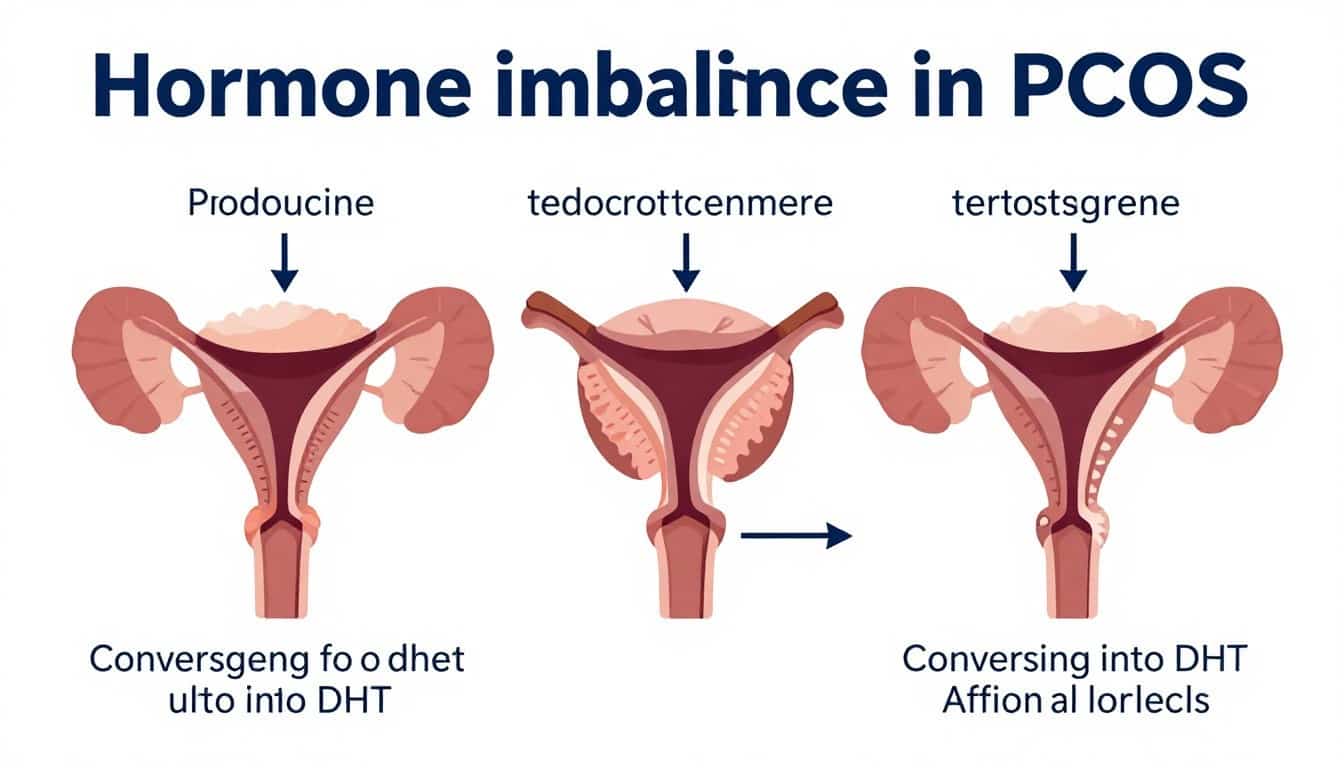
The main reason behind hair thinning in PCOS is excess androgen production. Women naturally produce small amounts of testosterone, but in PCOS, these levels are elevated. Elevated testosterone converts into DHT (dihydrotestosterone), a potent hormone that directly affects hair follicles by:
- Shrinking hair follicles, making them weaker and more fragile
- Shortening the hair growth cycle, so hairs fall out faster than they can regrow
- Causing progressive thinning at the crown, particularly in a pattern similar to male-pattern hair loss
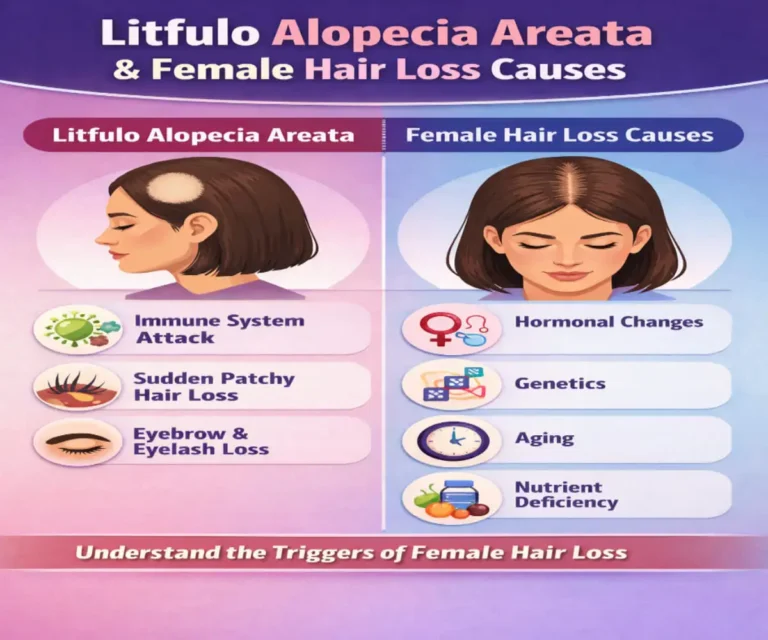
This condition is medically known as female pattern hair loss or androgenic alopecia.
Why Early PCOS Hair Loss Treatment USA Matters
Without proper PCOS hair loss treatment USA strategies, hair thinning can gradually worsen over time. Once follicles miniaturize for extended periods, regrowth becomes more challenging. Early intervention with a combination of medical therapy and lifestyle changes significantly improves results.
Recognizing Signs for Effective PCOS Hair Loss Treatment USA
PCOS-related thinning is distinct from normal seasonal shedding or temporary hair loss due to stress.
Common Physical Signs
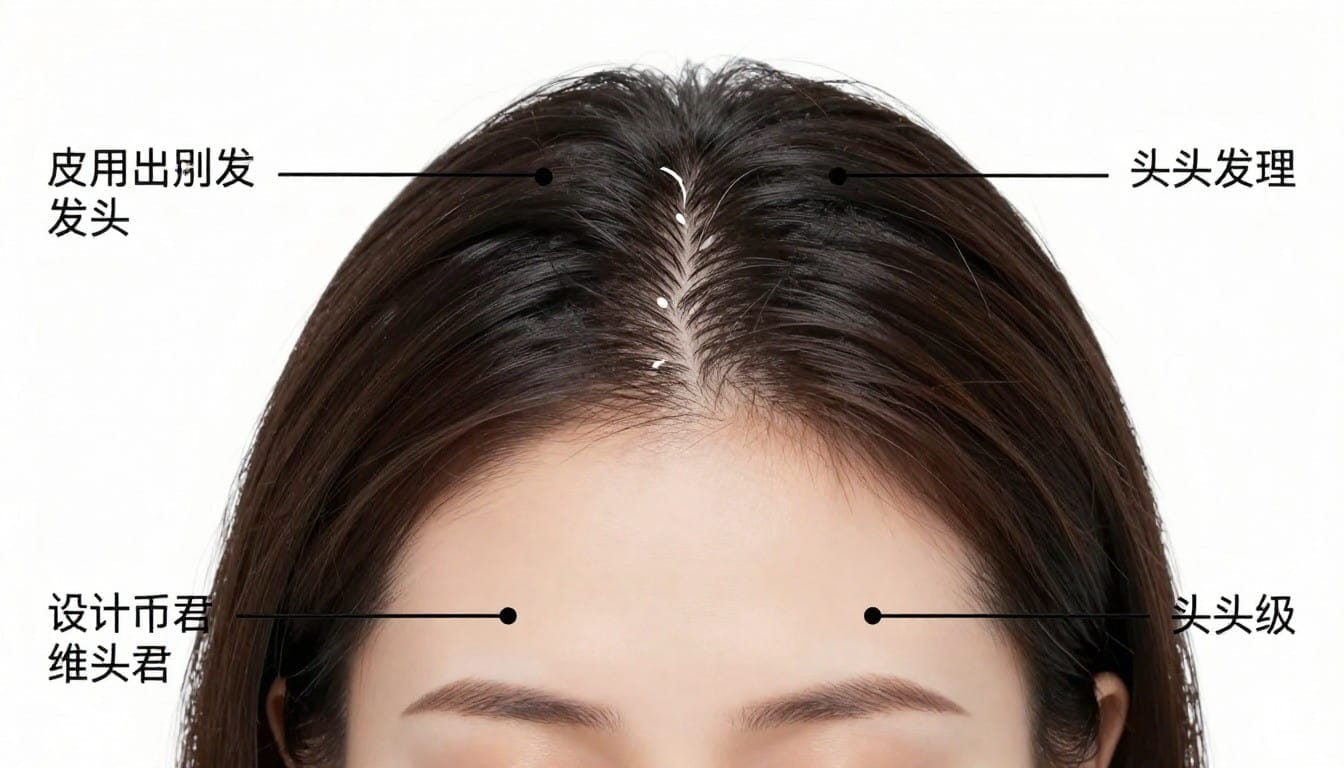
Women with PCOS may notice:
- Crown thinning: The hair at the top of the head gets progressively finer.
- Widening hair part – The center part may appear broader than before.
- Reduced hair volume – Overall density decreases, making hair appear flat.
- Increased scalp visibility – More scalp shows through the hair, especially under bright light.
- Oily scalp with acne – Elevated androgens increase sebum production, which can lead to scalp acne.
- Excess facial or body hair (hirsutism) – Dark, coarse hair may appear on the chin, chest, or arms.
Differences From Stress-Related Hair Loss
Unlike sudden hair shedding caused by stress, illness, or postpartum changes, PCOS hair loss is hormonal and progressive:
- It worsens gradually over months or years
- It often affects the crown and frontal scalp first
- Shedding may continue even if hair care routines are improved
Associated Hormonal Symptoms
Hair thinning is often accompanied by other hormonal symptoms, which can help confirm a PCOS-related pattern:
- Irregular or skipped periods
- Acne and oily skin
- Weight gain or difficulty losing weight
- Mood fluctuations or fatigue
Recognizing these signs early allows for more targeted treatment and better long-term results.
Most Effective PCOS Hair Loss Treatment USA Options in 2026
The most effective PCOS Hair Loss Treatment USA strategy combines medical therapy with lifestyle and nutritional support. Treatments focus on reducing androgen impact, improving insulin sensitivity, and stimulating hair regrowth.
Below are the most recommended options in the United States for 2026:
1. Topical Minoxidil (FDA Approved)
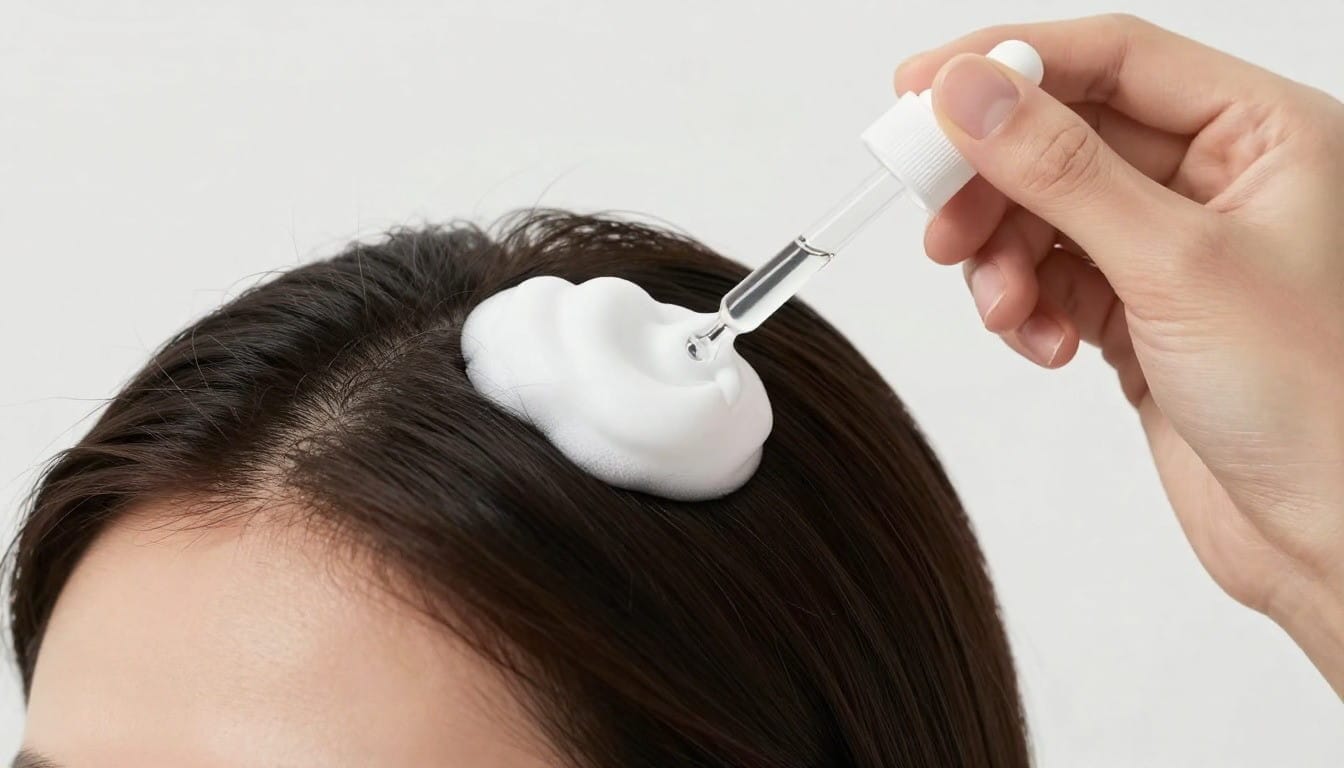
Minoxidil is the only FDA-approved over-the-counter medication for female pattern hair loss in the United States.
It is widely prescribed by dermatologists for women with PCOS-related thinning.
How Minoxidil Works:
- Increases blood flow to follicles – delivering oxygen and nutrients for healthier hair growth
- Extends the anagen (growth) phase – hair stays on the scalp longer
- Stimulates regrowth in miniaturized follicles – thickening previously thinning strands
Recommended Use:
- 5% foam applied once daily
- Consistent use is essential; results usually appear in 3–6 months
5% Minoxidil Foam
Foam is easier to use, dries quickly, and causes less scalp irritation for most women.
Disclaimer: This is an affiliate link. If you purchase through this link, we may earn a commission at no extra cost to you.
Important Notes:
- Minoxidil addresses hair thinning but does not treat the underlying hormonal imbalance
- Some women may experience scalp irritation or initial shedding during the first month
Pro Tip (USA): Minoxidil is available in most pharmacy chains such as CVS, Walgreens, and Walmart, and is affordable as a generic option.
2. Spironolactone (Anti-Androgen Prescription)
Spironolactone is a prescription drug widely used in the United States for women with PCOS-related hair loss.
Spironolactone (Prescription Anti-Androgen)
Spironolactone helps block androgen effects on hair follicles and is commonly prescribed in the USA for PCOS-related hair thinning.
Disclaimer: This is an affiliate link. If you purchase through this link, we may earn a commission at no extra cost to you.
It lessens the effect of androgens on hair follicles at the hormonal level.
Mechanism of Action:
- Blocks androgen receptors – prevents DHT from shrinking hair follicles
- Reduces testosterone effects on scalp hair – slows miniaturization
- Balances hormone activity – may also help with acne and excess facial hair
Dosage:
- Typically 50–200 mg daily under supervision of a S. physician
- Often combined with minoxidil for better results
Side Effects to Monitor:
- Frequent urination
- Mild dizziness
- Menstrual irregularities
- Requires periodic blood pressure and potassium monitoring
Pro Tip: Spironolactone is often prescribed alongside other PCOS treatments like hormonal birth control to optimize results.
3. Hormonal Birth Control Pills
Certain combination oral contraceptives containing Ethinyl estradiol are commonly used in the U.S. to manage PCOS hair loss. These pills regulate hormone levels, particularly testosterone.
Benefits for Hair Loss:
- Lowers circulating testosterone – reduces DHT conversion at hair follicles
- Regulates menstrual cycles – improves overall hormonal balance
- Reduces androgen-driven hair thinning – particularly on the scalp
Important Notes:
- Not all birth control pills are effective for PCOS hair loss
- Anti-androgenic formulations (like those containing drospirenone) are preferred
- Must be prescribed and monitored by an OB-GYN
Pro Tip: In the USA, birth control coverage under insurance often allows cost-effective access to anti-androgenic pills.
4. Metformin for Insulin Resistance
Metformin is commonly prescribed for women with PCOS who have insulin resistance, a key contributor to excess androgen production.
How It Helps:
- Improves insulin sensitivity – lowers blood sugar spikes
- Reduces ovarian androgen production – indirectly slows hair thinning
- Supports overall metabolic health – weight management, energy stabilization
Dosage and Use:
- Prescribed by endocrinologists or OB-GYNs
- Often combined with diet, exercise, and other hair treatments
Pro Tip: In the USA, metformin is widely covered by insurance and available in generic form, making it accessible for long-term management.
5. Combination Approach: Medical + Lifestyle
The most successful PCOS Hair Loss Treatment USA strategies use multiple approaches together:
- Medical treatment: Minoxidil + Spironolactone or hormonal pills
- Lifestyle management: Low-glycemic diet, regular exercise, and weight management
- Supplement support: Vitamin D, Omega-3s, and inositol
Why This Works:
- Addresses both symptoms (hair thinning) and root causes (hormonal imbalance, insulin resistance)
- Enhances follicle recovery and regrowth
- Reduces additional hair shedding from lifestyle-related stress
6. Key Takeaways for 2026
- Early intervention improves regrowth success
- Consistency is critical for medical treatments like minoxidil
- Monitoring hormones and insulin levels ensures the most effective personalized treatment
- Combining prescription therapy with diet, supplements, and stress management produces the best long-term results
Lifestyle & Natural Support to Enhance PCOS Hair Loss Therapy in the USA
While medical treatments like minoxidil, spironolactone, and hormonal therapy are often necessary for PCOS-related hair thinning, lifestyle strategies and nutritional support play a crucial role in enhancing outcomes. Combining these approaches helps address the root hormonal causes while supporting hair follicle health.
1. Improve Insulin Sensitivity with Diet
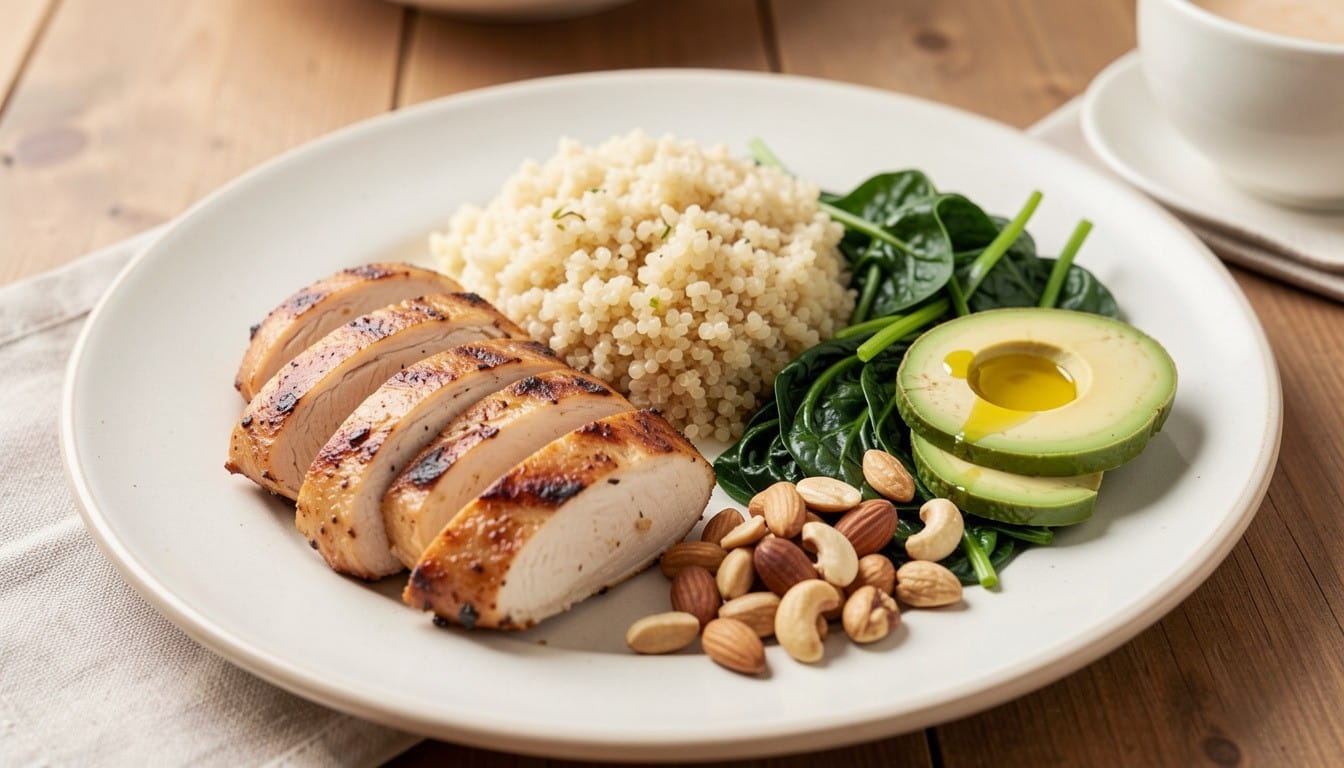
Insulin resistance is a key driver of androgen overproduction in women with PCOS. Improving insulin sensitivity can indirectly reduce hair loss.
Recommended Foods:
- Lean proteins: Chicken, turkey, tofu, eggs
- Fiber-rich vegetables: Spinach, broccoli, kale
- Whole grains: Quinoa, brown rice, oats
- Healthy fats: Avocado, olive oil, nuts, seeds
Foods to Avoid:
- Refined sugars and desserts
- Processed carbohydrates like white bread and pastries
- Sugary drinks and sodas
Exercise Matters:
Regular physical activity improves insulin response, hormone balance, and overall metabolic health. Simple routines like brisk walking, swimming, or strength training 3–5 times a week can make a significant difference.
2. Inositol Supplements
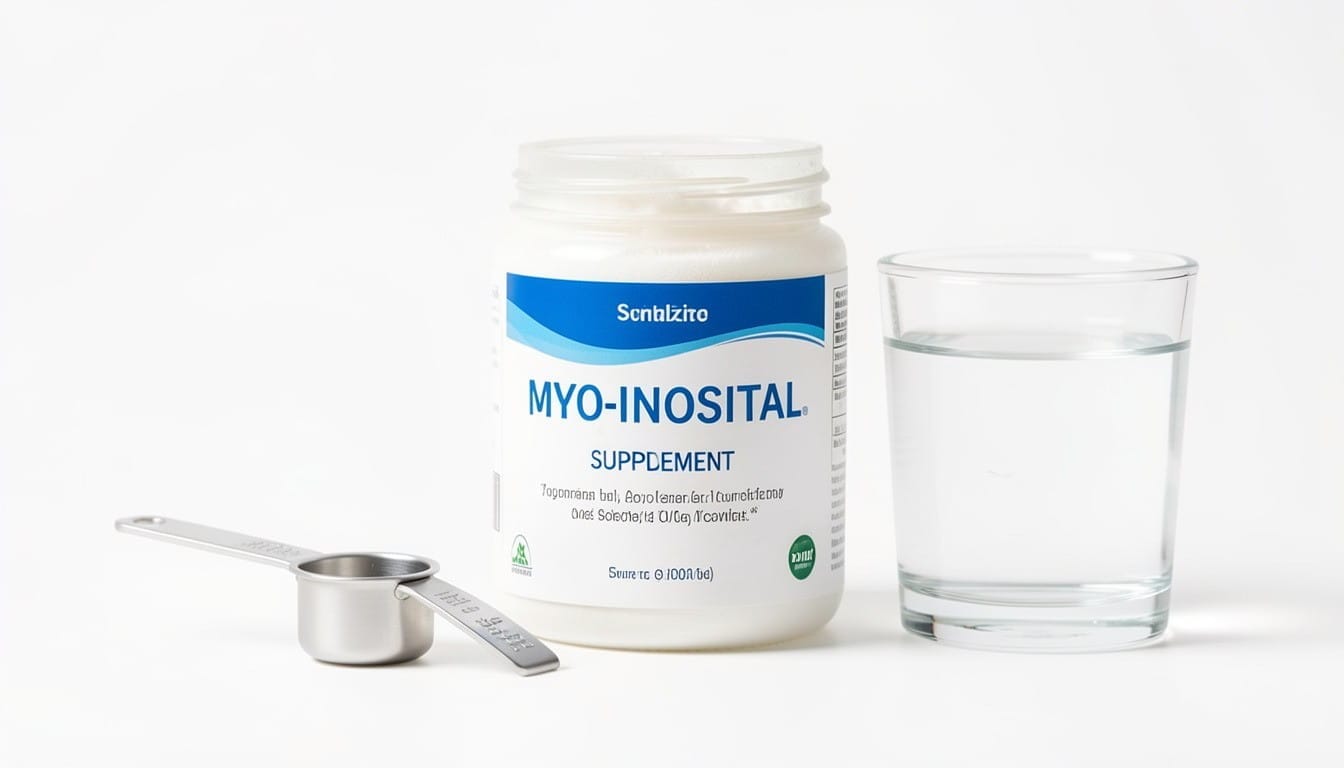
Myo-inositol and D-chiro inositol supplements have shown promising results for women with PCOS.
Myo-Inositol & D-Chiro Inositol Supplements
Inositol supplements may help improve insulin sensitivity and support hormonal balance in women with PCOS.
Disclaimer: This is an affiliate link. If you purchase through this link, we may earn a commission at no extra cost to you.
They:
- Improve insulin sensitivity
- Reduce circulating testosterone levels
- Support ovulatory cycles
Dosage Tip (USA):
Most supplement brands recommend 2–4 grams daily, usually divided into two doses. Always consult a physician before starting supplements, especially if taking prescription medications.
3. Vitamin D Optimization
Vitamin D deficiency is common among women with PCOS and can affect hair follicle cycling. Adequate vitamin D levels support:
- Healthy hair growth
- Hormonal balance
- Immune system regulation
Pro Tips:
- Get your levels tested by your doctor
- Supplementation may range from 1,000–5,000 IU daily depending on deficiency
- Sunlight exposure for 15–20 minutes daily can help maintain natural vitamin D
4. Omega-3 Fatty Acids
Omega-3 fatty acids help reduce inflammation and may assist in regulating androgen activity. Sources include:
- Fatty fish (salmon, sardines, mackerel)
- Chia seeds and flaxseeds
- Walnuts
How Omega-3 Helps Hair:
Reducing scalp inflammation improves follicle health, and balancing hormones helps reduce excessive shedding caused by PCOS.
5. Stress Management Techniques

Chronic stress elevates cortisol, which disrupts normal hormonal balance and can worsen hair loss. Managing stress is an essential part of a PCOS Hair Loss Treatment USA plan.
Effective Strategies:
- Yoga & Meditation: Reduce cortisol and improve mindfulness
- Daily Walking or Light Exercise: Supports insulin balance and stress relief
- Deep Breathing Exercises: Helps regulate nervous system and hormone levels
- Sleep Optimization: Aim for 7–8 hours per night to allow hormone recovery
Tip: Consistent stress management improves response to medical treatments and supports hair regrowth over time.
6. Additional Lifestyle Recommendations
- Steer clear of heat and harsh styling to lessen damage from regular chemical treatments, blow-drying, and straightening.
- Gentle Hair Care Products: Choose sulfate-free shampoos and conditioner formulas
- Scalp Massage: Stimulates blood flow to follicles and supports topical treatment absorption
7. Why Lifestyle Support Matters
Even the best medical treatments for PCOS hair loss are more effective when combined with proper diet, supplements, stress management, and lifestyle changes.
In fact, integrating these strategies can:
- Reduce androgen overproduction
- Strengthen miniaturized hair follicles
- Improve overall metabolic and hormonal health
By adopting these habits alongside prescription or OTC treatments, women in the USA can maximize results from their PCOS Hair Loss Treatment USA plan.
Hair Regrowth Potential with PCOS Hair Loss Treatment USA
Yes — hair regrowth is possible, especially if PCOS is treated early. The key factor is whether hair follicles are miniaturized but still alive. Once follicles are permanently damaged, regrowth becomes limited.
Hair Recovery Timeline
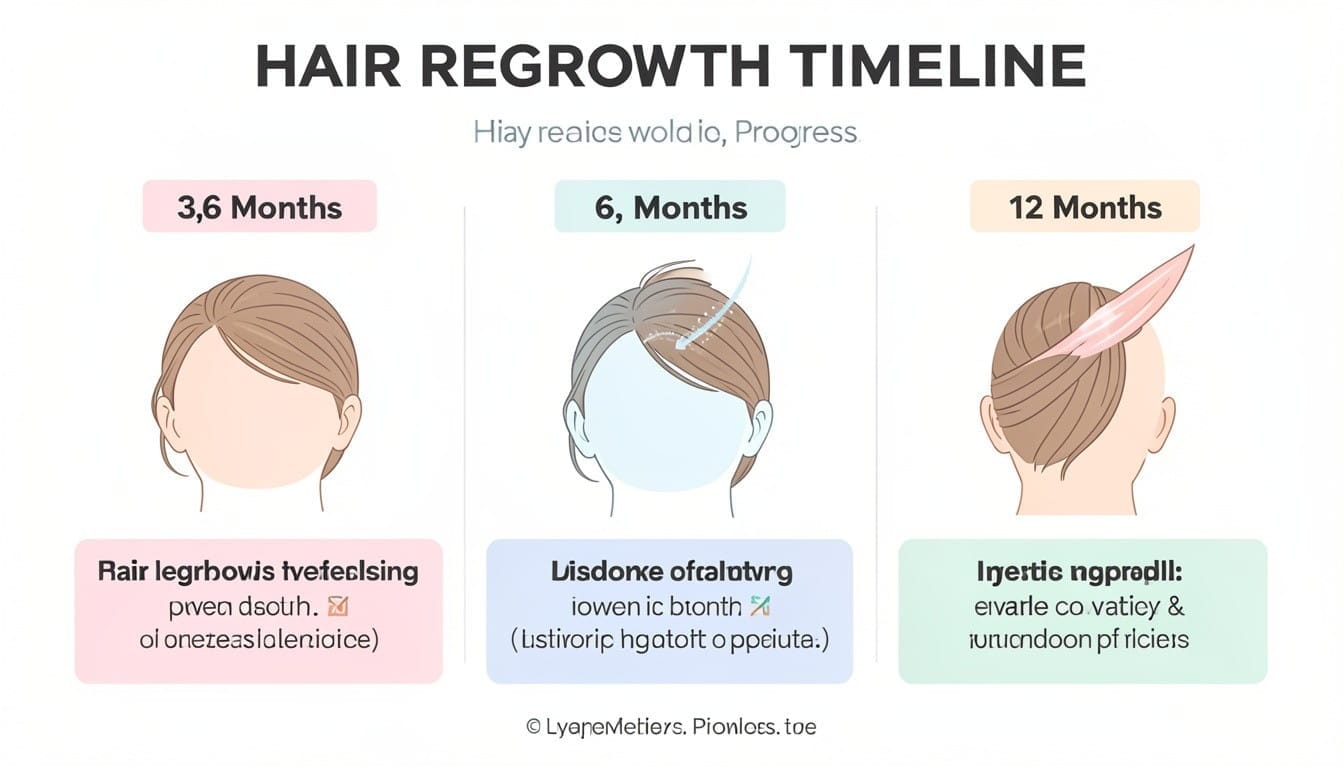
Recovery varies by individual, but most women can expect the following progression with consistent treatment:
- 3 months: Shedding slows down and hair breakage reduces
- 6 months: Noticeable thickening and improved scalp coverage
- 9–12 months: Overall hair density improves, and new growth strengthens
Important Note:
Long-term untreated androgen exposure can permanently shrink follicles, making early intervention critical. Consistency with medical treatment and lifestyle changes is essential for success.
Step-by-Step PCOS Hair Loss Treatment USA Plan
For women in the United States, the most effective PCOS hair loss strategy combines medical therapy, lifestyle modifications, and careful monitoring.
Step 1: Confirm PCOS Diagnosis
- Blood tests to check testosterone, DHEA-S, insulin, and thyroid levels
- Ultrasound to detect ovarian cysts
- Clinical assessment of symptoms like irregular periods, acne, and excess hair
Step 2: Start Hormone Regulation
- Birth control pills with anti-androgenic properties
- Spironolactone to block androgen effects
- Goal: Reduce DHT formation and stabilize hormone levels
Step 3: Add Topical Minoxidil
- 5% foam once daily for women
- Stimulates follicle activity and improves regrowth
- Works best when combined with hormonal treatment
Step 4: Improve Insulin Sensitivity
- Low-glycemic diet: lean proteins, vegetables, whole grains, healthy fats
- Regular exercise to support hormone balance
- Supplements like inositol can help improve insulin response
Step 5: Correct Vitamin Deficiencies
- Vitamin D, zinc, and Omega-3 fatty acids support follicle health
- Testing and supplementation should be guided by a healthcare provider
Step 6: Monitor Progress
- Track hair density, shedding, and hormonal symptoms every 3–6 months
- Adjust medications or lifestyle plans based on response
- Patience is key — regrowth takes time, often 6–12 months
When to See a Specialist in the USA
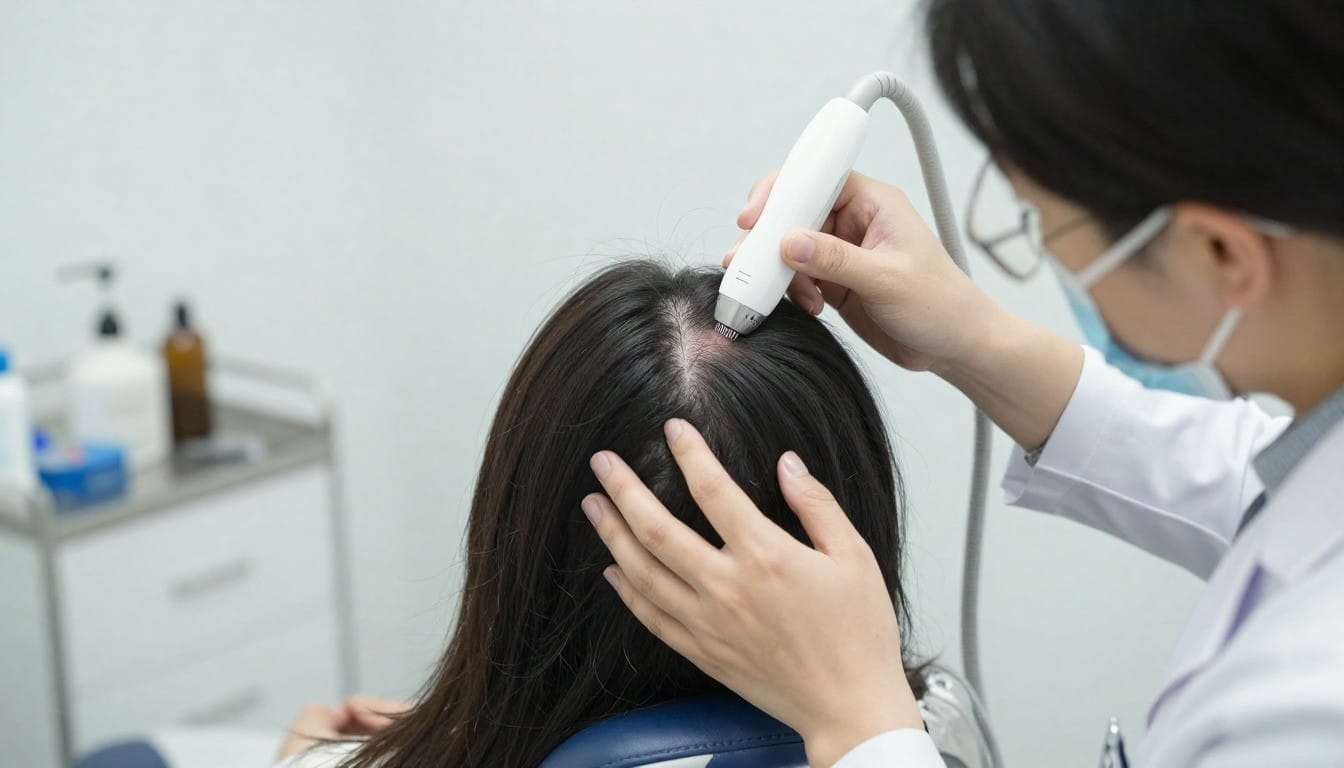
Early consultation is critical for the best outcomes. Seek professional evaluation if you notice:
- Rapid thinning at the crown
- Hair loss accompanied by irregular periods
- Excess facial or body hair
- Sudden weight gain or other metabolic changes
Recommended Specialists
- Dermatologist: Focus on scalp health and medical hair treatments
- Endocrinologist: Manage hormonal imbalances and insulin resistance
- OB-GYN: Oversee reproductive health, menstrual cycles, and anti-androgen therapies
Why Early Diagnosis Matters:
The sooner hormonal imbalances are addressed, the higher the likelihood of regrowth and preventing permanent follicle damage.
Key Takeaways
- Early treatment = better results
- Combination therapy (medical + lifestyle) is most effective
- Consistency matters: Skipping medications, diets, or topical applications reduces efficacy
- Monitor & adjust: Regular follow-ups with specialists improve outcomes
- Lifestyle support strengthens medical treatment and improves overall hormonal health
What Does NOT Work for PCOS Hair Loss
While there are countless home remedies and viral solutions online, many are ineffective for PCOS-related hair loss because they don’t address the underlying hormonal imbalance.
Ineffective Standalone Treatments
Some commonly promoted but ineffective methods include:
- Random hair oils – Nourish hair superficially but cannot reduce DHT or androgen effects
- Collagen supplements alone – Support general hair strength but do not target hormonal causes
- Expensive shampoos or serums – Improve scalp texture but cannot reverse androgen-driven follicle miniaturization
Key Insight:
Shampoos and topical treatments can support scalp health and reduce breakage but cannot act as a standalone solution. The foundation of any effective PCOS Hair Loss Treatment USA plan is hormonal regulation, including medical therapy and lifestyle support.
Emotional Impact of PCOS Hair Loss
Hair thinning caused by PCOS can have significant emotional and psychological effects:
- Self-confidence: Thinning hair often affects personal appearance perception
- Social comfort: Women may feel self-conscious in public or social situations
- Emotional wellbeing: Anxiety, stress, or frustration can develop due to persistent hair loss
Coping and Management
- Medical care: Early diagnosis and treatment can halt or reverse hair thinning
- Lifestyle changes: Diet, stress management, and supplements support overall hormonal health
- Support networks: Talking with support groups or healthcare professionals reduces emotional strain
Encouraging Note:
PCOS is manageable. With the right combination of medical therapy, lifestyle adjustments, and patience, many women regain both hair density and confidence, improving their overall quality of life.
Final Takeaway
- Avoid relying on unverified viral remedies
- Focus on a comprehensive PCOS Hair Loss Treatment USA plan: hormonal therapy + lifestyle + medical support
- Emotional health is just as important as physical regrowth
- Early intervention maximizes hair recovery and reduces long-term follicle damage
Frequently Asked Questions About PCOS Hair Loss Treatment USA
Q: Is PCOS hair loss permanent?
Not always. With early PCOS Hair Loss Treatment USA, the chance of hair regrowth is much higher, especially when medical therapy is combined with lifestyle changes.
Q: How long does PCOS hair regrowth take?
Most women see visible improvement within 6–12 months of consistent PCOS Hair Loss Treatment USA, particularly when combining topical, prescription, and lifestyle strategies.
Q: Can I treat PCOS hair loss naturally?
Natural methods like diet, supplements, and stress management support PCOS Hair Loss Treatment USA, but moderate to severe cases often require medical therapy for best results.
Q: Is hair transplant an option?
Hair transplants are usually considered only after hormones are stabilized through proper PCOS Hair Loss Treatment USA; otherwise, transplanted hair may thin again.
Final Thoughts on PCOS Hair Loss Treatment USA
PCOS-related hair thinning is hormonal, progressive, and emotionally challenging — but it is treatable with the right PCOS Hair Loss Treatment USA plan.
The most effective strategy combines:
- Hormonal regulation
- FDA-approved therapies like minoxidil and spironolactone
- Insulin control through diet, exercise, or supplements
- Nutritional optimization (Vitamin D, Omega-3, Inositol)
- Stress management and lifestyle support
Early medical guidance ensures that PCOS Hair Loss Treatment USA not only protects hair but also supports long-term hormonal and metabolic health.
Consistency, patience, and a comprehensive treatment plan make all the difference in achieving lasting results with PCOS Hair Loss Treatment USA.
Disclaimer
The information provided in this article on PCOS Hair Loss Treatment USA is for educational and informational purposes only and is not intended as medical advice. Always consult a licensed healthcare professional, such as a dermatologist, endocrinologist, or OB-GYN, before starting any treatment, medication, supplement, or lifestyle change for PCOS-related hair loss. Individual results may vary, and this content does not guarantee hair regrowth or treatment outcomes. Reliance on any information in this article is at your own risk.