
How to Get Rid of Stubborn Melasma: Top Prescription Creams for Melasma USA
How to Get Rid of Stubborn Melasma: Top Prescription Creams for Melasma USA (2026 Guide)
Melasma is a complex skin condition that often requires more than just over-the-counter brightening serums. If you are dealing with deep-seated pigmentation, understanding the role of prescription creams for melasma is the first step toward clear skin. In the USA, dermatologists have access to high-potency ingredients that are significantly more effective than standard retail products.
The Science of Dermal Pigmentation: Why Depth Matters
When we talk about “stubborn” cases, we are usually referring to dermal melasma. Most over-the-counter brightening products are designed for “epidermal” issues—the very top layer of your skin.
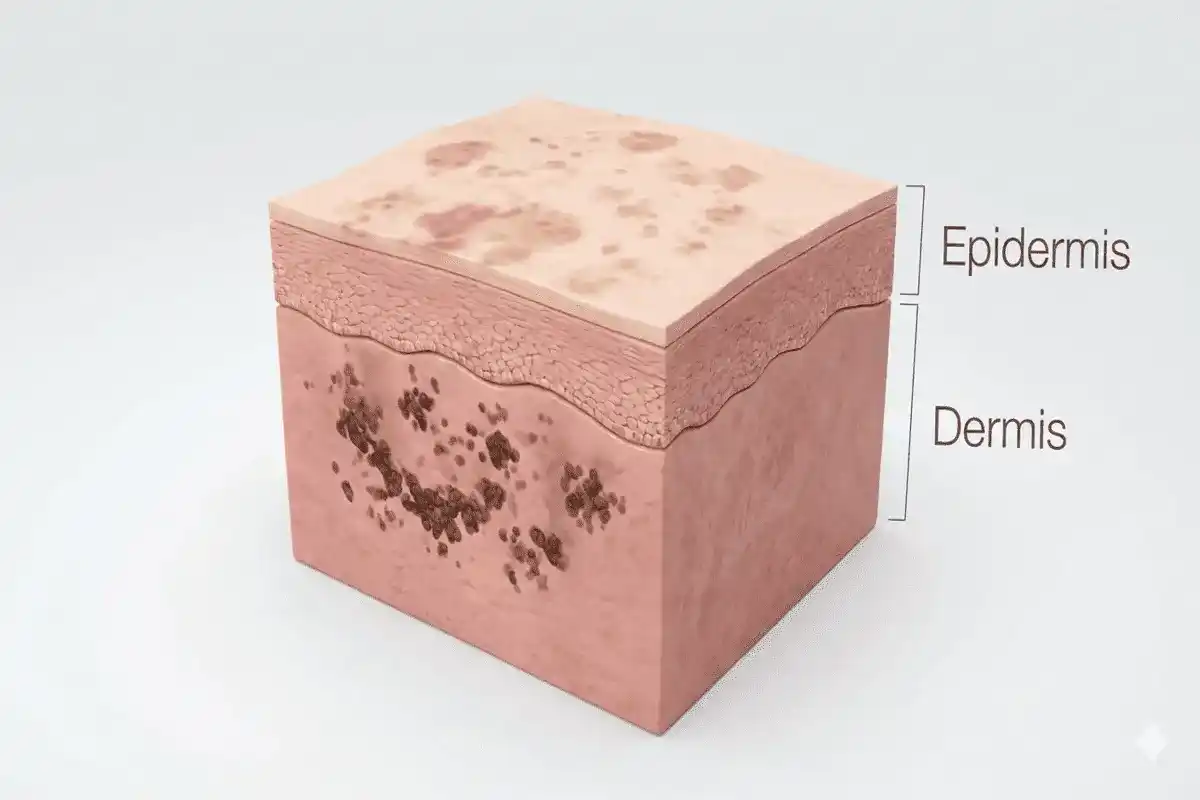
However, melasma is often located in the dermis (the second layer).
Standard retail serums have large molecules that simply cannot travel deep enough to reach these pigment-producing cells. This is where prescription creams for melasma differ; they are formulated with specialized penetrants that act as a “vehicle,” carrying the active ingredients through the skin’s barrier to the root of the problem.
Tyrosinase Inhibition: The Medical Approach to Pigment
To understand why you need a doctor-prescribed formula, you must understand an enzyme called Tyrosinase. Think of this enzyme as the “on switch” for your skin’s pigment production.
While a basic Vitamin C Serum provides a mild “off” signal, prescription creams for melasma provide a total “blackout.” By using high-strength inhibitors like 4% Hydroquinone or Azelaic Acid, these medical treatments physically block the chemical reaction that turns tired skin cells into dark brown patches. This level of biological control is only possible with concentrated, regulated medications.
The Role of Inflammation and the Basement Membrane
Recent research in the USA has shown that melasma is not just a pigment issue—it is an inflammatory issue. Stubborn patches are often caused by a “leaky” basement membrane (the wall between your skin layers). When this wall is weak, pigment drops down into the deeper layers of the skin, where OTC products can never reach.
Advertisement
Prescription creams for melasma—especially those containing mild corticosteroids or Tretinoin—work to repair the skin’s structural integrity. By calming inflammation and strengthening the skin barrier, these medical-grade treatments ensure that once the dark spots are gone, they are less likely to “leak” back into the deeper layers of your skin.
Why the “Gold Standard” in the United States is hydroquinone
In the United States, prescription creams for melasma containing Hydroquinone are favored by dermatologists because they have decades of clinical data backing their efficacy. While newer ingredients are emerging in 2026, nothing has yet surpassed the speed at which a 4% or 6% Hydroquinone cream can “turn off” overactive pigment cells. For patients with deep, bilateral patches on the cheeks or forehead, these medical-grade lighteners are often the first line of defense.
The Importance of “Cycling” Your Prescription Creams for Melasma
One of the most critical aspects of using high-potency Hydroquinone is the concept of “cycling.” American skin experts recommend using these topical treatments for a period of 3 to 4 months, followed by a “rest period” of equal length.
During this break, patients typically switch to non-hydroquinone prescription creams for melasma, such as Azelaic Acid or Cysteamine. This prevents a rare but serious side effect called Ochronosis (a permanent blue-black darkening of the skin) and ensures your melanocytes do not become “resistant” to the medication.
Stabilized Delivery Systems: Obagi vs. Generic Formulas
When choosing between various prescription creams for melasma, the “delivery system” is just as important as the active ingredient.
Recommended for You
Obagi Nu-Derm Clear: This is widely considered the premium choice in the USA because its formula is “stabilized.” Hydroquinone is notorious for oxidizing (turning brown) when exposed to air. Obagi’s patented system ensures the clinical formula remains potent until the very last drop.
Lustra and Compounded Creams: These are excellent for patients with dry skin. Because Hydroquinone can be drying, these prescribed versions often include skin-soothing bases that help maintain the Skin Barrier.
Safety and Regulations for Hydroquinone in 2026
Since the CARES Act in the USA, 2% Hydroquinone is no longer available over the counter. This means that if you want the “Gold Standard” treatment, you must obtain prescription creams for melasma through a licensed healthcare provider. This regulation ensures that patients are monitored for irritation and are instructed on the proper use of high-potency Sunscreen for Sensitive Skin to protect their progress.
The Synergy of the “Triple-Combination” Therapy
What makes Tri-Luma stand out among all other prescription creams for melasma in 2026 is its “synergy.” Each ingredient is specifically chosen to support the other.
While Hydroquinone stops the pigment from being made, the Tretinoin acts like an “accelerator,” pushing the old, dark skin cells to the surface so they can be shed. Without the retinoid, the bleaching agent would take much longer to show results. Most importantly, the Fluocinolone (the steroid) acts as a “buffer.”

The powerful triple-combination formula found in many Prescription Creams for Melasma blends hydroquinone, tretinoin, and a soothing corticosteroid Since both hydroquinone and tretinoin can be irritating, the steroid calms the skin, making this one of the most tolerable medical-grade treatments for moderate to severe cases.
The 8-Week Clinical Timeline: What to Expect
In clinical trials conducted in the USA, patients using this doctor-prescribed formula saw significant clearing within just 8 weeks of daily use.
Weeks 1-2: You may experience mild redness or “micro-peeling.” This is a sign that the Tretinoin is working to resurface your skin.
Weeks 3-4: The stubborn patches begin to break up and appear “mottled” or lighter in some spots.
Week 8: The full depigmenting effect of the Hydroquinone becomes visible, resulting in a more even skin tone.
Because of its potency, American dermatologists typically recommend using this topical medication for a maximum of 8 weeks before transitioning to a maintenance routine using a Dermatologist Recommended Vitamin C Serum.
Why Tri-Luma is the Only FDA-Approved “Triple” Formula
While many pharmacies offer “compounded” versions of these three ingredients, Tri-Luma remains the only brand-name prescription cream for melasma that has passed rigorous FDA safety testing for this specific combination.
For American patients, this provides a level of quality control that ensures the ingredients haven’t oxidized or lost their strength. When you use this clinical formula, you are guaranteed a stabilized 4% Hydroquinone concentration, which is essential for safely treating dermal pigmentation without causing permanent damage to the skin’s basement membrane.
The Science of Cysteamine in Prescription Creams for Melasma
Cyspera (Cysteamine) represents a massive shift in how we treat pigmentation in the USA. Unlike Hydroquinone, which “kills” the pigment-producing cells, Cysteamine is a biological compound that naturally exists in our bodies.
When used in high-potency medical-grade formulas, it works by inhibiting multiple steps in the melanin-synthesis pathway. Because it is an antioxidant, it doesn’t carry the same risk of cellular toxicity found in some other prescription creams for melasma. This makes it an ideal choice for patients who have reached their 6-month limit on bleaching agents but still need a powerful maintenance plan to keep dark patches away.
Why “Short-Contact Therapy” is Different
The application of Cyspera is unique among topical treatments for melasma. Unlike traditional creams that you leave on all night, Cyspera is applied as a “Short-Contact” mask.
Application: You apply the cream to an unwashed face for only 15 minutes.
Removal: You wash it off with a gentle cleanser.
Moisturizing: You follow up with a Barrier Repair Cream.
This method allows the active ingredients to penetrate the dermis without staying on the skin long enough to cause the redness or “burning” sensation common with other prescription creams for melasma.
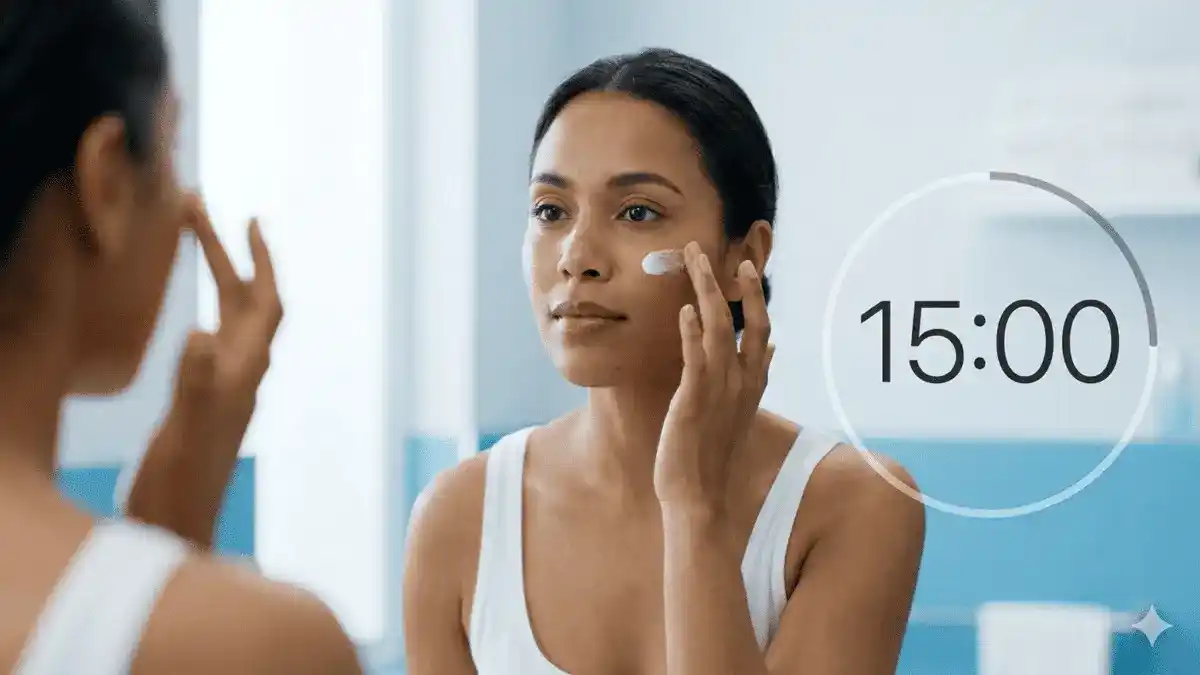
For American patients with busy morning routines, this 15-minute intensive treatment is a much more convenient way to manage stubborn pigmentation.
Cyspera Intensive System
- Safe for long-term daily use
- Clinically proven 67% reduction
- Best for all skin types
Cyspera for Fitzpatrick Skin Types IV-VI
In the United States, dermatologists often struggle to treat melasma in patients with darker skin tones because many clinical formulas can cause “Post-Inflammatory Hyperpigmentation” (PIH).
Cyspera has become a “top-tier” choice for these patients because it has zero risk of causing Ochronosis or permanent skin bleaching. By using this doctor-prescribed alternative, patients can achieve a significant reduction in pigment—often up to 67% in 16 weeks—without the fear of “rebound” darkening that often happens when stopping traditional prescription creams for melasma.
The Systemic Breakthrough: Why Oral Tranexamic Acid Works
While prescription creams for melasma act on the surface and the upper dermis, oral Tranexamic Acid (TXA) works from the inside out. In 2026, American dermatologists are increasingly using this “systemic approach” to treat the underlying vascular triggers of melasma.
A synthetic version of the amino acid lysine is called TXA. It works by inhibiting plasminogen activator, which in turn reduces the inflammatory signals that tell your melanocytes to produce excess pigment. For patients whose patches flare up due to heat or hormonal shifts, combining this internal pill with high-potency medical-grade treatments offers a comprehensive solution that topical-only routines cannot match.
The Synergy: “Double-Action” Results
When you combine a low-dose (usually 250mg) oral pill with prescription creams for melasma, you are attacking the pigment from two different directions:
Topically: Your doctor-prescribed formula (like Tri-Luma or Obagi) is bleaching the existing pigment and exfoliating the surface.
Systemically: The oral medication is “quieting” the overactive cells and preventing new pigment from even being formed.
In many USA-based clinical trials, patients who added the oral component to their clinical lighteners saw a 30% faster clearance rate and, more importantly, a significantly lower rate of relapse once the treatment was stopped. This makes it the “secret weapon” for anyone who has found that prescription creams for melasma work at first, but the spots return a few weeks later.
Safety Protocols and the “USA Standard”
Because Tranexamic Acid is an oral medication, it requires a higher level of medical screening than standard prescription creams for melasma. In the United States, your provider will typically check for a history of blood clots or kidney issues before starting this regimen.
Patients are advised to maintain a Skin-Healthy Diet and stay hydrated while on the medication. Typically, the oral treatment is used for a 3-to-4-month “pulse” alongside your topical medications to jumpstart the clearing process before moving into a long-term maintenance phase using a high-quality Sunscreen for Oily Skin.
Understanding the 28-Day Skin Cycle with Medical Retinoids
In the United States, dermatologists prioritize Tretinoin (Retin-A) because of its impact on the epidermal renewal process. While standard retinol might take 12 weeks to show a slight change, prescription creams for melasma containing Tretinoin begin forcing a “re-boot” of your skin cells within 28 days.
By speeding up the rate at which your skin sheds, these medical-grade formulas ensure that the pigment-loaded cells are moved to the surface and exfoliated away much faster. This is why Tretinoin is often referred to as a “penetration enhancer” for other topical treatments for melasma. When the dead, pigmented cells are removed, ingredients like Hydroquinone can reach the deeper dermal layers where the “stubborn” pigment lives.
Managing “Retinization” While Using Prescription Creams for Melasma
One of the biggest hurdles for American patients is the “purge” or “retinization” phase. During the first few weeks of using high-potency doctor-prescribed treatments, your skin may become dry, flaky, or red. This is not necessarily a “side effect” but a sign that the medication is actively changing the behavior of your cells.
To minimize this irritation, we recommend:
The 1-2-3 Method: Start using your prescription creams for melasma once every three nights for the first week, every other night for the second week, and nightly by the third week.
Buffering: Apply a thin layer of Barrier Repair Cream before your retinoid to create a protective “cushion.”
Night Use Only: Retinoids are light-sensitive. Always apply these clinical formulas in the evening and never skip a high-quality Sunscreen for Sensitive Skin the next morning.
Tretinoin vs. Adapalene: Which is Better for Pigment?
While Adapalene (Differin) is available over the counter in the USA, it is primarily designed for acne. For hyperpigmentation, Tretinoin remains the superior choice in prescription creams for melasma because it has a more direct impact on the signaling pathways that produce melanin.
If your skin is too sensitive for Tretinoin, your provider might suggest a compounded formula that blends a low-dose retinoid with soothing agents like Niacinamide. This customized approach allows you to get the “cell-turnover” benefits of medical-grade treatments without the intense peeling associated with standard Retin-A.
Why Azelaic Acid is the “Safe Alternative” in the USA
In the United States, Azelaic Acid (brand name Finacea) is categorized as a “Category B” ingredient for pregnancy. This makes it the most trusted option among prescription creams for melasma for women who are pregnant or breastfeeding.
Unlike hydroquinone, which can be harsh, Azelaic Acid is a dicarboxylic acid that naturally occurs in grains like barley and wheat. When used in a medical-grade concentration (15% to 20%), it acts as a selective tyrosinase inhibitor. This means it only targets the “overactive” or “sick” pigment cells while leaving your healthy skin tone alone. For American patients with sensitive skin or Rosacea, these topical treatments provide a soothing yet effective way to manage redness and dark spots simultaneously.
The Rise of Compounded Kojic Acid Formulas
While you can find Kojic Acid in many Japanese beauty products, USA dermatologists are now using it as a key ingredient in compounded prescription creams for melasma.
Kojic acid is derived from fungi and is a powerful antioxidant. When mixed in a specialized pharmacy with other clinical lighteners like Niacinamide or Vitamin C, it creates a “synergistic” effect. Because Kojic Acid can be unstable in air, these doctor-prescribed versions are often packaged in airless pumps to ensure the formula stays active. If you have tried standard prescription creams for melasma and found them too irritating, a customized Kojic Acid blend might be the “gentle powerhouse” your skin needs.
Handling Melasma and “Acne Around the Nose” Together
Many patients in the USA suffer from “Adult Acne” alongside their pigmentation. Azelaic Acid is unique because it is an anti-bacterial and anti-inflammatory agent. By using these prescription creams for melasma, you are also treating the Acne Around the Nose that often leaves behind dark red marks (PIE).
Using a single medical-grade cream to treat two conditions reduces the risk of “product overload” and helps maintain a healthy Skin Barrier.This multi-functional approach is why many US clinics recommend Finacea as a long-term maintenance strategy after a patient has finished their initial 3-month cycle of Hydroquinone.
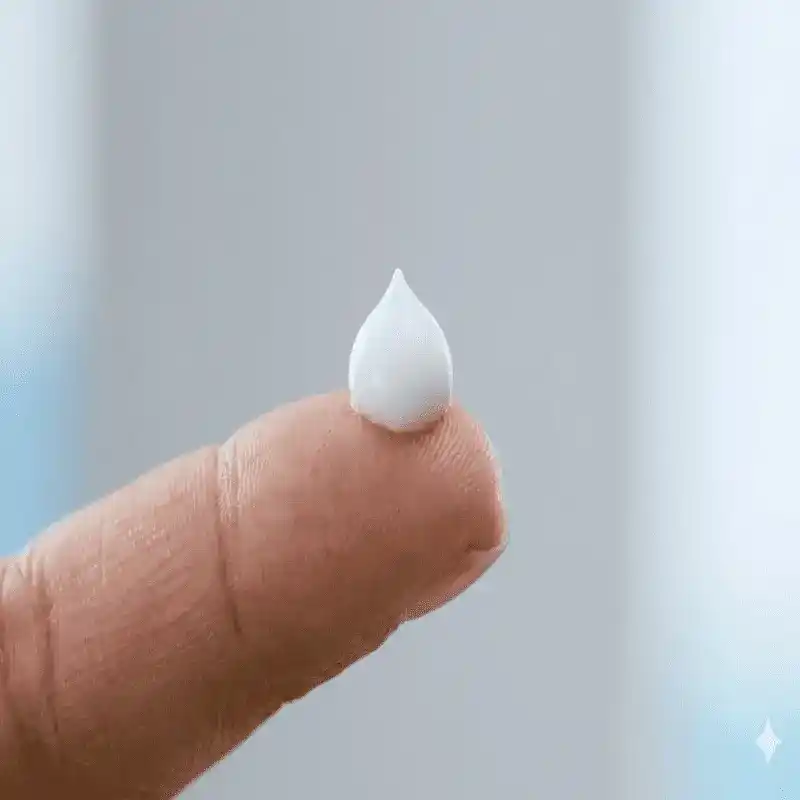
Why the “Pea-Sized Rule” is Critical for Prescription Creams for Melasma
One of the main causes of treatment failure in the US is “over-application.” Because prescription melasma creams contain medical-grade quantities of Tretinoin or Hydroquinone, using too much of them results in chemical burns rather than a quicker clearance of the spots.
For the whole face, one pea-sized drop is sufficient. If you apply a thick layer of these doctor-prescribed treatments, you risk “Post-Inflammatory Hyperpigmentation” (PIH), where the skin turns even darker due to the trauma of irritation. For the best results, dot the cream on your forehead, cheeks, and chin, then gently blend it outward.
The “Wait Time” Strategy: Protecting Your Skin Barrier
Unlike your standard Night Cream, you should never apply prescription creams for melasma to damp skin. Water on the skin’s surface acts as a “carrier,” pulling the active ingredients deep into the dermis too quickly, which leads to stinging and redness.
American dermatologists recommend waiting at least 15 to 20 minutes after washing your face before applying your medicated formula. This ensures your skin’s natural oils have stabilized, providing a slight buffer for the high-potency ingredients found in prescription creams for melasma.
Master the “Sandwich Method” for Sensitive Skin
If you are new to using prescription creams for melasma, or if you have a history of Stinging Skin, the “Sandwich Method” is your best defense.
First Layer: Apply a thin layer of a fragrance-free Barrier Repair Cream.
Second Layer: Wait 10 minutes, then apply your prescription cream for melasma.
Third Layer: If your skin still feels dry, apply another light layer of moisturizer on top.
This technique “sandwiches” the active medication between two layers of hydration, slowing down the absorption rate and preventing the peeling often associated with clinical lighteners.
The 2026 Sunscreen Mandate in the USA
It is a medical fact: prescription creams for melasma are useless without strict sun protection. Ingredients like Hydroquinone and Tretinoin make your skin “photosensitive,” meaning even 5 minutes of unprotected sun exposure can undo months of progress.
In 2026, the gold standard in the USA is a “Physical” or “Mineral” sunscreen containing 20% Zinc Oxide. Unlike chemical filters, Zinc Oxide blocks heat (infrared) as well as UV rays. Since heat is a major trigger for melasma, using a Sunscreen for Sensitive Skin every 2 hours is the only way to ensure your prescription creams for melasma can actually do their job.
Conclusion
Stubborn melasma doesn’t have to be permanent. While over-the-counter serums are great for light brightening, prescription creams for melasma offer the clinical strength needed to reach deep-seated pigment. Whether your doctor prescribes Tri-Luma or a non-hydroquinone alternative like Cyspera, consistency and sun protection are the keys to success.
Frequently Asked Questions (FAQ) About Prescription Creams for Melasma
Q1. How long does it take for prescription creams for melasma to work?
Most patients in the USA start to see a visible reduction in dark patches within 4 to 8 weeks of consistent nightly use. However, for deep-seated dermal melasma, it may take a full 3-month cycle of using medical-grade treatments to see a 50% to 70% improvement. Consistency and sun protection are the most important factors in your success.
Q2. Can I use prescription creams for melasma every day?
Yes, but you must “ease in.” Most dermatologists recommend starting your doctor-prescribed formula every other night for the first two weeks. Once your skin has adjusted to the high-potency ingredients, you can move to nightly application. If you experience extreme redness or stinging, refer to our guide on Why Skin Stings and scale back your usage.
Q3. Will my melasma come back after I stop using topical medications?
Melasma is a chronic condition, meaning it can be managed but not “cured.” If you stop using your prescription creams for melasma and forget to wear a high-potency Sunscreen for Sensitive Skin, the pigment will likely return. In 2026, the gold standard in the USA is to transition to a maintenance routine using non-hydroquinone clinical formulas like Cyspera or Azelaic Acid.
Q4. Are prescription creams for melasma safe during pregnancy?
Tretinoin and hydroquinone are generally not advised while pregnant. However, prescription-strength Azelaic Acid (15-20%) is considered a safe and effective alternative for expecting mothers in the USA. Always consult your OB-GYN or dermatologist before starting any medicated skin treatments while pregnant.
Q5. Can I use Vitamin C with my prescribed melasma treatment?
Yes, but timing is key. You should use your Vitamin C Serum in the morning to fight free radicals and your prescription creams for melasma at night to correct pigment. Avoid mixing them at the same time, as the high acidity can lead to a damaged Skin Barrier.
Medical Disclaimer
Disclaimer: The information provided on Nagash Health regarding prescription creams for melasma is for educational and informational purposes only and is not intended as medical advice. Always seek the advice of a board-certified dermatologist or other qualified health provider in the USA with any questions you may have regarding a medical condition or skin treatment. Due to information you’ve encountered on this site, you must never neglect or delay seeking professional medical advice.
The use of high-potency topical medications like Tri-Luma, Hydroquinone, or Tretinoin should always be monitored by a healthcare professional to avoid side effects like Ochronosis or chemical irritation.
You Might Also Like