7 Best Supplements for the Immune System: A Science-Backed 2026
7 Best Supplements for the Immune System: A Science-Backed 2026 USA Guide
Introduction
In the United States, the wellness industry has seen a massive shift toward preventive healthcare. Maintaining a robust defense mechanism is no longer just a seasonal concern; it’s a lifestyle priority. While a balanced diet rich in leafy greens and lean proteins is foundational, many Americans turn to supplements for the immune system to bridge nutritional gaps and provide an extra layer of protection against environmental stressors.
At Nagash Health, we believe in providing high-quality, research-driven insights. In this comprehensive guide, we explore the top vitamins, minerals, and herbal extracts that are currently trending in the USA for their proven ability to support immune function.
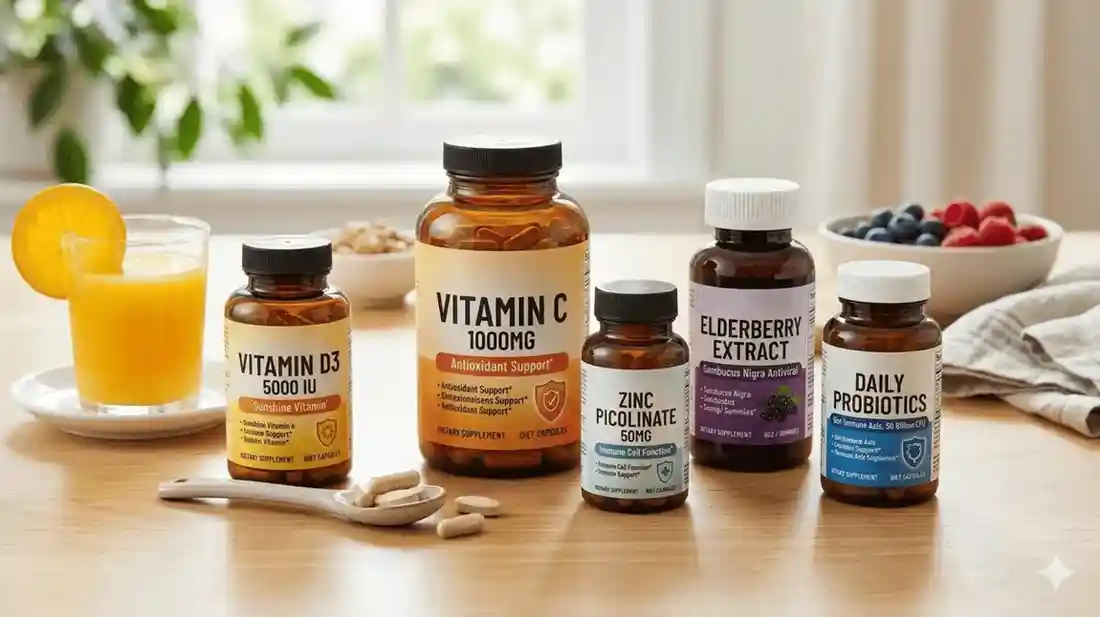
1. Vitamin C: The Essential Antioxidant
When people search for supplements for the immune system, vitamin C (ascorbic acid) is often the top result. In the USA, it is a staple in almost every household’s medicine cabinet.
The Mechanism: Vitamin C supports the production of white blood cells known as lymphocytes and phagocytes, which help protect the body against infection.
Oxidative Stress: It acts as a powerful antioxidant, neutralizing free radicals that can damage immune cells.
USA Dosage Standards: While the RDA is lower, many health experts suggest 500mg to 1000mg daily for those looking for active immune support.
Check Price on Amazon
2. Vitamin D3: The “Sunshine Vitamin” Deficiency in America
A significant portion of the US population, especially in northern states like New York or Illinois, suffers from vitamin D deficiency during winter.
Respiratory Health: Research indicates that vitamin D3 is crucial for respiratory tract health. It helps the body produce antimicrobial peptides that fight off viruses.
Pro Tip: Always look for vitamin D3 (cholecalciferol) rather than D2, as D3 is more effective at raising blood levels.
3. Zinc: The Gatekeeper of Immune Cells
The body is unable to create zinc on its own, making it a necessary trace mineral. In the American market, zinc lozenges have become a go-to for early-stage cold symptoms.
Cellular Signaling: Zinc is vital for the development and function of immune cells. A deficiency can lead to a weakened immune response and slow wound healing.
The 24-Hour Rule: Studies suggest that taking zinc within 24 hours of the onset of symptoms can significantly reduce the duration of a common cold.
4. Probiotics: Strengthening the Gut-Immune Axis
Modern American diets, often high in processed foods, can disrupt gut health. Since nearly 70% to 80% of the immune system is located in the gastrointestinal tract, probiotics are among the most important supplements for the immune system.
Microbiome Balance: Beneficial bacteria like Lactobacillus and Bifidobacterium help prime the immune system to recognize pathogens.
Mental Health Connection: A healthy gut also supports a healthy mind, reducing stress-related immune suppression.
5. Elderberry (Sambucus nigra): The Natural Powerhouse
Elderberry syrup and gummies have exploded in popularity across the USA. This botanical is rich in anthocyanins, which have potent antiviral properties.
Reducing Severity: Clinical trials have shown that elderberry extract can shorten the duration of flu-like symptoms by up to 4 days when taken early.
Nagash Health Recommendation: Choose organic, sugar-free elderberry supplements to avoid unnecessary glucose spikes.
6. Echinacea: The Traditional Immune Stimulant
Echinacea is one of the most well-researched herbs in Western medicine. It works by increasing the number of white blood cells in the body, creating a more aggressive defense against invading bacteria.
Usage Cycle: It is best used for short-term bursts (7–10 days) rather than year-round supplementation.
7. Magnesium and Restorative Sleep
Sleep is the body’s primary repair mode. In the USA, stress and blue light exposure have led to a sleep epidemic. Magnesium helps regulate neurotransmitters that promote calm and deep sleep.
Indirect Immunity: Without quality sleep, your body cannot produce cytokines—proteins that target infection and inflammation.
The Role of Holistic Health: A Note on Chronic Conditions
At Nagash Health, we advocate for a holistic approach. It’s critical to keep in mind that supplements are only one component. For individuals managing chronic skin or inflammatory conditions, such as those diagnosed under the Recurrent Groin Abscess ICD-10 Code (Hidradenitis Suppurativa), immune support is even more critical. Chronic inflammation can deplete the body’s nutrient stores, making supplementation a necessary part of a clinical management plan.
Choosing Quality Supplements in the USA
Although there is a sizable market for supplements in the US, not all goods are made equally. To ensure you are getting the best supplements for the immune system, follow these tips:
Third-Party Testing: Look for USP, NSF, or Informed-Choice seals on the bottle.
Bioavailability: Opt for “liposomal” vitamin C or “chelated” zinc for better absorption.
Transparent Labeling: Avoid products with “Proprietary Blends” where specific dosages are hidden.
Conclusion: Your 2026 Immunity Roadmap
Building a resilient immune system in 2026 requires a combination of science-backed supplementation, quality sleep, and mindful nutrition. By incorporating these top 7 supplements for the immune system, you are taking a proactive step toward long-term wellness.
Stay tuned to Nagash Health for the latest updates on health trends and expert reviews you can trust.
Frequently Asked Questions (FAQs)
1. What are the best supplements for the immune system to take daily? For daily maintenance, vitamin D3, vitamin C, and zinc are considered the most effective supplements for the immune system. However, the “best” choice depends on your specific nutritional gaps and geographical location.
2. Can I take these supplements for the immune system together? Most immune-boosting vitamins like C and D can be taken together. However, be cautious with high doses of zinc and copper, as they can compete for absorption. Always consult a healthcare provider before combining multiple supplements for the immune system.
3. How long does it take for immune supplements to start working? While some supplements for the immune system like zinc can work within 24 hours of cold symptoms, others like vitamin D may take several weeks of consistent use to optimize your blood levels and strengthen your defense.
4. Are there any side effects of taking too many supplements for the immune system? Yes, excessive intake of certain fat-soluble vitamins (like vitamin D) or minerals (like zinc) can lead to toxicity. Stick to the recommended daily allowance (RDA) unless otherwise directed by a doctor.
Medical Disclaimer
Disclaimer: The information provided on Nagash Health is for educational and informational purposes only and is not intended as medical advice. These statements regarding supplements for the immune system have not been evaluated by the Food and Drug Administration (FDA). Our content is not intended to diagnose, treat, cure, or prevent any disease, including chronic conditions like the recurrent groin abscess ICD-10 code. Always seek the advice of your physician or other qualified health provider with any questions you may have regarding a medical condition or before starting any new supplement regimen.