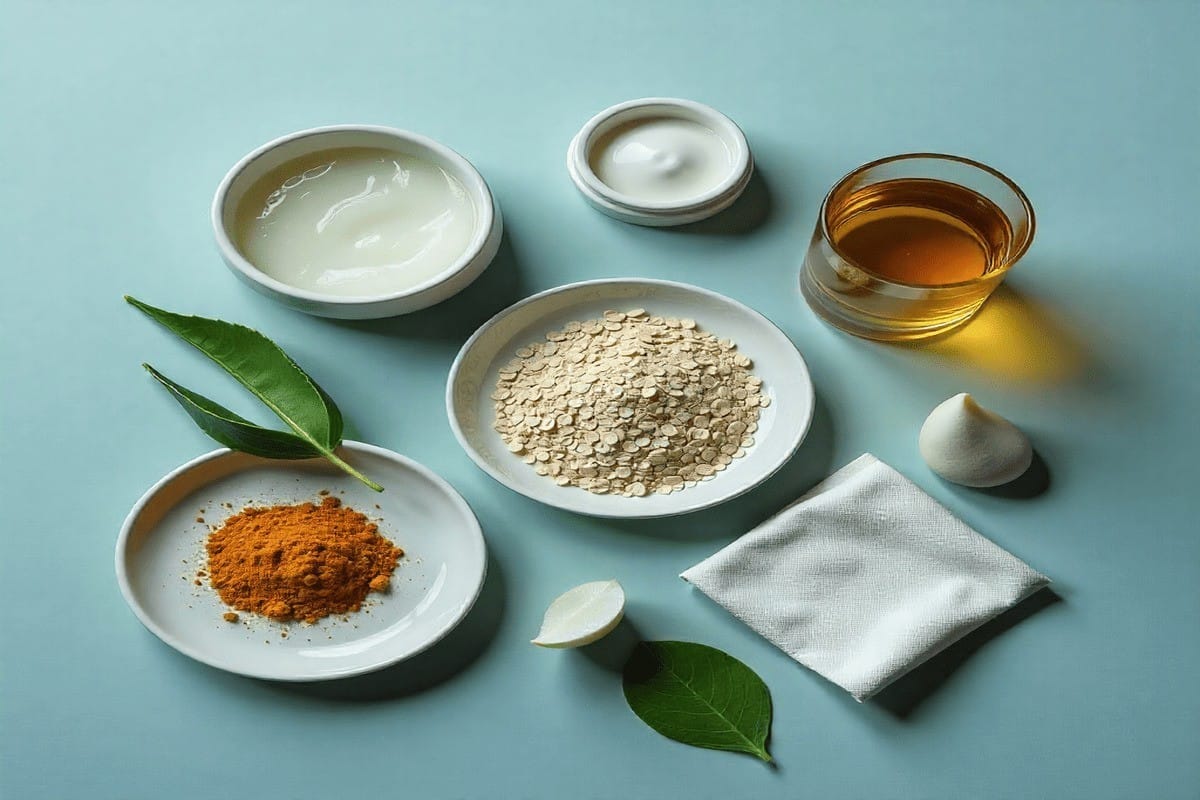
Top 7 Natural Remedies for Itchy Skin Relief (2026)
Top 7 Natural Remedies for Itchy Skin Relief – Expert 2026 Guide
Introduction
Itchy skin, medically referred to as pruritus, is a common condition that can range from mild irritation to intense discomfort. While over-the-counter creams and medications offer quick relief, natural remedies provide a safe, gentle, and long-term solution for managing itchy skin without harsh chemicals.
In this comprehensive guide, we explore 7 effective natural remedies for itchy skin, how they work, step-by-step application methods, preventive lifestyle measures, and expert tips to maintain healthy, comfortable skin.
Understanding Itchy Skin: Causes and Triggers
Before applying any remedy, it’s essential to understand why your skin itches. Itching occurs due to nerve stimulation in the skin triggered by irritation, dryness, inflammation, or allergic reactions. Common causes include:
- Dry skin (xerosis): Often caused by low humidity, frequent bathing in hot water, or aging.
- Allergies: From food, cosmetics, detergents, fragrances, or environmental triggers.
- Skin conditions: Such as eczema, psoriasis, autoimmune disorders, or fungal infections.
- Environmental factors: Heat, sweat, friction, and sunburn.
1: Aloe Vera for Itchy Skin Relief – Soothing and Healing Gel
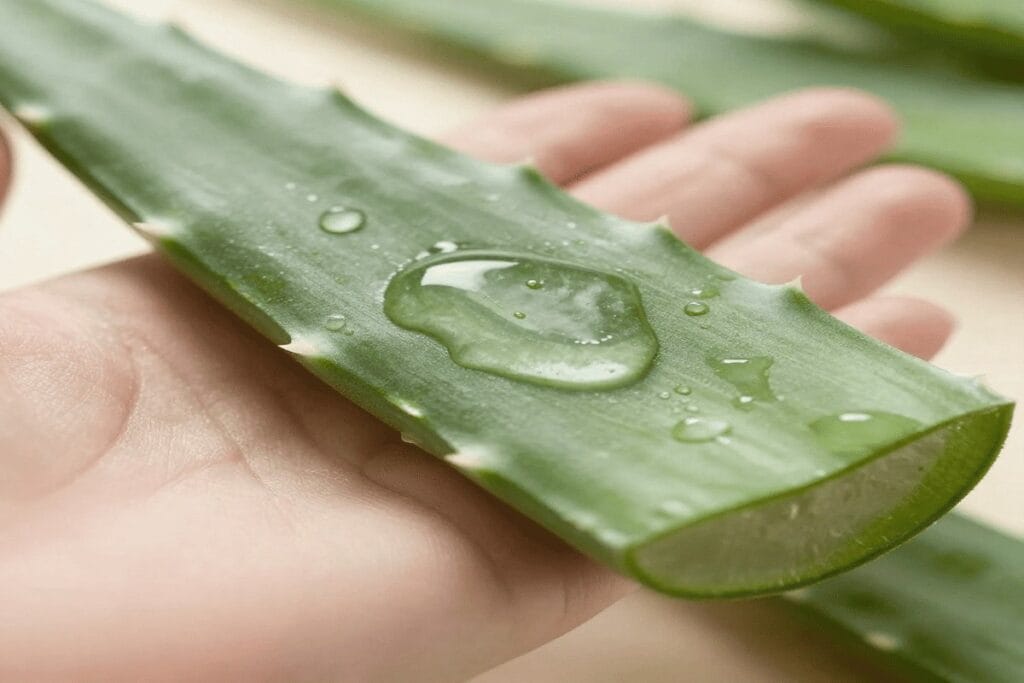
Aloe vera has long been recognized as one of the most effective natural remedies for itchy skin relief. Its gel contains polysaccharides, vitamins A, C, E, minerals, and antioxidants that help reduce inflammation, calm irritation, and repair damaged skin. Unlike chemical creams, aloe vera works gently and naturally, making it safe for all skin types, including sensitive skin.
Advertisement
Ways to Utilize Aloe Vera for Alleviating Itchy Skin
- Reduces Inflammation: The bioactive compounds in aloe vera calm redness and swelling caused by allergic reactions or heat rashes.
- Hydrates Dry Skin: Aloe vera gel penetrates the skin and restores moisture to dry, flaky areas—one of the leading causes of itchiness.
- Promotes Healing: Its antibacterial and antifungal properties help prevent infection if you scratch affected areas accidentally.
- Cooling Effect: Aloe vera naturally cools irritated skin, providing instant relief from discomfort.
How to Relieve Itchy Skin with Aloe Vera
- Fresh Aloe Vera Gel: Cut a leaf from an aloe plant, extract the gel, and apply it directly to itchy areas.
- Leave it On: Let it sit for 20–30 minutes to absorb fully before rinsing with lukewarm water.
- Repeat Daily: For best results, apply 2–3 times a day until your skin feels calm and soft.
- Optional Mix: Combine aloe vera gel with a few drops of coconut oil or vitamin E oil for enhanced hydration and soothing effects.
Tips:
- For children or sensitive skin, always do a patch test before full application.
- Aloe vera can also be used after sun exposure to prevent redness and irritation, making it a versatile solution for itchy skin relief.
For more information about heat rash and tender areas, see the article Itchy Rash on the Neck: Causes, Symptoms, Treatment, and Prevention.
Learn more about aloe vera benefits from Mayo Clinic – Aloe Vera.
2: Coconut Oil for Itchy Skin Relief – Deep Moisturizing

Coconut oil is one of the most popular natural remedies for itchy skin relief because it combines moisturizing, anti-inflammatory, and antimicrobial properties in a single, affordable ingredient. Its high content of medium-chain fatty acids, particularly lauric acid, makes it ideal for soothing dry, irritated skin and preventing further itching.
How Coconut Oil Helps With Itchy Skin Relief
- Deep Moisturization: Coconut oil penetrates deep into the skin, locking in moisture and softening dry patches that are often the root cause of itching.
- Reduces Inflammation: The natural anti-inflammatory properties calm redness and irritation caused by eczema, heat rashes, or minor allergies.
- Antimicrobial Effects: Lauric acid helps prevent bacterial or fungal growth on the skin, reducing the risk of infection from scratching.
- Protective Barrier: Coconut oil forms a thin layer on the skin, protecting it from environmental irritants like dust, sweat, and harsh soaps.
How to Use Coconut Oil for Itchy Skin Relief
- Direct Application: Take a small amount of virgin coconut oil and massage it gently into the affected areas. Focus on dry patches such as elbows, knees, or hands.
- Before Bath: Apply coconut oil 10–15 minutes before bathing to reduce dryness caused by hot water and soaps.
- Mix With Essential Oils: For added relief, combine coconut oil with lavender or peppermint oil. Peppermint oil provides a cooling effect that enhances itchy skin relief.
- Daily Routine: Apply at least once daily, or twice for extremely dry or irritated areas, to see significant improvement.
Tips
- Coconut oil works best on slightly damp skin, as it helps lock in natural moisture.
- Refrain from utilizing refined or extensively processed coconut oil, as it may harbor chemicals that can irritate delicate skin.
- For infants or children with sensitive skin, apply a thin layer and monitor for reactions.
For scalp or hair-related irritation, check Kerastase Anti Hair Fall Serum – Strengthen Hair Naturally.
Recommended for You
Learn about coconut oil benefits from – Coconut Oil for Skin.
4. Turmeric for Itchy Skin Relief – Anti-Inflammatory Golden Spice

Turmeric has been used for centuries in traditional medicine for its healing and anti-inflammatory properties. The key compound, curcumin, works as a powerful antioxidant that reduces redness, irritation, and mild infections—all common causes of itchy skin. This makes turmeric an excellent natural remedy for itchy skin relief, especially for rashes, insect bites, or post-acne irritation.
Benefits of Turmeric for Itchy Skin Relief
- Reduces Inflammation: Curcumin helps calm inflamed skin, providing relief from persistent itching.
- Fights Microbial Growth: Turmeric has antibacterial and antifungal properties that help prevent infections from scratching.
- Promotes Healing: Regular use can help repair damaged skin, reducing post-inflammatory marks or scars.
- Natural Soothing: Turmeric’s anti-inflammatory action cools the skin, minimizing irritation naturally.
How to Use Turmeric for Itchy Skin Relief
- Turmeric Paste: Mix ½ teaspoon of turmeric powder with a small amount of yogurt, honey, or aloe vera gel to form a smooth paste.
- Apply to Affected Areas: Gently spread the paste over itchy skin.
- Leave On: Let it sit for 10–15 minutes.
- Rinse Gently: Wash off with lukewarm water and pat dry.
- Repeat: Apply 1–2 times daily until itching subsides and skin feels calm.
Tips for Best Results
- Patch Test First: Always test a small area before full application to avoid allergic reactions.
- Avoid Staining: Turmeric can leave yellow stains; use clothing or towels you don’t mind staining.
- Combine With Oils: For extra soothing, mix turmeric with coconut oil or olive oil. This enhances hydration while delivering itchy skin relief.
Additional Uses
- Turmeric can help fade post-acne discoloration Check Best Natural Remedies for Acne Scars at Home for tips.
- Can be used on minor burns or sun-exposed areas to calm redness and irritation.
For oily or acne-prone skin, see Best Serum for Dark Spots (2025).
Learn more about turmeric’s skin benefits from Healthline – Turmeric for Skin.
5. Neem for Itchy Skin Relief – Nature’s Antiseptic
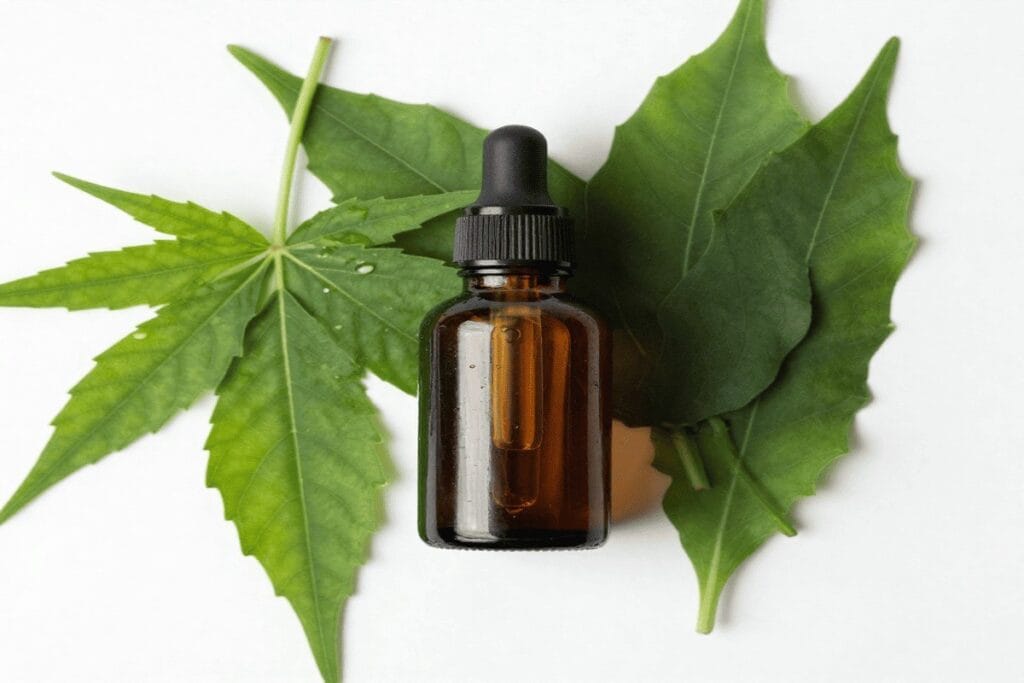
Neem, often called “nature’s antiseptic”, is a powerful natural remedy for itchy skin relief, especially when itching is caused by infections or microbial irritation. Its antimicrobial, antifungal, and anti-inflammatory properties make it a safe and effective solution for both adults and children. Neem not only reduces irritation but also promotes overall skin health, helping you maintain smooth, calm skin.
Benefits of Neem for Itchy Skin Relief
- Reduces Redness and Inflammation: Neem’s compounds soothe irritated skin, calming flare-ups caused by eczema, rashes, or allergies.
- Fights Fungal and Bacterial Infections: Neem’s natural antiseptic qualities help prevent and treat infections that often cause persistent itching.
- Supports Skin Health: Regular use strengthens your skin’s natural barrier and reduces sensitivity to environmental irritants.
- Safe for Sensitive Skin: Unlike chemical creams, neem works gently without harsh side effects.
How to Use Neem for Itchy Skin Relief
- Neem Leaf Rinse: Boil fresh neem leaves in water for 10–15 minutes, let the water cool, and use it as a soothing rinse for itchy areas.
- Diluted Neem Oil: Mix a few drops of neem oil with a carrier oil like coconut or olive oil, and apply it gently to affected spots.
- Regular Use: Apply once or twice daily for best results, especially for fungal infections like ringworm or yeast-related irritation.
Tips
- For children or sensitive skin, always test a small patch before full application.
- Avoid applying undiluted neem oil directly to the skin, as it can cause irritation in some cases.
- Combine neem with other remedies like aloe vera or coconut oil to enhance itchy skin relief
For severe infections or abscesses, see Skin Abscess ICD 10: Causes, Symptoms & Treatment Guide.
For fungal acne, check Fungal Acne Treatment at Home: 15 Proven Remedies (2025).
6. Cold Compress for Itchy Skin Relief – Immediate Soothing ❄️
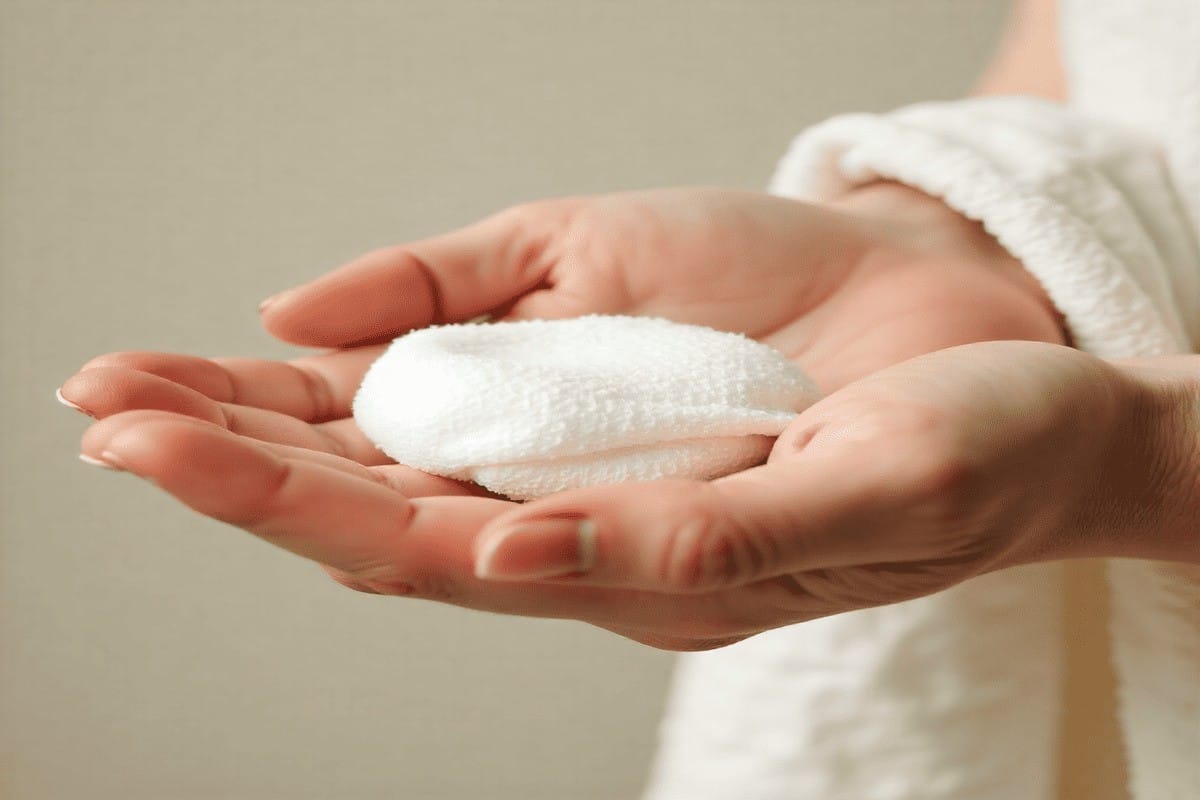
A cold compress is one of the fastest and simplest natural remedies for itchy skin relief. By reducing blood flow to inflamed areas and numbing the nerve endings, it helps calm irritation, redness, and discomfort almost immediately. This method is especially useful for allergic reactions, heat rashes, or minor insect bites.
Benefits of Cold Compress for Itchy Skin Relief
- Instant Soothing: The cold temperature quickly reduces the burning and itching sensation.
- Reduces Swelling and Inflammation: It helps shrink inflamed skin tissues and eases redness caused by irritation.
- Prevents Scratching Damage: Applying a compress reduces the urge to scratch, minimizing potential skin damage or infection.
- Safe for All Skin Types: Cold compresses are chemical-free and suitable for sensitive skin or children.
How to Use Cold Compress for Itchy Skin Relief
- Prepare the Compress: Wrap a few ice cubes in a clean, soft cloth or use a chilled gel pack.
- Apply Gently: Place the compress over the itchy area for 5–10 minutes. Avoid direct contact of ice with skin to prevent frostbite.
- Repeat as Needed: For severe itching, repeat 2–3 times a day or as required for relief.
- Moisturize Afterward: After using the compress, apply a gentle moisturizer like aloe vera or coconut oil to maintain hydration and enhance itchy skin relief.
For sun-induced irritation, check Toasted Skin Syndrome Explained: Symptoms & Care.
For neck or sensitive areas, see Itchy Rash on Neck: Causes, Symptoms, Treatment & Prevention.
Learn about cold therapy benefits from Medical News Today – Cold Compress Uses.
7. Apple Cider Vinegar for Itchy Skin Relief – Balances Skin pH
Apple cider vinegar (ACV) is a natural and effective remedy for itchy skin relief, especially when irritation is caused by fungal infections, allergies, or pH imbalance. Its mild acidity helps restore the skin’s natural pH, reduces bacterial and fungal growth, and calms inflammation, making it a versatile solution for sensitive and problem-prone skin.
Benefits of Apple Cider Vinegar for Itchy Skin Relief
- Restores Skin pH: ACV helps bring your skin back to its natural slightly acidic state, preventing dryness and irritation.
- Antimicrobial Action: Its antibacterial and antifungal properties help reduce infections that can worsen itchiness.
- Reduces Inflammation: ACV soothes redness and irritation, providing instant and lasting itchy skin relief.
- Supports Overall Skin Health: Regular, diluted use can improve texture and prevent flare-ups caused by environmental irritants.
How to Use Apple Cider Vinegar for Itchy Skin Relief
- Dilution is Key: Mix 1 tablespoon of ACV with 1 cup of water to reduce acidity.
- Apply Gently: Use a cotton ball to apply the solution to the itchy area. Avoid open wounds or broken skin.
- Leave it On: Let it dry naturally for a few minutes, then rinse if desired.
- Repeat as Needed: Apply once or twice daily until itching and irritation subside.
For general fungal skin issues, see Fungal Acne Treatment at Home: 15 Proven Remedies (2025).
For acne-related marks, check Best Natural Remedies for Acne Scars at Home.
Additional Remedies to Enhance Itchy Skin Relief
In addition to the top 7 remedies, there are several effective natural ingredients and techniques that can provide extra itchy skin relief. These remedies can be used alone or combined with other treatments for faster and long-lasting results.
1. Chamomile Tea Compress – Calming and Anti-Inflammatory
The calming and anti-inflammatory qualities of chamomile are well established. Chamomile tea compress can reduce redness, irritation, and mild allergic reactions, making it an excellent natural remedy for itchy skin relief.
How to Use:
- Pour a strong cup of chamomile tea and let it cool.
- For ten to fifteen minutes, soak a fresh cloth in the tea and apply it to the afflicted area.
- For relief, repeat two to three times a day.
Tip: Chamomile compresses are ideal for sensitive skin, including babies or children, as they are gentle and chemical-free.
For general itchy skin care, see Fungal Acne Treatment at Home: 15 Proven Remedies (2025).
2. Shea Butter – Deep Moisturization and Protection
Shea butter is rich in vitamins A, E, and F, which deeply moisturize the skin and create a protective barrier against dryness and irritation. Using shea butter regularly can enhance itchy skin relief by keeping skin soft and hydrated.
How to Use:
- Apply a thin layer of raw or unrefined shea butter to dry or irritated areas.
- Massage gently until fully absorbed.
- Use daily, especially after bathing, for maximum benefits.
Tip: Shea butter can also be mixed with a few drops of essential oils like lavender or tea tree for added soothing and antibacterial properties.
Learn more about shea butter benefits at Medical News Today – Shea Butter for Skin.
Lifestyle Tips to Prevent Itchy Skin – Daily Habits for Itchy Skin Relief
Preventing itchy skin is just as important as treating it. By incorporating healthy lifestyle habits, you can minimize irritation, reduce flare-ups, and support long-term itchy skin relief. Small changes in your daily routine can make a big difference in maintaining soft, calm, and healthy skin.
1. Use Lukewarm Water for Bathing
Hot water can strip your skin of natural oils, causing dryness and worsening itchiness. Using lukewarm water preserves moisture and reduces irritation.
- Advice: Don’t spend more than ten to fifteen minutes in the bath or shower.
- After drying, apply a moisturizer right after to seal in moisture.
Kerastase Hair Oil—The Best Solution for Dry & Damaged Hair—is not only an excellent moisturizer but also aids in hydrating delicate skin areas
2. Avoid Harsh Soaps and Fragrances
Soaps with strong fragrances or chemicals can strip your skin’s natural barrier and trigger itchy skin flare-ups. Opt for mild, fragrance-free cleansers or natural alternatives like Cetaphil Gentle Skin Cleanser.
Learn more about gentle cleansers at Cetaphil Official Website.
3. Wear Breathable Clothing
Tight or synthetic clothing can trap sweat, causing irritation. Choose cotton or loose-fitting fabrics that allow your skin to breathe. This simple step helps reduce heat-induced itching and supports long-term relief.
For more skin care during active lifestyles, see Skincare for Swimmers Complete Guide.
4. Stay Hydrated and Eat Antioxidant-Rich Foods
Dehydration is a common cause of dry, itchy skin. Drink 8–10 glasses of water daily and include foods rich in vitamins A, C, E, and Omega-3 fatty acids.
- Foods like spinach, nuts, salmon, and berries help strengthen the skin barrier and reduce inflammation, supporting natural itchy skin relief.
Learn about antioxidant-rich foods for skin at Healthline – Best Foods for Skin.
5. Maintain Proper Humidity Indoors
Dry indoor air can strip moisture from your skin, worsening itchiness. Use a humidifier in dry climates, especially during winter, to maintain skin hydration and promote itchy skin relief.
6. Trim Nails Regularly
Scratching can lead to skin damage, infections, and prolonged irritation. Keep nails short and smooth to reduce the risk of infection and help your skin heal faster.
7. Sun Protection for Sensitive Skin
UV exposure can cause redness, dryness, and flare-ups. Use a broad-spectrum sunscreen like Best Sunscreen for Sensitive Skin (2025) to protect delicate areas. Regular sun protection supports long-term itchy skin relief and prevents flare-ups.
Common Mistakes to Avoid – Protect Your Skin and Support Itchy Skin Relief ⚠️
While home remedies and lifestyle changes can provide effective itchy skin relief, certain habits can worsen irritation or delay healing. Avoiding these common mistakes ensures that your efforts for healthy, calm skin are not undermined.
1. Excessive Scratching
Scratching may temporarily relieve the itching sensation, but it can damage your skin’s protective barrier and cause infections, redness, or scarring.
- Tip: Instead of scratching, use cold compresses, aloe vera gel, or oatmeal paste for quick relief.
- Scratching can also worsen fungal or bacterial infections, reducing the effectiveness of natural remedies for itchy skin relief.
For information on skin infections, refer to Skin Abscess ICD 10: Causes, Symptoms & Treatment Guide
2. Over-Washing
Bathing too frequently or using hot water strips your skin of its natural oils, causing dryness and exacerbating itching.
- Tip: Limit showers to 10–15 minutes and always use lukewarm water.
- After washing, immediately apply a gentle moisturizer like coconut oil or shea butter to maintain hydration and support itchy skin relief.
Check Kerastase Hair Oil – Best Solution for Dry & Damaged Hair for moisturizing tips suitable for both hair and skin hydration.
3. Using Harsh Chemicals
Products containing fragrances, alcohol, or strong soaps can strip your skin’s natural barrier, trigger allergic reactions, and worsen itching.
- Tip: Use fragrance-free cleansers, gentle body washes, and natural skincare products.
- Avoid applying chemical-heavy creams or scrubs to sensitive or broken skin.
Learn more about gentle skincare at Healthline – Best Skincare for Sensitive Skin.
4. Ignoring Persistent Itching
Sometimes, itching is more than a temporary irritation and may indicate underlying conditions such as eczema, psoriasis, or fungal infections. Ignoring persistent symptoms can lead to long-term skin damage.
- Tip: If itching lasts more than two weeks, is severe, or accompanied by redness or swelling, consult a dermatologist for proper diagnosis and treatment.
- Using home remedies is great for mild cases, but professional care is essential for serious skin conditions.
For itchy skin related to sun exposure, check Toasted Skin Syndrome Explained: Symptoms & Care.
When to See a Doctor – Ensuring Safe Itchy Skin Relief
While most cases of itchy skin can be managed at home with natural remedies, sometimes itching may signal an underlying medical condition that requires professional attention. Knowing when to see a dermatologist or healthcare provider is essential for long-term itchy skin relief and preventing complications.
Seek Medical Advice If:
- Itching Persists for More Than Two Weeks
- If your itching does not improve after regular use of natural remedies like aloe vera, coconut oil, oatmeal baths, or cold compresses, it may indicate eczema, psoriasis, or other chronic skin conditions.
- Persistent itchiness requires a proper diagnosis to provide targeted treatment for effective itchy skin relief.
- Accompanied by Redness, Pus, Swelling, or Fever
- These symptoms may indicate a bacterial or fungal infection, which can worsen if ignored.
- Infections require medical attention and sometimes prescription medication, as home remedies alone may not suffice.
- Unusual Lumps, Growths, or Skin Changes
- Rapidly growing spots, thickened skin, or persistent rashes could indicate precancerous or cancerous changes.
- Early consultation with a dermatologist ensures proper screening and timely treatment.
- Severe or Widespread Itching
- If itching spreads over large areas of the body or interferes with sleep and daily activities, it could signal a systemic condition like allergies, liver issues, or autoimmune disorders.
- Professional evaluation is essential for safe and effective itchy skin relief.
Tips Before Visiting a Doctor
- Document Your Symptoms: Keep a log of triggers, remedies used, and any changes in your skin.
- Avoid Further Irritation: Stop scratching or applying harsh chemical products, as this may worsen skin conditions.
- Bring Relevant History: Share any family history of skin disorders, allergies, or recent illnesses.
Frequently Asked Questions (FAQs) About Itchy Skin Relief
Q1. Which remedy provides the fastest relief from itchy skin?
For immediate itchy skin relief, cold compresses and aloe vera gel are the most effective.
- Cold compresses work by numbing nerve endings and reducing blood flow to inflamed areas. Apply ice wrapped in a soft cloth for 5–10 minutes several times a day.
- Aloe vera cools irritated skin, reduces redness, and provides a calming effect. Apply pure aloe vera gel directly to itchy areas.
Tip: For faster relief, combine these with gentle moisturizers like coconut oil or shea butter to prevent dryness.
For detailed home remedies, see Top 7 Natural Remedies for Itchy Skin Relief.
Q2. Can natural remedies help with eczema?
Yes! Mild eczema often responds well to natural remedies, including:
- Coconut oil – moisturizes and reduces inflammation.
- Oatmeal baths – soothe irritation and maintain skin moisture.
- Turmeric – reduces redness and provides anti-inflammatory benefits.
Pro Tip: Always perform a patch test before using any natural remedy on eczema-prone skin to avoid allergic reactions.
For eczema-related itchy areas, see Autoimmune Skin Diseases – Natural & Fast Solutions (2025).
Q3. How long before natural remedies show results?
- Mild itching: Relief may be noticeable within 3–5 days with consistent use of remedies like aloe vera, cucumber, or cold compresses.
- Persistent or infection-related itching: Remedies like neem, apple cider vinegar, or turmeric may take 1–2 weeks to show significant improvement.
- Consistency is key – occasional use often fails to provide lasting itchy skin relief.
Tip: Combine topical remedies with lifestyle adjustments like avoiding harsh soaps, staying hydrated, and wearing breathable clothing.
Q4. Can diet help with itchy skin relief?
Yes! Nutrition plays a vital role in preventing and reducing itchy skin. Foods rich in omega-3 fatty acids, antioxidants, and vitamins A, C, and E support healthy skin.
- Omega-3 sources: Salmon, walnuts, flaxseeds.
- Antioxidants: Berries, green tea, spinach.
- Hydration: Drink at least 8 glasses of water daily to prevent dryness.
Tip: Avoid excessive sugary or processed foods, as they may worsen inflammation and skin irritation.
Learn more about skin-friendly diets at Healthline – Best Foods for Healthy Skin.
Q5. Are there any risks to using natural remedies?
Natural remedies are generally safe, but misuse can cause irritation.
- Always dilute acidic ingredients like lemon juice or apple cider vinegar.
- Perform patch tests before applying new remedies.
- Avoid applying remedies to broken skin or severe infections – consult a doctor instead.
For more guidance on infections, see Skin Abscess ICD 10: Causes, Symptoms & Treatment Guide.
Q6. Can children use these remedies?
Yes, but with caution:
- Use mild, gentle ingredients like chamomile, oatmeal, aloe vera, or coconut oil.
- Avoid strong essential oils like peppermint or undiluted lemon juice.
- Always monitor for allergic reactions.
Tip: Children with persistent itching should be checked by a pediatric dermatologist to ensure safe itchy skin relief.
Conclusion
Itchy skin is uncomfortable but manageable. Using natural remedies like aloe vera, coconut oil, oatmeal baths, turmeric, neem, cold compresses, and apple cider vinegar, combined with lifestyle adjustments, helps achieve long-term relief, healthy hydration, and skin comfort.
These remedies are safe, chemical-free, and suitable for all skin types. Regular use, combined with preventive care, can reduce dryness, inflammation, acne-related itching, and allergic reactions.
Disclaimer
The information provided in this article is for general knowledge and educational purposes only. It is not a substitute for professional medical, dermatological, or nutritional advice—always consult a qualified healthcare provider for personalized guidance.
You Might Also Like