Vitamin C and Retinol Together: The Ultimate Safe Layering Guide (2026)
Vitamin C + Retinol: The Ultimate Safe Layering Guide (2026)
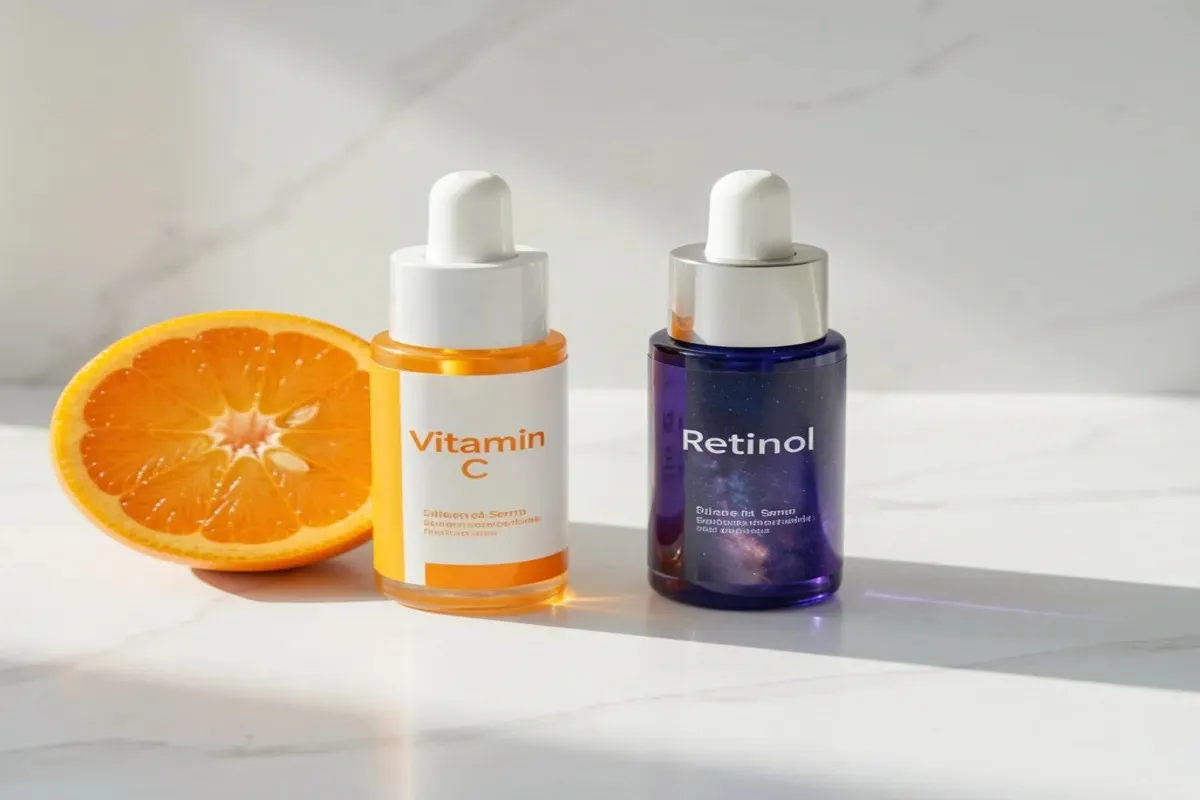
Every skincare enthusiast dreams of a routine that delivers both a radiant glow and timeless, ageless skin. To achieve this, two ingredients stand above the rest: Vitamin C and Retinol. One is the gold standard for brightening, while the other is the undisputed king of anti-aging.
However, a common dilemma stops many in their tracks: Can you actually use Vitamin C and Retinol together? While they are both “powerhouse” ingredients, they are also notoriously “diva” molecules. Using Vitamin C and Retinol together incorrectly—or mixing them blindly—can lead to redness, peeling, and a compromised skin barrier. In fact, many people end up doing more harm than good by forcing these actives to work at the same time.
In this comprehensive 2026 guide, we are breaking down the science-backed methods to layer Vitamin C and Retinol together safely. Whether you are a skincare minimalist or a 10-step pro, you’ll learn how to safely use Vitamin C and Retinol together to maximize their potency without the irritation.
Why This Matters for Your Skin Barrier
Before we dive into the “how,” it is crucial to understand the “why.” Vitamin C and Retinol thrive at different pH levels. When they clash, not only does their effectiveness drop, but your skin’s natural defense system—the barrier—takes the hit.
In the following sections, we will explore the AM/PM strategy, the “Wait-Time” rule, and the specific layering order that dermatologists recommend for glowing, resilient skin.
Do You Take Retinol and Vitamin C Together? (The Science of pH)
If you have spent any time browsing skincare forums or watching “Skin-fluencers,” you have likely heard a recurring warning: “Never use Vitamin C and Retinol together.” But is this a hard rule, or just a misunderstanding of how these ingredients work?
The Myth: They “Cancel Each Other Out”
The most common myth is that Vitamin C and Retinol are like oil and water—they simply don’t mix and will deactivate each other instantly. Many believe that applying Vitamin C and Retinol together renders both ingredients useless, making your expensive serums a waste of money. While there is a grain of truth regarding their chemistry, saying they “cancel out” is a bit of an oversimplification.
The Reality: It’s All About the pH Environment
The real challenge isn’t that they hate each other; it’s that they thrive in completely different environments.
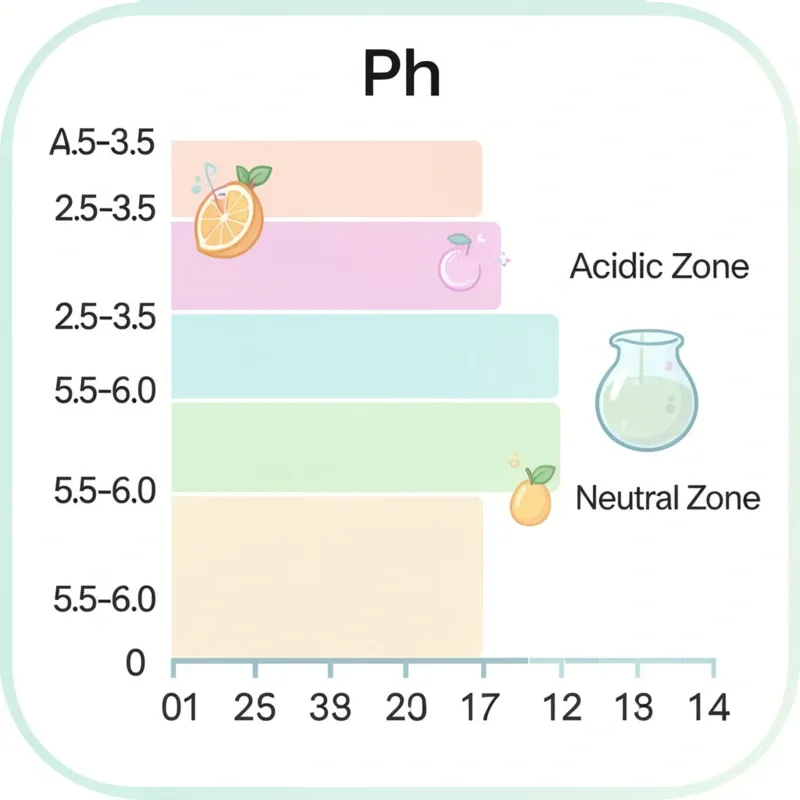
Vitamin C (L-Ascorbic Acid): To penetrate the skin effectively, Vitamin C requires a very low, acidic pH (usually between 2.5 and 3.5).
Retinol: This anti-aging powerhouse is much happier in a higher, more neutral pH (closer to 5.5 or 6.0).
When you attempt to use Vitamin C and Retinol together by layering them directly at the exact same moment, the Vitamin C raises the acidity of the skin. This can interfere with the enzymes needed to convert Retinol into its active form (retinoic acid). This mismatch is why simply “mixing” Vitamin C and Retinol together in your palm before application is a bad idea—it compromises the stability of both.
Advertisement
The Solution: Strategic Layering vs. Simultaneous Mixing
The good news is that you can reap the benefits of both in a single 24-hour cycle. You don’t have to choose between a bright complexion and fewer wrinkles. The secret to safely using Vitamin C and Retinol together lies in Timing and Layering.
By separating these ingredients—either by the time of day (AM vs. PM) or by implementing a specific “wait time” between layers—you allow each ingredient to work at its optimal pH level. This approach ensures your skin gets the antioxidant protection of Vitamin C and the regenerative power of Retinol without the chemical conflict.
The Golden Strategy: Vitamin C in the Morning, Retinol at Night
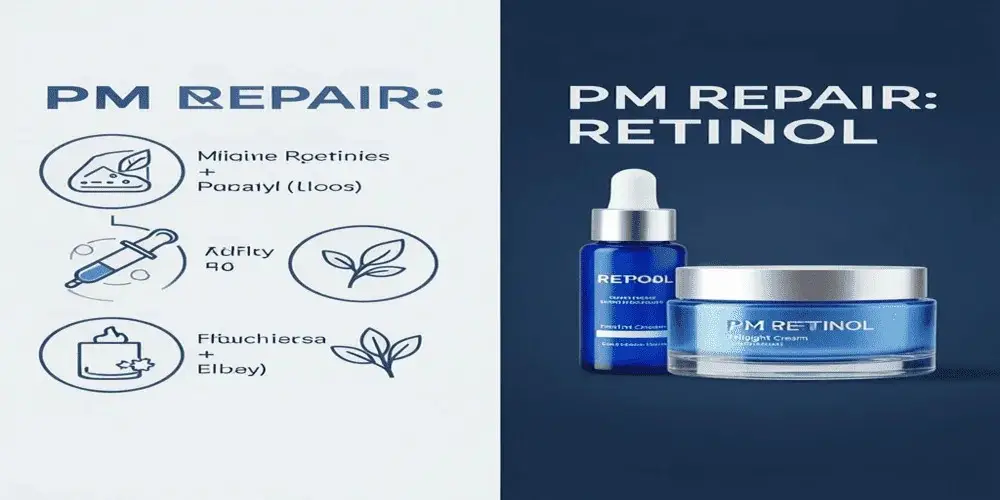
For the vast majority of skincare enthusiasts—from beginners to pros—the safest and most effective way to use these two ingredients is to split them up. Instead of forcing them to compete in a single routine, you can assign them “shifts” based on how your skin functions throughout the day.
Morning: The Protective Power of Vitamin C (AM)
Your skin is in protective mode in the morning. As soon as you step outside, your face is bombarded by UV rays, infrared radiation, and environmental pollutants. These factors create “free radicals”—unstable molecules that break down collagen and cause premature aging.
Antioxidant Shield: Vitamin C is a potent antioxidant that neutralizes these free radicals before they can do damage.
Brightening Effect: It also helps to even out your skin tone and provides a natural “glow” that looks great under makeup or sunscreen.
Sunscreen Booster: Interestingly, research shows that applying a Vitamin C serum under your SPF actually makes your sunscreen more effective at protecting your skin from sun damage.
Pro Tip: See our guide on the Best Vitamin C Serum (2025) to choose the ideal formula for your particular skin type: A guide approved by dermatologists for acne, dark spots, and the face.
Night: The Regenerative Power of Retinol (PM)
Your skin transitions from protective to restorative mode while you sleep. This is the peak time for cell regeneration and collagen production, making it the perfect window for Retinol.
Recommended for You
Cell Turnover: Retinol works by accelerating the rate at which your skin sheds old, damaged cells and replaces them with fresh, new ones.
Sensitivity to Light: Retinol is notoriously “photoinstable,” meaning it breaks down and loses its potency when exposed to sunlight. Applying it at night ensures the ingredient stays active and effective while it works deep within your pores.
Avoiding Irritation: Because Retinol can be drying, using it at night allows you to layer it with rich, nourishing moisturizers that help your skin recover while you rest.
By following this AM/PM split, you ensure that Vitamin C defends your skin during the day and Retinol repairs it at night—all without any risk of a pH conflict or unnecessary irritation.
How to Layer Vitamin C and Retinol Together in One Routine (Step-by-Step)
While splitting these ingredients between morning and night is the safest bet, some advanced users prefer to use both in the evening to maximize their “beauty sleep.” If your skin is resilient and you want to use Vitamin C and Retinol together in the same session, you must follow a specific order to prevent irritation and ensure both products actually work.
Here is the dermatologist-recommended step-by-step guide for layering Vitamin C and Retinol together at night:
Step 1: Double Cleansing
A clean base is non-negotiable. Before applying any active ingredients, you must remove the day’s sunscreen, makeup, and excess oil. Use a gentle, pH-balanced cleanser to ensure your skin is prepped without being stripped of its natural moisture.
Step 2: Apply Vitamin C First
Because Vitamin C (specifically L-ascorbic acid) requires a low, acidic pH to penetrate the skin, it should be the first active you apply after cleansing. When using Vitamin C and Retinol together, applying the acid to bare skin ensures its potency isn’t neutralized by other products.
Step 3: The 30-Minute Rule, or “Wait Time”

This is the most critical step for anyone using Vitamin C and Retinol together. Do not rush into your next product. You need to give your skin approximately 20 to 30 minutes to absorb the Vitamin C and for your skin’s natural pH levels to stabilize. If you apply Retinol immediately, the acidic environment may deactivate the enzymes needed for the Retinol to work.
Step 4: Apply Your Retinol
Once the wait time is up and your skin feels “settled,” apply a pea-sized amount of Retinol. Since the Vitamin C has already begun its work, the Retinol can now focus on accelerating cell turnover and boosting collagen production without being hindered by a pH clash.
Step 5: Seal it with Moisturizer
Both Vitamin C and Retinol together can be drying or slightly irritating for the skin barrier. To prevent transepidermal water loss (TEWL), always finish with a nourishing moisturizer. This “locks in” the active ingredients and provides a protective layer that helps your skin recover overnight.
Brickell Men’s Complete Anti-Aging Routine
The Ultimate Natural & Organic Set for Safe Layering
Why it’s perfect for this guide: This set takes the guesswork out of layering. It includes a stabilized Vitamin C for morning protection and a powerful Anti-Aging Night Cream, all formulated with organic ingredients to minimize irritation.
*Free Delivery available for Prime Members. Rated 4.3/5 stars by 140+ users.
The “Sandwich Method” for Sensitive Skin (H3)
Layering Vitamin C and Retinol—even with a wait time—can be intense, especially for those with a reactive or easily irritated skin barrier. If you find that your skin feels tight, red, or starts peeling when using these actives, you don’t necessarily have to quit. Instead, try the “Sandwich Method.”
The Sandwich Method is a technique designed to buffer the strength of Retinol, allowing it to work more gently without compromising your skin’s health. Here is how it works:
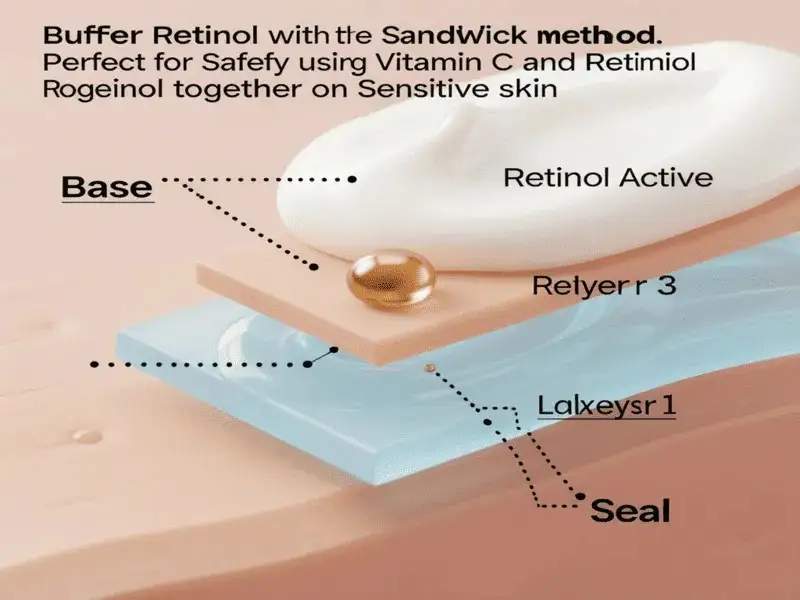
Layer 1 (The Base): After your Vitamin C has absorbed and the wait time has passed, apply a thin layer of a gentle, lightweight moisturizer.
Layer 2 (The Active): Apply your pea-sized amount of Retinol directly over the moisturizer.
Layer 3 (The Seal): Apply another layer of moisturizer on top to “sandwich” the Retinol in between.
Why It Works
By placing a layer of moisturizer beneath the Retinol, you create a slight physical barrier. This slows down the rate of absorption, preventing the Retinol from hitting the skin too hard and too fast. This is a game-changer for anyone dealing with “Retinol burn” or seasonal dryness.
To ensure your skin stays resilient during this process, it is essential to use a cream specifically formulated to support the lipid layer. For the best results, pair your routine with one of the Best Barrier Repair Creams for Sensitive Skin 2026 to keep your skin hydrated and calm.
Common Mistakes to Avoid (H2)
Even with the best intentions, it is easy to make a few critical errors when incorporating these two powerhouses into your routine. To avoid redness, “hot spots,” or making your products ineffective, keep an eye out for these three common pitfalls when using Vitamin C and Retinol together.
1. The “Cocktail” Mistake: Mixing Directly in Your Palm
It might seem efficient to mix a drop of Vitamin C and a pump of Retinol in your hand before applying them to your face, but this is a major mistake. As we discussed, these ingredients require completely different pH levels to remain stable.
When you mix Vitamin C and Retinol together directly, you essentially neutralize both. You end up with a DIY “cocktail” that is chemically unstable and unlikely to deliver the results you’re paying for. To successfully use Vitamin C and Retinol together, you must layer them one by one with a wait time, or separate them by time of day.
2. Skipping Sunscreen (The Ultimate Skincare Sin)
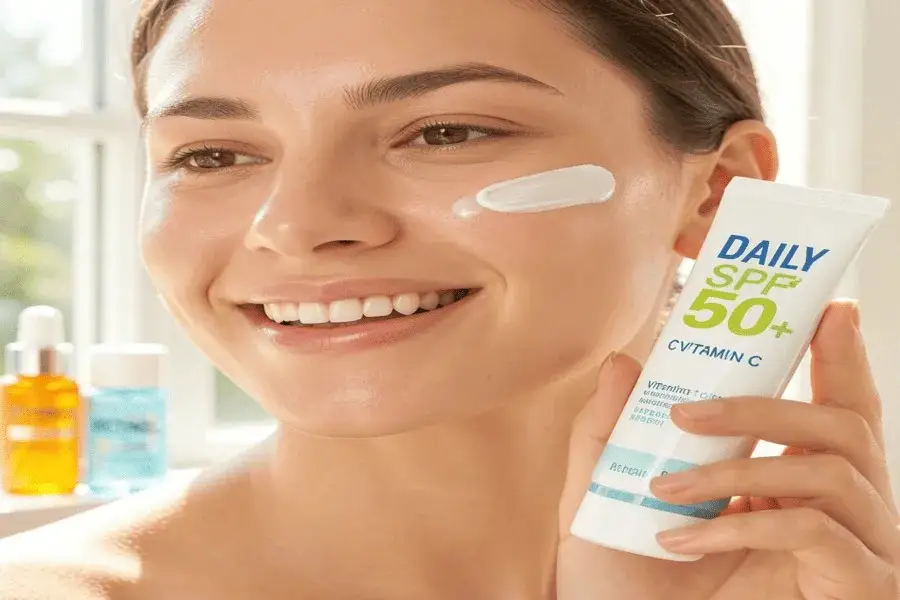
The riskiest error you can make is this one. While Vitamin C helps fight UV damage, Retinol makes your skin significantly more photosensitive.
By accelerating cell turnover, Retinol brings fresh skin cells to the surface that are very prone to burning. If you are using Vitamin C and Retinol together but skipping your daily SPF 30 or higher, you are actually fast-tracking sun damage, dark spots, and wrinkles instead of preventing them. Sunscreen is non-negotiable when using Vitamin C and Retinol together.
3. The “Too Much, Too Soon” Approach
If you have never used these actives before, do not start using both on the same day. This is a surefire way to have your skin barrier weakened. Your skin needs time to build up a “tolerance” before you can safely use Vitamin C and Retinol together in a daily routine.
The Pro Approach: Start with Vitamin C in the morning for two weeks. Once your skin feels comfortable, introduce Retinol just twice a week at night. Slowly raise the frequency as your skin becomes accustomed Jumping into a full-strength routine overnight is the fastest way to end up with peeling, itchy skin.
7. Who Should Avoid This Combination? (H2)
While the benefits of using Vitamin C and Retinol together are impressive, this powerhouse duo is not for everyone. If your skin’s protective barrier is already compromised, introducing these two potent actives simultaneously can trigger a flare-up.
Specifically, you should avoid this combination if you have:
Extremely Sensitive Skin: If your skin stings even with basic moisturizers.
Active Rosacea: The acidic nature of Vitamin C and the cell-turnover of Retinol can worsen redness and broken capillaries.
Eczema or Dermatitis: These conditions require a focus on healing, not aggressive anti-aging.
If you have Rosacea, it is much safer to stick to soothing ingredients like Niacinamide or Azelaic Acid to manage redness without the burn.
Expert Tips for 2026 Skincare: Mastering the Duo (H2)
As skincare science evolves in 2026, the focus has shifted from “more is better” to “smarter is better.” If you want to see real, long-term results from Vitamin C and Retinol without the dreaded redness, follow these expert-level tips to refine your routine.
Prioritize Consistency Over Intensity
One of the biggest mistakes users make is using too much product, thinking it will work faster. Actually, there’s a limit to how much your skin can absorb at once.
The “Pea-Sized” Rule: For Retinol, a pea-sized amount for the entire face is all you need. For Vitamin C, 3-5 drops are sufficient.
Slow and Steady: It is far better to use a lower-strength formula consistently every night than to use a high-percentage “clinical grade” serum once a week that leaves your skin peeling for days. Skincare is a marathon rather than a sprint.
How to Build Your Skin’s “Tolerance”
Think of Vitamin C and Retinol like a workout for your skin; you wouldn’t run a marathon on day one. You have to train your skin to handle these potent actives.
The “Intro” Phase: Start by using Vitamin C every other morning and Retinol only twice a week at night.
The 2-Week Check: If after two weeks you have no redness or stinging, increase the frequency slightly.
Listen to Your Skin: If your skin starts to feel tight or “stings” when you apply a simple moisturizer, that is a sign to hit the brakes. Skip your actives for 2–3 days and focus solely on hydration until your barrier feels strong again.
By respecting your skin’s limits and focusing on a sustainable routine, you will achieve that “glass skin” glow without the inflammatory setbacks.
Conclusion: Timing is Everything (H2)
Mastering the use of Vitamin C and Retinol together doesn’t require a chemistry degree, but it does require patience. The most important takeaway is that timing is everything. Whether you choose the “AM/PM split” or the “Wait-Time method” at night, the goal is to give each ingredient the environment it needs to transform your skin.
By respecting the pH balance of your skin and prioritizing your skin barrier, you can safely use Vitamin C and Retinol together to enjoy both brightening and age-defying results. Stick to the routine, use your sunscreen, and watch your skin transform over the coming weeks. Remember, the key to success when using Vitamin C and Retinol together is listening to your skin and being consistent.
Frequently Asked Questions (FAQ)
Can I take Retinol and Vitamin C at the same time?
Yes, but with caution. If you choose to use them in the same evening routine, you must apply the Vitamin C first (due to its lower pH) and wait at least 20 to 30 minutes before applying your Retinol. This allows your skin’s pH to stabilize so the Retinol remains effective. If you have sensitive skin, however, the AM/PM split is still the highly recommended “gold standard.”
Will using Vitamin C and Retinol cause “purging”?
Retinol is known to cause purging, while Vitamin C typically does not. When you start Retinol, it speeds up cell turnover, which can push hidden clogs to the surface, causing temporary breakouts. This is a normal part of the process and usually clears up within 4–6 weeks. However, if Vitamin C causes red, itchy bumps, it is more likely an allergic reaction or irritation rather than a purge. Always introduce one at a time to identify which ingredient is causing the reaction.
If my skin is sensitive, can I still utilize vitamin C and retinol?
Yes, but you must be strategic. If your skin is prone to redness or irritation, avoid using them in the same routine (nighttime). Instead, strictly follow the “Vitamin C in AM, Retinol in PM” rule. Additionally, use the Sandwich Method (Moisturizer > Retinol > Moisturizer) to buffer the strength of the actives. Always start with a low-percentage Vitamin C derivative (like Sodium Ascorbyl Phosphate) and a gentle Retinol or Bakuchiol.
Which one goes first: Vitamin C or Retinol?
Vitamin C always goes first. If you are layering them, the rule of thumb is “thinnest to thickest” and “lowest pH to highest pH.” Since most Vitamin C serums are water-based and highly acidic (low pH), they need to hit the skin first. Retinol is usually formulated in a cream or oil-based serum with a more neutral pH, so it should follow after your Vitamin C has fully absorbed.
How long does it take to see results from this combination?
Consistency is key, as results are not overnight. While Vitamin C can give you a subtle “glow” within 2–4 weeks due to its brightening properties, Retinol takes longer to work on a cellular level. You can expect to see significant improvements in fine lines, acne scars, and skin texture after 12–16 weeks of consistent use. Remember, skipping sunscreen even for one day can set your progress back!
Medical Disclaimer
Note: The information provided in this article, including layering guides and product suggestions, is for educational and informational purposes only. It is not intended to replace professional medical advice, diagnosis, or treatment
Skin reactions to potent actives like Vitamin C and Retinol can vary significantly based on individual skin types, allergies, and existing conditions like Rosacea or Eczema. Before incorporating new items into your routine, always do a patch test. If you experience severe irritation, redness, or swelling, discontinue use immediately and consult with a board-certified dermatologist.
nagashhealth.com does not claim to provide medical cures, and the results of these skincare routines may vary from person to person.
You Might Also Like