How to Apply Makeup Step by Step for Beginners
How to Apply Makeup Step by Step (Beginner’s Guide)
Introduction
Makeup is a way to enhance natural beauty and help you feel more confident and presentable. The purpose of makeup is not to hide your face, but to even out your skin tone, highlight your features, and create a fresh, polished look. Today, makeup is not only used for special occasions but has also become part of many people’s daily routine.
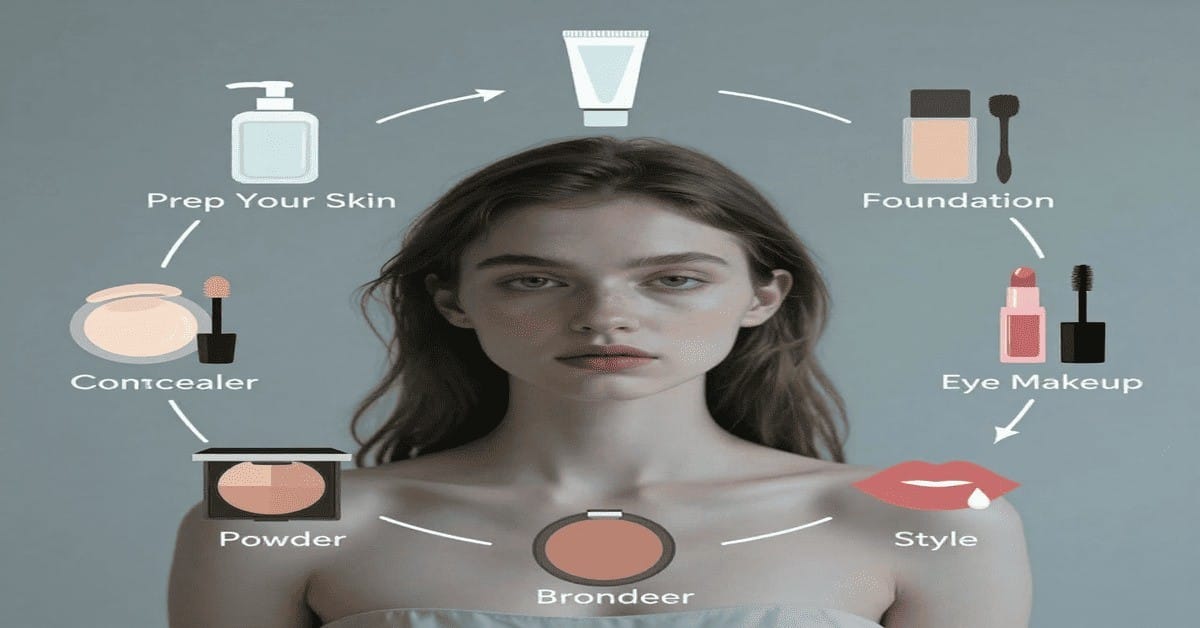
For beginners, makeup can feel confusing because there are many products and tools available. One of the most important things to learn is how to apply makeup step by step. Following the correct order of applying makeup helps your look appear more natural, last longer, and stay smooth on the skin. Using products in the wrong order can make makeup look cakey or uneven.
In this article, you will learn how to apply makeup step by step for beginners in a simple and professional way. We will cover everything from skin preparation to foundation, eye makeup, blush, and lip makeup. This guide is specially created for beginners to help you achieve a clean, natural, and flawless makeup look with ease.
Prepare Your Skin (Skin Prep Is Key)
Preparing your skin is the first and most important step in learning how to apply makeup step by step. Proper skin preparation ensures your makeup goes on smoothly, looks natural, and lasts longer throughout the day. Skipping this step can make your makeup appear patchy, oily, or uneven.
Cleanse Your Face Properly
First, wash your face with a mild cleanser:
- Apply a face wash appropriate for your skin type.
- Remove dirt, oil, and leftover makeup
- Pat your face dry with a clean towel
Clean skin creates a smooth base and prevents clogged pores and breakouts, which is essential for anyone learning how to apply makeup step by step.
Why Moisturizer Is Important
Moisturizer keeps your skin hydrated and balanced, helping foundation and other makeup products apply more evenly:
- Prevents dryness and flakiness
- Helps foundation blend smoothly
- Makes makeup look fresh instead of cakey
Apply a small amount to your face and neck and wait 1–2 minutes before moving to the next step.
The Role of Sunscreen (For Day Makeup)
Sunscreen is necessary if you plan to wear makeup during the day:
- Use SPF 30 or higher
- Protects skin from sun damage and early aging
- Apply after moisturizer and before primer
Even if your foundation contains SPF, using a separate sunscreen ensures your skin stays safe while following how to apply makeup step by step.
Skin Prep Tips According to Skin Type
Oily Skin:
- Use a gel or foaming cleanser
- Choose an oil-free, lightweight moisturizer
- Avoid heavy creams
Dry Skin:
- Use a creamy, hydrating cleanser
- Apply a rich moisturizer
- Let skincare absorb fully before makeup
Combination Skin:
- Use a gentle cleanser
- Apply lightweight moisturizer all over
- Focus extra hydration on dry areas
Key Tip
Healthy, well-prepared skin makes how to apply makeup step by step much easier, smoother, and more flawless. Never skip skin prep, even if you are in a hurry.
Apply Primer
Primer is a product applied before makeup to create a smooth, even base for your skin. It helps your makeup stay in place and improves the overall finish of your look. Using primer is especially helpful for beginners learning how to apply makeup step by step, because it makes makeup application easier and ensures a flawless result.
What Is Primer?
A lightweight substance called primer gets your skin ready for makeup:
- Smooths the skin surface
- Minimizes the appearance of pores and fine lines
- Helps foundation apply evenly
Think of primer as a bridge between your skincare and makeup, essential for mastering how to apply makeup step by step.
How Primer Makes Makeup Long-Lasting
Primer helps your makeup last longer by:
- Controlling excess oil
- Preventing makeup from melting or fading
- Keeping foundation fresh for hours
This step is especially important for beginners following how to apply makeup step by step, ensuring a long-lasting, polished look for all-day wear.
Face Primer vs Eye Primer
Face Primer:
- Used on the entire face
- Helps foundation stay smooth and crease-free
- Available for oily, dry, and combination skin
Eye Primer:
- Used only on eyelids
- Prevents eyeshadow from creasing
- Makes eyeshadow color look more vibrant
Using the right primer in the right area improves results and is a key part of how to apply makeup step by step correctly.
How Beginners Should Apply Primer
- Take a pea-sized amount of primer
- Apply gently with clean fingers
- Pay attention to places like the chin, forehead, and nose.
- Before applying foundation, let it sit for 30 to 60 seconds.
- Avoid using too much primer, as it can make makeup slide instead of staying in place.
Pro Tip
Always choose a primer that matches your skin type for the best results. This step is a foundation of learning how to apply makeup step by step successfully.
Apply Foundation
Foundation is the main product that evens out your skin tone and creates a smooth base for the rest of your makeup. Choosing the right type, shade, and application method is key to achieving a natural and flawless look. This step is essential when learning how to apply makeup step by step, especially for beginners aiming for a polished finish.
Types of Foundation
There are several types of foundation to choose from:
- Liquid Foundation: Lightweight, blends easily, suitable for most skin types
- Cream Foundation: Full coverage, best for dry or mature skin
- Powder Foundation: Matte finish, ideal for oily skin or quick touch-ups
Choose the type that matches your skin type and the look you want as part of your step-by-step makeup routine.
How to Choose the Right Shade
- Choose a foundation that complements the tone of your skin.
- Test it on your jawline, not your hand
- For the most precise match, check the shade in daylight.
- Avoid shades that are too light or too dark to prevent a mask-like effect
Correct shade selection is a crucial part of how to apply makeup step by step for a natural look.
Brush, Sponge, or Fingers – Which Is Best?
- Brush: Gives a smooth and even finish
- Sponge: Blends foundation seamlessly for a natural look
- Fingers: Great for quick application, warms the product for smooth blending
Beginners often prefer a sponge because it’s easy to use and gives a flawless finish when learning how to apply makeup step by step.
Blending Tips for a Natural Finish
- Start from the center of your face (nose, forehead, cheeks) and blend outwards
- Make light tapping motions with a brush or sponge.
- Remember to blend your neck and jawline to prevent sharp lines.Apply in thin layers and build coverage gradually
Pro Tip
Always apply foundation on well-prepped skin (clean, moisturized, and primed) for the smoothest and longest-lasting results. This is a core step in mastering how to apply makeup step by step.
Apply Concealer
After applying foundation, the next step in how to apply makeup step by step is using concealer. Concealer helps cover dark circles, blemishes, redness, or other imperfections that foundation alone might not fully hide. This step ensures your skin looks flawless and even-toned, which is especially important for beginners following a step-by-step makeup routine.
Choosing the Right Concealer
- For Dark Circles: Use a concealer 1–2 shades lighter than your skin tone to brighten under the eyes
- For Blemishes or Redness: Choose a concealer that matches your skin tone for seamless coverage
- For Color Correction: Green, peach, or yellow-toned concealers can neutralize specific areas
Selecting the right concealer is a crucial part of how to apply makeup step by step to achieve a natural and polished finish.
How to Apply Concealer
- Use a small amount to avoid a cakey look
- Dab gently with a sponge, brush, or fingertip
- Focus on areas that need extra coverage, such as under the eyes, around the nose, or on blemishes
- Blend carefully into the foundation for a seamless effect. For recurring nose-area acne, learning about acne around nose causes can help prevent future breakouts.
Concealer Before or After Foundation?
For beginners learning how to apply makeup step by step, it is recommended to apply foundation first, then use concealer on areas that need extra coverage. This prevents using too much product and keeps the look natural.
Pro Tip
Layer concealer gradually instead of applying a thick coat. This step is a key part of mastering how to apply makeup step by step for beginners, ensuring your base looks smooth and flawless.
Set Base with Compact or Loose Powder
Setting your foundation with powder is an essential step in how to apply makeup step by step. It helps control oil, reduce shine, and make your makeup last longer. Powder also ensures your makeup stays in place and gives your skin a smooth, matte finish.
The Role of Powder
- Oil Control: Absorbs excess oil to prevent shine, especially on oily skin
- Setting Makeup: Locks in foundation and concealer, helping them last longer
- Smooth Finish: Creates a polished, even texture on the skin
Using powder is a key part of how to apply makeup step by step for beginners, ensuring a flawless base.
Loose Powder vs Compact Powder
Loose Powder:
- Fine texture and lightweight
- Best for a natural, soft matte finish
- Ideal for setting foundation without looking cakey
Compact Powder:
- Pressed and easy to carry
- Provides slightly more coverage
- Great for touch-ups during the day
Choosing the right type of powder is important when following how to apply makeup step by step.
How to Avoid Over-Powdering
- Use a light hand and only a small amount at a time
- Focus on the T-zone (forehead, nose, chin) where oil tends to appear
- Blend well using a fluffy brush or powder puff
- Avoid layering too much, which can make makeup look dry or cakey
Pro Tip
Always choose a powder that matches your skin tone. For a glowing look, opt for a translucent or finely milled powder instead of thick, heavy formulas. Proper powder use is essential when learning how to apply makeup step by step.
Shape Your Eyebrows
Eyebrows play a major role in framing your face and enhancing your overall makeup look. Well-groomed eyebrows can make your eyes appear bigger and your face more balanced. Shaping your brows is an important step in how to apply makeup step by step, even for beginners.
Why Eyebrows Are Important
- Define facial features
- Make your eyes stand out
- Give a polished, put-together look even with minimal makeup
Beginner-Friendly Eyebrow Products
- Eyebrow Pencil: Easy to use, allows precise control for filling in gaps
- Eyebrow Powder: Gives a softer, natural look
- Eyebrow Gel: Sets hairs in place and adds subtle color
- Eyebrow Pomade: For more defined or dramatic brows
Simple Method to Fill Natural Brows
- Brush Your Brows: Use a spoolie to comb hairs upward and shape them
- Outline the Shape: Lightly draw the bottom and top edges
- Fill in Sparse Areas: Use short, hair-like strokes for a natural effect
- Blend: Brush through again with a spoolie to soften any harsh lines
- Set: Use clear or tinted eyebrow gel to keep hairs in place
Pro Tip
Start with light strokes and build gradually. Avoid overfilling to maintain a natural look. This is an essential step in how to apply makeup step by step for beginners.
Eye Makeup (Simple & Beginner-Friendly)
Eye makeup can completely transform your look. For beginners, keeping it simple and natural is the best way to enhance your eyes while learning how to apply makeup step by step.
Eye shadow Basics (Light to Dark Rule)
Start with a light shade on the entire eyelid as a base
To add depth, apply a medium shade to the crease.
Use a dark shade on the outer corner to create dimension
Blend well to avoid harsh lines
Following this “light-to-dark” rule helps beginners master how to apply makeup step by step and achieve a professional finish.
Daily Makeup: Neutral Shades
Neutral shades like beige, soft brown, peach, or taupe are perfect for everyday wear
Enhance your eyes without looking too dramatic
Save bold colors for parties or special occasions
Easy Way to Apply Eyeliner
- Start with a thin line close to your upper lash line
- Beginners can use pencil eyeliner for better control
- Gradually extend the line outward for a slight wing if desired
- Keep it thin for a natural look
How to Use Mascara Properly
- Curl your lashes before applying mascara
- Apply one or two coats from roots to tips
- Wiggle the wand slightly to separate lashes and avoid clumps
- Focus on upper lashes for a natural, lifted look
Pro Tip: Start simple and practice blending, eyeliner, and mascara application. This step is essential for mastering how to apply makeup step by step for beginners.
Add Color with Blush & Bronzer
Adding blush and bronzer gives your face warmth, dimension, and a healthy glow. These products enhance your features and complete your look when learning how to apply makeup step by step.
How Blush Makes Your Face Look Fresh
- Adds a natural flush to the cheeks
- Gives a youthful, radiant appearance
- Prevents makeup from looking flat or dull
Blush Placement According to Face Shape
- Round Face: Apply higher on the cheekbones for a lifting effect
- Oval Face: Apply on the apples of the cheeks for a natural glow
- Square Face: Blend along cheekbones to soften angles
- Heart-Shaped Face: Focus on the apples and blend slightly toward the temples
Bronzer vs Contour: Basic Difference
- Bronzer: Applied where the sun naturally shines, it adds warmth and a sun-kissed appearance.
- Contour: Creates shadows to sculpt features, like under the cheekbones and jawline
- Beginner Tip: Start with bronzer first, then add subtle contouring if desired
Expert Advice: Blend well and use a light hand.This is an important step in how to apply makeup step by step for a natural look.
Apply Highlighter (Optional)
Highlighter adds glow and brightness to certain areas. It reflects light, making your skin look radiant and healthy. While optional, it enhances your makeup when following how to apply makeup step by step.
Subtle Highlighting Tips for Beginners
- Start with a small amount to avoid looking shiny
- Blend gently with fingers, brush, or sponge
- Focus on just one or two tasks at a time.
Where to Apply Highlighter
- Cheekbones: Lift the face
- Nose: Lightly on the bridge
- Cupid’s Bow: Above the upper lip to enhance fullness
Pro Tip: Less is more! Subtle highlighting works best when practicing how to apply makeup step by step.
Lip Makeup
Lip makeup adds color, definition, and polish to your face. Proper prep and application are key steps in how to apply makeup step by step.
Prep Your Lips
- Exfoliate to remove dry skin
- After applying a moisturizing lip balm, give it a few minutes.
Lipstick, Lip Gloss, and Lip Liner
- Lip Liner: Defines shape and prevents bleeding
- Lipstick: Adds color; choose a shade that complements your skin tone
- Lip Gloss: Adds shine; can be layered over lipstick
Long-Lasting Lip Makeup Tips
- Apply thin layers, blot, then apply a second layer
- Use matching lip liner underneath for staying power
- For matte lipstick, avoid excess balm on top
Pro Tip: Clean edges with a cotton swab for a precise finish. This completes your beginner’s makeup application guide.
Set Your Makeup
Setting makeup locks in your look and ensures it stays fresh, smooth, and long-lasting—an essential final step in how to apply makeup step by step.
Benefits of Setting Spray
- Locks in makeup
- Controls shine
- Refreshes skin with a natural finish
Tips to Keep Makeup Fresh
- Hold spray 8–10 inches from the face
- Spray lightly in an “X” and “T” motion
- Carry powder or blotting papers for touch-ups
- Avoid touching your face
Pro Tip: Use a light mist for best results. Proper setting is crucial in how to apply makeup step by step for beginners.
Common Makeup Mistakes Beginners Should Avoid
When you are new to makeup, it’s easy to make mistakes that can affect your overall look. Being aware of these common errors can help you achieve a natural and polished finish every time.
1. Choosing the Wrong Foundation Shade
- Using a foundation that is too light or too dark can make your makeup look unnatural
- Always test foundation on your jawline and check it in natural daylight
- Match your foundation with your neck and chest for a seamless look
2. Over-Blending or Under-Blending
Over-blending: Can make your makeup look muddy or uneven
Under-blending: Leaves harsh lines and patches
Tip: Use gentle circular or tapping motions and blend foundation, concealer, and eyeshadow evenly
3. Using Too Much Product
- Applying excessive foundation, powder, blush, or eyeshadow can make makeup look cakey or heavy
- Less is more; begin with modest amounts and progressively increase coverage.
- Focus on key areas like under-eye, T-zone, and cheekbones instead of layering everywhere
Pro Tip
Practice and patience are key. With time, you’ll learn the right amount of product and blending technique that works for your face.
Makeup Tips for Beginners
Starting with makeup can feel overwhelming, but following a few simple tips can make the process easier, fun, and effective. These beginner-friendly tips will help you create a polished look without stress.
1. Follow the “Less Is More” Rule
- Apply thin layers of foundation, blush, and eyeshadow instead of heavy amounts
- Gradually build coverage to achieve a natural look
- Avoid overdoing eyeliner or highlighter; subtlety often looks better than too much product
2. Practice Makes Perfect
- Makeup is a skill that improves with practice
- Before wearing them out, try different looks at home.
- Focus on mastering blending, eyeliner, and lipstick application
3. Choose Affordable Makeup Products
- Beginners don’t need expensive products to look great
- Many drugstore brands offer quality foundation, mascara, and lipsticks
- Affordable products allow you to experiment without pressure
Pro Tip
Start simple, practice regularly, and gradually try new colors or techniques. Over time, you’ll gain confidence and skill in makeup application.
FAQ
Q1. How can novices apply makeup step-by-step?
For beginners, it’s best to follow a simple step-by-step routine:
- Prep your skin (cleanser, moisturizer, sunscreen)
- Apply primer
- Apply foundation
- Use concealer for imperfections
- Set with powder
- Shape your eyebrows
- Apply eye makeup (eyeshadow, eyeliner, mascara)
- Add blush, bronzer, and highlighter
- Apply lipstick or lip gloss
- Set everything with a setting spray
Following this order ensures natural and long-lasting makeup.
Q2. Is makeup bad for skin?
Makeup is not harmful if you use it correctly:
- Always prep and cleanse your skin before and after makeup
- Use products suitable for your skin type
- Remove makeup thoroughly before sleeping
- Avoid expired products
Proper makeup habits keep your skin healthy and radiant.
Q3. How long does makeup last?
The longevity of makeup depends on:
- Skin type (oily skin may need touch-ups)
- Weather (hot, humid conditions can reduce wear)
- Products used (primer and setting spray extend wear)
On average, properly applied makeup can last 6–8 hours, with occasional touch-ups for best results.
Q4. How often should beginners wear makeup?
- Beginners can start with occasional use, such as special events or outings
- Daily makeup is fine if skin is prepped, and products are light and breathable
- To preserve the health of your skin, always take off your makeup before bed.
Conclusion
Makeup is a skill that improves with practice. Even beginners can achieve a polished, natural look by following a step-by-step approach.
Remember, the key is to start simple, use the right products for your skin type, and gradually build your skills. With patience and regular practice, you will gain confidence in applying makeup, experiment with different looks, and enjoy the creative process.
Above all, makeup is meant to enhance your natural beauty, not cover it. Keep it fun, light, and empowering!
Disclaimer
The beauty tips, makeup techniques, and aesthetic advice shared in this article are for informational and educational purposes only. Because skin types, facial structures, and individual sensitivities vary, we recommend trying a small test application of any new cosmetic or technique before full use. This content is not a substitute for professional dermatological or aesthetic advice. Individual results may vary; please use your own judgment and prioritize skin safety.