Skin Flooding: The Best 2026 Guide to Viral Hydration
Skin Flooding: The Viral Hydration Trend: Comprehensive Guide for 2026 (UK and USA)
In the fast-paced sphere of skincare techniques and practices, a new approach, which will be popular in 2026, emerges. It is all about getting rid of multi-step procedures in favor of the technique that will provide your skin with deep and long-lasting hydration. Skin flooding—it sounds promising and is worth trying.

e.l. f. SKIN Holy Hydration! Hydrated Ever After Skincare Mini Kit
Achieve ultimate hydration and repair your skin barrier instantly with this travel-friendly multi-step routine.
What Is Skin Flooding?
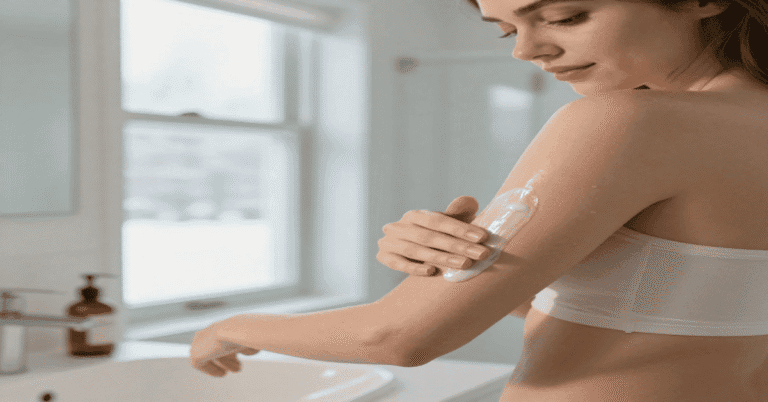
This innovative skin layering technique implies applying a certain number of hydrating skincare products in a particular order in order to flood your skin with hydration. This way, all applied products penetrate the skin effectively and lock in the moisture, providing your skin with hydration and nourishment.
Moreover, in addition to moisturizing, this technique improves the skin texture and makes it softer and radiant. The procedure is helpful for dry and sensitive skin as well as dehydrated skin; however, by means of proper product selection, it may also benefit people with oily and combination skin.
How Skin Flooding Works
The main idea of this method lies in layering humectant-containing products on slightly damp skin and creating a hydration barrier that locks moisture inside.
The main steps of the routine are as follows:
Toner/Hydration Mist: Prepares and refreshes the skin;
Serum: Provides the skin with concentrated hydration;
Moisturiser: Locks the moisture and reinforces the skin barrier.
By following the above-mentioned routine, you will make sure that each layer of product will effectively work, and over time your skin will become plumper and softer, more resilient, less tight, flakier, and less irritated.
Why Is the Trend Popular in the USA and UK?
The method has gained popularity due to its ease, affordability, and obvious effects. Social media platforms, like TikTok and Instagram, played a major role in the process and helped spread the word about the skincare routine that gives your skin instant glow.
The method is especially useful for:
Cold Climate: for example, UK winter when skin quickly loses moisture;
Indoor environments: air-conditioned offices or heating at home in the USA can make the skin lose its natural hydration.
People prefer barrier-friendly, hydration-based procedures to aggressive techniques nowadays, and this skincare routine provides exactly what people need in 2026.
How the Skin Flooding Trend Started
The trend exploded in early 2024 when beauty influencers and dermatologists began posting viral videos demonstrating how layering hydrating products could transform dull skin into a glowing complexion. This quickly captivated audiences in the USA and UK, with millions trying the routine at home.
Inspired by K-Beauty and “Glass Skin”
The philosophy behind skin flooding is deeply rooted in Korean beauty (K-beauty) principles, particularly the pursuit of “glass skin“—a term for skin that is smooth, luminous, and intensely hydrated.
K-beauty has long championed layering lightweight essences and serums. Skin flooding adapts this concept into a more streamlined, Western-friendly version that is easier and quicker to follow.
Why It Gained Massive Popularity
Skin flooding became a viral sensation because it’s
Easy to Follow: You only need a few basic skincare products.
Affordable: You can use effective drugstore brands like CeraVe, The Ordinary, or La Roche-Posay.
Effective: It delivers visible, immediate hydration and glow, especially for dry or dehydrated skin.
Many leading dermatologists in the USA and UK endorse this trend because it focuses on the essential goal of repairing the skin’s moisture barrier for long-term health.
Brands That Embraced the Trend
As the trend grew, major skincare brands jumped on board, releasing tutorials and product recommendations.
Popular brands include:
The Ordinary: Known for affordable serums like Hyaluronic Acid 2% + B5.
La Roche-Posay: Famous for hydrating toners and soothing moisturizers.
CeraVe: Renowned for barrier-restoring creams and hydrating cleansers.
These brands have highlighted the benefits of layering and provided step-by-step guides to make the trend accessible to everyone.
Benefits of Skin Flooding
Implementing a skin-flooding routine can deliver noticeable improvements to your skin’s health and appearance.
1. Deep Hydration
By layering humectants like hyaluronic acid, your skin absorbs and retains more water, resulting in a plump, refreshed, and well-hydrated complexion.
2. Strengthens the Skin Barrier
Consistent moisture helps rebuild and reinforce the skin’s natural barrier, protecting against irritants, redness, and flakiness.
3. Plumper & Smoother Skin
Hydrated skin reflects light better, giving a glowing, youthful appearance. Fine lines may appear less noticeable, and overall texture feels smoother.
4. Better Makeup Application
Well-moisturized skin provides a smooth canvas, allowing foundation and concealer to glide on evenly without clinging to dry patches.
5. Ideal for Harsh Weather
It’s perfect for combating moisture loss in cold winters or dry climates, helping maintain hydration balance despite environmental stressors.
Step-by-Step Skin Flooding Routine
Mastering skin flooding at home is simple. Follow this structured guide to achieve hydrated, plump, and glowing skin:
Step 1: Start with a Gentle Cleanser
Wash your face with a mild, hydrating cleanser to remove impurities without stripping moisture.
Examples: CeraVe Hydrating Cleanser (USA) or La Roche-Posay Toleriane Hydrating Cleanser (UK).
Step 2: Leave Skin Slightly Damp
After cleansing, do not completely dry your face. Damp skin allows serums and moisturizers to absorb more effectively.
Step 3: Apply a Hydrating Toner or Mist
Use a toner or facial mist with humectants like glycerin or hyaluronic acid.
Examples: Fresh Rose Deep Hydration Toner or The Inkey List Hyaluronic Acid Toner.
Step 4: Add a Hydrating Serum
Apply a serum to draw water into the skin. Niacinamide and hyaluronic acid are great options.
Examples: The Ordinary Hyaluronic Acid 2% + B5 or Glow Recipe Plum Plump Hyaluronic Serum.
Step 5: Seal with a Moisturizer
Lock in the hydration with a ceramide-rich moisturizer to strengthen the skin barrier.
Examples: CeraVe Moisturising Cream or Eucerin Advanced Repair Cream.
Step 6: Optional—Add Face Oil or Balm
For extra dry skin, apply a few drops of face oil (like squalane) to seal in hydration overnight.
Examples: Biossance Squalane Oil or The Ordinary 100% Plant-Derived Squalane.
Step 7: Sunscreen (Morning Only)
Always finish your morning routine with SPF 30+ to protect your skin from UV damage.
Pro Tip: Repeat this routine daily, adjusting product textures based on your skin type—lightweight gels for oily skin and richer creams for dry skin.
Best Skin Flooding Products (USA & UK)
1. Cleanser
USA: CeraVe Hydrating Cleanser—Rich in ceramides.
UK: La Roche-Posay Toleriane Hydrating Cleanser—Gentle and soothing.
2. Toner or Hydrating Mist
USA: Fresh Rose Deep Hydration Toner.
UK: The Inkey List Hyaluronic Acid Toner.
3. Serum
USA: The Ordinary Hyaluronic Acid 2% + B5.
UK: Glow Recipe Plum Plump Hyaluronic Serum.
4. Moisturizer
USA: Eucerin Advanced Repair Cream.
UK: CeraVe Moisturising Cream.
5. Optional Face Oil or Balm
USA: Biossance Squalane Oil.
UK: The Ordinary 100% Plant-Derived Squalane.
Common Mistakes to Avoid
1. Applying Products on Completely Dry Skin
Hydration works best on slightly damp skin.
2. Using Too Many Heavy Layers
Overloading can clog pores. Stick to lightweight textures, especially for oily skin.
3. Mixing Harsh Actives with Hydrating Layers
Avoid applying strong actives like retinol on damp skin to prevent irritation.
4. Skipping Sunscreen
Always finish with SPF 30+ to protect your skin and maintain health.
5. Ignoring Your Skin Type
Use products suited to your skin: gels for oily skin, creams for dry skin, and fragrance-free for sensitive skin.
6. Applying Products Too Quickly
Allow each layer a moment to absorb fully.
7. Expecting Immediate Miracle Results
While hydration improves quickly, long-term benefits like smoother texture take consistent practice.
Skin Flooding for Different Skin Types
Dry Skin
Tips: Use rich creams, hydrating oils, and humectants like hyaluronic acid.
Recommended: CeraVe Moisturizing Cream, Biossance Squalane Oil.
Oily Skin
Tips: Choose lightweight, non-comedogenic serums and water-based moisturizers.
Recommended: The Inkey List Hyaluronic Acid Toner, Glow Recipe Plum Plump Serum.
Combination Skin
Tips: Apply lighter layers on the T-zone and richer creams on dry cheeks.
Recommended: CeraVe Moisturising Cream (for dry areas).
Sensitive Skin
Tips: Stick to fragrance-free, gentle formulations and patch-test new products.
Recommended: La Roche-Posay Toleriane Cleanser, Eucerin Advanced Repair Cream.
Aging Skin
Tips: Layer serums rich in hyaluronic acid, peptides, or niacinamide.
Recommended: Glow Recipe Plum Plump Serum, Biossance Squalane Oil.
The Future of Skin Flooding: Why It’s Still Trending in 2026
The trend continues to dominate because it combines simplicity, effectiveness, and accessibility. Consumers are moving towards barrier-supporting routines, and skin flooding fits perfectly into that ethos.
Backed by Dermatologists: It’s a science-backed technique for healthy skin.
Post-Exfoliation Care: It’s ideal for soothing and rehydrating after exfoliation.
Cost-effective: It simply needs a few essential items.
In short, skin flooding is a modern, dermatologist-approved method that leverages both skincare science and viral social media appeal, keeping it at the forefront of beauty trends.
FAQ
Q1: Can I do skin flooding every day?
Ans: Yes! It is gentle and safe for daily use, supporting your skin barrier.
Q2: Morning or night?
Ans: Both. Morning provides a hydrated base for makeup, while night supports repair and replenishment.
Q3: Is it suitable for oily skin?
Ans: Yes, with lightweight, non-comedogenic products like gel-based serums.
Q4: Can I mix it with vitamin C or retinol?
Ans: Yes, with caution. Apply actives after the hydrating layers have absorbed, or use them on alternate days.
Q5: What are the best budget-friendly products?
Ans: The Ordinary Hyaluronic Acid 2% + B5 and CeraVe Moisturising Cream are effective and affordable.
Q6: Can it help with aging skin?
Ans: Yes! Fine wrinkles appear less noticeable on hydrated skin, which appears plumper.
Q7: How much time does it take to see results?
Ans: Immediate hydration is noticeable, while long-term benefits appear in 2–4 weeks.
Q8: Can I use it with makeup?
Ans: Absolutely. It produces a moisturized, silky foundation for seamless makeup application.
Final Thoughts
The skin-flooding trend is more than just a social media fad—it is a science-backed skincare technique that enhances hydration, strengthens the barrier, and revives dull skin.
Whether you’re dealing with the harsh winters of the UK or the dry air of the USA, this layering method can make your skin plumper, softer, and glowing with health.
Start small: a good toner, serum, and moisturizer are all you need to begin your skin-flooding routine—and your skin will thank you!
Disclaimer
This article’s product reviews, routines, and skincare advice are provided for informational purposes. Each person’s skin type reacts differently. We advise patch-testing new products and consulting a licensed dermatologist for ongoing skin issues. Individual results may vary.