Eye Cream for Sensitive Skin 2026 | Dermatologist-Recommended USA Guide
Eye Cream for Sensitive Skin: Dermatologist-Recommended Guide for Gentle Care (2026, USA)
Introduction
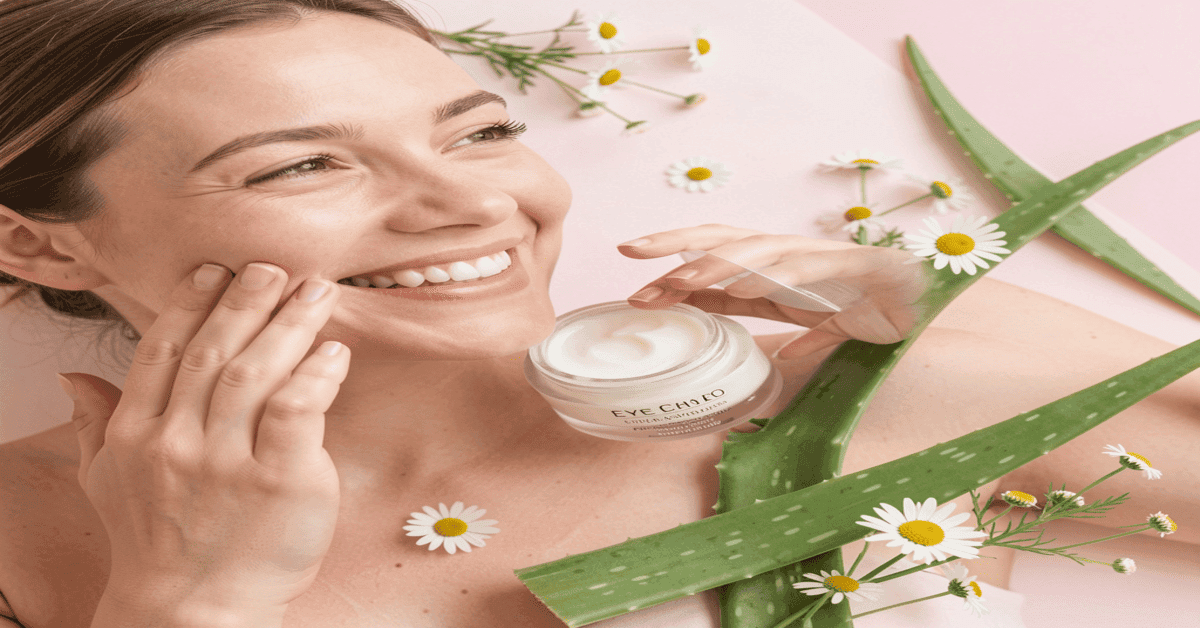
The under-eye area is one of the most delicate parts of your face, especially for people with sensitive skin. Its thinness makes it prone to dryness, irritation, and reactions to harsh ingredients commonly found in regular creams.
For Americans seeking gentle yet effective care, selecting the right eye cream for sensitive skin is essential to maintain hydration, reduce puffiness, and prevent early signs of aging.
In this 2026 guide, we’ll cover:
- Why sensitive under-eye skin needs special care
- The best eye creams for hydration, anti-aging, and anti-wrinkle benefits
- Dermatologist recommendations for safe and effective products
- How to apply eye cream properly
- Tips to avoid irritation and protect delicate skin
Why Sensitive Skin Needs a Special Eye Cream
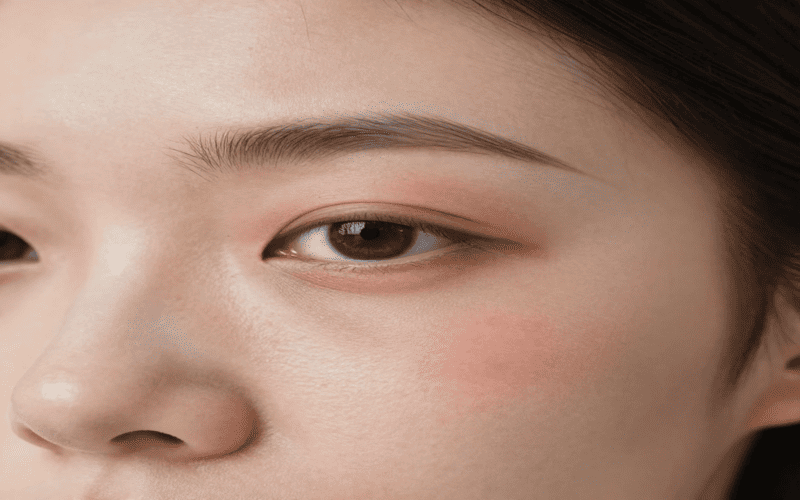
The skin around your eyes is extremely delicate, and for those with sensitive skin, it can be even more reactive. Common ingredients in regular face creams—such as fragrances, alcohols, or potent active compounds—can easily trigger irritation. In the under-eye area, this often results in:
- Redness: Flushing or pinkness due to inflammation
- Puffiness: Fluid retention or swelling that makes eyes look tired
- Burning or stinging sensations: Common reactions to harsh or synthetic ingredients
- Dark circles: Often worsened by irritation and thin skin
Using regular face creams can sometimes do more harm than good, as they are formulated for thicker facial skin and may be too heavy or contain irritants.
How a Specialized Eye Cream Helps
A high-quality eye cream for sensitive skin is designed to:
- Hydrate the delicate skin: Lightweight ingredients such as hyaluronic acid add moisture without feeling heavy.
- Support the skin barrier: Ceramides and peptides help strengthen the under-eye skin, preventing moisture loss and irritation.
- Calm and soothe irritation: Ingredients like aloe vera, panthenol (Vitamin B5), or Centella Asiatica reduce redness and inflammation.
- Address early signs of aging: Gentle anti-aging ingredients like bakuchiol or plant-derived peptides help reduce fine lines without causing sensitivity.
Why USA Consumers Should Choose Specialized Eye Creams
In the USA, sensitive skin is increasingly common due to factors such as:
- Environmental stressors like pollution and sun exposure
- Overuse of strong skincare products with retinoids or acids
- Lifestyle factors such as stress, lack of sleep, or screen time
For Americans, selecting a dermatologist-recommended, fragrance-free eye cream ensures that the under-eye area is properly cared for while minimizing the risk of irritation, puffiness, and premature aging.
Pro Tip: Always patch-test a new eye cream before applying it daily. Apply a small amount on the inner arm or under the eye for 24–48 hours to check for any reactions.
Best Eye Cream for Sensitive Skin (2026 Picks)
Choosing the right eye cream for sensitive skin can be overwhelming, especially with so many options available in the USA. To make it easier, look for products that are:
- Fragrance-free formulas: Avoid added scents that can trigger irritation or redness
- Minimalist ingredients: Fewer active ingredients reduce the risk of reactions
- Barrier-supporting actives: Ingredients like ceramides, peptides, and hyaluronic acid strengthen delicate under-eye skin
Top Types Recommended by Dermatologists in the USA
- Hydrating Eye Creams
- Lightweight, water-based creams that provide deep moisture without feeling heavy
- Ideal for oily, combination, or easily irritated skin
- Common ingredients: Hyaluronic acid, aloe vera, panthenol
- Moisturizing Eye Creams
- Creamy formulas that seal in hydration and support the skin barrier
- Perfect for dry or mature skin prone to fine lines
- Common ingredients: Ceramides, plant oils, glycerin
- Anti-Aging / Anti-Wrinkle Eye Creams
- Gentle formulations designed to reduce fine lines and early wrinkles without irritation
- Contains skin-friendly actives like peptides, bakuchiol, niacinamide, and ceramides
- Safe for sensitive under-eye skin, including for Americans prone to puffiness or dark circles
Dermatologist Tips for Selecting the Best Eye Cream
- Always check ingredient labels for potential irritants
- Patch-test new products before daily use
- Consider your skin type: hydrating for oily/combination, moisturizing for dry/mature, anti-aging for preventive care
- Buy from trusted retailers in the USA like Sephora, Ulta, Dermstore, or Amazon USA to ensure authenticity
Pro Tip: Layering can enhance results. Apply a hydrating cream first, then follow with a moisturizing or anti-aging formula if needed, focusing on gentle tapping motions.
Dermatologist-Recommended Eye Creams for Sensitive Skin
For Americans with sensitive under-eye skin, dermatologists recommend choosing eye creams that contain gentle yet effective ingredients to support hydration, reduce irritation, and prevent early signs of aging.
Key Ingredients Recommended by Dermatologists

- Ceramides & Peptides
- Help repair and strengthen the skin barrier
- Maintain moisture and protect delicate under-eye skin
- Ideal for preventing dryness, redness, and irritation
- Hyaluronic Acid
- Lightweight, water-binding molecule that provides deep hydration
- Reduces the appearance of fine lines without heavy or greasy texture
- Perfect for all skin types, especially sensitive or combination skin
- Panthenol (Vitamin B5)
- Soothes irritation and calms inflammation
- Supports skin repair and keeps under-eye area soft and supple
- Safe for sensitive eyes prone to redness or puffiness
- Bakuchiol
- Natural, gentle anti-aging alternative to retinol
- Enhances elasticity and minimizes fine lines without irritating
- Great option for Americans who want anti-aging benefits but have reactive skin
Pro Tips for Safe Use
- Always patch-test new products: apply a small amount on the inner arm or under-eye for 24–48 hours to check for reactions
- Introduce one new product at a time into your routine
- Apply with gentle tapping motions instead of rubbing to avoid stretching delicate skin
Under Eye Cream for Sensitive Skin
The under-eye area is one of the most delicate parts of the face, often showing early signs of puffiness, dark circles, and fine lines. Choosing the right under-eye cream for sensitive skin can help address these concerns without causing irritation.
Key Benefits of a Good Under-Eye Cream
- Hydrate without heaviness: Lightweight formulas provide moisture without clogging pores or feeling greasy.
- Reduce puffiness: Ingredients like caffeine, green tea extract, or peptides help calm swelling and improve circulation.
- Antioxidants for long-term skin health: Vitamins C and E, niacinamide, and plant-based extracts protect against environmental stressors and prevent premature aging.
Application Tips for Americans
- Always use your ring finger to apply, as it applies the least pressure to the delicate under-eye area.
- Use a gentle tapping motion, rather than rubbing, to prevent stretching or irritation.
- Apply morning and night for best results, especially after cleansing and toning.
Pro Tip: For extra hydration, store your eye cream in the fridge. The cool temperature can further reduce puffiness and soothe sensitive skin.
Hydrating vs Moisturizing Eye Cream for Sensitive Skin
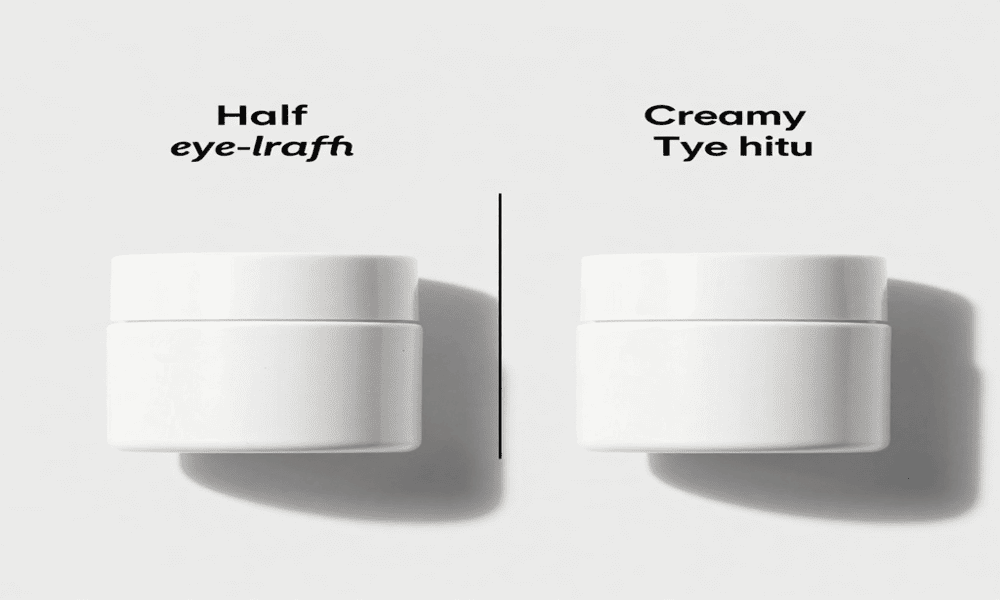
Many Americans often confuse hydration with moisturization, but both play distinct roles in maintaining healthy under-eye skin, especially for those with sensitive skin. Understanding the difference can help you choose the right eye cream for sensitive skin and optimize your skincare routine.
Hydrating Eye Creams
- Purpose: Add water to the skin, providing lightweight hydration
- Texture: Usually gel-based or water-light formulas
- Best For: Combination, oily, or sensitive under-eye skin that feels tight but not dry
- Common Ingredients: Hyaluronic acid, aloe vera, glycerin
- Benefit: Leaves skin plump and refreshed without heaviness
Moisturizing Eye Creams
- Purpose: Seal in hydration and lock moisture into the skin
- Texture: Thicker, creamier formulas
- Best For: Dry, mature, or sensitive under-eye skin prone to fine lines and flakiness
- Common Ingredients: Ceramides, shea butter, plant oils
- Benefit: Prevents moisture loss and fortifies the skin’s barrier
Layering Tip for Americans with Sensitive Skin
- Apply a hydrating cream first to deliver water-based moisture
- Follow with a moisturizing cream if your under-eye area needs extra barrier support or long-lasting hydration
- Always use gentle tapping motions with your ring finger to protect delicate skin
Pro Tip: Combining hydrating and moisturizing creams can maximize results for sensitive under-eye skin, especially in dry US climates or during winter.
Best Anti-Aging Eye Cream for Sensitive Skin

For Americans over 25, the under-eye area often shows the first signs of aging, including fine lines, early wrinkles, and loss of elasticity. Choosing a gentle anti-aging eye cream for sensitive skin is essential to maintain smooth, healthy-looking under-eyes without causing irritation.
Key Benefits of Anti-Aging Eye Creams
A high-quality anti-aging eye cream should:
- Smooth fine lines gently, without harsh actives that could trigger sensitivity
- Strengthen the under-eye skin by supporting the delicate skin barrier
- Include gentle yet effective actives, such as:
- Peptides: Promote collagen production and improve elasticity
- Ceramides: Repair and protect the skin barrier
- Bakuchiol: A natural, gentle alternative to retinol for reducing wrinkles
Safe Options for Americans
When shopping in the USA, look for:
- Fragrance-free formulas to minimize irritation
- Dermatologist-tested products for sensitive skin
- Lightweight textures that layer easily under makeup or sunscreen
- Products from trusted retailers like Sephora, Ulta, Dermstore, or Amazon USA
Pro Tip: Apply anti-aging eye creams twice daily—morning and night—for best results, and always use a gentle tapping motion with your ring finger to protect the delicate under-eye skin.
Anti-Wrinkle Eye Cream for Sensitive Skin
For Americans looking to prevent or reduce deeper fine lines and wrinkles, choosing the right anti-wrinkle eye cream for sensitive skin is crucial. Sensitive under-eye skin cannot tolerate harsh retinol derivatives, so gentle, barrier-supporting formulas are recommended.
Key Features of Anti-Wrinkle Eye Creams
- Collagen-supporting ingredients: Peptides, ceramides, and plant-based alternatives help strengthen skin structure and improve elasticity.
- Maintain hydration: Keeping the delicate under-eye area moisturized reduces the appearance of wrinkles and prevents dryness-related fine lines.
- Avoid harsh retinoids: Sensitive skin may react to traditional retinol, so look for gentle alternatives like bakuchiol or low-concentration retinal derivatives.
Tips for Effective Use in the USA
- Consistency is key: Apply 1–2 times daily rather than heavy, sporadic use for optimal results.
- Use a gentle tapping motion with the ring finger to prevent stretching or irritation.
- Consider layering with a hydrating or moisturizing eye cream if your skin feels particularly dry, especially during cold or dry climates in the USA.
Pro Tip: For best results, apply anti-wrinkle cream after cleansing and toning, but before sunscreen during the day. At night, follow with a lightweight moisturizer if needed.
How to Apply Eye Cream Without Irritation
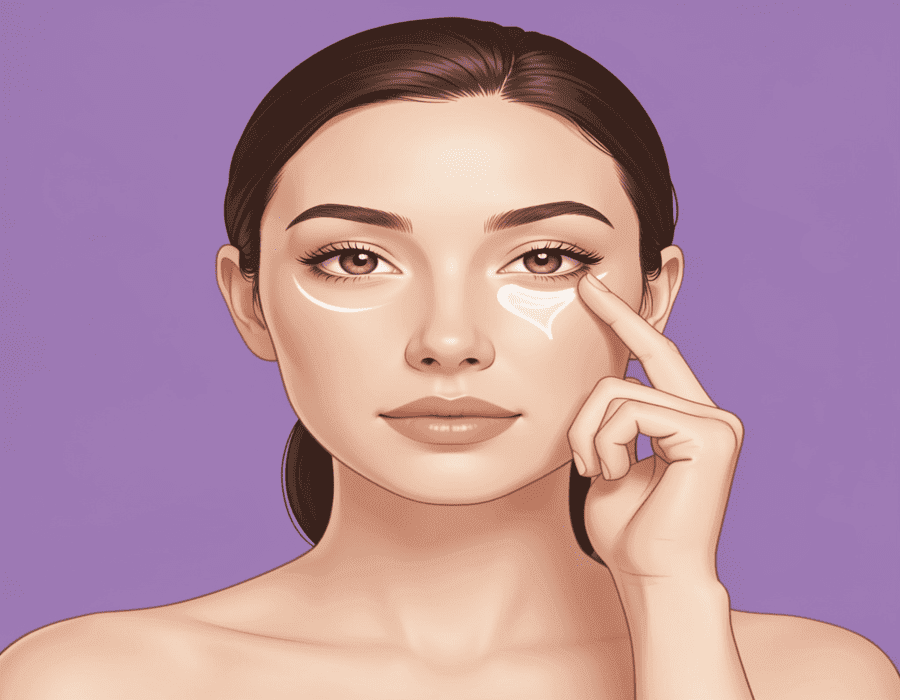
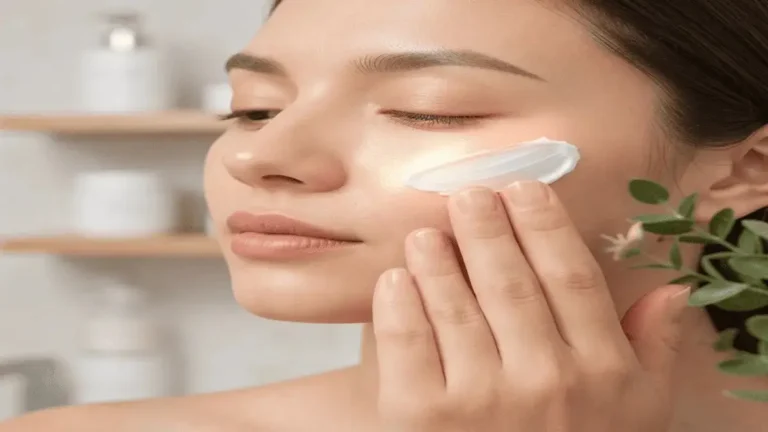
Applying eye cream for sensitive skin properly is just as important as choosing the right product. Using incorrect techniques can cause stretching, irritation, or reduced effectiveness, especially for Americans with delicate under-eye skin. Follow these dermatologist-recommended steps for safe and effective application.
Step-by-Step Guide
- Use a pea-sized amount per eye
- A small amount is sufficient to cover the under-eye area without overloading the skin.
- Avoid heavy application, which can lead to product buildup and irritation.
- Apply with your ring finger
- The ring finger applies the least pressure, ideal for delicate under-eye skin.
- Gently tap the cream rather than rubbing or dragging.
- Avoid rubbing or pulling the skin
- Stretching the skin can worsen fine lines and increase sensitivity.
- Always use light, upward or outward tapping motions.
- Apply on slightly damp skin
- Damp skin helps lock in hydration and allows better absorption of active ingredients.
- Ideal after cleansing and using a toner or essence.
- Layer gently if using both hydrating and moisturizing creams
- Apply hydrating cream first, followed by a moisturizing or anti-aging cream if needed.
- This layering approach maximizes hydration and supports the skin barrier without causing irritation.
Extra Tips for Americans
- Apply your eye cream morning and night for best results.
- In dry or cold climates, consider storing eye cream in the fridge to help reduce puffiness and soothe sensitive skin.
- Always check ingredient labels for fragrance or harsh actives to prevent adverse reactions.
Common Mistakes to Avoid When Using Eye Cream
Even the best eye cream for sensitive skin can cause irritation or fail to deliver results if applied incorrectly. Many Americans unknowingly make mistakes that reduce effectiveness or trigger sensitivity. Here’s how to avoid them for healthy, glowing under-eyes.
Top Mistakes to Avoid
- Using too much product
- A pea-sized amount per eye is sufficient. Overloading the skin can lead to puffiness, clogged pores, or irritation.
- Rubbing vigorously
- Rubbing or pulling delicate under-eye skin can stretch and damage it, worsening fine lines and sensitivity.
- Always use a gentle tapping motion with the ring finger.
- Switching products too often
- Constantly changing creams can irritate sensitive skin and reduce product effectiveness.
- Introduce one new product at a time and monitor how your skin reacts over 1–2 weeks.
- Skipping patch tests
- Even fragrance-free or dermatologist-tested products can cause reactions.
- Apply a small amount on your inner arm or under-eye for 24–48 hours before full use.
Pro Tips for Long-Term Under-Eye Health
- Stick to a consistent routine, applying your eye cream morning and night.
- Pair hydrating and moisturizing creams strategically for maximum benefits.
- Buy products from trusted USA retailers to ensure authenticity and proper labeling.
- Protect your under-eye skin from sun damage with sunscreen if the eye cream doesn’t include SPF.
Following these guidelines will help maintain healthy, hydrated, and youthful-looking under-eyes without causing irritation.
FAQ – Eye Cream for Sensitive Skin

Q1: Can beginners use eye cream for sensitive skin?
A: Absolutely! Beginners should start with a gentle, fragrance-free eye cream. Apply once daily and introduce new products slowly to avoid irritation. Lightweight hydrating formulas are ideal for first-time users.
Q2: Are dermatologist-recommended eye creams better?
A: Generally, yes. Dermatologist-tested or recommended creams are formulated to be safe for sensitive under-eye skin. They often include soothing ingredients like ceramides, peptides, hyaluronic acid, and bakuchiol while avoiding irritants.
Q3: Can I layer eye creams?
A: Yes! For maximum hydration and barrier support:
- Apply a hydrating eye cream first
- Follow with a moisturizing or anti-aging cream if needed
- Always use gentle tapping motions to protect delicate under-eye skin
Q4: Are these products available in the USA?
A: Yes. Trusted retailers in the USA include:
- Sephora – Offers dermatologist-tested and fragrance-free options
- Ulta Beauty – Good selection of hydrating and anti-aging eye creams
- Dermstore – Curated professional skincare products
- Amazon USA – Convenient for delivery and authentic brand options
Pro Tip for Americans:
Always check product labels for fragrance-free certification and US-based manufacturing or shipping. Patch testing is crucial even for dermatologist-recommended or popular brands.
Conclusion – Eye Cream for Sensitive Skin (USA 2026)
Choosing the right eye cream for sensitive skin is essential for maintaining hydration, preventing irritation, and supporting anti-aging care in the delicate under-eye area. Americans seeking effective and safe options should focus on:
Key Takeaways
- Dermatologist-recommended products: Ensure safety and gentle formulations for sensitive under-eye skin.
- Fragrance-free and minimal ingredients: Reduce the risk of irritation while providing essential hydration and barrier support.
- Hydrating vs moisturizing: Use layering techniques for optimal moisture without heaviness.
- Patch test before use: Always test new products on a small area before full application.
- Gentle application: Tap with the ring finger rather than rubbing or pulling the skin.
Final Tips for Americans
- Purchase from trusted US retailers like Sephora, Ulta, Dermstore, or Amazon USA to ensure authenticity.
- Incorporate eye cream morning and night for long-term benefits.
- Combine hydrating, moisturizing, and anti-aging formulas according to your under-eye concerns.
Following these guidelines helps maintain healthy, hydrated, and youthful-looking under-eyes, while minimizing sensitivity and irritation in 2026 and beyond.
Disclaimer
This article is for informational purposes only. Consult a dermatologist if you have severe or persistent under-eye issues.