Night Cream: The Dermatologist’s Top Choice
Overnight Moisturizers: The Dermatologist’s Top Choice (2026 USA Guide)
Disclaimer
This article is meant merely as information and should not be used in place of expert medical advice. Before using new nighttime skincare products, always get advice from a dermatologist, particularly if you have sensitive or troublesome skin.
Introduction
Great skin isn’t built during the day—it’s repaired while you sleep. Overnight moisturizers help your skin recover from the day’s stress, pollution, and dehydration. In this guide, we’ll explore how these creams work and help you choose the right one for a healthy, glowing complexion. Please note: This guide is for informational purposes and is not a substitute for professional medical advice.
Why Night Creams Are Important for Your Skin
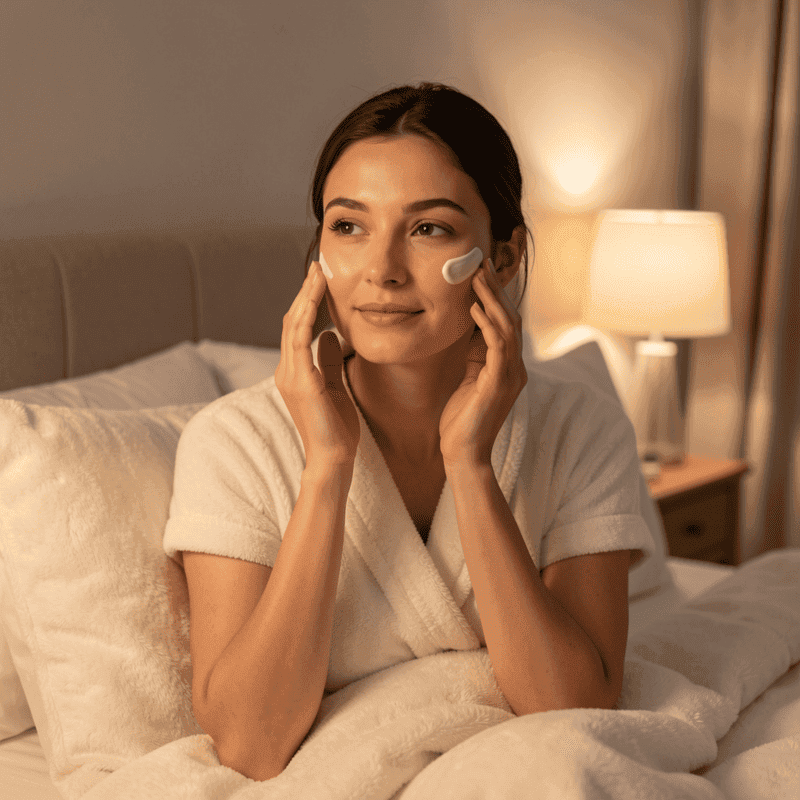
Dermatologists emphasize overnight moisturizers because your skin behaves very differently at night compared to daytime. While you sleep, the body enters its natural repair and regeneration mode, making nighttime the most crucial period for skin recovery.
Here’s what happens while you sleep:
- Skin cell regeneration increases – New cells replace old or damaged ones, helping maintain smooth, healthy skin.
- Collagen production becomes more active—Collagen strengthens the skin, improves elasticity, and reduces fine lines over time.
- Skin barrier repair accelerates – The protective barrier that keeps moisture in and irritants out gets restored.
- Transepidermal water loss (TEWL) increases – Skin loses more water at night, which is why hydration is critical.
Because your skin naturally loses more moisture during sleep, day creams alone are not enough. Overnight hydration creams are specifically formulated to provide deeper hydration, nourishment, and repair support, replenishing essential lipids and humectants your skin needs for overnight recovery.
Why dermatologists recommend overnight moisturizers:
- Richer and more repairing than Overnight moisturizers – They provide the moisture and nutrients your skin can absorb without the interference of sun exposure.
- Support the skin’s natural healing cycle—Ingredients like ceramides, peptides, and hyaluronic acid help your skin recover from daily stressors.
- Improve skin texture and comfort by morning – Consistent use can leave the skin feeling soft, supple, and refreshed.
- Help maintain long-term skin health – Regular use strengthens the skin barrier and supports overall skin resilience.
💡 Key takeaway: Night creams are not a luxury—they are a foundational step in any effective skincare routine. Using them consistently ensures that your skin wakes up hydrated, smooth, and ready to face a new day.
Don’t forget your daytime protection!
How Dermatologists Evaluate Good Night Creams
Dermatologists don’t choose overnight moisturizers based on hype, packaging, or marketing claims. Their focus is always on formulation quality, skin compatibility, and long-term safety. A well-chosen night cream supports hydration, barrier repair, and overall skin health, rather than just providing temporary softness or glow.
1. Skin Barrier Comes First
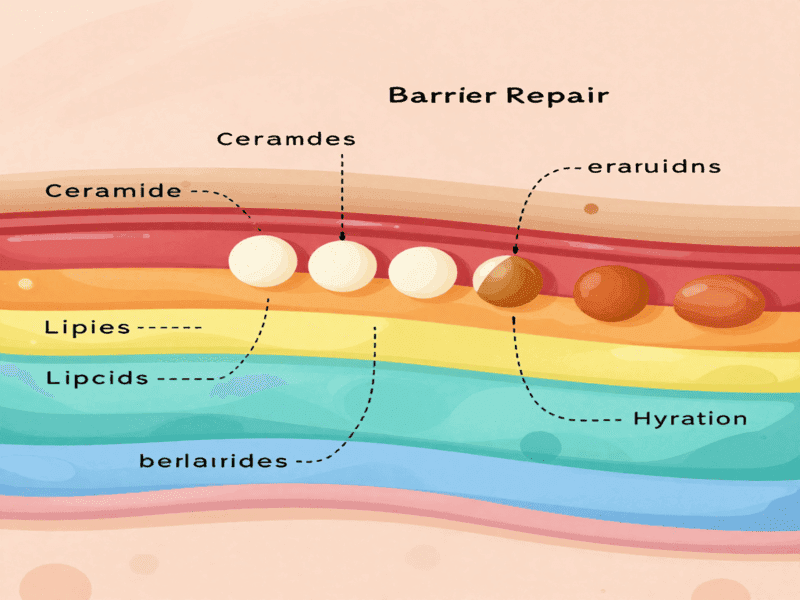
A healthy skin barrier is essential for protecting against irritation, dryness, and premature aging. Without a strong barrier, even the most expensive overnight moisturizers may fail to deliver results. Dermatologists look for ingredients that strengthen and restore the skin barrier, including the following:
- Ceramides – Lipids that help retain moisture and protect against external irritants
- Cholesterol – Supports barrier integrity and overall skin health
- Fatty acids – Nourish and repair dry or damaged skin
- Glycerin and other humectants draw and hold onto moisture in the skin.
Tip: If your skin barrier is compromised, choose an overnight hydration cream that focuses on repair rather than active treatment.
2. Texture Must Match Skin Type
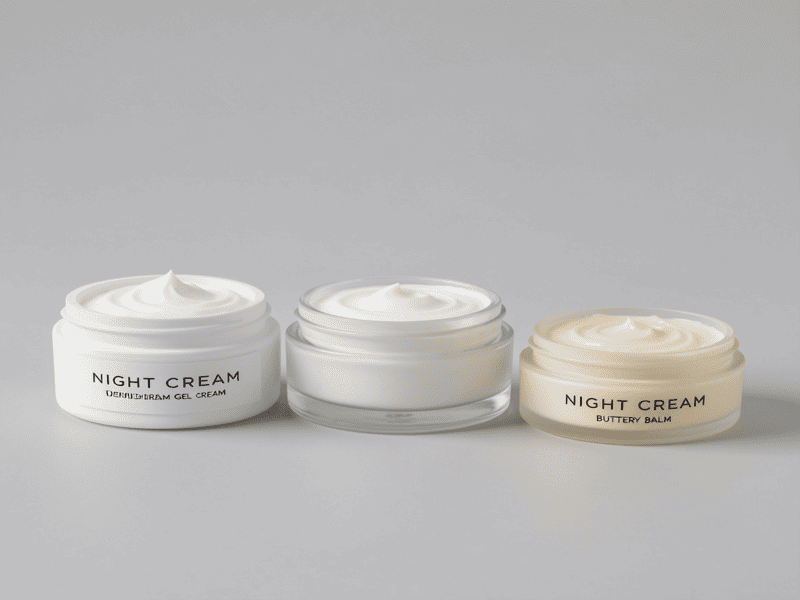
Dermatologists emphasize that the best night cream is one your skin can tolerate consistently. Texture matters because it affects absorption, comfort, and compliance. Common recommendations include:
- Cream textures – Rich, emollient creams for dry or mature skin
- Gel-creams – Lightweight, non-greasy options for oily or acne-prone skin
- Balm-like textures – Heavier, soothing formulations for compromised or sensitive skin
Using an overnight moisturizer that feels uncomfortable may discourage consistent use, reducing its long-term benefits.
3. Night Creams Are Not Treatment Products
It’s important to understand that night creams are supportive, not corrective. Dermatologists make a clear distinction between treatment products and supportive night creams:
- Treatment products – Target specific skin concerns, such as pigmentation, acne, or wrinkles
- Overnight moisturizers – Focus on hydration, repair, and comfort, strengthening the skin barrier overnight
Key point: An overnight moisturizer’s role is to support your skin’s natural repair process, not to replace active treatments or stress your skin with aggressive ingredients. Consistency and tolerance are more important than immediate visible effects.
Dermatologist-Aligned Night Creams (USA Examples)
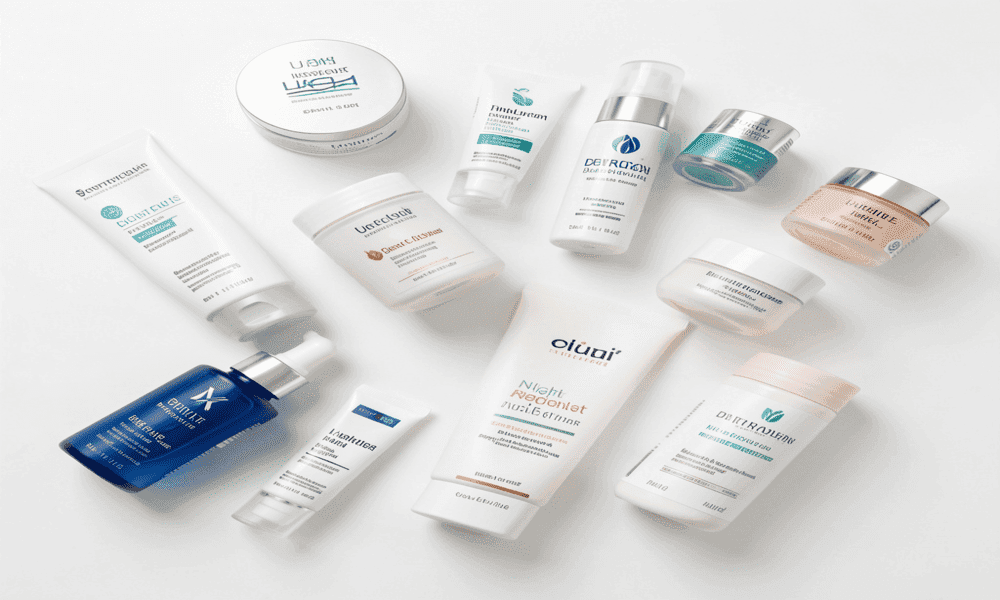
The following overnight moisturizers are included as ingredient-aligned examples, not medical endorsements. Individual results may vary. This list focuses on supportive overnight moisturizers that dermatologists often recommend for hydration, barrier repair, and comfort.
1. Wynn Brightening & Depigmentation Cream
Why it fits dermatologist logic:
This night cream is formulated for overnight use, focusing on improving uneven skin tone while supporting hydration and repair.
- Rich texture ideal for night-time recovery
- Designed for dull and uneven-looking skin
- Works best as a supportive night cream rather than an aggressive treatment
Best for:
Normal to combination skin
Tip: Sensitive skin users should perform a patch test before full use.

Shiseido Benefiance Brightening and Wrinkle Smoothing Cream
2. Neutrogena Hydro Boost Water Gel
Why dermatologists consider this type of night cream:
Lightweight hydration is essential for oily and dehydrated skin. Moisture is delivered by this gel-based product without blocking pores.
- Hyaluronic acid-based hydration
- Oil-free and non-greasy
- Absorbs quickly for a refreshed feeling in the morning
Best for:
Oily, acne-prone, and dehydrated skin
Insight: Skipping overnight moisturizers can worsen oil imbalance and dehydration.

Neutrogena Hydro Boost Water Gel
3. Olay Regenerist Night Recovery Cream
Dermatologist-aligned benefits:
This night cream contains peptides, which are widely accepted as gentle, long-term skin-supporting ingredients.
- Supports skin firmness and elasticity overnight
- Helps improve texture with consistent use
- Comfortable for mature skin
Best for:
Aging concerns, especially 30+ skin
Tip: Combine with a lightweight serum before application for best results.
4. CeraVe Skin Renewing Night Cream
Why dermatologists trust this category of night creams:
CeraVe focuses on barrier repair and hydration, making it a dermatologist favorite for sensitive and compromised skin.
- Ceramides and fatty acids for barrier repair
- Fragrance-free and non-irritating
- Suitable for long-term nightly use
Best for:
Sensitive, dry, or compromised skin
Dermatologist insight: Ideal for repairing stressed skin while maintaining comfort.

CeraVe Skin Renewing Night Cream
5. Garnier SkinActive Miracle Anti-Fatigue Night Cream
Why it fits dermatologist-aligned skincare:
This cream emphasizes hydration and skin comfort rather than aggressive correction, making it perfect for beginners.
- Lightweight overnight moisture
- Helps skin appear refreshed by morning
- Budget-friendly and widely available
Best for:
Dull, tired-looking skin and skincare beginners
Tip: Apply gently over clean skin for optimal absorption.
How to Choose the Right Night Cream
Choosing the right overnight moisturizer depends on understanding your skin type and concerns—not trends. A formula that works for one person may not suit another, so personalization is key.
✔ Know Your Skin Type
- Dry Skin: Look for rich creams with ceramides, shea butter, or nourishing oils to lock in hydration.
- Oily Skin: Gel-based or oil-free formulas provide moisture without clogging pores.
- Combination Skin: Balanced textures work well to hydrate dry areas while keeping oily zones light.
- Sensitive Skin: Fragrance-free products with minimal ingredients reduce irritation and support barrier health.
✔ Address Specific Skin Concerns
Select your nighttime skincare based on your primary skin concern:
- Dehydration → Humectant-rich formulations to retain moisture
- Dullness → Gentle brightening ingredients for a healthy glow
- Aging → Peptides and barrier-repairing lipids for firmness
- Sensitivity → Calming ingredients like aloe or oat extract
Avoid trying to address too many concerns in one product—it may irritate your skin.
✔ Read Reviews & Consult a Dermatologist
- Reviews help identify texture, absorption, and skin tolerance
- Dermatologist consultation is essential for chronic conditions such as eczema, rosacea, or acne
- Always perform a patch test before applying any new overnight moisturizer
How to Apply Your Night Skincare Correctly
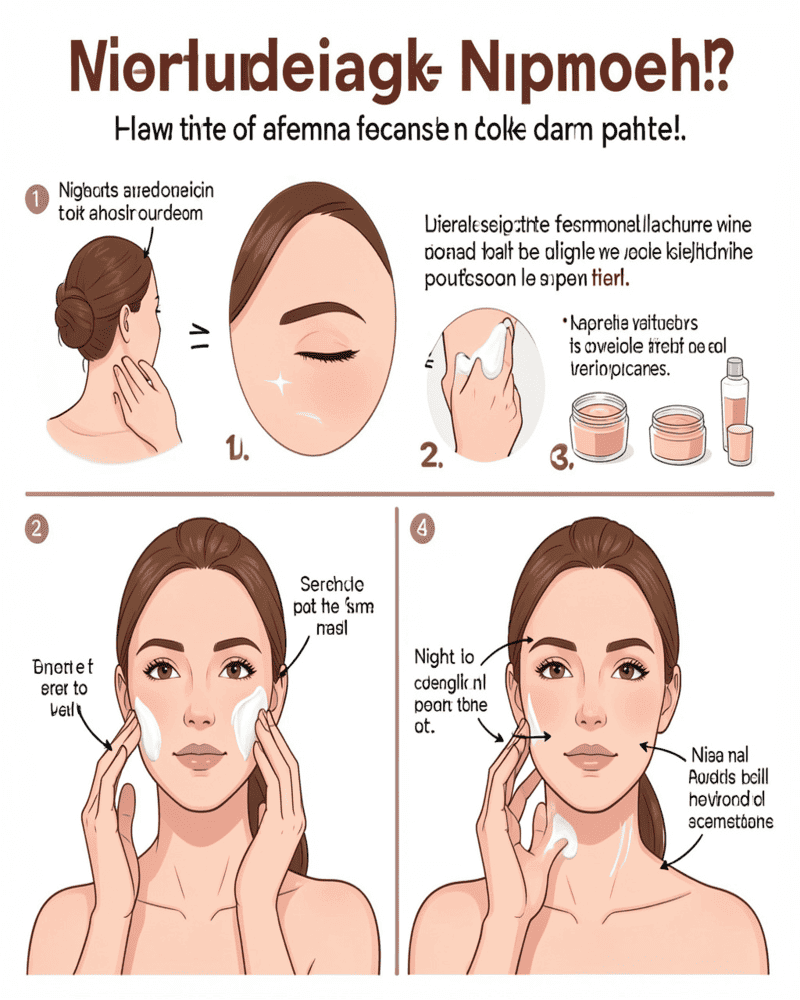
Even the best overnight moisturizers won’t deliver their full benefits if applied incorrectly. Proper application improves absorption, prevents product waste, and reduces the risk of irritation. Dermatologists emphasize that how you apply night creams is just as important as which one you choose.
Dermatologist-Recommended Steps
- Cleanse Gently
Start with a mild, non-stripping cleanser to remove makeup, sunscreen, and impurities. Avoid harsh cleansers that can weaken the skin barrier and reduce the effectiveness of your night-time skincare. Pat your skin dry gently—do not rub. - Apply Any Prescribed or Treatment Products
If you use prescription products or targeted treatments, apply them first on clean skin. This ensures that active ingredients penetrate effectively before sealing everything in with your night cream. - Wait 30–60 Seconds
Allow previous products to fully absorb. Dermatologists recommend waiting at least 30 seconds to prevent product pilling and to ensure that each layer functions optimally. - Apply Night Cream as the Final Step
Take an appropriate amount of night cream or overnight moisturizer and apply evenly to the face and neck. This step locks in hydration, supports repair, and helps your skin recover overnight.
How Much Night Cream to Use
Using the right amount is essential—more is not always better:
- Face: Nickel-sized amount
- Face + Neck: Grape-sized amount
Too much product can clog pores, especially for oily or acne-prone skin, while too little may not provide sufficient hydration.
Proper Application Technique
- Use gentle pressing or patting motions rather than rubbing aggressively
- Begin in the middle of your face and work your way upward and outward.
- Don’t forget commonly missed areas like the jawline and neck
- Apply 10–15 minutes before bedtime to allow proper absorption and prevent transfer onto pillows
Tip: Consistency is key. Applying your night cream correctly every night maximizes hydration, supports barrier repair, and helps maintain overall skin health.
Common Night Cream Mistakes
Even the best overnight moisturizers won’t deliver their full benefits if used incorrectly. Dermatologists frequently see these mistakes that reduce the effectiveness of night creams:
Using day cream at night—Day creams are formulated for protection against UV rays and environmental stressors, not for overnight repair. Using them at night can limit your skin’s natural recovery process.
Applying too much product—excessive night cream can clog pores, especially in oily or acne-prone skin. Overuse may lead to breakouts or irritation, while using the correct amount ensures proper hydration.
Ignoring the neck and jawline – These areas are prone to early signs of aging but are often neglected. For maximum results, always apply your night cream or overnight moisturizer from the jawline down to the neck.
Switching night creams too frequently—skin needs time to respond to a new formula. Constantly changing products can prevent visible improvements and may irritate the skin barrier.
Expecting instant results—Even the best night creams require consistency. Dermatologists recommend using them for 8–12 weeks to notice improvements in hydration, texture, and barrier repair.
Pro Tip: Stick with a formulation that matches your skin type and concerns, and apply it consistently every night to maximize results. Proper application and patience are just as important as choosing the right product.
Night Creams vs Other Skincare Products
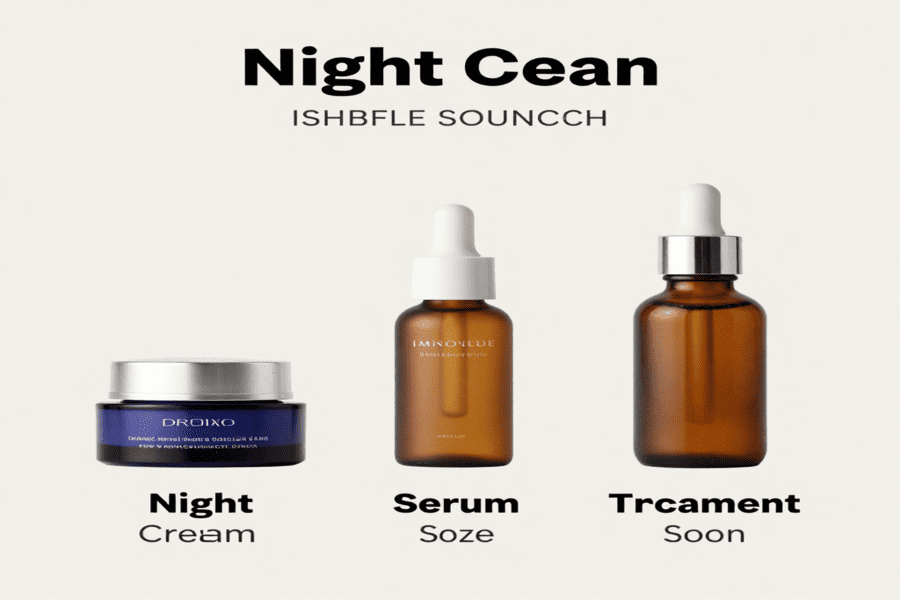
Understanding where night creams fit in your skincare routine is essential to maximize their benefits. They serve a different purpose than serums or treatment products, and layering them correctly ensures optimal results.
- Overnight moisturizers: Provide deep hydration, nourish the skin, and support barrier repair while you sleep. They help maintain long-term skin health and prevent dryness or irritation.
- Serums: Target specific concerns like pigmentation, fine lines, wrinkles, or dullness. They frequently have larger concentrations of the active substances.
- Treatment products: Concern-specific solutions such as prescription retinol, acne treatments, or medical-grade formulations. These are designed to address specific skin issues under professional guidance.
Key point: Overnight moisturizers are supportive, not replacements. They work best when applied after treatments and serums, locking in moisture and enhancing barrier repair overnight. Think of them as the final step in your evening routine that nurtures your skin while you sleep.
2026 Trends in Night Creams
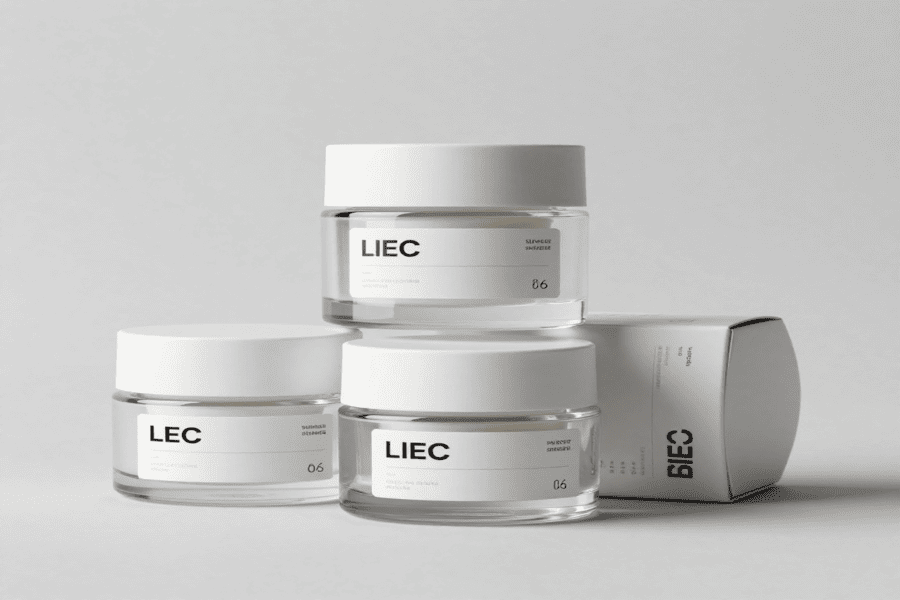
The skincare industry continues to evolve, and dermatologists are noticing several key trends in night creams for 2026. These trends focus on long-term skin health, barrier repair, and gentle formulations rather than aggressive or gimmicky products.
- Barrier-repair-focused formulas – Ingredients like ceramides, fatty acids, cholesterol, and phospholipids are increasingly used to strengthen and maintain the skin’s natural protective barrier.
- Fragrance-free dominance – Fragrance-free formulations reduce irritation, making them ideal for sensitive or reactive skin.
- Microbiome-friendly ingredients – Probiotics, prebiotics, and other skin-friendly ingredients help balance the natural bacteria on the skin, promoting overall skin health.
- Simple, science-based formulations – Minimalist formulas with fewer, well-studied ingredients reduce the risk of reactions while delivering effective hydration and repair.
- Sustainable packaging – Eco-conscious packaging is gaining popularity in the USA market, reflecting consumer demand for environmentally responsible skincare.
Dermatologists are increasingly favoring skin-respecting overnight moisturizers that focus on hydration, comfort, and barrier health. These products support the skin’s natural overnight repair cycle and provide long-term benefits, rather than offering quick fixes.
Pro Tip: When choosing an overnight moisturizer in 2026, prioritize ingredient quality, skin compatibility, and sustainability over marketing hype.
Final Thoughts
The best overnight moisturizers aren’t necessarily the most expensive—they are the ones your skin tolerates well and benefits from consistently. In 2026, the focus is on barrier health, comfort, and long-term results, not quick fixes.
Choose your overnight moisturizer based on skin science rather than marketing hype, and your skin will show noticeable improvements in texture, hydration, and overall health.
Frequently Asked Questions (FAQs)
Q1. Do dermatologists recommend overnight moisturizers?
Yes. Dermatologists strongly encourage using night formulas because the skin repairs itself most effectively during sleep. These products support hydration, barrier repair, and overall skin comfort.
Q2. Can oily skin use overnight moisturizers?
Yes. Even oily skin needs hydration. Lightweight, oil-free, or gel-based overnight moisturizers balance oil production without clogging pores, leaving skin soft and refreshed.
Q3. When should I start using night creams?
Most people can start in their early 20s to maintain hydration and protect the skin barrier. For those in their 30s and beyond, nighttime repair creams become more important for anti-aging support.
Q4. How long before night creams show results?
Visible improvements in hydration, texture, and barrier health usually appear after 8–12 weeks of consistent use. Patience and regular application are essential.
Q5. Can I use day cream as an overnight moisturizer?
No. Day creams are designed for protection against UV rays and environmental stressors, often with SPF. Night formulas are richer and specifically formulated to repair and nourish skin overnight.