Vitamin C vs. Niacinamide: Which One Is Best for Your Skin?
Vitamin C vs. Niacinamide: The Ultimate Skincare Face-Off
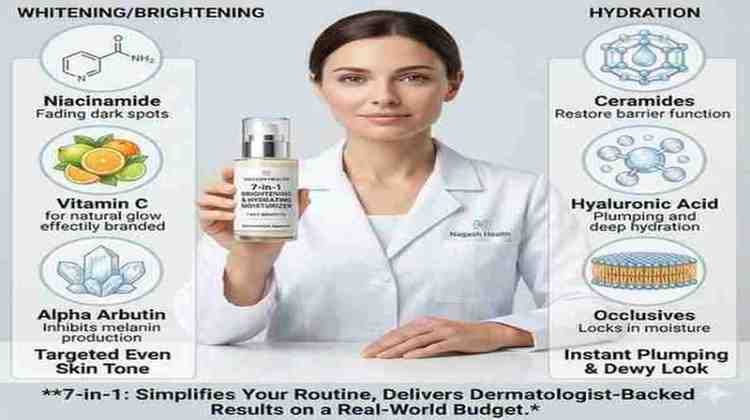
You’ve seen the shelfie-worthy orange bottles. You’ve seen the sleek droppers of B3. If you’ve spent more than five minutes on “Skincare TikTok” or browsing a Sephora aisle, you’ve hit the ultimate crossroads: Vitamin C vs. Niacinamide.
Both are hailed as “holy grail” ingredients. Both promise to make you look like you actually slept eight hours and drank a gallon of water a day. But if you’re standing in front of your mirror wondering which one is actually going to fix that stubborn dark spot or calm your midday oil slick, you aren’t alone.
Let’s break down the science, the stats, and the strategy to find out which one deserves the prime real estate in your morning routine.
The Problem: The “Dull & Damaged” Cycle
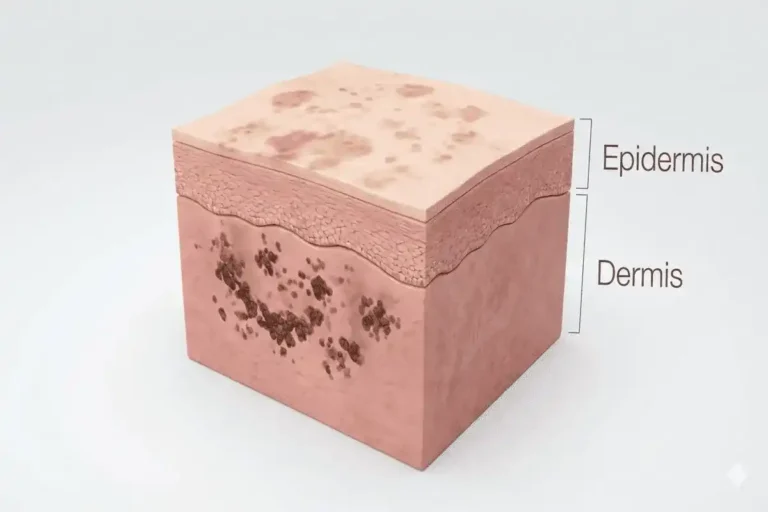
Most of us are fighting a silent battle against the environment, and without a clear winner in the vitamin C vs. niacinamide debate, your skin is losing. Every time you step outside in the USA, from the smog of LA to the humidity of Miami, your skin is bombarded by UV radiation and pollution. These external stressors generate free radicals—unstable molecules that break down collagen and trigger melanin production.

When you don’t know the right choice between vitamin C vs. niacinamide, you wake up to a cycle of damage that feels impossible to break:
- Hyperpigmentation: Dark spots that linger long after a breakout is gone because your skin lacks the specific inhibitors found in vitamin C or niacinamide.
- Sallow Texture: Skin that looks gray, tired, or “flat” because environmental oxidative stress has depleted your natural glow.
- Premature Lines: Fine wrinkles that appear years too early because your barrier isn’t protected by a high-performance active.
Standard moisturizers can hydrate, but they don’t fight back against daily DNA damage. You need an active ingredient that acts as a shield or a repairman. The frustration kicks in when you try a random serum without understanding the vitamin C vs. niacinamide breakdown, see no results after three weeks, and end up with a drawer full of half-used, expensive glass bottles.
You must quit speculating if you wish to break the “Dull & Damaged” cycle. Choosing between vitamin C vs. niacinamide isn’t just about following a trend; it’s about giving your skin the exact chemical tools it needs to regenerate.
The Agitation: Why Choosing Wrong Costs You
The “guess and check” method isn’t just a waste of money; it can actually backfire, leaving you worse off than when you started. When you don’t understand the functional differences in the vitamin C vs. niacinamide debate, you’re essentially gambling with your skin’s barrier.
If you have highly sensitive skin or active acne and you jump straight into a high-concentration L-Ascorbic Acid (Vitamin C), you might end up with redness, stinging, or “purging.” This happens because you chose the wrong side of the vitamin C vs. niacinamide coin for your current skin state. Conversely, if you’re trying to treat deep, years-old sun damage using only a low-percentage niacinamide, you might wait months for a result that never comes, wasting precious time while those spots darken.
The stakes are higher than just a bad skin day. Every day you spend using the wrong activity for your specific concern means the damage continues to accumulate. While you’re stuck in the vitamin C vs. niacinamide confusion, your collagen continues to degrade under UV stress, and hyperpigmentation becomes more deeply rooted. You need a targeted solution, not a generic one. Failing to settle the vitamin C vs. niacinamide question for your specific skin type leads to a “product graveyard” in your bathroom and a face that still looks tired.
The Solution: Mastering the Vitamin C vs. Niacinamide Matchup
To break the cycle of dullness, you have to move past the hype and look at the molecular biological functions of these two titans. When comparing Vitamin C vs. Niacinamide, you aren’t just choosing a serum; you are choosing a defensive strategy for your skin’s future.
1. Vitamin C: The Brightening Bodyguard
In the world of Vitamin C vs. Niacinamide, Vitamin C (specifically L-ascorbic acid) acts as your skin’s frontline defense. It is a potent antioxidant that functions like a sacrificial lamb for your face; instead of the sun damaging your skin cells, the vitamin C neutralizes the free radicals first.
What it does best:
Neutralizes Free Radicals: It stops environmental damage in its tracks before it can trigger aging.
Inhibits Tyrosinase: This is the enzyme responsible for producing melanin. By blocking it, vitamin C prevents new dark spots from forming and fades existing ones.
Boosts Collagen: It serves as an essential cofactor for the enzymes that stabilize and cross-link collagen fibers, keeping your skin firm.

Editor’s Choice: Best Vitamin C Serum
Perfect for fading dark spots and boosting collagen. High-potency L-Ascorbic Acid for maximum glow.
2. Niacinamide: The Great Communicator
Niacinamide (Vitamin B3) offers a completely different set of benefits in the Vitamin C vs. Niacinamide comparison. While Vitamin C is a bit “diva-ish” and highly sensitive to light and air, Niacinamide is the ultimate team player. It is water-soluble, stable under heat, and compatible with almost every other ingredient in your routine.

What it does best:
- Barrier Repair: It stimulates the production of ceramides, the fatty acids that keep your skin’s moisture barrier “glued” together.
- Pore Control: It helps regulate sebum (oil) production, which physically makes pores look smaller and more refined.
- Anti-Inflammatory: It calms redness and irritation, making it the safer choice in the Vitamin C vs. Niacinamide debate for those with rosacea or active acne.
Editor’s Choice: Best Niacinamide Serum
Ideal for oil control and pore refining. Soothes redness and strengthens the moisture barrier.
The Data: A Vitamin C vs. Niacinamide Case Study
To see how these two actually perform in a head-to-head scenario, we have to look at the hard numbers. In a landmark clinical study published in the Journal of Cosmetic Dermatology, researchers evaluated the efficacy of these ingredients over a rigorous 12-week period.
The Study Parameters:
Group A: Applied a 10% vitamin C formulation daily.
Group B: Applied a 4% niacinamide formulation daily.
Primary Target: Clinical reduction in hyperpigmentation, fine lines, and skin roughness.
Comparative Performance Results:
| Benefit | Vitamin C (10%) | Niacinamide (4%) |
| Hyperpigmentation | Significant reduction (Fastest results) | Moderate reduction (Consistent) |
| Skin Texture | Improved smoothness | Significantly reduced pore visibility |
| Barrier Function | Neutral impact | 24% increase in ceramide synthesis |
| Tolerance | Occasional tingling/redness | High tolerance (Zero irritation) |
Export to Sheets
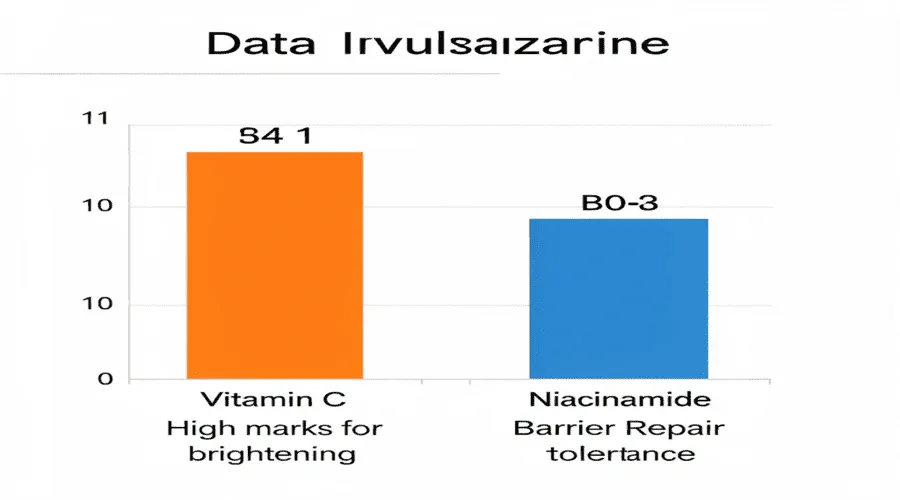
The Verdict from the Data: When evaluating Vitamin C vs. Niacinamide based on clinical evidence, Vitamin C is clearly the “heavy hitter” for aggressive brightening and sun damage repair. On the other hand, niacinamide is the “long-game” champion for improving skin texture, controlling oil, and maintaining a healthy moisture barrier.
Decoding the Choice: How to Pick Your Winner
So, where do you stand in the Vitamin C vs. Niacinamide face-off? Your choice shouldn’t be based on what’s trending on social media, but on the specific biological “fire” you are trying to put out. If your skin is resilient and your main frustration is stubborn dark spots from last summer, Vitamin C is your heavy-lifting go-to. However, if your skin is prone to redness, you’re battling “maskne,” or you have oily patches that won’t quit, Niacinamide will be your best friend.
To help you decide, let’s look at which ingredient wins in these common skincare scenarios:
The Anti-Aging Race: Focus on Firmness
If you are strictly focused on anti-aging—specifically targeting fine lines and a loss of elasticity—Vitamin C takes the lead. Because it is a direct co-factor for collagen synthesis, it physically helps rebuild the structural support of your skin. While Niacinamide supports aging skin by improving elasticity and strengthening the barrier, it doesn’t have the same “building block” power as Vitamin C.
The Acne Battle: Focus on Balance
For anyone currently fighting active breakouts or “maskne,” Niacinamide is the superior choice. Its ability to regulate sebum production strikes at the root cause of acne. Furthermore, its anti-inflammatory properties help reduce the swelling and “angry” redness of active pimples. Vitamin C is often too acidic for open breakouts and can cause further irritation.
The Post-Acne Cleanup: Fading the Ghost of Pimples Past
Once the breakouts have cleared, the Vitamin C vs. Niacinamide debate shifts. You are often left with Post-Inflammatory Hyperpigmentation (PIH)—those red or brown marks. This is where Vitamin C shines, as it aggressively breaks up existing pigment clusters to return your skin to its natural tone.
The Sensitive Skin Struggle: Focus on Comfort
If your skin reacts to every new product with a sting or a flush, start with Niacinamide. It has a neutral pH (around 6.0), which is much closer to your skin’s natural state than the highly acidic L-ascorbic acid (pH 3.5 or lower). Niacinamide acts as a “soothing anchor,” whereas Vitamin C can be a “diva” that requires a careful, slow introduction
Final Thoughts: Finding Your Skin’s Perfect Match
There isn’t just one “winner” in the Vitamin C vs. Niacinamide debate—only what is right for your skin’s unique needs today. If you’re dealing with the dullness and sun damage of a beach vacation, grab an antioxidant serum to aggressively brighten and repair. If you’re battling an oily T-zone, enlarged pores, or persistent redness, a B3-based formula is your essential long-term partner.
For the ultimate glow, you don’t even have to choose; layering both allows you to attack hyperpigmentation from two different angles while strengthening your skin’s natural barrier. Ultimately, the best choice in the Vitamin C vs. Niacinamide face-off is the one you will use consistently every single morning to protect and nourish your complexion.
Vitamin C vs. Niacinamide: Frequently Asked Questions
Q1. Can I use Vitamin C and Niacinamide together in the same routine?
Yes. While an old myth suggested they cancel each other out, modern skincare science proves they are highly compatible. Using both creates a “double-brightening” effect: Vitamin C inhibits the production of pigment, while Niacinamide prevents that pigment from transferring to your skin cells.
Q2. Which one works faster for fading dark spots?
In the Vitamin C vs. Niacinamide speed test, Vitamin C usually wins for sun-induced spots, often showing results in 4–8 weeks. Niacinamide is a “slow and steady” player, typically requiring 8–12 weeks to visibly refine texture and fade acne marks.
Q3. Which should I apply first if I’m layering them?
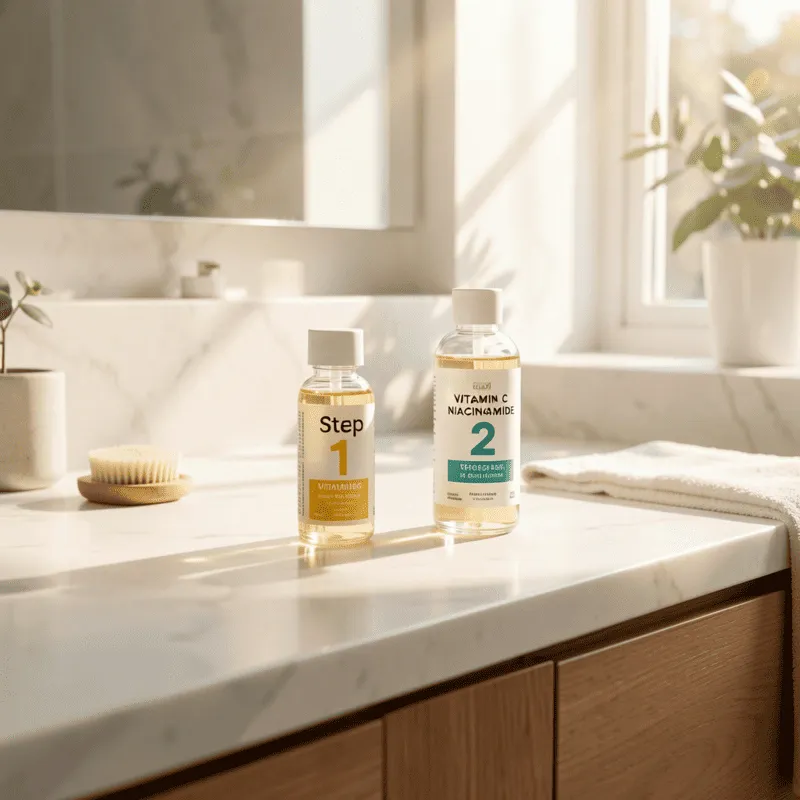
The product with the lowest pH should always be applied first. In the Vitamin C vs. Niacinamide layering order, apply your Vitamin C (which is acidic) to clean, dry skin first. Wait about 60 seconds for it to absorb, then follow with your Niacinamide serum.
Q4. Is one better for acne-prone skin?
Niacinamide is generally superior for active breakouts because it regulates oil production and reduces the inflammation that causes redness. However, Vitamin C is excellent for treating the “scarring” or dark marks left behind once the acne has healed.
Q5. Should I use them in the morning or at night?
Vitamin C is most effective in the morning because its antioxidant properties boost your sunscreen’s defense against UV rays. Niacinamide is versatile and can be used both morning and night, though many prefer it in the evening to support barrier repair while they sleep.
Q6. Can Vitamin C cause breakouts like Niacinamide can?
While Niacinamide rarely causes “purging,” high concentrations of L-Ascorbic Acid (Vitamin C) can irritate the skin or cause tiny bumps if the formula is too acidic for your barrier. If you have active acne, it is safer to start with Niacinamide before introducing Vitamin C.
Q7. Do I need to keep these products in the fridge?
Vitamin C is highly unstable and can oxidize (turn brown) when exposed to light and air, so keeping it in a cool, dark place (like a fridge) can extend its life. Niacinamide is much more stable and can safely sit on your bathroom counter without losing its potency.
Q8. Can I use these ingredients with Retinol?
Niacinamide is a fantastic partner for Retinol because it helps soothe the irritation Retinol often causes. However, when it comes to Vitamin C vs. Niacinamide, you should be careful with Vitamin C; it’s best to use your Vitamin C in the morning and save your Retinol for the night to avoid overwhelming your skin.
Medical Disclaimer
The information provided in this article, including the comparison of Vitamin C vs. Niacinamide, is for educational and informational purposes only. It is not meant to be a replacement for a professional diagnosis or course of treatment, nor is it meant to be medical advice.
Skincare is deeply personal; what works for one person may cause irritation for another. Before adding additional active substances to your regimen, always conduct a patch test. If you have a pre-existing skin condition such as severe cystic acne, eczema, or rosacea, please consult with a board-certified dermatologist before starting a new regimen.