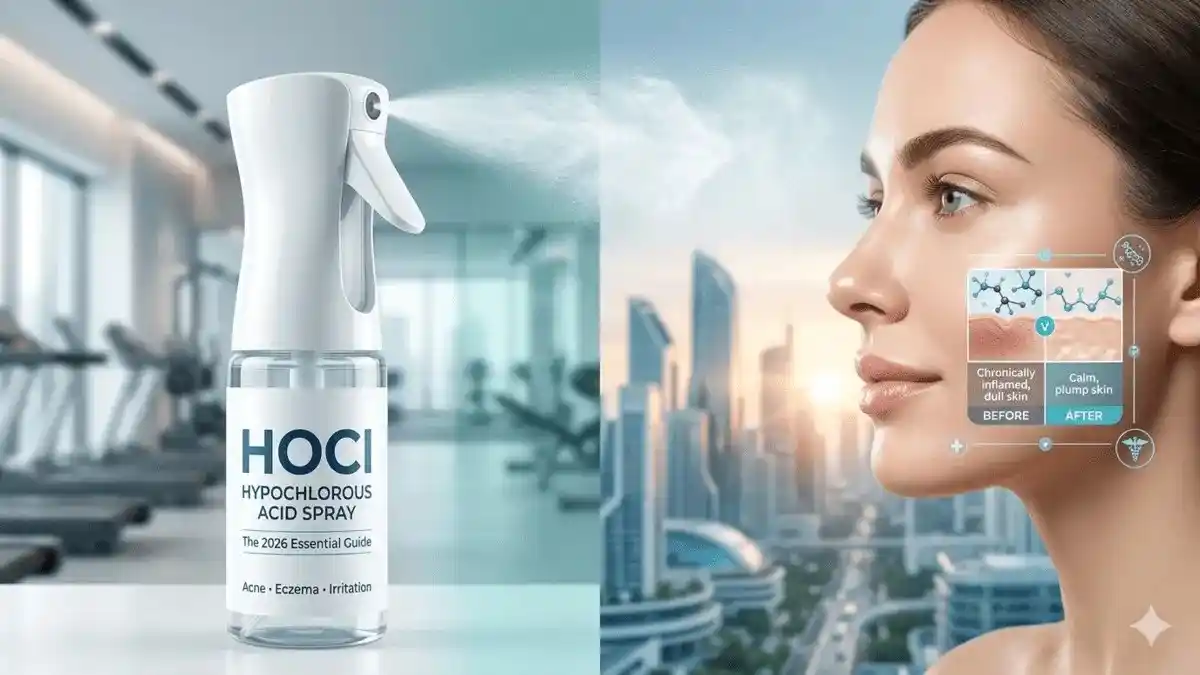
How to Use Hypochlorous Acid Spray: The Revolutionary 2026 Guide with Proven Results for Acne and Eczema
How to Use Hypochlorous Acid Spray: The 2026 Ultimate Guide to Healing Acne, Eczema, and Skin Irritation
In the high-stress, high-pollution landscape of the USA in 2026, our skin is under constant siege. From the “Gym-Acne” trends to the rise of sensitive skin conditions caused by urban grime, Americans are looking for a miracle molecule that actually works without the sting of traditional acids. Enter the hypochlorous acid spray—a medical-grade disinfectant that has transitioned from hospital wards to the top shelf of every skincare enthusiast’s vanity.
1. THE PROBLEM: The Invisible War on Your Skin Barrier
Despite the availability of luxury serums and 10-step routines, skin irritation in the US is at an all-time high. Why? Because we are treating the surface symptoms while ignoring the microbial cause.
The “Active Lifestyle” Trap
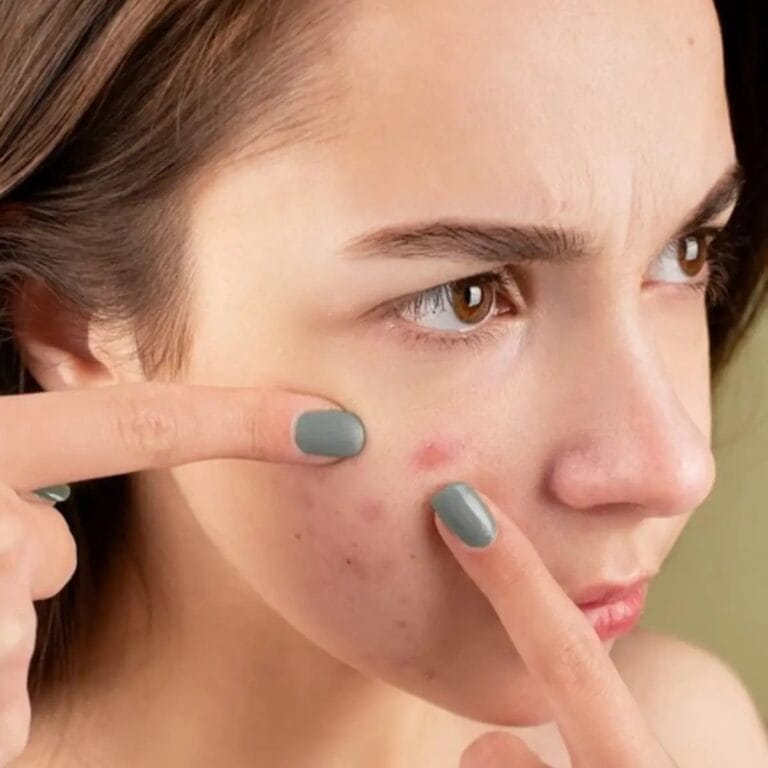
We are more active than ever. Whether it’s a high-intensity Pilates class in NYC or a humid jog in Miami, sweat is a constant. When sweat sits on the skin, it creates a warm, moist environment—a perfect breeding ground for bacteria. This leads to folliculitis and painful body breakouts. Traditional soaps often fail to reach deep enough, and harsh alcohol-based sanitizers only strip the skin of its necessary oils.
The Urban Pollution Factor
Living in major American hubs means your face is a magnet for microscopic pollutants. These particles carry bacteria that can sit in your pores for hours, leading to “City Skin”—a condition characterized by dullness, tiny bumps, and chronic redness. Most people don’t realize they need a daily disinfectant like a hypochlorous acid spray to neutralize these invisible threats.
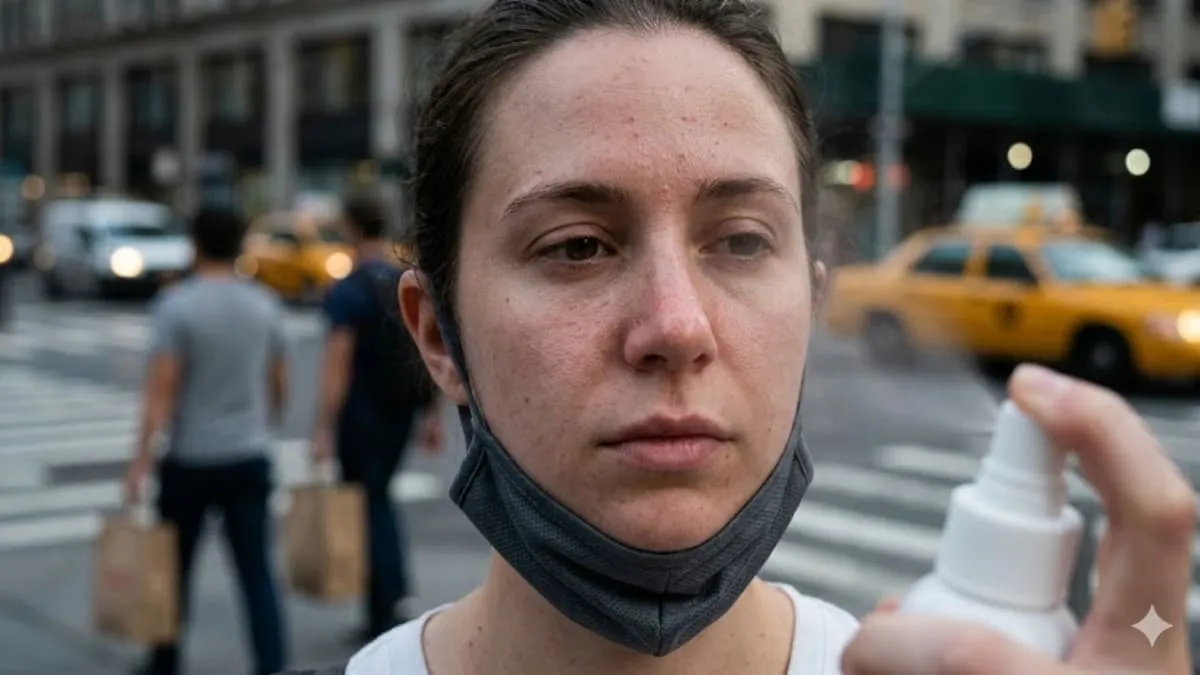
2. THE AGITATION: The Hidden Cost of Ignoring Skin Bacteria
If you ignore the bacterial balance of your skin, you aren’t just dealing with a temporary pimple; you are inviting long-term structural damage.
The Rise of “Inflammaging”
In 2026, dermatologists are obsessed with “inflammaging.” This is the process where constant, low-grade inflammation breaks down your collagen and elastin fibers prematurely. When your skin is perpetually fighting off surface bacteria, it remains in a state of “red alert,” leading to faster wrinkling and sagging.
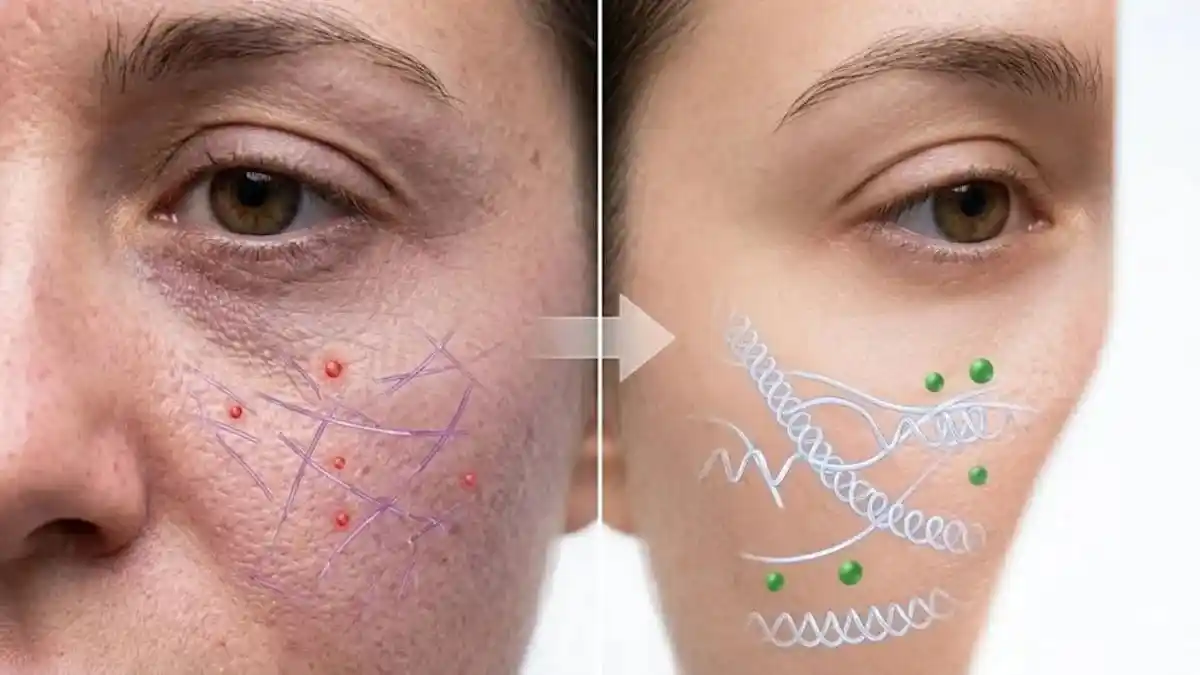
The Eczema and Rosacea Cycle
For the millions of Americans suffering from eczema or rosacea, the skin’s microbiome is inherently unstable. Microscopic triggers cause the blood vessels to dilate, leading to permanent redness. Even the most costly barrier repair creams cannot completely stop your skin’s cycle of itching and flaring if you don’t find a gentle way to eliminate these triggers.
3. THE SOLUTION: Nature’s Own Bio-Hacker
This is where the hypochlorous acid spray becomes your skin’s best friend. To understand why it works, we have to look at the biology.
The Science of $HOCl$
Hypochlorous acid ($HOCl$) is not a foreign chemical; it is a molecule your own white blood cells produce to kill pathogens and heal wounds.
When you mist a hypochlorous acid spray onto your face, you are essentially providing your skin with extra “soldiers” to fight off infection. Because it has a neutral pH (unlike alkaline bleach), it is incredibly soothing. It kills $99.9\%$ of bacteria, viruses, and fungi on contact but leaves your healthy skin cells completely untouched.
🏆 Best Overall: Tower 28 Beauty SOS Daily Rescue Spray
Used by celebrities and dermatologists alike, this 100% natural hypochlorous acid spray is the gold standard for treating “Gym Acne” and redness. It’s pH-balanced, non-toxic, and safe for even the most sensitive skin barriers.
Check Price of Tower 28 SOS on Amazon 🛒
⭐ 4.6/5 Star Rating with 4,500+ Reviews on Amazon
4. HOW TO USE: Your 2026 Step-By-Step Routine
To maximize the benefits of a hypochlorous acid spray, you must integrate it correctly into your daily life. It is more than just a mist; it is a strategic treatment step.
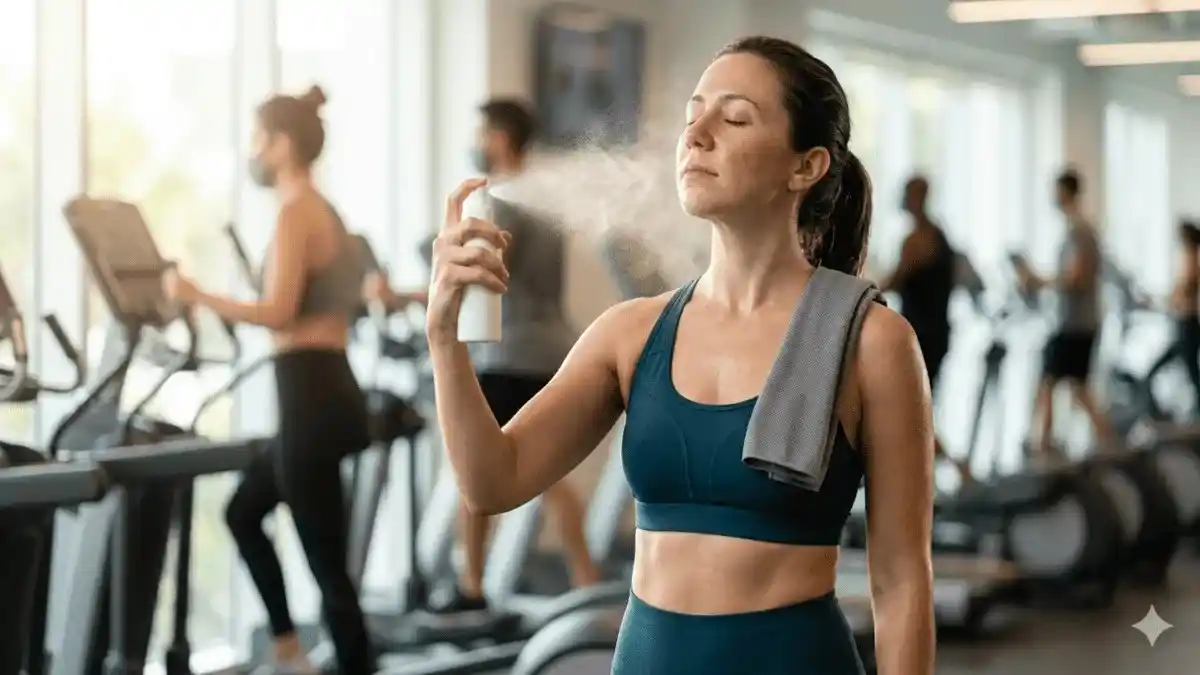
A. The Gym Bag Essential: The Post-Workout Protocol
If you are prone to acne around the nose or chest breakouts, the timing is everything.
Immediate Application: As soon as you finish your workout, mist the hypochlorous acid spray over your face, neck, and back.
No Towels: Avoid wiping your face with gym towels, which are often covered in bacteria. Let the spray air dry.
The Result: The spray neutralizes the bacteria in your sweat before it can clog your pores, effectively stopping “Gym-Acne” in its tracks.
B. The Morning Skincare Layering
Integrating a hypochlorous acid spray with active ingredients like vitamin C or retinol requires one simple rule: the 30-second gap.
Step 1: Cleanse with a gentle wash (like Cetaphil .
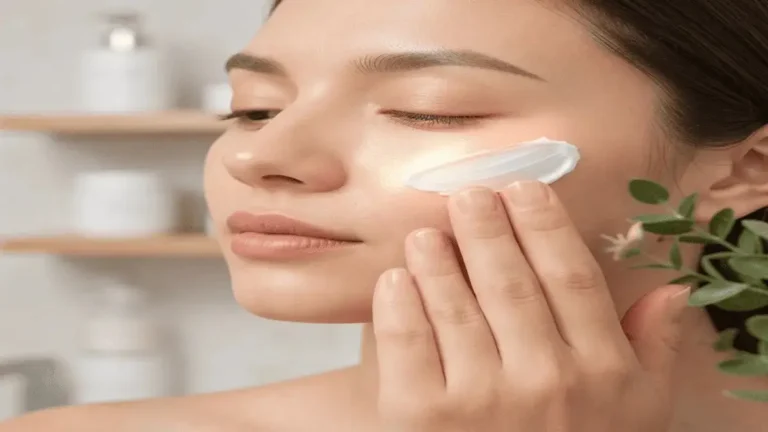
Step 2: Apply a generous layer of hypochlorous acid spray to dry skin.
Step 3: Wait for it to dry completely. Because $HOCl$ is an oxidizer, applying your Vitamin C serum while the skin is still wet could deactivate the serum. Once dried, carry on with your regular activities.
C. Post-Procedure and “Open Skin” Care
Whether you’re performing Microneedling at Home or healing after a laser procedure, your skin barrier is weakened
Frequent Misting: Use the hypochlorous acid spray every 3-4 hours during the first 48 hours after a procedure. It provides a sterile environment for healing without the stinging associated with alcohol or peroxide.
5. Comparison: Why HOCl is the 2026 Gold Standard
| Feature | Hypochlorous Acid Spray | Salicylic Acid (BHA) | Alcohol/Peroxide |
| Primary Goal | Kill Pathogens/Calm | Dissolve Oil/Exfoliate | Surface Disinfection |
| Irritation Level | Zero (Soothing) | Moderate (Drying) | Extremely High |
| Safety on Wounds | Yes (Promotes Healing) | No (Irritating) | No (Cytotoxic) |
| Usage | Multiple times daily | Once daily/few times a week | Never on face |
6. Solving Specific Concerns: Eczema, Rosacea, and Stress
Breaking the “Itch-Scratch” Cycle
For individuals experiencing Itchy Rashes, the itch is frequently due to an excessive growth of Staph aureus bacteria
By using a hypochlorous acid spray, you kill the bacteria that triggers the urge to scratch, allowing the skin barrier to heal naturally.
Managing “Cortisol Skin”
Stress releases cortisol, which weakens your skin’s immune system. This often leads to “stress breakouts.” A daily mist of hypochlorous acid spray acts as an external immune system, protecting your face when your internal defenses are low.
7. Common Myths and Professional Tips
“Is it basically just bleach?”
This is a common misconception. While they share a chlorine atom, bleach is highly alkaline and corrosive. A stabilized hypochlorous acid spray is pH-balanced and specifically formulated for human tissue. It is as safe as water but as effective as a hospital disinfectant.
Storage and Stability
$HOCl$ is sensitive to light and heat. To ensure your hypochlorous acid spray remains active, always buy it in an opaque bottle. If the liquid inside turns clear and loses its slight “pool” scent, it has likely degraded into simple salt water.
8. Conclusion: The Must-Have Daily Essential
In the USA 2026 skincare landscape, we have learned that “more” is not always “better.” We don’t need more harsh acids; we need smarter molecules. A hypochlorous acid spray is the ultimate multi-tasker. It cleanses, calms, and protects, making it the most important tool in your fight against acne and inflammation.
Whether you are an athlete, a city dweller, or someone struggling with sensitive skin, adding a hypochlorous acid spray to your regimen is the simplest way to achieve a clear, healthy complexion.
8. Frequently Asked Questions (FAQs)
Can I use hypochlorous acid spray with retinol? Yes, but timing is key. You should apply your hypochlorous acid spray first on clean skin and wait for it to dry completely (about 30–60 seconds). Because $HOCl$ is an oxidizing agent, applying Retinol while the skin is still damp may deactivate the vitamin A derivative, making your expensive cream less effective.
Does hypochlorous acid spray bleach my clothes or hair? No. Unlike sodium hypochlorite (household bleach), a stabilized hypochlorous acid spray is pH-neutral. It will not bleach your towels, gym clothes, or hair. It is safe to mist over your workout gear to prevent “bacne” without worrying about ruining your fabrics.
How often should I use it during the day? For general maintenance, twice a day is sufficient. However, if you are dealing with an active flare-up of acne around the nose or are sweating heavily at the gym, you can safely use hypochlorous acid spray 3–5 times a day. Since it contains no alcohol or drying surfactants, it will not strip your skin.
Can it replace my daily cleanser? No. While hypochlorous acid spray kills bacteria, it does not remove physical dirt, oil, or makeup. To make sure your skin is both physically clean and microscopically sterile, use it as a treatment step following your Cetaphil Gentle Cleanser .
Is the “pool smell” normal? Yes. That slight chlorine scent is a sign that the $HOCl$ molecule is active. The hypochlorous acid spray releases that aroma when it comes into touch with protein or bacteria on your skin, neutralizing the pathogen. The smell disappears entirely once the mist dries.
9. Disclaimer
Medical Advice Disclaimer: The information provided in this guide regarding hypochlorous acid spray is for educational and informational purposes only. It is not intended as a substitute for professional medical advice, diagnosis, or treatment. You should always speak with your dermatologist or another qualified healthcare provider if you have any questions concerning a medical condition, such as severe eczema or autoimmune skin illnesses .
Results Disclaimer: While hypochlorous acid spray is widely recommended by dermatologists in 2026 for its antibacterial properties, individual results may vary. Skincare is personal, and what works for “gym acne” may differ based on your specific skin type and environmental factors.
Affiliate Disclosure: This article may contain affiliate links to trusted medical-grade skincare brands . If you purchase a product through these links, we may receive a small commission at no extra cost to you, which helps us continue providing high-quality, science-backed skincare research for the USA community.