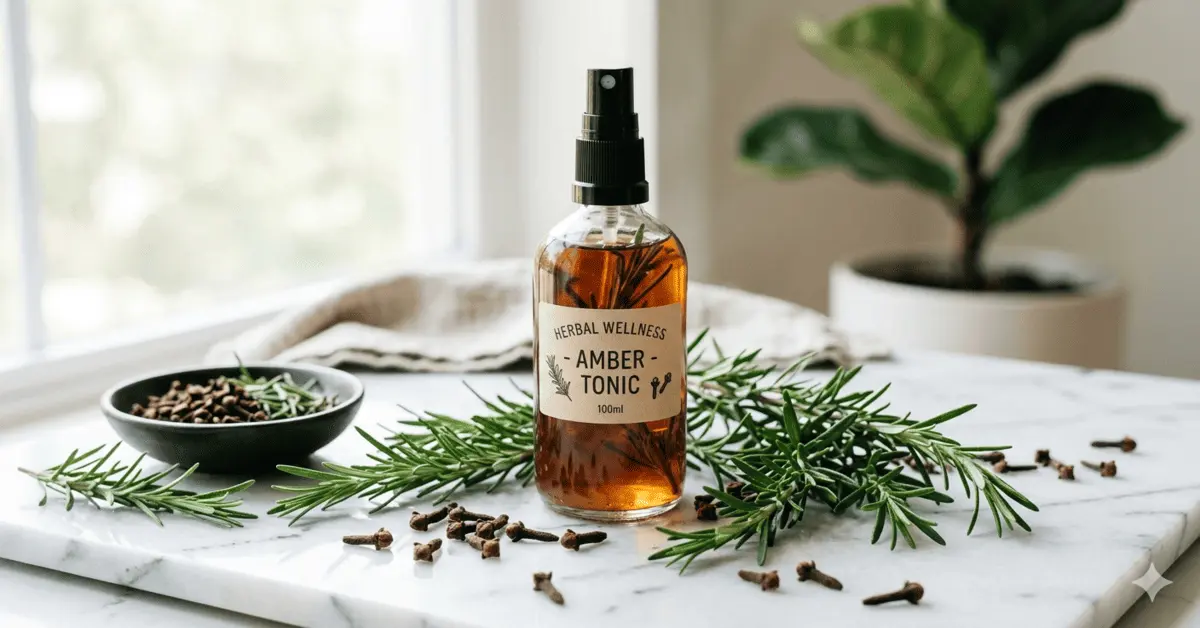
The Ultimate Guide to DIY Rosemary and Clove Water for Postpartum Hair Loss
DIY Rosemary and Clove Water for Postpartum Hair Loss: The Ultimate 2026 Science-Backed Guide
Introduction
Bringing a new life into the world is arguably the most transformative journey a woman can undertake. However, as you settle into the rhythms of motherhood—navigating sleep deprivation and newborn care—your body continues to undergo massive physiological changes. One of the most distressing experiences for new mothers is the sudden, often dramatic, loss of hair.
Known medically as telogen effluvium, postpartum hair shedding can feel like an overnight crisis. You might find clumps of hair in the shower drain, on your pillow, or tangled in your hairbrush. It is a moment that can shake your confidence just when you are feeling most vulnerable. If you are searching for a safe, chemical-free, and effective natural solution, using Rosemary and Clove water for postpartum hair loss is a science-backed method to stimulate the scalp and encourage regrowth during this transition.
In this comprehensive guide, we will dive deep into why this shedding happens, the biological magic behind rosemary and cloves, and a step-by-step blueprint for reclaiming your hair density naturally.
Why Does Postpartum Hair Loss Happen? Understanding the “Telogen” Shift
To understand why Rosemary and Clove water for postpartum hair loss is so effective, we first have to understand the enemy: the hormonal crash.
1. The Pregnancy “Glow” Phase (Anagen)
During pregnancy, your body is flooded with high levels of estrogen and progesterone. These hormones act as a “stay of execution” for your hair. Normally, 10% to 15% of your hair is in the resting phase at any given time. However, pregnancy hormones keep almost all of your hair in the anagen (growth) phase. This is why many women report having the thickest, most luscious hair of their lives during their second and third trimesters.
2. The Postpartum Plummet
Once the placenta is delivered, your estrogen levels plummet back to pre-pregnancy levels within days. This sudden hormonal withdrawal sends a “shock” signal to your hair follicles. A massive percentage of your hair—sometimes up to 30% or 40%—is simultaneously pushed into the telogen (resting) phase.
3. The Shedding Window
Hair doesn’t fall out the second it enters the resting phase. It typically takes 3 to 4 months for the old hair to be pushed out by the new hair (or simply fall out due to the lack of hormonal support). This is why the “Postpartum Shed” usually peaks around the four-month mark. While this is a temporary biological process, the goal of using a DIY infusion is to ensure the new hair grows back faster, thicker, and healthier.
The Power of Rosemary and Cloves: A Natural Synergy
In the world of botanical medicine, few combinations are as potent for the scalp as rosemary and cloves. When you use Rosemary and Clove water for postpartum hair loss, you aren’t just applying “scented water”; you are applying a complex biochemical infusion.
Scalp Microcirculation: The Rosemary Mechanism
Rosemary (Rosmarinus officinalis) is more than just a culinary herb. In trichology (the study of hair and scalp), it is recognized for its ability to mimic the effects of cellular rejuvenation.
Oxygenation: Improved circulation ensures that the “bulge” and “bulb” of the hair follicle receive oxygenated blood. Without sufficient blood flow, follicles can become dormant or miniaturized.
Nutrient Delivery: By dilating the micro-capillaries in the scalp, rosemary acts as a delivery vehicle, ensuring that the vitamins you consume through your diet actually reach the hair roots.
Antimicrobial & Antioxidant Support: The Clove Mechanism
Cloves (Syzygium aromaticum) provide the defensive layer your scalp needs during this sensitive time.
Oxidative Stress: Postpartum recovery involves high levels of oxidative stress in the body. Cloves have one of the highest ORAC (Oxygen Radical Absorbance Capacity) scores of any plant. They neutralize free radicals that can damage hair proteins.
Scalp Microbiome: Often, postpartum shedding is exacerbated by a dry or flaky scalp. Cloves possess potent antifungal properties that keep the scalp microbiome balanced, preventing dandruff from blocking new growth.
The Science of Rosemary and Clove Water for Postpartum Hair Loss
Let’s look at the “Medical-Grade” reasons why this remedy is trusted by dermatologists who lean toward natural therapies.
Rosemary: The Natural Alternative to Minoxidil
The standout benefit of Rosemary lies in carnosic acid. Research has shown that carnosic acid can heal tissue and nerve damage. When we talk about Rosemary and Clove water for postpartum hair loss, we are looking at a natural way to stimulate nerve endings in the scalp that signal growth.
The 2015 Clinical Study: A landmark study compared rosemary oil to 2% Minoxidil. o see how rosemary compares to other trending oils, read our deep dive on Batana Oil vs. Rosemary Oil for Hair Growth.Both groups saw similar hair count increases at the 6-month mark, but the rosemary group reported significantly less scalp irritation. For a postpartum mom whose skin might be extra sensitive, this is a huge win.
DHT Inhibition: While DHT is usually associated with male pattern baldness, hormonal fluctuations in women can also cause temporary DHT spikes. Rosemary has been shown to block the binding of DHT to hair receptors, protecting the follicle from shrinking.
Cloves: The Scalp Stimulator and Purifier
Cloves are rich in eugenol, a powerful compound that acts as a rubefacient. This means it physically warms the skin and draws blood to the surface.
Follicle Awakening: Many follicles enter a “sleep” state after pregnancy. The stimulating heat of eugenol wakes these follicles up, encouraging them to enter the anagen phase sooner.
Strengthening the Shaft: Cloves are packed with Vitamin K, Manganese, and Beta-carotene. These nutrients help synthesize the keratin in the hair shaft, making the new “baby hairs” less likely to snap or break.
How to Make Rosemary and Clove Water for Postpartum Hair Loss: A Step-by-Step Recipe
To get professional results, you must follow a professional preparation method. Simply soaking herbs in cold water won’t extract the necessary oils.
The Ingredients (Quality Control)
Fresh Rosemary (3–5 Large Sprigs): Fresh is always best. The leaves should be vibrant green. If you must use dried, use 3 tablespoons of high-quality organic dried rosemary.
Top Recommended Ingredient
Fresh Organic Rosemary Sprigs
Highly aromatic and oil-rich sprigs, perfect for potent DIY infusions.
Whole Cloves (1.5 Tablespoons): Do not use clove powder, as it will make the water gritty and can clog your spray bottle and scalp pores.
Essential Infusion Herb
Premium Whole Dried Cloves
Hand-selected whole cloves with high eugenol content for maximum scalp stimulation.
Distilled Water (3 Cups): Tap water often contains chlorine and heavy minerals like calcium, which can create a film on the hair and prevent the rosemary from penetrating.
The Professional Infusion Method
Preparation: Rinse your fresh rosemary under cool water to remove any debris.
Boil: Bring 3 cups of distilled water to a rolling boil in a non-reactive pot (stainless steel or glass is better than aluminum).
Add & Simmer: Add the rosemary and cloves. Reduce the heat to the lowest level right away. Simmer for 20 minutes. You want a gentle extraction, not a harsh boil that evaporates the essential oils.
The “Color Shift”: Watch as the water turns from clear to a deep, rich amber. This indicates the release of tannins and eugenol.
The Cooling Phase: Turn off the heat. Cover the pot with a tight-fitting lid. This is crucial—the lid prevents the volatile rosemary oils from escaping with the steam. Let it steep for 4 to 6 hours.
Final Strain: Strain the mixture through a cheesecloth or fine-mesh strainer into a sterilized glass spray bottle.
Recommended Storage
Amber Glass Spray Bottles (2-Pack)
Protects the rosemary essential oils from light degradation. Perfect for fine-mist application.
Storage and Shelf Life
Since this is a water-based product with no preservatives, you must treat it like fresh produce.
Refrigeration: Store the bottle in the fridge. The cold temperature helps constrict blood vessels slightly before the rosemary dilates them, creating a “pumping” action for better absorption.
Longevity: Discard after 7 to 10 days. If the liquid becomes cloudy or the scent changes, make a fresh batch.
How to Apply Rosemary and Clove Water for Postpartum Hair Loss
Application is where most people fail. Consistency and technique are 80% of the battle.
1. The Target Spray
Do not just spray your hair length. Focus 100% of your effort on the scalp.
Part your hair in the middle, then in 1-inch sections moving toward your ears.
Spray directly onto the roots.
Focus heavily on the “postpartum danger zones”: the temples and the frontal hairline.
2. The “Active” Massage
Once the scalp is damp with the Rosemary and Clove water for postpartum hair loss, you must massage it in. Use the Inversion Method: Sit on a chair and tilt your head down between your knees. Use the pads of your fingers (never your nails) to move the scalp skin in circular motions for 5 minutes. This mechanical action forced the infusion deeper into the pores.
3. Frequency and Timing
For Active Shedding: Use twice daily (morning and night).
For Maintenance: Use once daily.
Pro Tip: Apply it when your scalp is clean. Excess oil and dry shampoo can act as a barrier, preventing the water from reaching the follicle.
Troubleshooting: Why Isn’t It Working Yet?
If you have been using the spray for a month and still see hair falling, don’t panic. Natural remedies for hair take time because they have to work with the 90-day hair cycle.
Hard Water Issues: If you have hard water, the minerals create a “crust” on your scalp.
Nutritional Deficiencies: You can’t grow a forest in poor soil. Postpartum moms are often low in Iron, Zinc, and Vitamin D.
Stress Levels: High cortisol is a hair growth killer.
Safety and Breastfeeding Precautions
Is Rosemary and Clove water for postpartum hair loss safe for everyone?
Breastfeeding: Generally safe, as topical absorption is minimal. However, babies are sensitive to strong smells. If your baby is fussy during nursing, apply the spray after your last feeding of the night.
Patch Testing: Always test the spray on your inner wrist first. If you experience a burning sensation or rash, dilute the mixture with more water.
Medical Conditions: If you have high blood pressure or are prone to seizures, consult your doctor before using rosemary, as it can be a mild circulatory stimulant.
FAQs (Frequently Asked Questions)
1. Does Rosemary and Clove water for postpartum hair loss really work? Yes. It works by increasing blood flow (Rosemary) and reducing scalp inflammation (Cloves). While it won’t stop the hormonal shed that has already been triggered, it drastically speeds up the regrowth process and strengthens the remaining hair.
2. Will it make my hair smell like a kitchen? The scent is herbal and slightly spicy. Most users find it refreshing. Once it dries, the scent fades significantly.
3. Can I use this with Minoxidil? If you are using medical treatments, consult your dermatologist. However, many women use this as a natural alternative or as a supplement to their existing routine.
4. Can I add other oils to it? We recommend keeping it water-based for daily use so it doesn’t make your hair greasy. If you want to add oil, do it as a once-a-week pre-wash treatment.
5. How long until I see baby hairs? Expect to see “peach fuzz” or baby hairs along the hairline after 8 to 12 weeks of consistent daily use.
Conclusion: Reclaiming Your Confidence
Postpartum hair shedding is a difficult but temporary phase of motherhood. It is a sign that your body is recalibrating after the incredible feat of growing a human being. By using Rosemary and Clove water for postpartum hair loss, you are choosing a path that is gentle on your body but powerful for your hair.
Consistency is your superpower. Stick to the recipe, prioritize your scalp health, and give your body the time it needs to heal. You’ve got this, mama.
Medical Disclaimer
Disclaimer: The information provided in this article, including the DIY recipes and herbal suggestions, is for educational and informational purposes only and is not intended as medical advice, diagnosis, or treatment.
While Rosemary and Clove water for postpartum hair loss is a popular natural remedy, individual results may vary. Always seek the advice of your physician, dermatologist, or other qualified health provider with any questions you may have regarding a medical condition or before starting any new scalp treatment—especially if you are pregnant, breastfeeding, or have sensitive skin/allergies.
Because of what you have read on this page, do not ignore expert medical advice or put off getting it. Nagash Health does not claim to cure medical conditions and is not responsible for any adverse reactions resulting from the use of the suggestions provided.