Skin Tint vs. Foundation: Which is Better for Your Skin Health in 2026?
Skin Tint vs. Foundation: A Skincare Researcher’s Guide to the Best Choice in 2026
Disclaimer
The information in this article is for educational and informational purposes only. It is based on skincare research and wellness trends as of 2026. While I am a Skincare Researcher and Wellness Consultant at Nagash Health, this content is not a substitute for professional medical advice, diagnosis, or treatment.
1. Introduction: The Evolution of the Complexion
The Rise of Skinimalism
The beauty world has changed. The era of heavy, caked-on “Instagram makeup” is over. In its place is “Skinimalism”—a fresh movement that celebrates real skin, natural texture, and minimal product.
Today’s “no-makeup” look is about more than just looking effortless. It’s about choosing products that actually improve your skin health. Because of this shift, the Skin Tint vs. Foundation debate is now at the heart of every modern beauty routine.
The Daily Dilemma: Coverage vs. Breathability
This shift has left many consumers facing a common dilemma: which formula is best for their unique skin needs? While some prefer the flawless, high-definition finish of a traditional foundation to conceal hyperpigmentation or acne, others are gravitating toward the breathable, lightweight nature of skin tints. Choosing between Skin Tint vs Foundation isn’t just a matter of vanity—it’s a decision that impacts your daily skin health, pore congestion, and moisture retention.
The Goal of This Guide
The purpose of this article is to dissect the technical and practical differences between these two complexion staples. By understanding the clinical formulations behind the Skin Tint vs. Foundation choice, you will be empowered to make an informed decision based on your specific skin type and lifestyle needs. Whether you are looking to protect your skin barrier or achieve a polished finish, this guide provides the evidence-based clarity you need.
2. What is a Skin Tint? (The Skincare-First Hybrid)
Defining the Formula in the Skin Tint vs Foundation Context
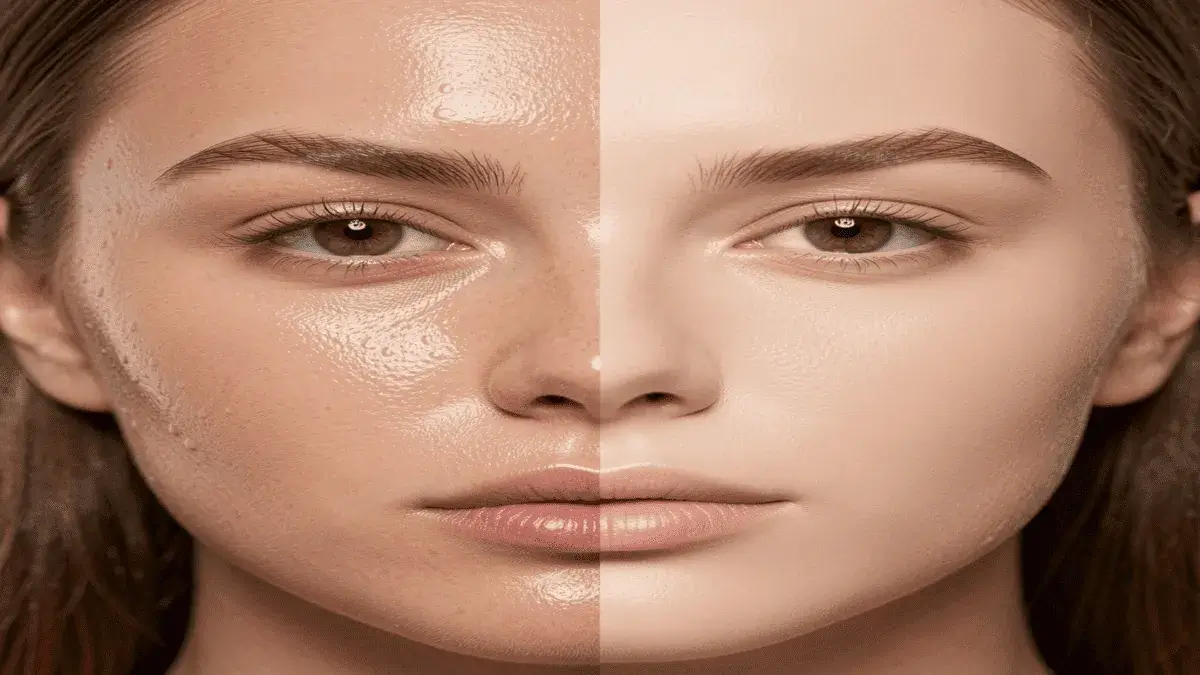
A skin tint is a lightweight complexion product designed to offer a “sheer” wash of color rather than total coverage. When evaluating the Skin Tint vs Foundation choice, the defining factor is the formulation; a skin tint is created more like a high-performance serum or a moisturizer. It does not sit on top of the skin as a heavy mask; instead, it melts into the epidermis to provide a “second-skin” finish. This allows your natural complexion—freckles and all—to remain visible while providing the hydration that often lacks in traditional products within the Skin Tint vs. Foundation spectrum.
The Power of the Ingredients
What truly sets 2026 skin tints apart from old-school tinted moisturizers is their clinical ingredient profile. These products are often packed with high-performance humectants and emollients that actively support the skin barrier:
Hyaluronic Acid: Acts as a moisture magnet, pulling hydration into the skin to keep it plump and dewy throughout the day.
Squalane: A biomimetic lipid that mimics the skin’s natural oils, providing deep hydration without clogging pores.
Glycerin: A classic yet essential humectant that strengthens the skin barrier against environmental stressors.
The Primary Benefits: Breathability and Glow
The most significant advantage of a skin tint is its breathability. Because the pigment concentration is low, your skin can “breathe,” significantly reducing the risk of congestion and “maskne” (acne caused by trapped bacteria under makeup). It is the ideal choice for those seeking a radiant, “lit-from-within” glow without the weight or the worry of aggravating sensitive skin conditions.
3. What is a Foundation? (The Coverage King)
Defining the Formula: Skin Tint vs Foundation Contrast
While skin tints focus on hydration, a foundation is a high-pigment formula engineered specifically for transformation. In the Skin Tint vs Foundation comparison, the primary purpose of a foundation is to act as a corrective tool—neutralizing redness, concealing hyperpigmentation, and masking active acne or scarring. Unlike tints, foundations are designed to provide an “even canvas,” creating a uniform skin tone by utilizing a higher density of color particles. This makes the Skin Tint vs Foundation choice a matter of whether you need a subtle enhancement or a total complexion correction.
The Versatility of Textures and Finishes
Foundations offer a wide variety of delivery systems, allowing users to customize their look based on their specific skin needs and the environment:
Liquid & Cream: The most popular choices for 2026, offering buildable coverage from medium to full.
Powder: Excellent for oil control and minimizing the appearance of large pores.
Matte vs. Dewy Finishes: While matte foundations provide a velvet-like, shine-free surface (ideal for long workdays), dewy finishes mimic the natural radiance of healthy skin.
The Primary Benefit: High-Definition Perfection
The standout benefit of a foundation is its ability to withstand the scrutiny of high-definition cameras and professional settings. It provides a polished, “airbrushed” look that remains stable for extended periods. For those attending professional events, weddings, or situations where longevity and total concealment are the priorities, foundation remains the undisputed gold standard. While it lacks the sheer breathability of a tint, its power to boost confidence through complete coverage is unmatched.
4. Skin Tint vs Foundation: The Comparison Table
To help you decide which product fits your daily routine, here is a technical comparison of how these two complexion staples perform side-by-side.
| Feature | Skin Tint | Foundation |
| Pigment Level | Low (Sheer): Blurs imperfections but lets your natural skin and freckles show through. | Medium to Full: Designed to completely cover redness, acne, and hyperpigmentation. |
| Texture | Serum-like: Very thin, watery, or oil-based consistency that absorbs quickly. | Thicker / Creamy: A more viscous formula that sits as a protective layer on the skin. |
| Finish | Dewy / Natural: Focuses on a radiant, “glass skin” look. | Versatile: Available in Matte, Satin, or High-Gloss Radiant finishes. |
| Skincare Benefits | High: Usually enriched with Hyaluronic Acid, Peptides, and Antioxidants. | Low: Primarily focuses on color correction; fewer active skincare ingredients. |
| Longevity | 4–6 Hours: Fades naturally; may require a midday touch-up. | 8–12+ Hours: Formulated with film formers to stay in place all day and night. |
| Application | Effortless: Best applied with clean fingers, much like a moisturizer. | Precise: Requires brushes or sponges for a seamless, streak-free blend. |

Hydrating Skin Tint SPF 30
Lightweight, breathable skin tint with Hyaluronic Acid for a natural glow. Perfect for daily wear.
🛒 Check Price
5. The Skin Health Perspective: A Researcher’s View
Skin Tint vs Foundation: Impact on Biological Functions
When choosing between a skin tint and a foundation, the impact on your biological skin functions is just as important as the visual finish.
As a skincare researcher, I look at how these formulas interact with your pores, your barrier, and the chemistry of the air around you. The Skin Tint vs Foundation debate isn’t just about aesthetics; it’s about how your skin breathes under these layers throughout the day.
Pore Clogging and Comedogenicity
One of the primary concerns with traditional foundations is their density. To achieve full coverage, foundations often contain high concentrations of waxes, oils, and heavy pigments that can settle into pores. For those with acne-prone or sensitive skin, the Skin Tint vs Foundation choice is critical because heavy formulas can lead to Acne Cosmetica—breakouts triggered by cosmetic products.
Skin Tints, by contrast, are generally formulated to be non-comedogenic. Their serum-like consistency means fewer “fillers,” significantly reducing the risk of pore congestion. If you are struggling with active breakouts, choosing a skin tint vs. foundation allows the skin to function more naturally while providing a light blur to redness without suffocating the follicles.
Maintaining Skin Barrier Integrity
A healthy skin barrier requires a balance of lipids and hydration. Many modern foundations, particularly those with a “matte” finish, use oil-absorbing minerals like kaolin clay or silica. While great for shine control, these can sometimes strip moisture from the epidermis, leading to a compromised barrier and “creping.”
Skin tints act as an extension of your skincare routine. By incorporating humectants that lock in humidity and moisture, they serve as a protective seal. This “occlusive-lite” effect helps prevent Transepidermal Water Loss (TEWL), keeping your skin hydrated even in dry, air-conditioned environments.
The Science of Oxidation: Why Does My Makeup Turn Orange?
You may have noticed that your foundation or tint looks perfect upon application but turns a shade darker or more “orange” after an hour. This is called Oxidation.
Much like the process we discussed in our guide on Vitamin C Oxidation, makeup oxidizes when the pigments and oils in the formula react with oxygen and the natural acids (sebum) on your skin.
Foundations: Due to higher pigment density and complex chemical stabilizers, foundations are often more prone to dramatic color shifts.
Skin Tints: While they can still oxidize, their sheer nature makes the color change far less noticeable.
Pro-Tip: To minimize oxidation, always apply a pH-balancing toner or a lightweight primer to create a barrier between your skin’s natural oils and the pigment.
6. How to Choose Based on Your Skin Type
The Skin Tint vs Foundation Decision Matrix
Selecting between a tint and a foundation isn’t just about the look you want; it’s about what your skin can handle. The clinical breakdown of Skin Tint vs Foundation for the most common skin concerns in 2026 shows that your biological environment determines the winner.
Dry and Dehydrated Skin: Why Skin Tints are the Winner
If your skin often feels tight or develops flaky patches, skin tints are your best ally. In the Skin Tint vs Foundation comparison for dry skin, traditional foundations—especially long-wear formulas—can cling to dry spots, making the skin look parched and uneven.
Skin tints are essentially “pigmented moisturizers.” Because they are loaded with humectants, they provide a continuous dose of hydration. When choosing a skin tint vs. foundation for a dehydrated complexion, the tint sinks into the skin instead of sitting on top of the dryness, creating a smooth, luminous surface that reflects light and hides dullness.
Oily and Acne-Prone Skin: The Balancing Act
For those with high sebum production, the choice is more nuanced. A heavy foundation can lead to clogged pores, but a very dewy skin tint might make you look “greasy” by noon.
The Solution: Look for oil-free foundations or mineral-based skin tints. Mineral pigments (like Zinc Oxide) provide a natural blurring effect while helping to soothe inflammation.
Pro-Tip: Make sure you are wearing a targeted sunscreen underneath if you have trouble with shine. For more on this, refer to our guide on the Best Sunscreens for Oily Skin in 2026.
Mature Skin: Avoiding the “Settling” Effect
As we age, our skin naturally develops fine lines and loss of elasticity. One of the biggest mistakes in mature beauty is using a thick, full-coverage foundation. These heavy pigments tend to “settle” into wrinkles, actually highlighting the very lines you’re trying to hide. Skin Tints are the superior choice for mature skin because their fluid texture moves with your face. They offer a “soft-focus” finish that blurs imperfections without the weight. For an even better result, many experts recommend a hybrid approach. See our detailed review of the Best Tinted Sunscreens for Mature Skin for products that offer both coverage and high-level UV protection.
7. Application Tips for a Flawless Finish
The Skin Tint vs Foundation Application Technique
Even the most expensive product will fail if the application technique is flawed. To achieve that professional, 2026 “glass skin” look, your approach to skin tint vs. foundation application should differ based on the formula’s viscosity and pigment load. Follow these research-backed steps for preparation and application.
The Gold Standard of Prep: Cleanse and Hydrate
The secret to makeup that doesn’t “pill” or look patchy lies in your skincare base, regardless of your skin tint vs. foundation preference.
Cleansing: Always start with a gentle, pH-balanced cleanser to remove excess sebum and environmental pollutants. This ensures the pigment adheres smoothly to the skin.
Moisturizing: Even if you are using a hydrating skin tint, a lightweight moisturizer is essential to “prep” the canvas. It fills in micro-textures of the skin, allowing the skin tint or foundation to glide on rather than sinking into dry pores.
The “SPF First” Rule: Don’t Rely on Your Makeup
A common mistake in 2026 is assuming the “SPF 30” label on your skin tint or foundation is enough protection. It is not. To get the advertised SPF protection from a makeup product, you would have to apply seven times the normal amount—resulting in a heavy, unnatural mess. For true clinical protection against UV-induced aging, always apply a dedicated sunscreen underneath your complexion product. For a list of formulas that won’t interfere with your makeup, check out our guide on the Top Sunscreens for Makeup 2025 – Best Face SPF Under Foundation.
Tools of the Trade: Fingers vs. Brushes
The tool you choose depends entirely on the formula’s density:
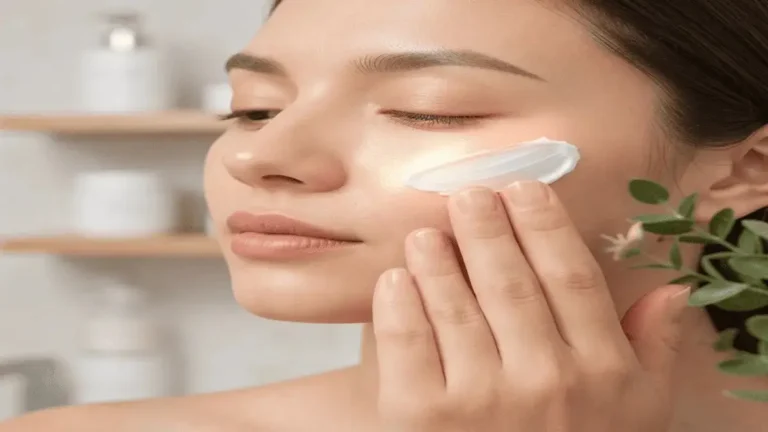
For Skin Tints (The “Skin-to-Skin” Method): Your fingers are the best tool. The warmth of your hands helps melt the oils and humectants into your skin for a seamless, natural blend. It’s quick, efficient, and wastes less product.
For Foundations (The “Precision” Method): Because foundations have higher pigment loads, using a dense buffing brush or a damp beauty sponge is recommended. These tools help distribute the pigment evenly, preventing streaks and allowing you to build coverage only where you need it (like the chin or cheeks).
8. Conclusion: Choosing Your Signature Finish
The Final Verdict: Daily Wear vs. Special Occasions
In the ongoing Skin Tint vs Foundation debate, there is no single winner—only the right choice for the right moment. Your decision should depend on your skin’s needs and the event’s demands.
For Daily Wear: The Skin Tint is the ultimate champion for everyday use. Its ability to provide hydration, allow the skin to breathe, and support the skin barrier makes it the perfect choice for the office, the gym, or running errands. When comparing Skin Tint vs Foundation for daily routines, the tint always wins by prioritizing long-term skin health over short-term “perfection.”
For Occasional Wear: When you are heading to a professional photo shoot, a wedding, or a high-stakes evening event, Foundation remains unmatched. It provides the control and durability needed to maintain a flawless appearance under harsh lighting and for extended durations.
Prioritize Your Skin Health
Ultimately, the Skin Tint vs Foundation choice should be an extension of your skincare, not a cover-up for neglected skin. Whether you choose the sheer glow of a tint or the polished finish of a foundation, the health of your underlying tissue remains the most important factor. Clinical beauty is about enhancing what you have, not just masking it.
Frequently Asked Questions (FAQs)
1. Can I use a skin tint and foundation together?
Yes, this is known as “spot-concealing.” Many people apply a sheer skin tint all over the face for a natural glow and then use a small amount of foundation or concealer only on areas that need extra coverage, such as under the eyes or over active breakouts.
2. Do skin tints expire faster than foundations?
Generally, yes. Because skin tints contain higher levels of skincare ingredients (like antioxidants and water-based humectants) and fewer preservatives than traditional foundations, they can have a shorter shelf life. Always check the “period after opening” (PAO) symbol on the bottle.
3. Is a skin tint the same as a tinted moisturizer?
While very similar, they differ in texture. Tinted moisturizers are usually thicker and focus on hydration. Skin Tints in 2026 are often “serum-based,” meaning they are thinner, more fluid, and offer more advanced clinical benefits like peptide technology or blue-light protection.
4. Will a skin tint hide my acne scars?
A skin tint will “blur” the appearance of scars and neutralize minor redness, but it will not completely hide deep hyperpigmentation or pitted scarring. If you have significant scarring, a medium-coverage foundation is a better option.
5. Can I use a cosmetic brush to apply skin tint?
You can, but it may absorb too much of the product. Because skin tints are very fluid, using a brush often leads to streaks. For the most natural finish, clean fingertips or a very lightly dampened sponge are recommended.