Best Body Lotion for Dry Skin in USA 2026 — Soft & Hydrated Skin
Best Body Lotion for Dry Skin in USA 2026 — Ultimate Guide to Soft, Hydrated Skin

Introduction: Why Moisturization Matters
Dry skin is a common challenge in the USA, affecting millions of people across all age groups. Whether it’s the biting cold of northern winters, the hot and arid desert regions of the Southwest, or the drying effects of indoor heating and air conditioning, your skin often loses moisture faster than it can naturally replenish it. These environmental factors make it essential to choose the best body lotion for dry skin that suits your specific climate and skin type.
When left untreated, dry skin can feel tight, rough, itchy, or flaky. Persistent dryness may even lead to cracks, redness, irritation, and heightened sensitivity. Over time, a weakened skin barrier can make your skin more vulnerable to environmental damage and premature aging. Using the best body lotion for dry skin helps restore lost hydration, strengthen the protective barrier, improve elasticity, and defend against daily stressors.
Selecting the best body lotion for dry skin is not just about comfort—it is about long-term skin health. The right formula can deeply nourish, repair, and protect your skin throughout changing seasons. This guide explores how to identify the ideal lotion for dry skin in the USA, which ingredients deliver real results, how to apply moisturizer correctly, and what lifestyle habits support soft, smooth, and hydrated skin year-round.
Understanding Dry Skin
What Is Dry Skin?
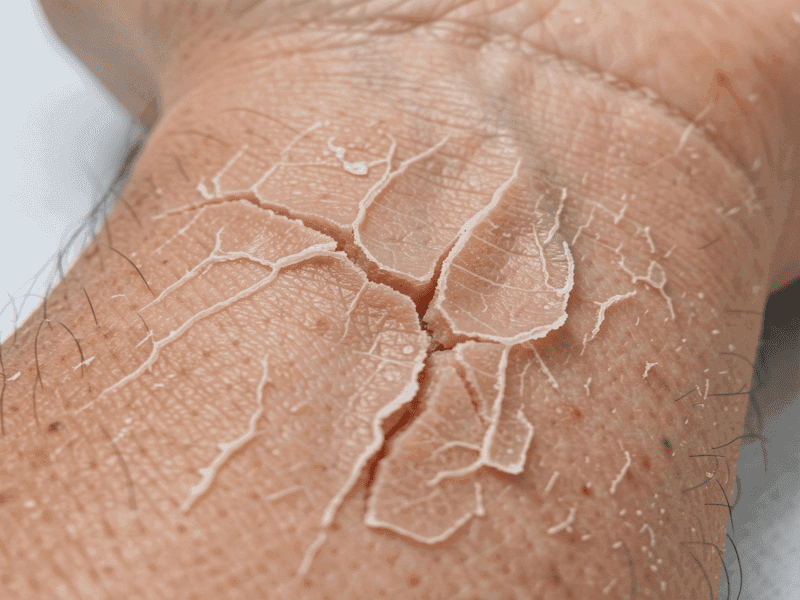
Dry skin, medically known as xerosis, occurs when the skin loses more water than it can retain. The outermost layer of the skin, called the skin barrier (stratum corneum), is composed of lipids, proteins, and natural oils that function like a protective shield. This barrier locks in moisture while keeping irritants, allergens, and pollutants out.
When the skin barrier becomes weakened or damaged, moisture escapes more easily. As a result, the skin may feel tight, rough, itchy, or sensitive. In more severe cases, it can crack or become inflamed. Understanding how dry skin develops is essential when selecting the best body lotion for dry skin, as proper barrier repair is the foundation of long-term hydration.
A high-quality moisturizer helps restore lost lipids, reinforce the barrier, and reduce transepidermal water loss (TEWL). Without consistent hydration, dryness can worsen over time.
Environmental Causes of Dry Skin
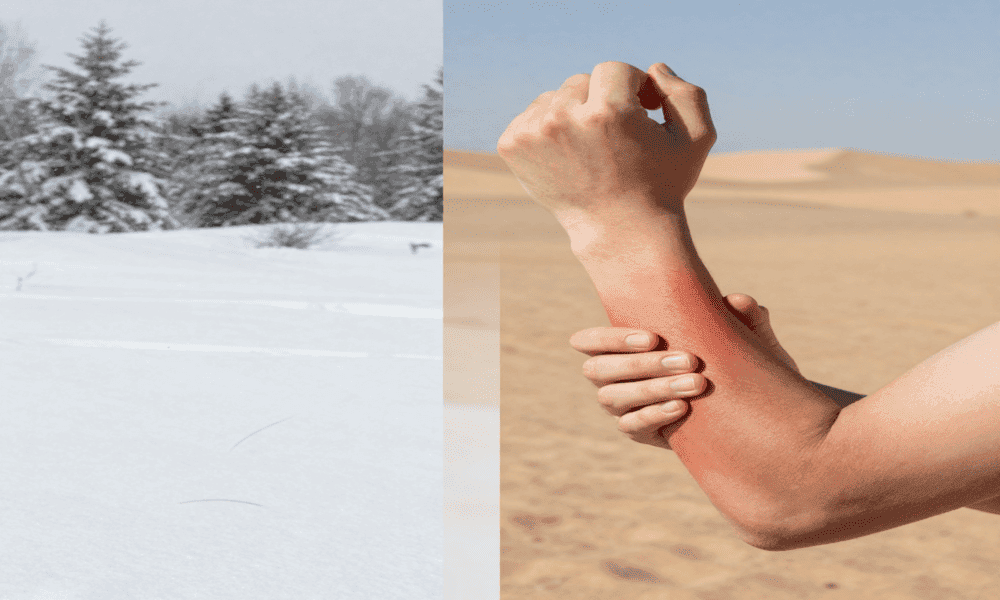
Environmental factors are among the most common triggers of dryness in the United States.
1. Cold Winters
Low temperatures reduce humidity levels, while indoor heating systems further strip moisture from the air. This combination removes natural oils from the skin, leaving it tight, flaky, and irritated. During winter, choosing the best body lotion for dry skin becomes especially important to maintain comfort and protection.
2. Dry Air
Desert regions and high-altitude areas often have extremely low humidity. Dry air pulls moisture directly from the skin, accelerating dehydration and rough texture. In such climates, thicker creams with occlusive ingredients provide better protection.
3. Sun Exposure
Ultraviolet (UV) rays damage the skin barrier, break down collagen, and reduce the skin’s ability to retain moisture. Over time, sun exposure contributes to chronic dryness and premature aging.
Pro Tip: Use a moisturizer with SPF during sunny months to protect your skin while keeping it hydrated.
Sun protection is a critical step in preventing barrier breakdown.
Indoor Heating & Air Conditioning
Modern climate control systems provide comfort but can significantly dry out the skin.
- Low indoor humidity pulls moisture from exposed areas such as hands, elbows, and legs.
- Continuous air conditioning can increase water loss from the skin throughout the day.
Using a humidifier indoors helps restore moisture to the air, supporting the effectiveness of the best body lotion for dry skin and reducing overall dryness.
Lifestyle Habits That Worsen Dry Skin
Daily habits can unknowingly damage the skin barrier.
- Hot, Long Showers: Hot water strips away natural oils and weakens protective lipids.
- Harsh Soaps: Sulfates and strong fragrances disrupt the skin’s pH balance.
- Alcohol-Based Products: These evaporate quickly and leave the skin even drier.
Tip: Switch to gentle, fragrance-free cleansers and use lukewarm water instead of hot showers. Applying the best body lotion for dry skin immediately after bathing helps lock in hydration before it evaporates.
Aging and Skin Hydration
As we age, several biological changes affect skin moisture levels:
- Slower oil production
- Reduced collagen and elastin
- Thinner, more fragile skin
- Decreased natural moisture retention
These changes make mature skin more prone to flakiness, fine lines, and irritation. Older adults often benefit from richer, thicker moisturizers that contain ceramides, fatty acids, and antioxidants. Choosing the best body lotion for dry skin with barrier-repair ingredients can significantly improve comfort and skin resilience in aging individuals.
Health Conditions Linked to Dry Skin
Certain medical conditions can intensify dryness and make it more persistent.
- Eczema: Causes chronic dryness, itching, and inflammation.
- Psoriasis: Leads to thick, scaly patches.
- Diabetes: May affect circulation and moisture balance.
- Hypothyroidism: Slows oil production and contributes to rough skin.
If dryness becomes severe, painful, or does not improve despite using the best body lotion for dry skin, a dermatological consultation may be necessary. Underlying conditions sometimes require prescription treatment alongside proper moisturization.
Signs Your Skin Needs Hydration
- Flaky or rough texture
- Red, irritated patches
- Tightness or itching after washing
- Fine lines and dullness
Recognizing these signs helps you take timely action with the best body lotion for dry skin.
The Skin Barrier Explained
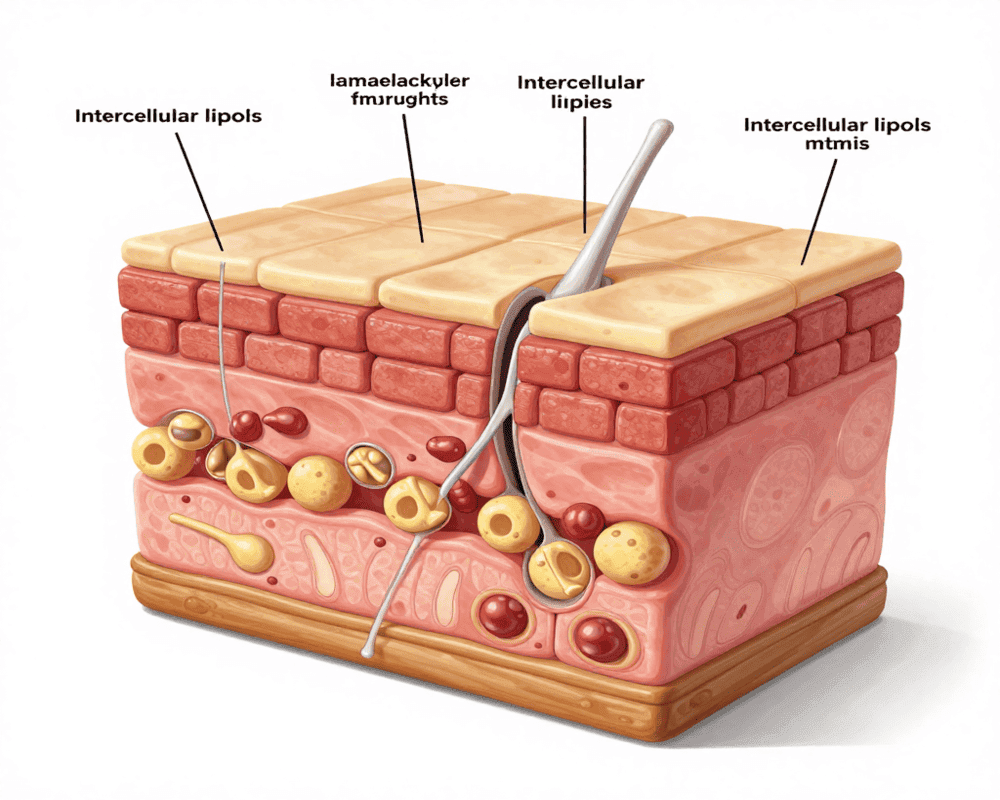
Structure of the Skin Barrier
The skin barrier (stratum corneum) is composed of:
- Corneocytes (Skin Cells): Tightly packed cells forming the “bricks.”
- Lipids (Natural Oils): Ceramides, cholesterol, and fatty acids acting as “mortar.”
- Proteins: Filaggrin and others that maintain elasticity and hydration.
A healthy barrier retains moisture, shields against irritants, and reduces sensitivity.
Signs of a Compromised Barrier
- Excessive dryness
- Flakiness
- Redness or irritation
- Rough texture or premature fine lines
Using the best body lotion for dry skin helps repair and reinforce this barrier.
How Body Lotions Support Hydration
The right body lotion does more than simply moisturize—it actively repairs, protects, and strengthens your skin barrier, ensuring long-lasting hydration and comfort. Choosing the best body lotion for dry skin is essential to address both surface dryness and deeper barrier damage.
A high-quality lotion works on multiple levels:
1. Restore Lipids
Dry skin often lacks essential lipids, which are the natural oils that maintain the skin barrier. Ingredients like ceramides, fatty acids, and cholesterol help rebuild this protective layer. Restoring lipids strengthens the barrier, prevents moisture loss, and reduces sensitivity to irritants.
When selecting the best body lotion for dry skin, look for formulations specifically enriched with ceramides and plant-based oils to reinforce this lipid layer.
2. Humectants: Attract and Retain Water
Humectants are water-binding ingredients that draw moisture into the outer layer of the skin. Common humectants include:
- Hyaluronic acid
- Glycerin
- Urea
- Aloe vera
These ingredients hydrate the skin from within, improving elasticity and making skin feel plumper. Humectants are especially effective when applied to damp skin, which helps lock in water before it evaporates.
3. Soothing Ingredients: Calm and Protect
Dry skin is often irritated, itchy, or sensitive. Soothing ingredients help calm inflammation while supporting barrier repair. Examples include:
- Shea butter is abundant in fatty acids and vitamins.
- Coconut oil – protective and nourishing
- Panthenol (Vitamin B5) – enhances healing
- Aloe vera – hydrates and cools
These components make the best body lotion for dry skin effective not just for hydration but also for reducing redness, itchiness, and discomfort.
4. Barrier Reinforcement
The combination of lipids, humectants, and soothing ingredients strengthens the skin barrier over time. A healthy barrier:
- Retains moisture longer
- Protects against environmental stressors
- Reduces irritation and flakiness
Regular use of the best body lotion for dry skin ensures the barrier remains resilient, preventing recurring dryness.
💡 Pro Tip
For maximum results:
- Apply lotion immediately after showering to slightly damp skin.
- Use generous amounts on extra-dry areas like elbows, knees, and feet.
- Consistency is key—daily application reinforces barrier repair and keeps skin soft all year.
Key Ingredients in the Best Body Lotion for Dry Skin
- Ceramides: Restore the barrier, lock in moisture, protect from irritants.
- Hyaluronic Acid: Attracts water for deep hydration, plumps skin.
- Natural Oils and Butters: Shea, coconut, sunflower oils nourish, protect, and prevent water loss.
- Glycerin: A humectant that hydrates in dry and humid conditions.
- SPF: Shields from sun damage and prevents barrier breakdown.
Extra Ingredients: Niacinamide, aloe vera, vitamin E, and panthenol further improve hydration and barrier repair.
How to Apply Body Lotion Correctly
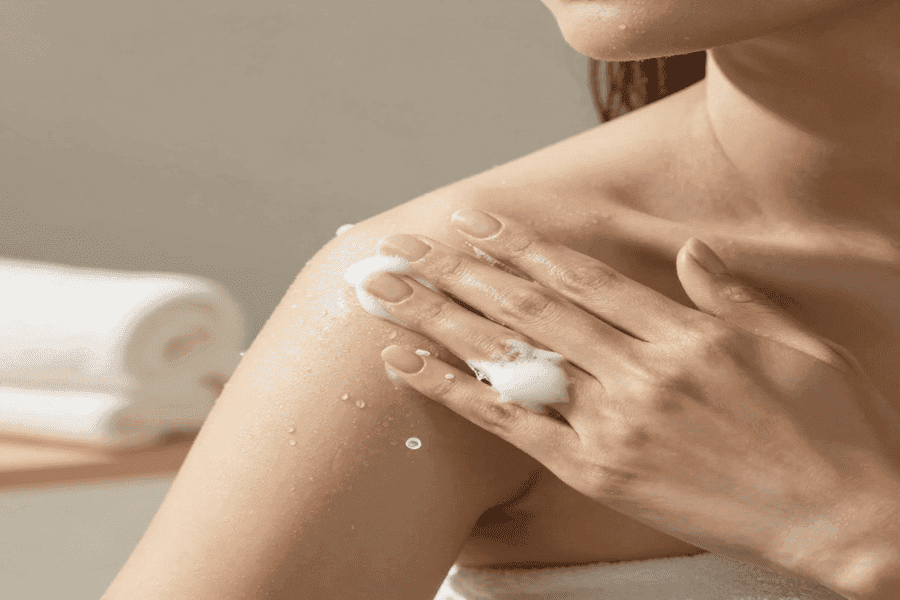
- After bathing: Apply to skin that is slightly moist to retain hydration.
- Use Adequate Amounts: 1–2 ounces for full-body coverage.
- Massage Gently: Upward, circular motions enhance absorption.
- Focus on Dry Areas: Elbows, knees, hands, feet, and heels may need extra layers.
- Consistency: Daily application ensures ongoing hydration.
Tip: Keep travel-sized lotion for on-the-go use, especially in dry climates or air-conditioned spaces.
Lifestyle Tips for Hydrated Skin
- Shower Smart: Lukewarm water, 10–15 minutes max, gentle cleansers.
- Control Indoor Humidity: Use humidifiers in winter or dry climates.
- Nutrition & Hydration: Water, omega-3 fatty acids, and vitamins A, C, and E contribute to the health of the skin.
- Avoid Irritants: Alcohol-based products, harsh scrubs, and heavily fragranced lotions can harm the barrier.
- Soft Clothing: Cotton or breathable fabrics reduce friction and dryness.
Common Mistakes That Worsen Dry Skin
- Over-Washing: Strips natural oils
- Skipping Moisturizer: Leads to evaporation of water from skin
- Harsh Soaps or Scrubs: Damage the barrier
- Ignoring SPF: UV rays accelerate dryness and aging
- Seasonal Neglect: Thick creams in winter, lightweight in summer are essential
Seasonal Skincare Guide for the USA
Winter
- Thick creams with ceramides, shea butter, hyaluronic acid
- Apply twice daily, layer with natural oils for overnight hydration
Summer
- Lightweight, fast-absorbing lotions with SPF
- Use hydrating ingredients like glycerin, hyaluronic acid, aloe vera
Dry Climates
- Layer rich cream + oils at night
- Use humidifiers and drink plenty of water
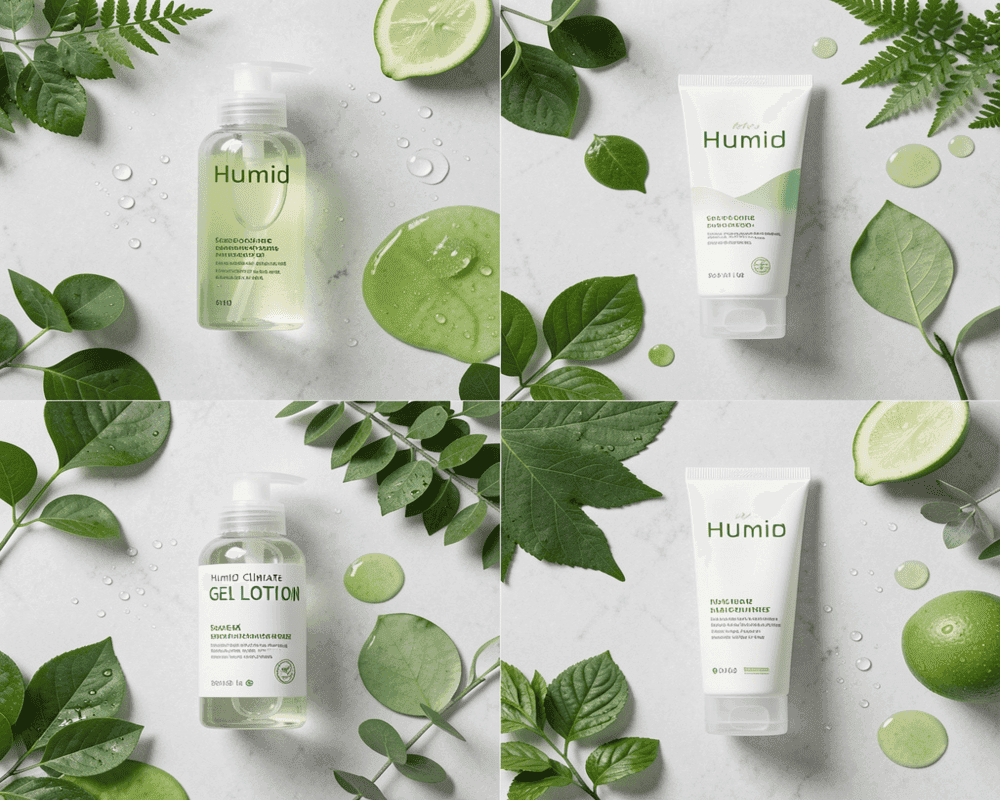
Humid Climates
- Lightweight, gel-based lotions
- Focus on barrier-repair ingredients
- Apply immediately after showering
Home Remedies to Boost Lotion Effectiveness
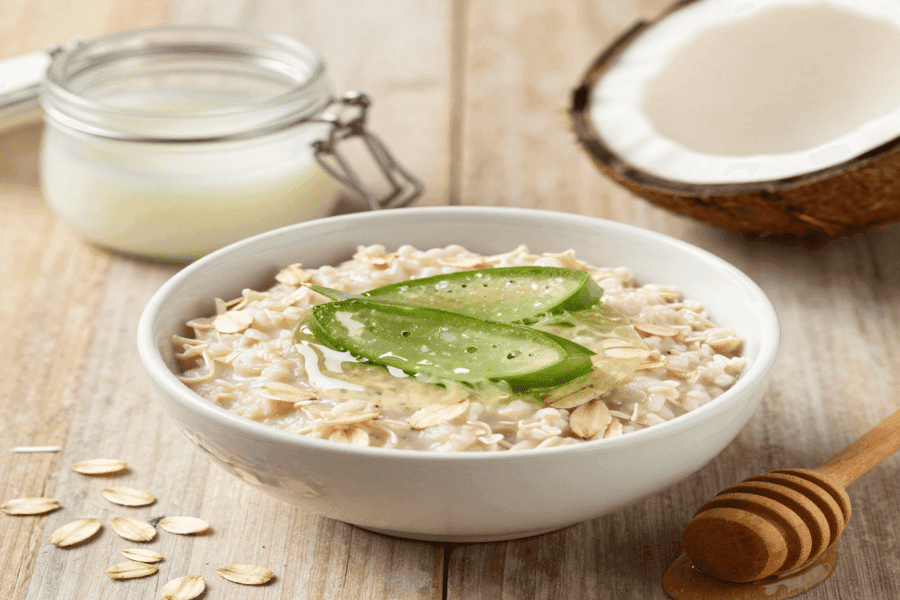
- Oatmeal Baths: Soothes itch and retains moisture
- Coconut or Olive Oil: Occlusive overnight hydration
- Aloe Vera Gel: Hydrates and calms irritation
- Honey Masks: Natural humectant
- Humidifier: Maintains indoor moisture
Tip: Apply home remedies first, then lock in moisture with the best body lotion for dry skin.
Examples of Hydrating Ingredients in Popular Lotions
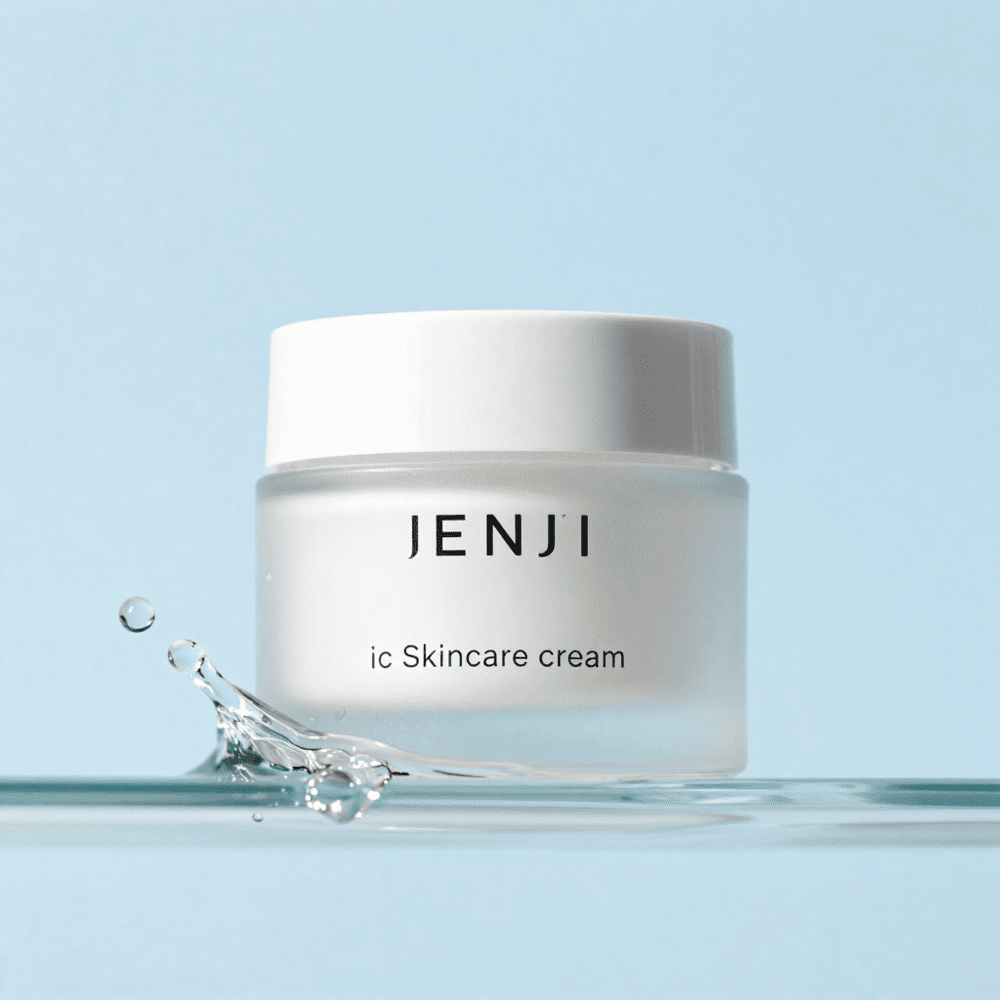
- CeraVe Moisturizing Cream: Ceramides + Hyaluronic Acid
- Necessaire The Body Lotion: Plant oils + Niacinamide + Vitamin E
- EOS Body Lotion: Shea Butter + Vitamin E
Focus on ingredients, not brands, for maximum hydration and barrier repair.
Choosing the Best Body Lotion for Dry Skin in the USA
- Hydrating ingredients (ceramides, hyaluronic acid, glycerin, natural oils)
- Avoid harmful additives (parabens, sulfates, fragrances, alcohol)
- SPF for daytime use
- Texture & absorption suited to climate and season
- Dermatologist recommendations for chronic dryness or sensitive skin
Recommended Daily Routine
Morning: Gentle shower → pat dry → apply SPF lotion to exposed areas.
Evening: Shower → pat dry → apply rich, fragrance-free lotion → massage dry areas → layer oils if needed.
Extra Tips: Travel-sized lotion, seasonal adjustments, hydration from within.
FAQ About Body Lotions for Dry Skin in the USA
Q1: Can oily skin benefit from body lotion?
Yes. Even oily skin needs hydration. Many people assume that body lotion is only for dry skin, but oily skin can become dehydrated as well.
The key is choosing:
- Lightweight formulas
- Oil-free or non-comedogenic lotions
- Ingredients like glycerin and hyaluronic acid
When oily skin lacks water, it may actually produce more oil to compensate. Using a properly formulated lotion helps balance the skin and prevent excess oil production.
Q2: How often should I apply body lotion?
For most people, applying lotion once daily after showering is sufficient. However, frequency depends on climate and skin condition.
General guidelines:
- Mild dryness → Once daily
- Moderate dryness → Twice daily
- Severe dryness → 2–3 times daily
Hands, feet, elbows, and knees may require additional application, especially in cold or dry climates.
Consistency is more important than quantity. Daily use strengthens the skin barrier over time.
Q3: Are natural oils enough to treat dry skin?
Natural oils like coconut oil, olive oil, and almond oil can help seal moisture into the skin. However, they do not attract water into the skin the way humectants do.
Oils are occlusives — they prevent water loss but do not provide hydration on their own.
For best results:
- Apply lotion first (with humectants and ceramides)
- Then layer oil on top if extra dryness is present
This combination provides deeper and longer-lasting hydration.
Q4: Can SPF body lotions replace a regular moisturizer?
SPF lotions can provide hydration and sun protection at the same time.
However, for very dry skin, they may not be rich enough to fully repair the skin barrier.
If your skin is extremely dry:
- Use a nourishing moisturizer first
- Apply sunscreen on top
During summer, a hydrating SPF lotion may be enough for normal to mildly dry skin. But in winter, a richer cream is often necessary.
Q5: Can children use adult body lotions?
Yes, but with caution.
Choose:
- Fragrance-free formulas
- Hypoallergenic products
- Gentle, dermatologist-tested options
Children’s skin is more delicate and sensitive. Avoid lotions with strong fragrance, alcohol, or harsh preservatives.
For babies or toddlers, consult a pediatrician before introducing new skincare products.
Q6: How should I choose lotion based on seasons?
Seasonal adjustment is important for maintaining hydrated skin.
Winter
- Thick creams
- Ceramides and shea butter
- Twice-daily application
Summer
- Lightweight lotion
- Fast-absorbing texture
- SPF protection
Dry Climate
- Layer cream + oil
- Use a humidifier
Humid Climate
- Gel-based or light lotion
- Non-greasy finish
Adapting your routine prevents seasonal dryness and irritation.
Q7: Does dry skin accelerate aging?
Yes. Dehydrated skin can make fine lines and wrinkles appear more noticeable.
When the skin lacks moisture:
- Elasticity decreases
- Texture becomes rough
- Fine lines appear deeper
Hydrating ingredients like ceramides, hyaluronic acid, and antioxidants help maintain a smoother, more youthful appearance.
Well-moisturized skin reflects light better, giving it a natural glow.
Q8: How long does it take to see improvement in dry skin?
Most people notice improvement within 7 to 14 days of consistent daily moisturizing.
However, severe dryness may take longer to repair. Long-term consistency strengthens the skin barrier and reduces flare-ups over time.
If no improvement occurs after 3–4 weeks, consider consulting a dermatologist.
Q9: Can I apply body lotion on my face?
Body lotions are formulated for thicker skin areas and may contain heavier ingredients.
While some fragrance-free lotions may be safe, facial skin is more sensitive. It’s generally better to use a moisturizer specifically designed for the face.
Q10: What ingredients should I avoid if I have very dry or sensitive skin?
Avoid:
- High alcohol content
- Strong synthetic fragrances
- Harsh exfoliating acids
- Sulfates
These ingredients can damage the skin barrier and worsen dryness.
Always check the ingredient label before purchasing.
Q11: Is expensive lotion always better?
Not necessarily.
The effectiveness of a lotion depends on:
- Ingredient formulation
- Concentration of active components
- Compatibility with your skin type
Many affordable options contain ceramides, glycerin, and hyaluronic acid, which are highly effective.
Focus on ingredient quality rather than brand price.
Q12: Can I over-moisturize my skin?
While it’s rare, applying excessive amounts without allowing proper absorption may clog pores or feel heavy.
Instead of over-applying:
- Use moderate amounts
- Apply on damp skin
- Reapply when necessary
Balance is key.
Conclusion
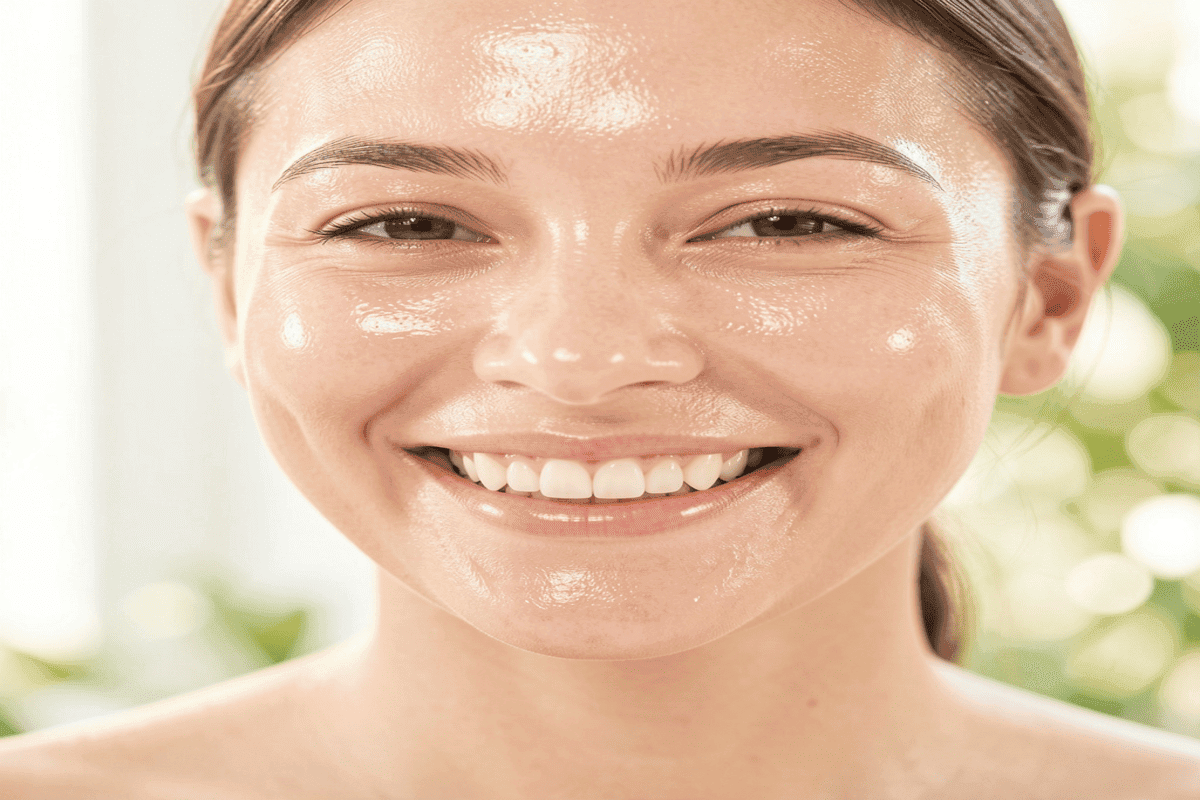
Achieving soft, hydrated skin requires more than applying lotion—it involves choosing the best body lotion for dry skin, using it consistently, and supporting it with healthy lifestyle habits.
- Apply daily, ideally after bathing
- Maintain hydration and a balanced diet
- Protect against sun, indoor dryness, and irritants
- Layer natural oils or home remedies for intensive moisture
By following these strategies, your skin can remain soft, smooth, and healthy year-round, no matter the season or climate in the USA.
Disclaimer
This article is for informational purposes only and is not a substitute for professional medical advice. Consult a licensed dermatologist before trying new skincare routines.