Effective Heat Damaged Hair Solutions for Healthy Hair
Heat Damaged Hair Solutions: How to Repair Hair Naturally
1. What is Heat Damage?
Heat damage occurs when hair is repeatedly exposed to high temperatures from styling tools such as flat irons, curling irons, or blow dryers. Over time, this weakens the hair’s natural structure, leaving it dry, brittle, frizzy, and prone to split ends. Heat-damaged hair loses its shine, softness, and overall health, making it look dull and unhealthy.
Finding effective heat damaged hair solutions early can help restore your hair’s natural strength and shine, preventing further damage.
2. Who is Affected by Heat Damage?
All hair types are susceptible to heat damage—straight, wavy, curly, or coily. However, Black girls and 4C hair are especially vulnerable due to their naturally fragile texture, which can dry out quickly. Even short-term exposure to high heat without protective care can lead to noticeable damage over time.
Implementing heat damaged hair solutions tailored for your hair type ensures better repair and long-term health.
3. Why Fixing Heat Damaged Hair is Important
Ignoring heat damage can result in thinning, breakage, and split ends. Repairing your hair not only restores its natural shine and softness but also prevents further damage. By following proven heat damaged hair solutions, including home remedies, protein treatments, and nourishing products, you can maintain healthy, resilient hair.
Advertisement
4. What You Will Learn in This Article
In this guide, you’ll discover:
- Why heat damage happens
- Step-by-step heat damaged hair solutions to fix hair without cutting
- Home remedies and natural treatments for all hair types
- Prevention tips to protect your hair from future heat damage
What is Heat Damaged Hair?
Heat damaged hair occurs when hair is repeatedly exposed to high temperatures from styling tools such as flat irons, curling irons, and blow dryers. Over time, this excessive heat strips hair of its natural moisture and protein, leaving it weak, dry, brittle, and prone to breakage. While heat damage can affect all hair types, it is especially noticeable in hair that is fine, chemically treated, or naturally curly.
Finding effective heat damaged hair solutions is essential to restore your hair’s strength, shine, and overall health. By addressing heat damage early, you can prevent further breakage and maintain long-term hair resilience.
Symptoms of Heat Damaged Hair
If your hair is suffering from heat damage, you may notice the following signs:
- Dryness and frizz: Hair feels rough and looks frizzy even after styling.
- Split ends: Hair breaks easily at the tips due to weakened strands.
- Breakage: Hair snaps when brushing, combing, or styling.
- Lack of shine: Hair appears dull, lifeless, and unhealthy.
Recognizing these heat damaged hair symptoms early is the first step toward implementing effective heat damaged hair solutions. The sooner you start repairing your hair, the faster you can restore its natural moisture, shine, and strength.
Recommended for You
How to Fix Heat Damaged Hair Without Cutting
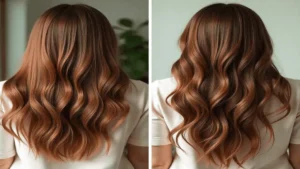
Not everyone wants to chop off their hair when it becomes heat-damaged. Fortunately, there are several proven heat damaged hair solutions that allow you to repair and restore your hair without cutting. By following these steps consistently, you can gradually improve your hair’s health, shine, and strength while preventing further damage.
1. Trim Only Severely Damaged Ends
Instead of cutting your entire hair, focus on trimming only the split or severely damaged ends. This approach prevents breakage from traveling up the hair shaft while keeping most of your hair length intact. Trimming selectively is one of the simplest and most effective heat damaged hair solutions.
2. Deep Conditioning Treatments
Regular deep conditioning treatments restore moisture and strengthen damaged hair. Look for masks or conditioners rich in coconut oil, argan oil, shea butter, or keratin. Applying these treatments once or twice a week helps nourish your hair from root to tip and improves elasticity, reducing breakage over time.
3. Protein Treatments
Protein treatments repair and rebuild hair structure by filling in gaps caused by heat damage. Hair is made primarily of keratin, so adding protein strengthens strands and reduces brittleness. Use a protein mask suitable for your hair type every 2–3 weeks as part of your heat damaged hair solutions routine.
4. Leave-In Conditioners
Throughout the day, leave-in conditioners offer protection and constant hydration. They help manage frizz, add shine, and make your hair more resilient to future heat styling. Applying a lightweight leave-in product daily can be a simple but effective solution for heat-damaged hair.
Home Remedies for Heat Damaged Hair
If you want to repair hair naturally, there are several effective home remedies for heat damaged hair that can restore moisture, shine, and strength. These remedies are safe, affordable, and suitable for all hair types, including Black girls and 4C hair. Incorporating these natural treatments into your routine is an excellent way to implement heat damaged hair solutions without relying solely on expensive products.
1. Coconut Oil Treatment
Coconut oil penetrates deep into the hair shaft, nourishing and strengthening it from within. Apply the oil to your hair and scalp after slightly warming it. Leave it on for at least 30 minutes or overnight for maximum results, then wash with a mild shampoo. Regular use of coconut oil is one of the most effective heat damaged hair solutions for restoring shine and reducing breakage.
2. Avocado + Egg Hair Mask
Avocado is rich in vitamins and healthy fats, while eggs provide protein to rebuild damaged hair. One ripe avocado should be mashed and combined with one egg. Apply the mask to damp hair, leave for 20–30 minutes, and rinse thoroughly. This DIY mask helps repair heat-damaged hair, adding moisture and strength naturally.
3. Aloe Vera Gel
Aloe vera is excellent for moisturizing and soothing heat-damaged hair. Apply fresh aloe vera gel directly to your scalp and hair, leave it for 20 minutes, and rinse. This helps reduce dryness, frizz, and irritation, making it a simple yet effective heat damaged hair solution for all hair types.
4. Olive Oil + Honey Mask
Olive oil provides deep hydration, while honey locks in moisture. Mix two tablespoons of olive oil with one tablespoon of honey, apply evenly to your hair, leave for 30 minutes, and wash gently. Using this mask once a week can significantly improve hair texture, shine, and strength.
By regularly following these natural remedies, you can strengthen your hair, reduce frizz, and repair damage caused by heat styling. Integrating these home remedies as part of your heat damaged hair solutions routine ensures healthier, softer, and more resilient hair over time.
Best Products for Repairing Heat Damaged Hair
Using the right products can make a huge difference in repairing hair affected by heat styling. Along with home remedies, these products provide extra nourishment, strengthen hair, and protect it from future damage. Incorporating them is a crucial part of any effective heat damaged hair solutions routine.
1. Shampoos & Conditioners (Moisturizing & Protein-Rich)
Look for sulfate-free, moisturizing, and protein-enriched shampoos and conditioners. These help restore moisture, repair damaged strands, and reduce breakage. Ingredients like keratin, biotin, argan oil, or shea butter are particularly effective. Using these products regularly is a simple yet powerful heat damaged hair solution that supports overall hair health.
2. Hair Serums & Leave-In Conditioners
Hair serums and leave-in conditioners provide continuous hydration and protection throughout the day. They help tame frizz, add shine, and make hair more resilient to future heat styling. Choose serums enriched with natural oils like coconut, argan, or jojoba oil to maximize repair and maintain soft, healthy hair. These products are an essential component of heat damaged hair solutions.
3. Heat Protectants
Heat protectants are a must for anyone using styling tools regularly. They form a protective layer over the hair, reducing damage from high temperatures. Always spray or apply evenly before using flat irons, curling irons, or blow dryers. Regular use of heat protectants is one of the most important solutions for heat-damaged hair, preventing further damage while styling.
By combining moisturizing shampoos, protein-rich conditioners, serums, leave-in products, and heat protectants, you can create a comprehensive routine that repairs existing damage and protects your hair against future heat stress. These steps are key to effective heat damaged hair solutions for all hair types.
Prevention Tips for Heat Damage
Preventing heat damage is always better than repairing it. Implementing the right preventive measures is a key part of heat damaged hair solutions, helping you maintain healthy, strong, and shiny hair while reducing the need for extensive repair. By following these simple steps, you can protect your hair from heat damage and ensure long-term hair health.
1. Reduce Heat Styling Frequency
Limit your use of blow dryers, curling irons, and flat irons. Giving your hair regular breaks from heat styling allows it to retain its natural moisture and strength. Reducing heat exposure is one of the most effective preventive heat damaged hair solutions.
2. Always Use Heat Protectants
Before using any styling tool, apply a heat protectant spray or serum. This forms a protective barrier on your hair, significantly reducing the risk of damage. Consistent use of heat protectants is essential for anyone looking for reliable solutions for heat-damaged hair.
3. Avoid High Temperature Settings
High heat can quickly damage delicate or chemically treated hair. Always use the lowest effective temperature for styling and avoid going over the same section multiple times. Controlling heat settings is a simple yet effective preventive measure in your heat damaged hair solutions routine.
4. Protect Hair from Sun and Chemicals
UV rays and chemical treatments like coloring, relaxing, or perming can weaken hair further. Use UV-protective sprays when outdoors and minimize harsh chemical treatments. This extra layer of protection complements other heat damaged hair solutions, keeping your hair healthy and resilient.
By combining these preventive tips with regular hair care and nourishing products, you create a complete heat damaged hair solutions strategy that maintains hair strength, moisture, and shine over time.
FAQs
Here are some of the most common questions about heat damaged hair solutions with detailed answers:
1. How long does it take to repair hair damaged by heat?
The time required depends on the severity of the damage and your hair care routine. Mild heat damage can improve within 4–6 weeks with regular deep conditioning, protein treatments, and proper care. Severe damage may take several months and consistent use of heat damaged hair solutions like nourishing masks, serums, and leave-in conditioners.
2. Can 4C hair be repaired without cutting?
Yes! 4C hair can be repaired without cutting by using deep conditioning treatments, protein masks, and leave-in conditioners. Trimming only the severely damaged ends helps maintain length while repairing the rest of the hair. Incorporating these methods into your heat damaged hair solutions routine ensures healthy, strong, and manageable 4C hair.
3. Which oils are best for heat-damaged hair?
Natural oils such as coconut oil, argan oil, olive oil, and jojoba oil are excellent for repairing heat-damaged hair. They provide moisture, reduce frizz, and strengthen hair from the inside out. These oils are an essential part of any heat damaged hair solutions strategy.
4. How frequently should my hair be deep-conditioned?
For best results, deep condition your hair 1–2 times per week. This keeps hair hydrated, nourished, and resilient against heat styling. Extremely dry or damaged hair may benefit from twice-weekly deep conditioning treatments, which are crucial components of effective heat damaged hair solutions.
Conclusion
Heat damage can affect all hair types, causing dryness, frizz, split ends, and breakage. The good news is that with the right approach, it’s possible to fix heat damaged hair and restore its natural shine, softness, and strength.
By understanding the causes, using home remedies, protein treatments, nourishing products, and heat protectants, you can repair and protect your hair without cutting off all your length. Start by trimming only the severely damaged ends, deep conditioning regularly, and using leave-in conditioners or protective oils.
Try natural remedies like coconut oil, avocado masks, aloe vera, or olive oil with honey, and include high-quality products in your routine for long-lasting results. Remember to prevent future heat damage by reducing heat styling frequency, using protective products, and avoiding high temperatures.
Implementing these strategies as part of your comprehensive heat damaged hair solutions routine ensures healthier, stronger, and more resilient hair over time. Share your hair care journey with others to inspire and maintain healthy hair habits.
Disclaimer
The hair care routines, product reviews, and remedies shared in this article are for informational and educational purposes only. Hair types and scalp conditions vary significantly, and results from products like hair growth serums or chemical treatments may differ for everyone. For issues related to medical hair loss (such as Alopecia, PCOS, or Postpartum thinning), we strongly recommend consulting a trichologist or healthcare professional. Always perform a strand test before applying new treatments to your entire head.
You Might Also Like