Top Layer Hair Repair: 7 Ways to Fix Broken & Frizzy Hair Fast
Top Layer Hair Broken & Frizzy? Instant Fixes 2026
Introduction
Top Layer Hair Repair is essential for anyone dealing with frizz, breakage, or rough hair texture. The top layer of hair—also known as the cuticle—is often the first to show signs of damage. Dull, lifeless strands can result from heat styling, chemical treatments, or environmental stress. In this 2026 guide, we’ll explore instant fixes for broken and frizzy top layer hair and expert tips for top layer hair repair, helping you restore smoothness, strength, and shine naturally.
For more expert tips on protecting your hair and preventing damage, visit the American Academy of Dermatology hair care guide
What Causes Top Layer Hair Damage?
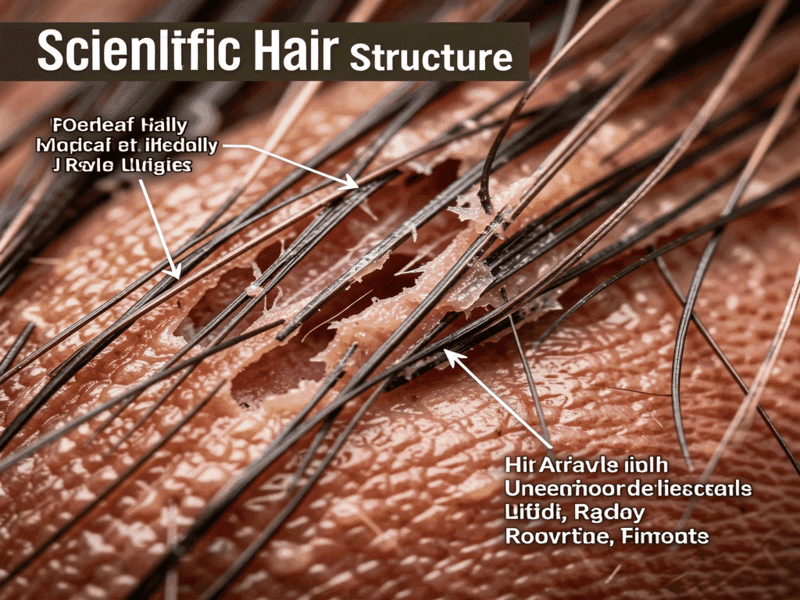
Understanding the root causes is the first step toward effective top layer hair repair. The outermost layer of hair, known as the cuticle, protects the inner structure of each strand. When this layer is compromised, hair becomes frizzy, weak, and prone to breakage. Here are the most common culprits behind top layer hair damage:
1. Heat Styling
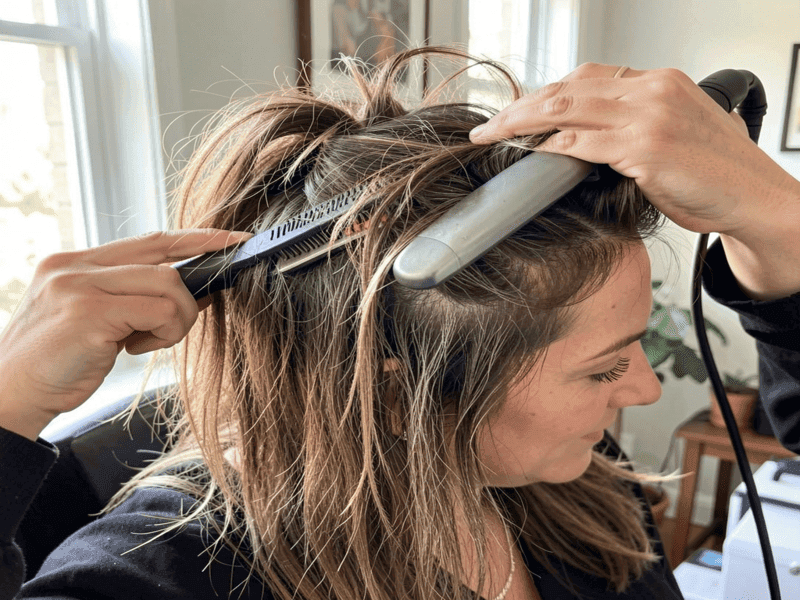
Frequent use of flat irons, curling wands, or blow dryers exposes the hair to extreme temperatures. Heat can strip natural moisture from the cuticle, leaving it dry, brittle, and prone to frizz. Over time, repeated heat styling causes top layer hair damage, making repair treatments essential to restore smoothness and strength.
2. Chemical Treatments
Hair coloring, bleaching, perming, or chemical straightening alters the natural structure of the cuticle. These treatments remove protective oils and weaken the hair shaft, resulting in top layer hair damage. Without proper repair and hydration, chemically treated hair can appear dull, rough, and more susceptible to breakage.
3. Environmental Stress
Sun exposure, pollution, harsh winds, and hard water can all contribute to a damaged cuticle. UV rays and free radicals from pollution attack the hair’s protective outer layer, causing dryness, frizz, and split ends. Incorporating top layer hair repair treatments can help restore resilience and shine.
4. Mechanical Damage
Rough brushing, towel-drying, or using tight hair accessories can physically break or lift the cuticle. Mechanical stress weakens the hair’s top layer, leading to frizz, tangles, and breakage. Gentle handling and proper care are vital for effective top layer hair repair.
5. Lack of Moisture & Protein
Hair needs both hydration and protein to remain strong. A deficiency in either can make the cuticle brittle and fragile. Top layer hair repair often involves protein treatments and moisturizing masks to replenish lost nutrients and restore the hair’s smooth, healthy appearance.
Pro Tip: To achieve the best results in top layer hair repair, first identify the primary cause of your hair damage. This allows you to choose the most suitable treatments—whether deep conditioning, protein therapy, or protective styling—for long-lasting, frizz-free hair.
Signs Your Hair’s Top Layer is Broken
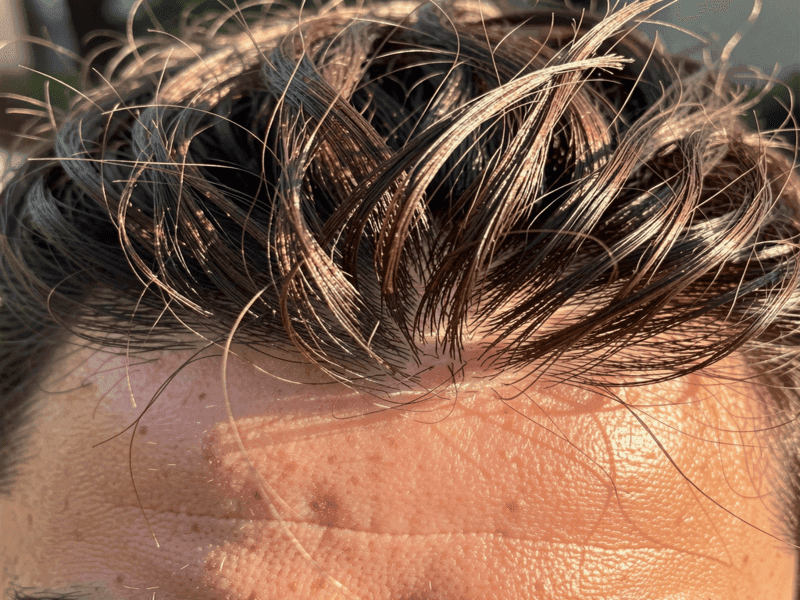
Knowing the warning signs of top layer hair damage is crucial for timely intervention and effective top layer hair repair. When the outer cuticle of your hair is compromised, it affects not only the appearance but also the strength and overall health of your strands. Here are the key indicators that your hair’s top layer may be broken or weakened:
1. Frizz and Flyaways
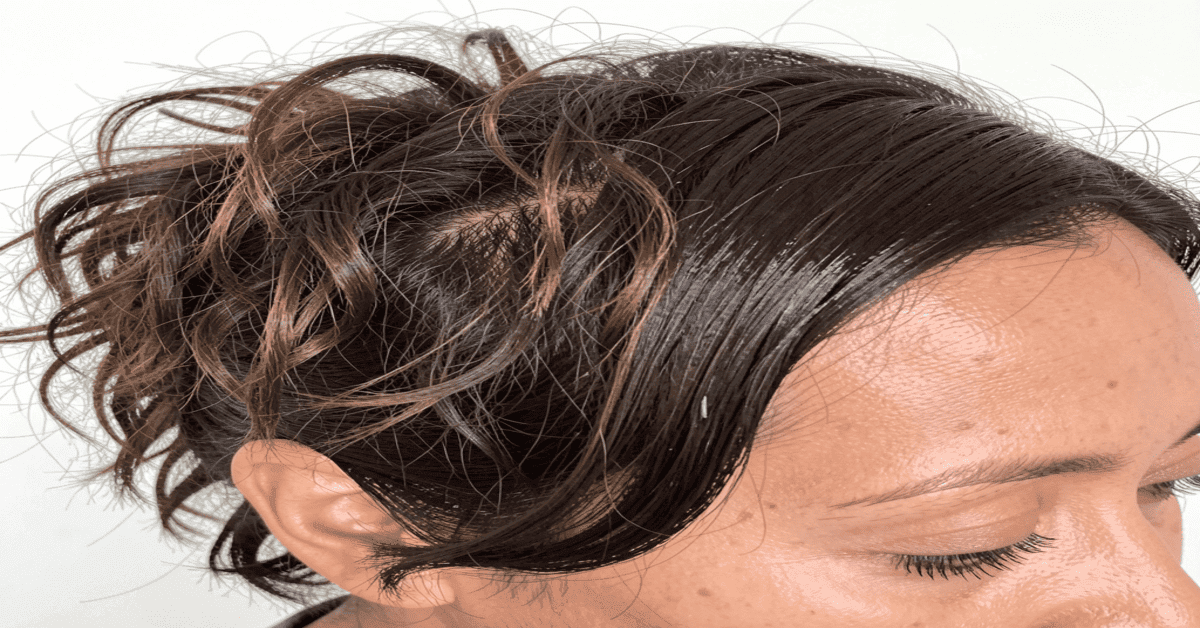
If your hair looks frizzy or has numerous flyaways even after styling, the cuticle is likely damaged. Frizz occurs when the hair’s protective outer layer is raised, causing moisture to escape. Timely top layer hair repair can help smooth the cuticle and restore manageability.
2. Split Ends
Tiny splits along the hair shaft are a classic sign of a damaged cuticle. Split ends indicate that the top layer of your hair is weakened and unable to protect the inner structure. Regular trims combined with protein or moisturizing treatments are essential for top layer hair repair.
3. Rough Texture
When the top layer is broken, hair can feel coarse, dry, or straw-like to the touch. A rough texture is a clear signal that your hair is lacking hydration or protein, both of which are critical for effective top layer hair repair.
4. Dullness
Healthy hair naturally reflects light, giving it a shiny appearance. Dullness, despite having strong inner hair, often means the outer cuticle is compromised. Restorative treatments can help smooth and seal the cuticle, bringing back natural shine.
5. Breakage
Hair that snaps easily during brushing, combing, or styling is a major sign of top layer hair damage. Breakage weakens the overall hair structure, making repair strategies—like deep conditioning, protein masks, or serums—essential for top layer hair repair.
Pro Tip: Spotting these signs early allows you to take action before damage worsens. Combining preventive care with targeted treatments ensures your hair remains strong, smooth, and frizz-free while maximizing the effectiveness of top layer hair repair strategies.
Instant Fixes for Broken Top Layer Hair
If your hair is frizzy, brittle, or damaged, taking immediate action can make a visible difference. Here are proven methods for top layer hair repair that work quickly to restore smoothness, shine, and strength:
1. Deep Conditioning Masks
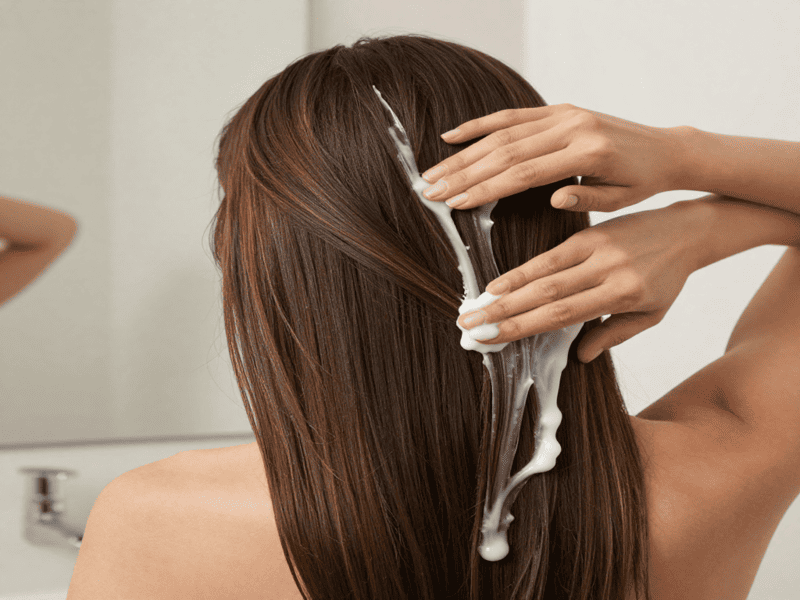
Deep conditioning is one of the most effective ways to repair the outer layer of your hair. Masks enriched with keratin, shea butter, or natural oils penetrate the cuticle, providing hydration and reinforcing hair structure. Apply weekly for 20–30 minutes for best results.
Examples:
Olaplex No. 8 Hair Mask – repairs and strengthens broken strands.
DIY avocado & coconut oil mask – nourishes and smooths frizz naturally.
Regular use supports top layer hair repair and helps prevent future breakage.

K18 Leave-In Molecular Repair Hair Mask
A breakthrough peptide treatment that reverses hair damage from bleach, color, and heat in just 4 minutes.
2. Hair Oils & Serums
Lightweight oils and serums are excellent for smoothing frizz and sealing the cuticle. They form a protective barrier on the hair surface, reducing breakage and enhancing shine.
Popular options:
Kerastase Anti-Breakage Serum
Argan oil
Marula oil
Focus application on damaged strands and tips rather than the scalp.

Kérastase Resistance Serum Thérapiste
A dual-action treatment that repairs the hair fiber instantly and protects against heat up to 450°F.
Consistent use promotes long-lasting top layer hair repair and frizz control.
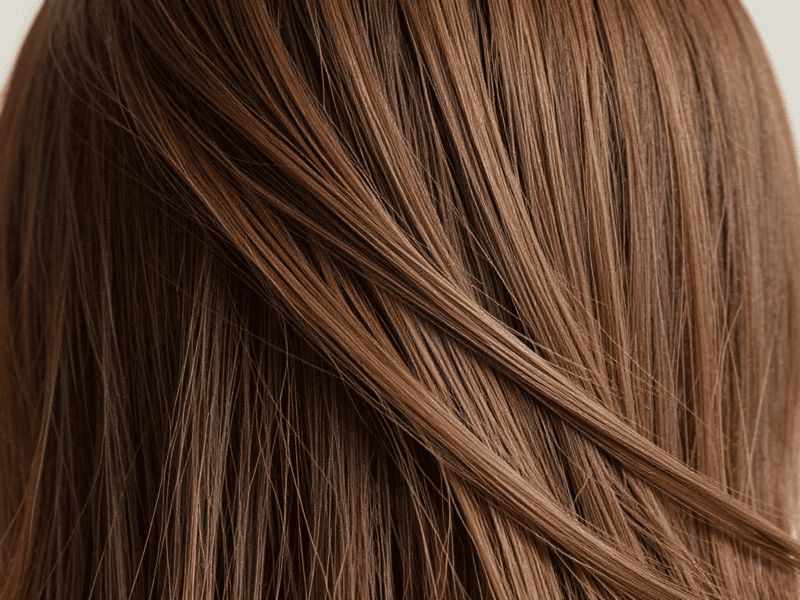
3. Heat Protection
Using heat styling tools without protection can worsen cuticle damage. Always apply a heat protectant spray or serum before using flat irons, blow dryers, or curling wands.
This simple step helps prevent further damage and supports ongoing top layer hair repair.
4. Protein Treatments
Protein treatments strengthen hair fibers, reduce breakage, and rebuild the cuticle. They are especially important if your hair is chemically treated or over-styled.
Options:
♦. Salon keratin treatments
♦. DIY protein masks with egg, yogurt, or collagen-infused products
Regular protein treatments are a key part of top layer hair repair, keeping strands strong and resilient.
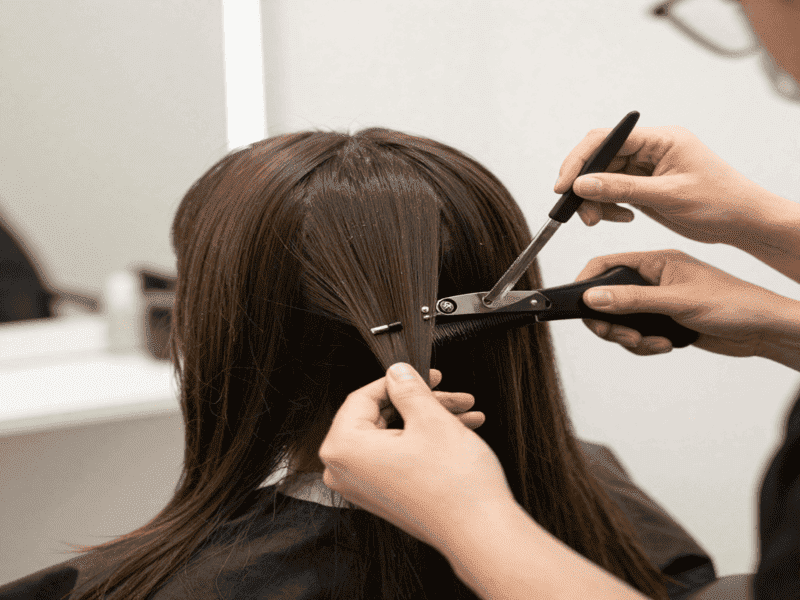
5. Quick Home Remedies
Several natural remedies provide instant results for frizz and broken hair:
Aloe Vera Gel: Hydrates and smooths hair cuticles instantly.
Egg & Yogurt Mask: Restores protein and softness for damaged strands.
Cold Water Rinse: Helps flatten the cuticle for a shinier, smoother appearance.
Incorporating these remedies into your routine complements salon treatments and supports ongoing top layer hair repair.
7 Effective Ways for Top Layer Hair Repair

If your hair is frizzy, brittle, or damaged, taking immediate action can make a visible difference. Here are the 7 proven methods for top layer hair repair that work quickly to restore smoothness, shine, and strength:
- Deep Conditioning Masks: Deep conditioning is one of the most effective ways to repair the outer layer of your hair. Masks enriched with keratin, shea butter, or natural oils penetrate the cuticle, providing hydration and reinforcing hair structure.
- Lightweight Hair Oils & Serums: These are excellent for smoothing frizz and sealing the cuticle instantly. They form a protective barrier on the hair surface, reducing breakage and enhancing shine. Argan and Marula oils are top choices.
- Advanced Bond-Repair Treatments: For structural damage, use bond-repairing products. Unlike regular conditioners, these work at a molecular level to reconnect broken protein bonds in the hair’s top layer.
- Heat Protection Protocols: Always apply a heat protectant spray or serum before using styling tools. This forms a thermal shield that prevents the cuticle from lifting and snapping.
- Protein Reinforcement: Protein treatments strengthen hair fibers and rebuild the cuticle’s integrity. If your hair feels “mushy” when wet, a keratin treatment or DIY collagen mask can provide the necessary structure.
- Mechanical Stress Reduction: Avoid rough towel-drying and aggressive brushing. Use a wide-tooth comb on wet hair and switch to a silk pillowcase to prevent the top layer from fraying.
- Regular Micro-Trimming: Trimming just half an inch every 6–8 weeks removes split ends before they travel up the hair shaft, ensuring your hair remains healthy and manageable.
Quick Reference: Damage Control at a Glance
| Hair Problem | Instant Fix (Quick Result) | Long-Term Solution (Prevention) |
| Frizz & Flyaways | Hair Serum / Argan Oil | Switch to a Silk Pillowcase |
| Split Ends | Bond Repair Cream (Seals temporarily) | Regular Trims (Every 6-8 weeks) |
| Brittle Texture | Deep Conditioning Mask | Balanced Diet (Biotin & Protein) |
| Heat Damage | Heat Protectant Spray | Minimize Use of Styling Tools |
Expert Tips & Do’s and Don’ts for Top Layer Hair Repair
Maintaining the health of your hair’s outer layer requires consistent care. Following these expert do’s and don’ts can maximize top layer hair repair results, prevent further damage, and keep your strands smooth and strong.
Do:
Use Silk Pillowcases: Silk reduces friction while you sleep, preventing frizz, breakage, and cuticle damage. This simple tip supports ongoing top layer hair repair.
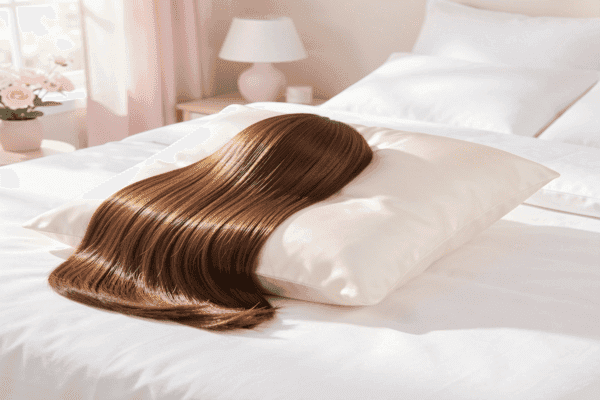
Apply Leave-In Conditioners: After washing, a good leave-in conditioner hydrates and smooths the cuticle, protecting the top layer from dryness and frizz.
Protect Hair from Sun and Chlorine: UV exposure and pool chemicals weaken the cuticle. Wearing hats or using protective sprays ensures your top layer hair repair efforts are not undone.
Don’t:
Brush Wet Hair Aggressively: Wet hair is more fragile, and rough brushing can lift or break the cuticle, making top layer hair repair harder. Use a wide-tooth comb instead.
Overuse Heat Styling Tools: Excessive heat exposure damages the cuticle. Always combine styling with a heat protectant to maintain top layer hair repair.
Skip Protein and Moisture Treatments: Hair needs both hydration and protein to remain strong. Skipping these treatments can slow down or undo your top layer hair repair progress.
Pro Tip: Consistency is key. Following these simple do’s and don’ts along with your regular hair care routine ensures long-lasting results and smooth, healthy strands.
Conclusion
Effective top layer hair repair is possible with the right combination of instant fixes and long-term care.
Deep conditioning masks, nourishing hair oils, heat protection, and protein treatments work together to transform dull, frizzy strands into smooth, strong, and shiny hair. By following these 2026 expert tips, you can restore your hair’s natural beauty, prevent future damage, and maintain healthy, resilient cuticles.
CTA: Start your top layer hair repair journey today—your hair deserves expert care and attention.
FAQ
Q1: Why is only the top layer of my hair frizzy and damaged?
Ans: The top layer of your hair is most exposed to the elements, including UV rays, pollution, and heat from styling tools. It also experiences the most mechanical stress from brushing and towel-drying, leading to a lifted or broken cuticle while the lower layers stay protected.
Q2: Can I fix a broken hair cuticle without cutting it?
Ans: While you cannot “heal” dead tissue, you can “seal” it. Using bond-repair treatments like Olaplex or K18 temporarily rebuilds broken bonds, while serums and silicones smooth the cuticle to prevent further splitting. However, regular trims are still necessary to remove severe split ends.
Q3: How often should I use protein treatments for hair repair?
Ans: For moderately damaged hair, once every 4–6 weeks is usually enough. Overusing protein can make hair brittle (protein overload). Always balance protein treatments with deep moisturizing masks to keep hair flexible and soft.
Q4: Does cold water really help repair hair?
Ans: Cold water doesn’t “repair” the hair, but it helps flatten the cuticle layer. This makes the hair appear shinier and smoother because a flat cuticle reflects more light and traps moisture better than a raised one.
Q5: Is Olaplex worth it for frizzy hair?
Ans: Yes, if your frizz is caused by chemical damage or heat styling. Olaplex works at a molecular level to repair the bonds inside the hair shaft. For frizz caused by natural dryness or humidity, a hydrating leave-in conditioner or anti-humidity spray might be more effective.
Disclaimer
Professional medical or dermatological advice should always be sought before using this article. For individualized advice on hair or scalp treatments, always seek the advice of a licensed healthcare professional.