Iron Deficiency Hair Loss: Ferritin Levels, Symptoms & Regrowth Guide (USA 2026)
The Ultimate Guide to Iron Deficiency Hair Loss: Ferritin, Biology, and Regrowth (USA 2026)
Understanding the Link Between Iron and Hair
Hair is often the first thing the body sacrifices when internal resources are low.
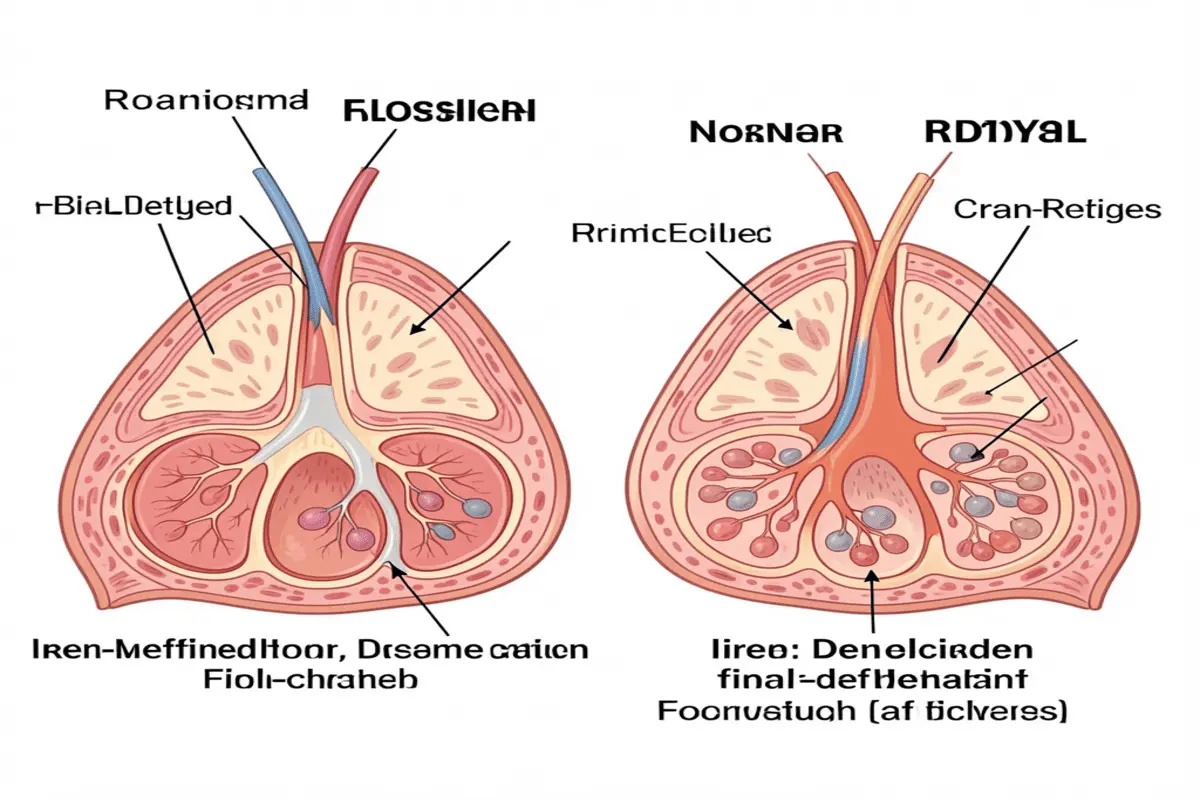
Iron deficiency hair loss is a metabolic response to a lack of essential minerals. Iron is responsible for the production of hemoglobin, the substance in your red blood cells that carries oxygen to every cell in your body.
When you are deficient, your body enters a “metabolic triage” state. It prioritizes oxygen for your “vital” organs—the brain, heart, and lungs. Your hair follicles, which are considered non-essential for survival, are the first to be starved of this life-giving oxygen. This leads to a premature “shutting down” of the hair growth cycle, a condition medically known as Chronic Telogen Effluvium.
The Oxygen-Follicle Connection: Why Cells Stop Dividing
The cells at the base of your hair follicle, known as hair matrix keratinocytes, are among the most rapidly dividing cells in the human body. To keep up this pace, they require an immense amount of energy and oxygen.
- Hemoglobin synthesis: Without enough iron, your body cannot produce sufficient hemoglobin.
- Cellular Hypoxia: This leads to a state of localized “suffocation” for your hair roots.
- DNA Replication: Iron is a critical cofactor for ribonucleotide reductase, an enzyme necessary for DNA synthesis. When iron is low, the “machinery” that builds new hair strands simply grinds to a halt.
Why Women Are Most Affected
In the USA, this specific type of thinning affects nearly 20% of women of childbearing age. Unlike men, women face unique biological and lifestyle challenges that make them significantly more susceptible to nutrient-related shedding.
1. The Monthly Drain: Menstruation and Iron Loss
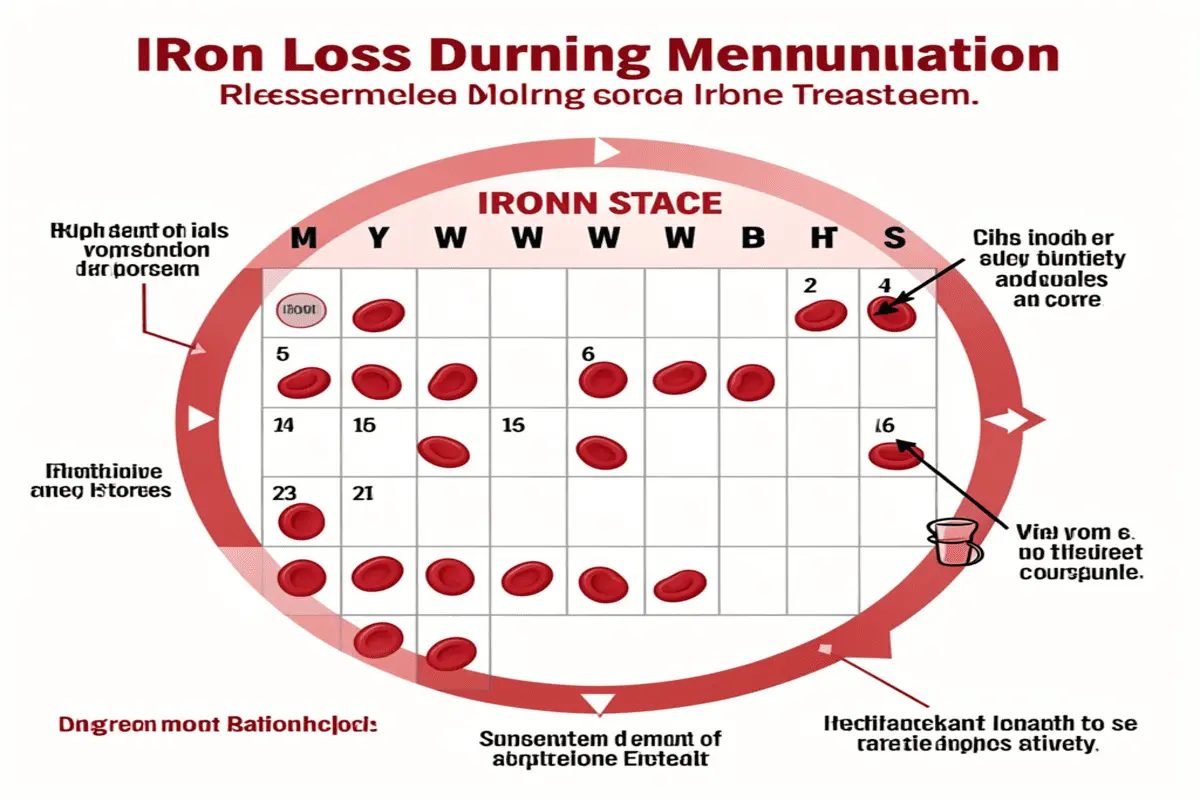
The most common cause of iron deficiency hair loss in pre-menopausal women is blood loss through menstruation.
- The Math of Deficiency: Each month, women lose between 10 to 40 mg of iron. If your diet does not replace this loss, your “ferritin bank account” slowly depletes over years.
- Heavy Periods (Menorrhagia): Women who experience heavy flow (soaking through a pad every hour) are at a 5x higher risk of developing the chronic shedding patterns associated with low iron.
2. The Pregnancy Demand: Supporting Two Lives
During pregnancy a woman’s blood volume increases by nearly 50%. The body requires a massive amount of extra iron to build the baby’s blood supply and the placenta.
- Postpartum Crash: Many women experience “Postpartum Hair Loss” not just because of hormones, but because their iron stores were completely drained during the third trimester and delivery.
3. The “Health-Conscious” Diet Gap
Interestingly, many women in the USA are more likely to follow plant-based or “lean” diets which can inadvertently trigger iron deficiency hair loss.
- Heme vs. Non-Heme: Plant-based iron (non-heme) is absorbed at a rate of only 2–10%, whereas iron from red meat (heme) is absorbed at 30%.
- The Vegetarian Challenge: Even if a woman eats plenty of spinach, the “phytates” in grains and the “polyphenols” in morning tea can block iron absorption, leading to a slow decline in hair density that is often misdiagnosed as “genetic thinning”
4. Psychological Stress and Iron Absorption
The 2026 wellness landscape has highlighted a “stress-iron loop.” High cortisol levels can lead to gut inflammation, which further reduces the body’s ability to absorb iron from food, creating a cycle where stress causes low iron, and low iron causes the physical stress of hair loss.
The Biological Stages of the Hair Cycle
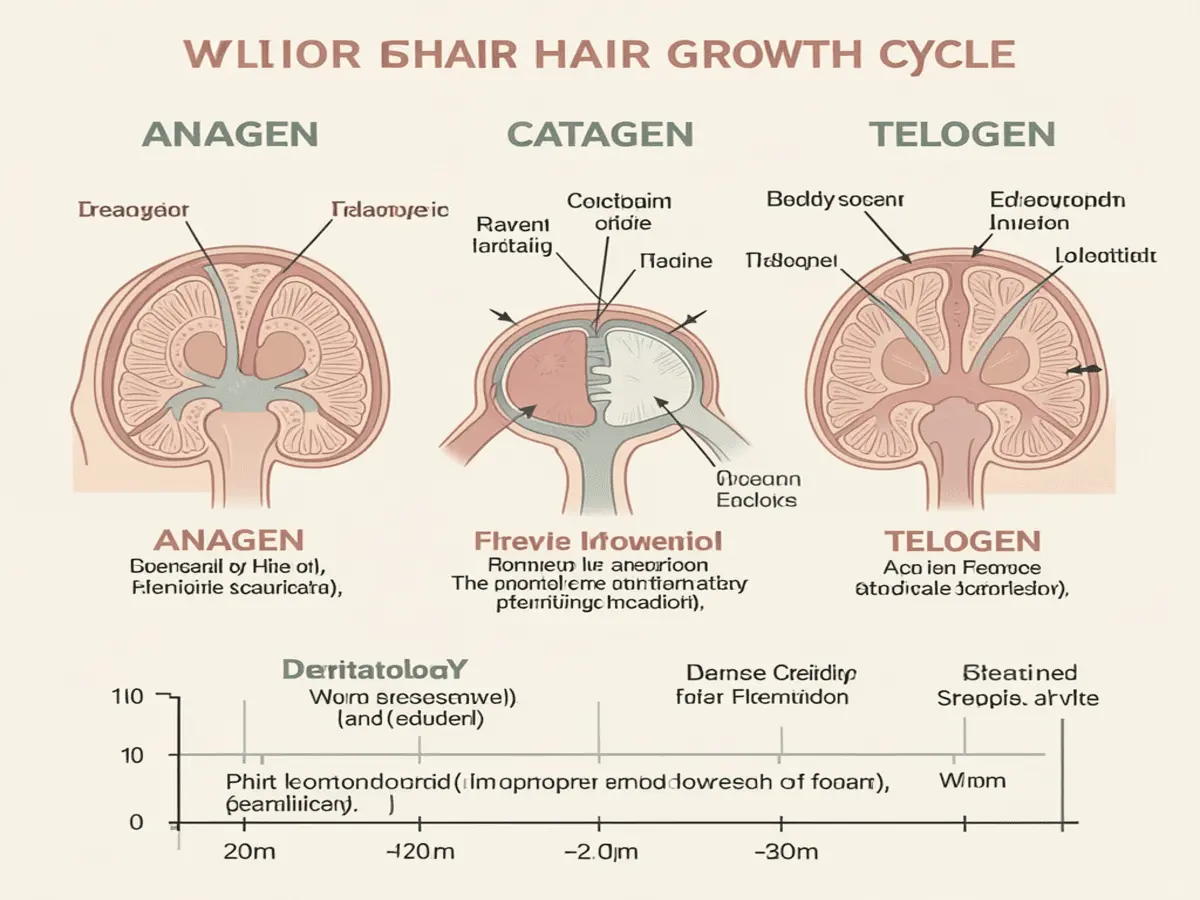
To truly understand why iron deficiency hair loss occurs, we must look at the hair growth cycle. Unlike other cells in the body, hair does not grow continuously. Instead, it grows in distinct cycles, each governed by nutrient availability and hormonal signals.
Shutterstock
Explore
1. The Anagen Phase (The Growth Stage)
This is the active phase where the hair root divides rapidly, adding to the hair shaft.
- Duration: Typically lasts 2–7 years.
- The Iron Role: During this stage, your follicles require a high concentration of ferritin. Iron acts as a catalyst for the metabolic enzymes that fuel this rapid cell division.
- The Impact: When you suffer from iron deficiency hair loss, the Anagen phase is prematurely cut short because the follicle can no longer sustain the energy required for growth.
2. The Catagen Phase (The Transition Stage)
This is a short, intermediate stage that signals the end of active growth.
- Duration: Lasts approximately 2–3 weeks.
- What Happens: The hair follicle shrinks and detaches from the dermal papilla (the blood supply).
- The Impact: A lack of minerals can force hairs into this transition phase much sooner than intended, effectively “evicting” the hair from its nutrient source.
3. The Telogen Phase (The Resting Stage)
This is the final stage where the hair is no longer growing but remains attached to the follicle while a new hair begins to form beneath it.
- Duration: Lasts about 3 months.
- The Shedding Event: At the end of this phase, the old hair is released and falls out (Exogen).
- The Impact: This is where the panic of iron deficiency hair loss sets in. Because the body “shocks” the hair into this phase due to low mineral stores, you don’t see the hair fall out immediately—you see it 90 days later.
The “Shock” Mechanism: How Low Iron Triggers Shedd
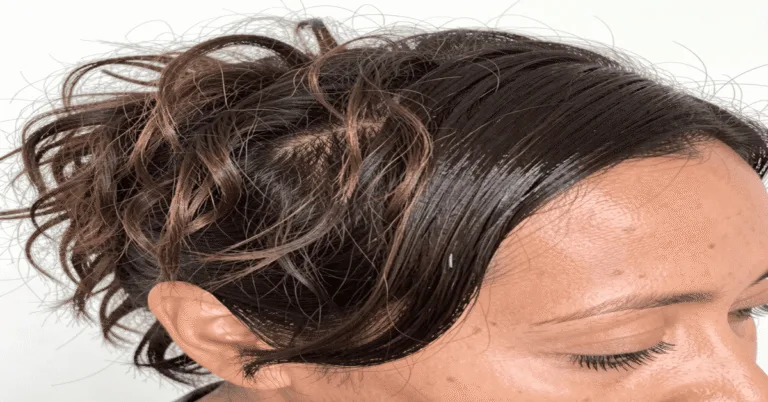
In a healthy individual, about 90% of the scalp hair is in the Anagen phase at any given time. However, a significant drop in ferritin stores acts as a physiological “alarm.” To conserve energy, the body forces a massive percentage of hairs (sometimes up to 30%) out of the growth phase and into the Telogen phase all at once.
Why the Delay Causes Panic
Because the Telogen phase lasts exactly three months, there is a delayed reaction. You might have a high-stress event or a period of poor nutrition in January, but you won’t see the resulting iron deficiency hair loss until April.
Recognizing “Telogen Effluvium”
When this mass shift occurs, it is clinically termed Telogen Effluvium.
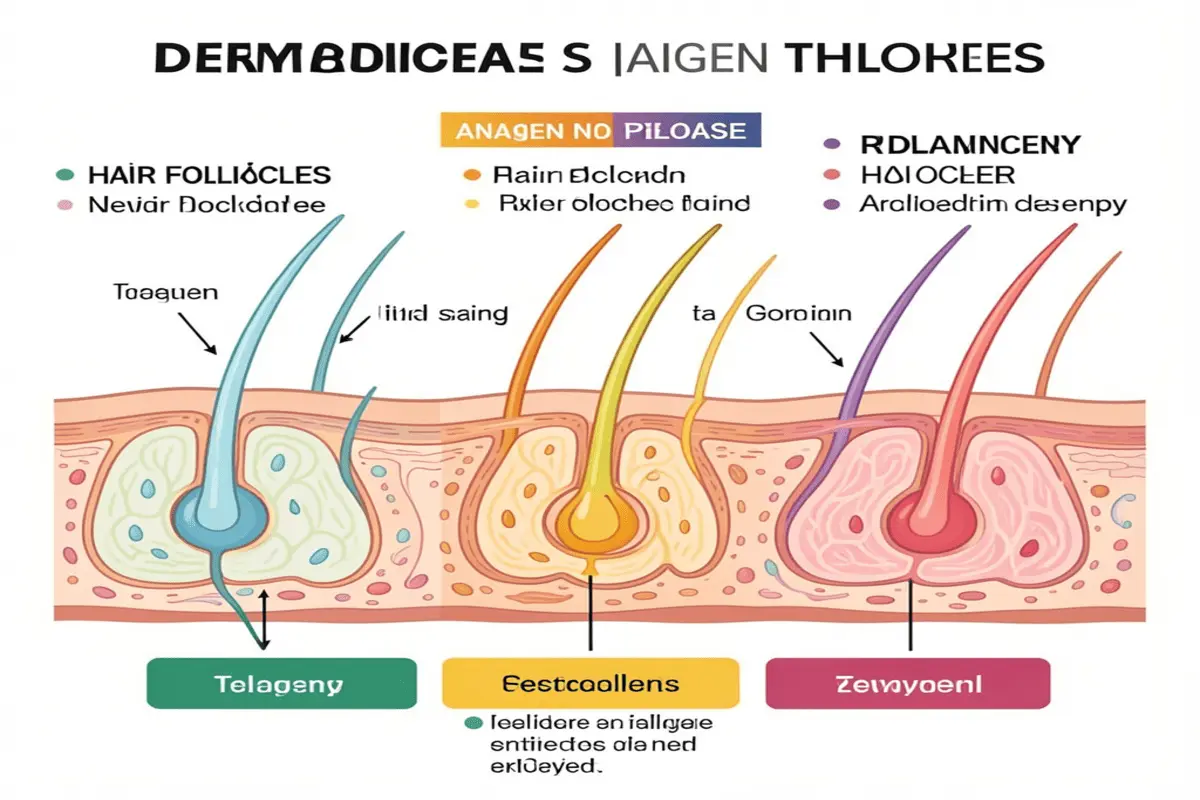
Different from genetic hair thinning that progresses slowly over time, this kind of hair loss appears suddenly and may cause concern.You may notice:
- Shower Hair Loss: Thick strands of hair blocking the drain.
- Brush Accumulation: Having to clean your hairbrush every single day.
- Texture Alterations: The residual hair does not possess its usual “bounce” and appears dry and lifeless (Link to #32)
Can the Cycle Be Reset?
The good news is that the follicle itself is not damaged. In the case of iron deficiency hair loss, the follicle is simply “dormant.” Once the iron-carrying capacity of the blood is restored and ferritin levels reach the “Growth Zone” (70–100 ng/mL), the follicle receives the signal to re-enter the Anagen phase and begin producing a new, strong hair shaft.
Ferritin vs. Serum Iron — The Confusion
One of the most frustrating experiences for women dealing with thinning hair is receiving “normal” blood test results while their hair continues to fall out. You visit your GP, they run a standard panel, and tell you everything is fine. Yet, you continue to see the tell-tale signs of iron deficiency hair loss.
The reason for this disconnect lies in what is being measured. Most standard physicals only look at Serum Iron or Hemoglobin. However, for hair health, these numbers only tell half the story.
What is Serum Iron?
The quantity of iron that is now in your bloodstream is measured by serum iron. While important, this number fluctuates wildly based on what you ate for breakfast or the time of day the blood was drawn. It represents your “immediate cash.”
What is Ferritin? (The Real Key)
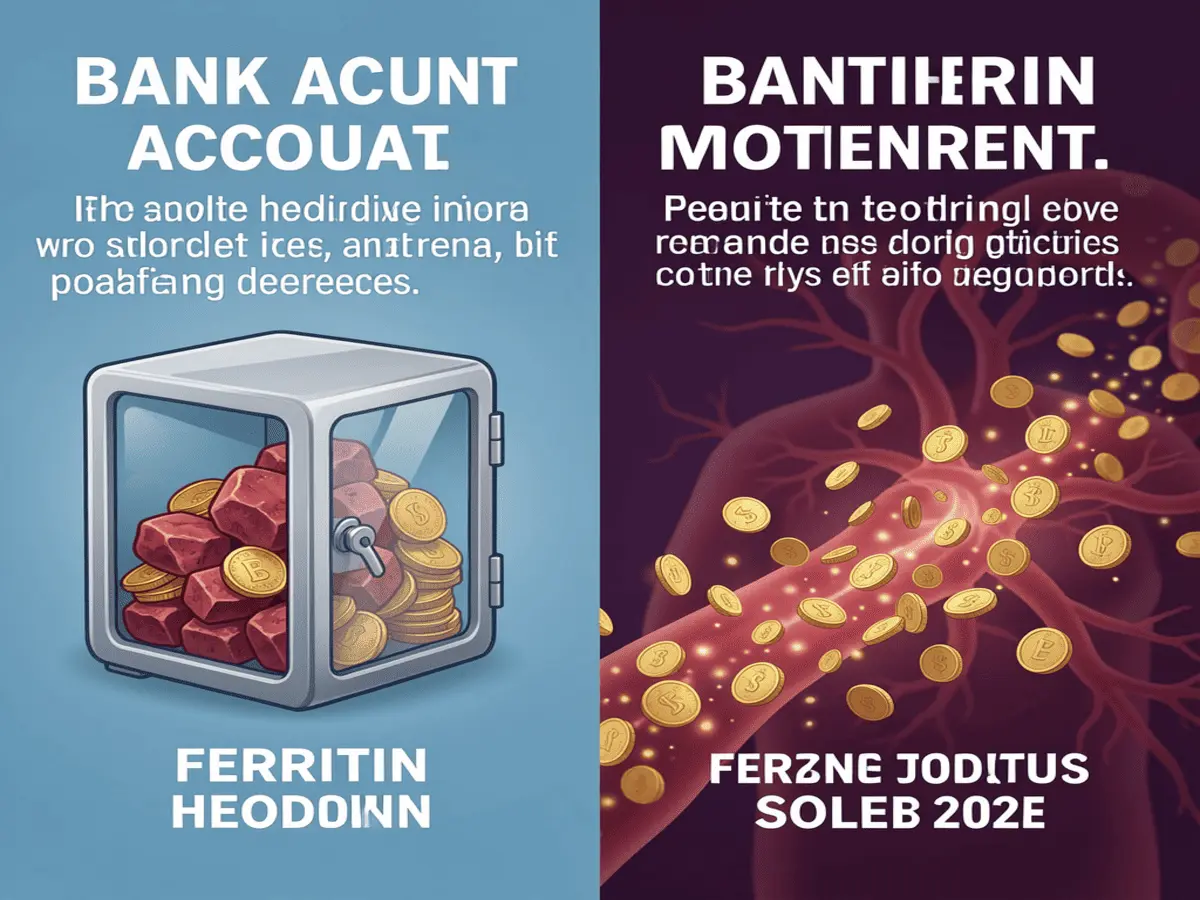
Iron is found in the blood protein ferritin. It is your body’s main method of storing iron for later use.When your body needs to make a new hair cell, it doesn’t look at the iron in your blood; it looks at the “bank” (Ferritin). If the bank is low, the body stops “spending” iron on hair.
The “Savings Account” Metaphor
To understand the mechanics of iron deficiency hair loss, think of your iron levels like your personal finances:
- Serum Iron (Cash in Pocket): This is what you have available for immediate expenses. You might have $50 in your pocket right now, making you feel “financially stable” for the day.
- Ferritin (Savings Account): This is your long-term wealth. If your savings account is at zero, you are in a state of financial crisis, even if you have $50 in your pocket.
Your body is a smart accountant. If it sees that your “Savings Account” (Ferritin) is empty, it immediately cuts “luxury spending.” Since you don’t need hair to survive, your hair follicles are the first department to lose their budget.
Why “Normal” Lab Ranges Fail Your Hair
In the USA, most laboratories list a “normal” Ferritin range as 15 to 150 ng/mL. This is a massive range, and this is where the confusion starts.
A level of 16 ng/mL is technically “normal” for a lab, but it is a “red alert” for your hair. Research in 2026 suggests that the threshold for hair survival is much higher than the threshold for basic organ function.
Optimal 2026 Ranges for Hair Health:
| Ferritin Level | Hair Health Status | Action Required |
| Below 30 ng/mL | Danger Zone: High risk of active iron deficiency hair loss. | Immediate medical consultation and supplementation. |
| 30 – 50 ng/mL | Thinning Zone: “Normal” by lab standards, but often causes chronic shedding and limp hair. | Increase dietary iron and consider a “gentle” supplement. |
| 50 – 70 ng/mL | Maintenance Zone: Shedding usually stops, but new growth may be slow. | Continue iron-rich diet |
| 70 – 100 ng/mL | Regrowth Zone: The “Sweet Spot” where the body feels safe enough to restart the Anagen phase. | Optimal levels for thick, shiny hair. |
What to Ask Your Doctor (The 2026 Checklist)
When you go to the clinic to investigate iron deficiency hair loss, don’t just ask for an “iron test.” Be specific to ensure you get the data needed to save your hair. Request a Complete Iron Panel, which consists of:
- The most significant marker for hair is serum ferritin.
- Total Iron Binding Capacity, or TIBC, indicates if your body is “hungry” for iron.
- Transferrin Saturation: Measures how much iron is actually being transported to your tissues.
- CBC (Complete Blood Count): To check for actual anemia (low hemoglobin).
Pro Tip: Always ask for a printed copy of your results. If your Ferritin is under 50 ng/mL and you are losing hair, you have every right to discuss a treatment plan for iron deficiency hair loss, even if the doctor says you are “in range.”
Accompanying Physical Signs: The Body’s Warning Signals
Because iron is used in almost every metabolic process, iron deficiency hair loss rarely happens in isolation. Your body will provide “clues” through your skin, nails, and even your cravings.
1. Koilonychia (Spoon-Nails)
This is a classic clinical sign of chronic iron depletion. Healthy nails should be slightly convex (curved outward). In advanced cases of iron deficiency hair loss, the nails become thin, brittle, and eventually concave (curved inward like a spoon), capable of holding a drop of water.
2. Pica: The “Ice Craving” Phenomenon
Perhaps the strangest symptom of iron deficiency hair loss is Pica—the overwhelming urge to eat non-food items.
- Pagophagia: The most common form is an intense craving to chew or crunch on ice.
- If you find yourself finishing your drink just to eat the ice cubes, your brain is likely signaling a severe lack of iron.
3. Glossitis and Mouth Health
Your tongue can reveal your internal mineral status.
- The “Smooth” Tongue: Iron is required for the health of the papillae (the small bumps) on your tongue.
- Symptoms: A smooth, sore, or unusually pale tongue (Glossitis) often accompanies iron deficiency hair loss. You might also notice cracks at the corners of your mouth (Angular Cheilitis).
4. Cold Intolerance and Fatigue
Do you wear a sweater while everyone else is in a T-shirt?
- Thermoregulation: Iron is essential for your thyroid to regulate body temperature.
- The Fatigue Loop: Because your blood isn’t carrying enough oxygen, you will feel a “heavy” kind of exhaustion that isn’t fixed by sleep. If you have both “tired blood” and iron deficiency hair loss, your ferritin levels are almost certainly below the required threshold.
Iron Deficiency vs. Other Hair Loss Types
It is important to differentiate iron deficiency hair loss from other conditions to ensure you are using the right treatment:
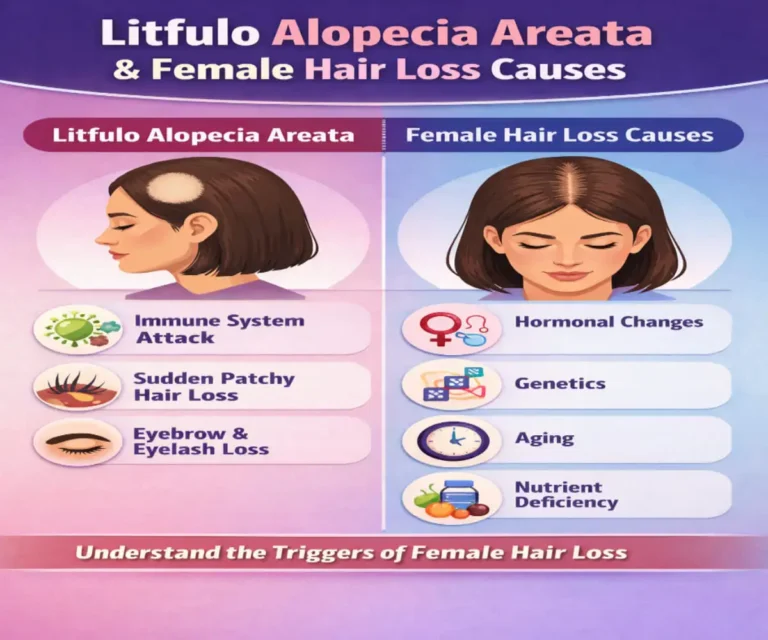
| Feature | Iron Deficiency | PCOS (Link #81) | Alopecia Areata (Link #28) |
| Pattern | Diffuse (All over) | Widened part / Crown | Circular bald patches |
| Scalp | Normal/Dry | Often oily/Acne | Smooth/Shiny |
| Nails | Spoon-shaped | Normal | Pitted/Dented |
| Body Hair | May decrease | May increase (Hirsutism) | May fall out in patches |
The “Texture” Warning
Before the hair actually falls out, iron deficiency hair loss often changes the quality of your hair. A lot of ladies say that their hair turns into:
- Your scalp may become unusually dry because it lacks the necessary nutrients or ‘fuel’ to produce natural oils.
- Limp: The hair shaft loses its elasticity and diameter.
- Loss of Pigment: In some cases, chronic low iron can lead to premature graying or a “dull” appearance because the melanocytes (pigment cells) are deprived of oxygen
The “Absorption Hack” for Recovery
Simply taking a pill isn’t enough. The human gut is notoriously bad at absorbing minerals, often absorbing as little as 10% of what you ingest. To treat iron deficiency hair loss effectively, you must master the biological “hacks” that force your body to take in more iron.
The Power of Heme Iron vs. Non-Heme Iron
Not all iron is created equal. The source of your mineral intake determines how quickly your ferritin levels will rise.
- Heme Iron: Found in animal sources like grass-fed beef, lamb, oysters, and organ meats. It is “pre-packaged” for the human body and is absorbed at a rate of 15–35%.
- Plant-based sources of non-heme iron include spinach, lentils, and fortified cereals. This form is much harder for the body to use, with absorption rates as low as 2–20%.
“If you follow a vegan lifestyle, your risk for iron deficiency hair loss is statistically higher because your body has to work much harder to convert plant-based iron into a usable form.”
The Vitamin C Synergy: The “Acid Trip”
Iron requires an acidic environment to be dissolved and absorbed by the small intestine. Vitamin C (Ascorbic Acid) is the most powerful tool you have to facilitate this.
- The Hack: Always pair your iron-rich meal or supplement with at least 500mg of Vitamin C.
- The Science: Vitamin C prevents the formation of insoluble iron compounds and reduces “ferric” iron to “ferrous” iron, which is the only form your body can absorb to stop iron deficiency hair loss.
The “One-Hour Rule”: Avoiding Iron Blockers
You can eat a steak or take the best supplement in the world, but if you wash it down with a latte, you have essentially neutralized the treatment. To stop the thinning, you must strictly avoid these “blockers” for 60 minutes before and after your iron intake:
1. Tannins (The Coffee & Tea Trap)
Tannins and polyphenols found in coffee, black tea, green tea, and red wine are “chelators.” They bind to iron in the digestive tract and carry it out of the body before it can be absorbed. A single cup of tea can reduce iron absorption by up to 60–90%.
2. Calcium (The Competition)
Calcium and iron use the same “transporters” to enter your cells. When they are present at the same time, calcium almost always wins. If you take your iron supplement with a glass of milk or a yogurt bowl, the calcium will block the iron, leaving your follicles starved and prolonging iron deficiency hair loss.
3. Phytic Acid and Oxalates
Found in “healthy” foods like whole grains, legumes, and even raw spinach. These compounds bind to non-heme iron.
- The Hack: Soak your beans and grains overnight or cook your spinach to reduce these blockers and protect your hair density.
Strategic Food Pairings for Hair Regrowth
To maximize your results, try these “Power Pairs” designed to combat iron deficiency hair loss:
| Iron Source | Vitamin C Booster (The “Hack”) | Avoid This Within 1 Hour |
| Grilled Steak | Squeeze of Fresh Lemon | Red Wine |
| Lentil Soup | Red Bell Peppers | Whole Grain Bread |
| Iron Supplement | Orange Juice (No Calcium) | Morning Coffee/Tea |
| Oysters | Tomato Salsa | Glass of Milk |
Why Gut Health Matters
Your gut lining may be too irritated to absorb iron if you frequently experience bloating or digestive problems. Addressing your gut health is often the ‘missing link’ in treating stubborn iron deficiency hair loss. If your ferritin levels will not budge despite supplementation, you should consult a specialist to check for Celiac disease or low stomach acid.
Supplementation Guide for 2026
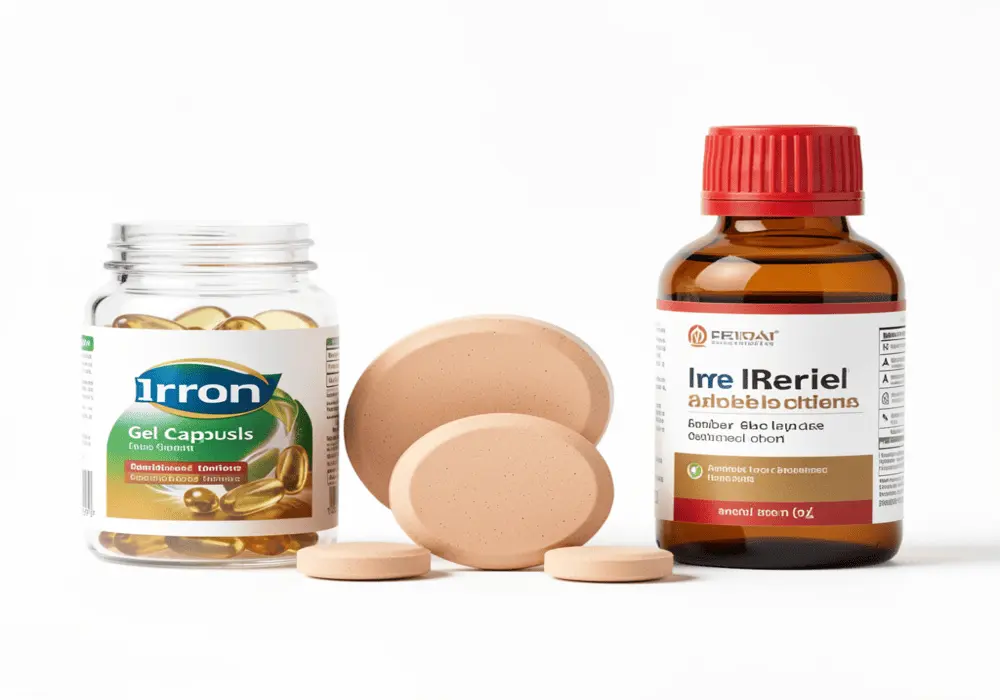
If you’ve ever tried a standard “Iron Sulfate” pill from the drugstore, you probably remember the side effects: nausea, stomach pain, and severe constipation. These older formulas are often poorly absorbed, meaning the iron stays in your gut—causing irritation—rather than entering your bloodstream to stop iron deficiency hair loss.
In 2026, we have better technology. To treat your thinning without the digestive “drama,” look for these three superior forms:
🏆 Top Picks: Best Iron Supplements for Hair Loss (2026)
Doctor Recommended • Highly Rated on Amazon
🥇 Best Overall: MegaFood Blood Builder Iron Supplement
Gentle on stomach with Vitamin C & folate for better absorption.
🥈 Best Gentle Iron: Solgar Gentle Iron (Bisglycinate)
Highly absorbable iron bisglycinate with minimal stomach upset.
🥉 Best Liquid Iron: Floradix Liquid Iron Supplement
Liquid formula with herbs & Vitamin C for faster absorption.
1. Iron Bisglycinate (The Gentle Choice)
This is a “chelated” iron, meaning the iron molecule is bonded to the amino acid glycine.
Why it works: Because it is chelated, it doesn’t break down in the stomach. It waits until it reaches the small intestine, where it is absorbed much more efficiently.
- The Benefit: It is clinically proven to be four times more effective than ferrous sulfate and is significantly easier on the digestive tract.
2. Liquid Iron (The Fast-Track Option)
For those with low stomach acid or sensitive systems, liquid iron is often the best way to reverse iron deficiency hair loss.
- Why it works: Liquids bypass the “breakdown” phase required for tablets.
The Benefit: Many liquid formulations use fruit juice as a base, providing built-in Vitamin C to aid absorption. However, remember to rinse your mouth after taking it, as liquid iron can sometimes stain tooth enamel.3. Heme Iron Polypeptide (The Gold Standard)
If your ferritin is in the “Danger Zone” (below 30 ng/mL), you need the most powerful option available. Animals are the source of heme iron polypeptide.
Why it works: It uses a completely different pathway in the gut called the “Heme Receptor.” It doesn’t compete with other nutrients for absorption.
- The Benefit: It provides the fastest increase in ferritin levels of any oral supplement, making it the top choice for rapid recovery from iron deficiency hair loss.
The Regrowth Timeline (Patience is Key)
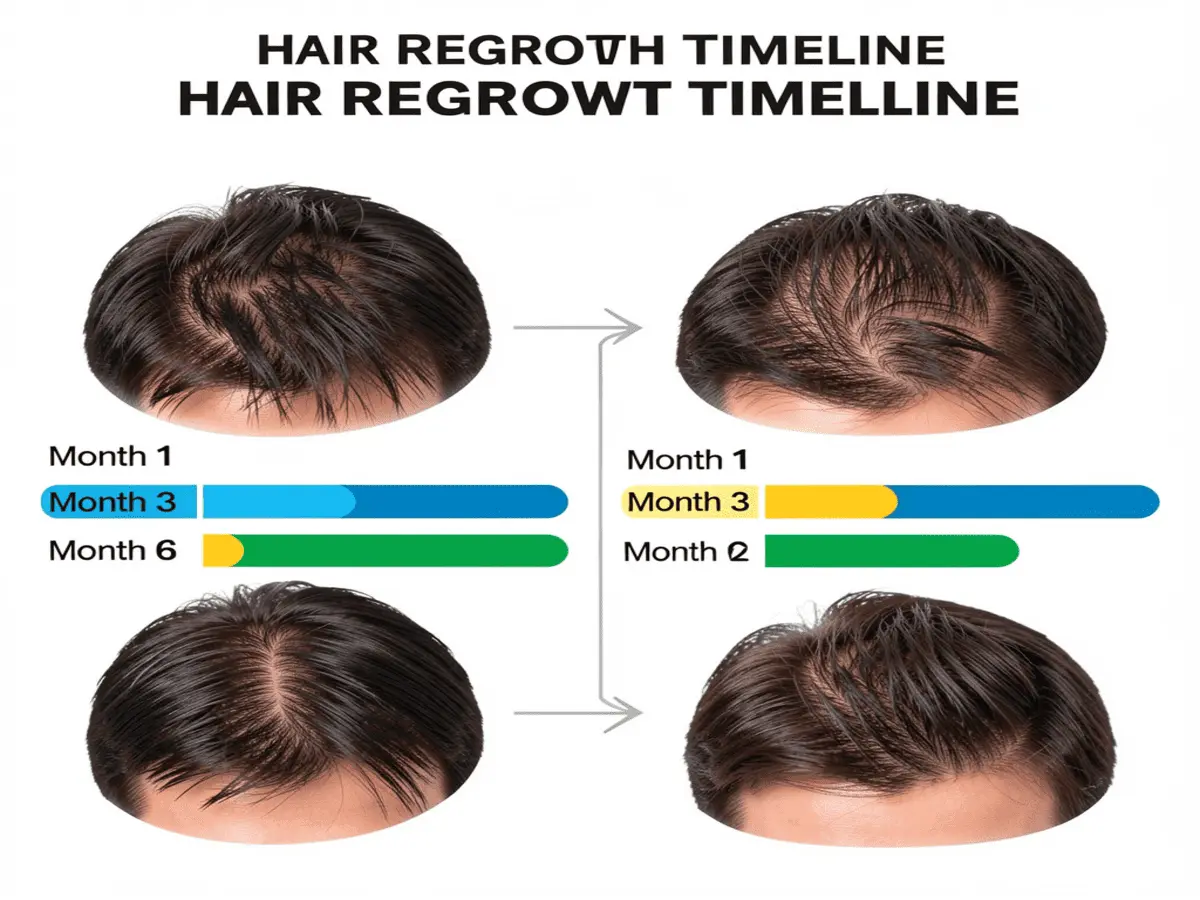
One of the most frustrating parts of recovering from iron deficiency hair loss is the delay between “fixing the blood” and “fixing the hair.” Your body is like a slow-moving ship; it takes time to turn around.
Because the hair cycle operates on a 90-day delay, you must be prepared for the following milestones:
Month 1: The “Internal” Shift
During the first 30 days of supplementation, you probably won’t see a change in your hair. However, you will feel it in your body.
- Energy: A clearing of the “brain fog” will begin.
- Shedding: Unfortunately, the hair that was already pushed into the Telogen phase 3 months ago will continue to fall. Do not panic; this is normal.
Month 3: The Stabilization Phase
By day 90, your ferritin levels should be rising steadily.
- The Stop: This is the “Magic Month” where you should see a significant decrease in daily shedding. There will be less hair in your brush and the drain
- Scalp Health: Your scalp might feel less “tight” or tender as inflammation decreases.
Month 6: The “Baby Hair” Explosion
This is when the visible reward for your patience arrives.
- New Growth: You will see short, fine “baby hairs” sprouting along your hairline, temples, and part line.
- Density: Your ponytail will begin to feel slightly thicker at the base.
- The Secret Weapon: Using a high-quality scalp serum will help “wake up” dormant follicles and nurture new growth during this time
Month 12: Full Recovery
It takes a full year for new hair to grow roughly 6 inches. By now, the iron deficiency hair loss should be gone, and your hair should have returned to its natural strength and luster.
Frequently Asked Questions (FAQs)
Understanding iron deficiency hair loss involves debunking several common beauty myths. Here are the questions most frequently asked by women in the USA in 2026.
Q: Can Biotin fix iron deficiency hair loss?
A: No. While Biotin is a popular supplement for “hair, skin, and nails,” it serves a completely different purpose. Biotin improves the keratin infrastructure of the hair you already have. However, Biotin cannot carry oxygen to the follicle or restart the Anagen (growth) phase. Only restoring your ferritin levels can resolve the root cause of iron deficiency hair loss.
Q: Why does my hair feel so dry, brittle, and frizzy?
A: When your body is low on iron, it slows down the production of sebum, the natural oil your hair needs. The sebaceous glands attached to your hair follicles require oxygen to function properly. Without it, the hair shaft becomes brittle and your scalp remains dry. Fixing the mineral deficiency often restores the “shine” that no conditioner can mimic.
Q: Is it safe to take iron during pregnancy or breastfeeding?
A: Pregnancy and nursing create a massive “iron drain” on the mother’s body. Although taking supplements is often necessary to avoid iron deficiency hair loss and postpartum shedding, you should still consult your OBGYN. They will determine the exact dosage to ensure safety for both you and the baby.
Q: Will my hair grow back exactly as it was before?
A: Yes, in the great majority of situations. Unlike scarring alopecia, the follicles in iron deficiency hair loss remain alive; they are simply “hibernating.” Once your ferritin stays in the 70-100 ng/mL range for several months, the follicles will resume their normal density and diameter.
Conclusion: Your Roadmap to Recovery
Battling iron deficiency hair loss is a marathon, not a sprint. It requires a combination of medical data, nutritional strategy, and immense patience. By moving your ferritin from the “Danger Zone” to the “Growth Zone,” you are not just fixing your hair—you are revitalizing your entire body’s energy and health.
The “Save Your Hair” Summary Checklist:
- Get Tested: Ask for a Full Iron Panel, specifically checking for Ferritin.
- Audit Your Diet: Increase your intake of heme iron from sources like beef and oysters, or double down on non-heme sources by pairing them with Vitamin C for better absorption.
- The Absorption Hack: Follow the “One-Hour Rule”—no coffee or dairy near your iron intake.
- Supplement Smarter: Switch to Iron Bisglycinate or Heme Polypeptide if standard pills hurt your stomach.
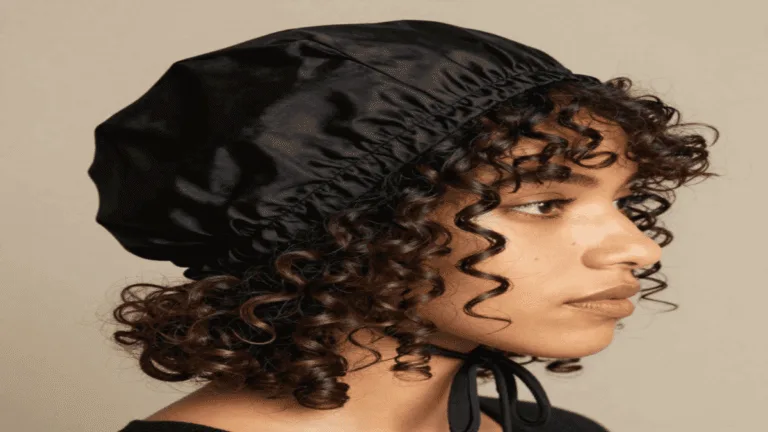
- Support Externally: Use a scalp growth serum and protect your remaining hair with a silk bonnet
- Be Patient: Wait at least 90 days to see the shedding stop and 180 days to see new growth.
Disclaimer
This guide on iron deficiency hair loss is for educational purposes only and is not a substitute for professional medical advice, diagnosis, or treatment. Always seek the advice of your physician or a qualified health provider with any questions you may have regarding a medical condition or the use of supplements.