Perioral Hyperpigmentation: 6 Causes & How to Fix Dark Skin Around Mouth
How to Treat Perioral Hyperpigmentation: The Reasons Behind the Dark Skin Around Your Mouth

Introduction
The Hook: You can have the clearest, most radiant cheeks on earth, but a two-tone shadow around your mouth makes you look constantly tired, dull, and older than you actually are. It’s frustrating, confusing, and surprisingly common.
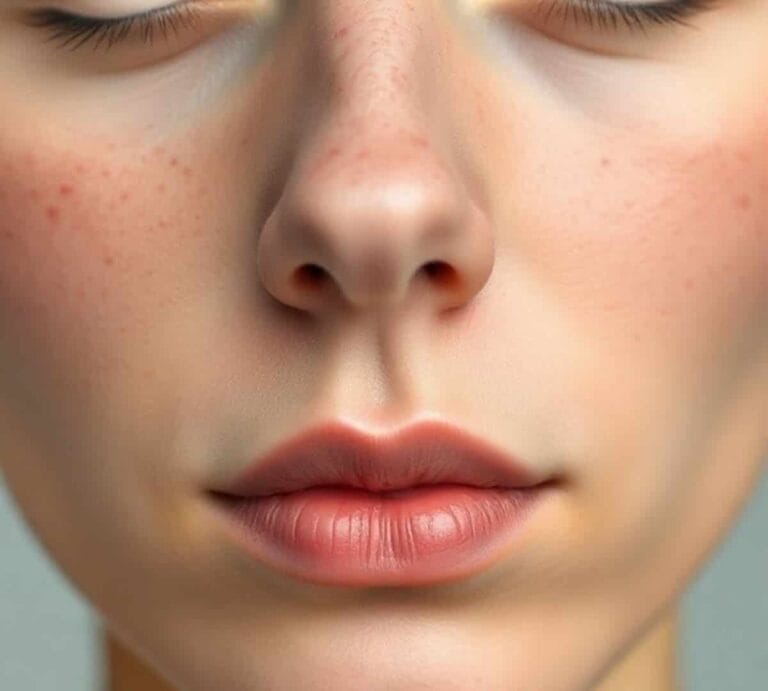
Defining the Issue: Perioral hyperpigmentation is the medical term for darkening of the skin around the lips and mouth area. In plain English—it’s that stubborn brownish or grayish shadow that refuses to fade no matter what brightening cream you throw at it.
The Core Truth: Here’s why normal dark-spot correctors often fail miserably here—the skin around your mouth is anatomically thinner, highly mobile, and constantly exposed to moisture, friction, and digestive enzymes. What works on your cheeks can actually burn this delicate zone, making the darkness worse. Understanding perioral hyperpigmentation starts with recognizing these unique challenges.
Article Promise: This guide delivers a step-by-step breakdown of the root causes and safe, non-burning solutions that actually work—no harsh actives, no DIY disasters, just dermatologist-backed strategies to treat perioral hyperpigmentation effectively.
The 6 Hidden Causes of Darkness Around Your Mouth
Before you can treat perioral hyperpigmentation, you need to understand what’s causing it. Here are the six most common triggers:
1. The “Saliva Trap” (Lip-Licking Dermatitis)
You might not even realize you’re doing it, but repeatedly licking your lips introduces digestive enzymes from your saliva directly onto the skin. These enzymes silently destroy your skin barrier, triggering inflammation followed by post-inflammatory pigment that settles right around your mouth.
2. Your Toothpaste (The Sneaky Culprit)
Sodium Lauryl Sulfate (SLS) and fluoride—common ingredients in most toothpaste—can cause microchemical burns at the corners of your mouth. Over time, this repeated irritation leads to darkening that many women mistake for something else entirely.
3. Friction & Hair Removal
The trauma caused by upper-lip threading, hot wax, or aggressively wiping your mouth with coarse napkins all adds up. Each session creates microscopic tears in the skin, and every tear leaves behind pigment as it heals.
4. Post-Inflammatory Hyperpigmentation (PIH)
That shadow around your mouth could be the leftover ghost of a past breakout, a cold sore, or cracked corners from angular cheilitis. Once inflammation occurs, melanocytes go into overdrive and leave their mark.
5. Hormonal & Internal Triggers
Sometimes the darkness isn’t topical at all. Melasma (hormonal pigmentation), acanthosis nigricans (linked to insulin resistance), or deficiencies in vitamin B12, folate, or iron can all manifest as darkness around the mouth.
6. The Sunscreen Blindspot
Here’s something most people overlook—you subconsciously wipe SPF off your mouth area all day long. Every time you talk, drink coffee, eat lunch, or lick your lips, you’re removing protection, leaving this zone vulnerable to UV damage that deepens pigmentation.
These six factors are the most common triggers of perioral hyperpigmentation—and identifying yours is the first step toward fixing it.
The “Do’s”—5 Ingredients That Actually Work Here
⚠️ Crucial Note: Aggressive actives WILL burn this area and make it darker. Forget everything you know about heavy-duty brightening—this zone requires surgical precision with gentle ingredients. When treating perioral hyperpigmentation, these five ingredients are your best allies:
1. Azelaic Acid (10%–15%)
The Gold Standard. Azelaic acid is the undisputed champion for perioral hyperpigmentation. It calms inflammation while simultaneously telling pigment-producing cells (melanocytes) to stop over-producing. It’s gentle enough for sensitive skin yet effective enough to fade stubborn shadows.

Our Top Recommendation
Azelaic Acid 10% Suspension / Gentle Cream
A dermatologist-approved, non-burning formula perfect for fading the stubborn shadow around the mouth and calming skin irritation safely.
2. Niacinamide (2%–5%)
This powerhouse rebuilds your broken barrier while blocking pigment transfer from deeper layers to the surface. It’s the ultimate double agent—healing and brightening simultaneously.
3. Alpha Arbutin or Kojic Acid
These are safe, non-irritating tyrosinase inhibitors. They work by interrupting the pigment production process at its source, without the irritation that hydroquinone can cause.
4. Mandelic Acid or PHAs
These are the only chemical exfoliants gentle enough for the mouth zone. Warning: Never use harsh glycolic acid here—it’s far too aggressive for this thin, mobile skin and will cause rebound hyperpigmentation.
5. Zinc Oxide (Mineral SPF)
This isn’t just sunscreen—it’s a physical shield that protects against both UV rays AND visible light (HEV/blue light). Mineral formulations sit on top of the skin, providing a protective barrier that chemical sunscreens simply can’t match for this sensitive area.
The “Don’ts”—What is Making Your Mouth Darker?
Avoid these mistakes if you want to successfully treat perioral hyperpigmentation:
❌ Stop using 2% Salicylic Acid or 10% Glycolic Acid directly on the mouth folds. These will strip your barrier and trigger more pigment.
❌ Stop using undiluted essential oils—no tea tree, no lemon DIY hacks, no cinnamon, or peppermint. These are photosensitizing and highly irritating.
❌ Stop applying standard retinol to the corners of your mouth without using the “sandwich method” (moisturizer-retinol-moisturizer). Even then, proceed with extreme caution.
❌ Stop physical scrubbing with walnut-shell scrubs or gritty exfoliants. You’re creating micro-tears that will heal as dark spots.
The 4-Step “Perioral Reset” Daily Routine
This daily routine is specifically designed to target perioral hyperpigmentation safely and effectively:
The Morning Protocol:
Step 1: The Toothpaste Rule
Before washing your face, brush your teeth. This ensures you wash away any stray fluoride or SLS residue that could irritate the area.
Step 2: Apply a soothing niacinamide (2-5%) or azelaic acid (10-15%) serum around the mouth area.
Step 3: Lock everything in with a ceramide-rich moisturizer to reinforce your barrier.
Step 4: Apply Mineral SPF 30+ (zinc oxide or titanium dioxide) and reapply after lunch—this is non-negotiable.
The Evening Protocol:
Step 1: Gentle cleanse with a non-foaming, sulfate-free cleanser.
Step 2: Apply your treatment active (Alpha Arbutin or Mandelic Acid)—choose ONE, not both.
Step 3: The Corner Slug: Put a tiny dab of plain Vaseline or CeraVe Healing Ointment strictly on the outer corners of your lips before sleeping. This creates a protective seal that prevents moisture loss and allows overnight repair.
Lifestyle “Micro-Habits” for Fast Results
These micro-habits can accelerate your perioral hyperpigmentation treatment:
The Pre-Meal Barrier
Before eating highly acidic foods (mangoes, citrus fruits, vinegar-heavy dressings, or spicy salsa), apply a plain lip balm slightly outside your lip line. This creates a buffer zone that protects your skin from irritating food acids.
The Hair Removal Pivot
Switch from threading/hot wax to a sterile dermaplaning razor or invest in laser hair removal. Threading and waxing cause repeated trauma to the upper lip area, and each session triggers melanocyte activity.
The Chin-Resting Ban
Stop leaning your mouth or chin on your knuckles while sitting at your desk. The constant pressure and friction from your hands (which carry bacteria and oils) create low-grade inflammation that darkens pigment over time.
Frequently Asked Questions
How long does it take to get rid of hyperpigmentation around the mouth?
Set realistic expectations: 8 to 12 weeks of daily consistency. This is a high-motion zone—you talk, eat, and drink all day—so healing takes longer than the forehead or cheeks. When treating perioral hyperpigmentation, you’ll see lightening starting around weeks 4-6, with significant results by week 12.
Can a vitamin deficiency cause darkness around the mouth?
Yes. Deficiencies in vitamin B12, folate, and iron can all manifest as perioral hyperpigmentation. If your pigmentation appeared suddenly, is symmetrical, and doesn’t respond to topical treatments, get your blood work checked.
Why did my skin get darker after I started using a brightening cream?
This is called irritation-induced PIH. Your skin is reacting to harsh ingredients with inflammation, and inflammation always triggers more pigment. Stop using whatever you started, scale back to basic barrier repair, and reintroduce gentle actives slowly.
Conclusion
The skin around your mouth is what dermatologists call a “high-motion zone.” It takes longer to heal than your forehead because you’re constantly talking, eating, drinking, and making facial expressions throughout the day. This constant movement means slower cellular turnover and more opportunity for irritation.
Treating perioral hyperpigmentation requires patience, but it is absolutely achievable.
The final word: Consistency over intensity. You don’t need aggressive peels or harsh brighteners—you need patience, gentle ingredients, and strict sun protection. Give your skin the time it needs, and the shadow will fade.
Disclaimer
This article does not provide medical advice; it is merely meant to be informative. Always consult a board-certified dermatologist before starting any new skincare treatment, especially if you are pregnant, nursing, or have a history of skin conditions.