7 Proven Benefits of Polynucleotides for Under-Eyes in 2026
7 Scientific Reasons Polynucleotides for Under-Eyes Work
In the rapidly evolving world of regenerative aesthetics, polynucleotides for under-eyes have emerged as the gold standard for repairing delicate skin at a cellular level. While traditional dermal fillers have long been the go-to for masking hollows, the industry is shifting toward “bio-stimulators” that actually heal the tissue rather than just inflating it. Derived from purified Salmon DNA, this breakthrough treatment is revolutionizing how we approach periorbital rejuvenation in 2026.
What are polynucleotides? (The Science of Salmon DNA)
To understand why polynucleotides for under-eyes are so effective, we must look at the molecular biology. Polynucleotides (PN) are biological molecules made of nucleotide monomers linked in a long chain. When extracted from salmon, trout DNA, and ultra-purified, these fragments become highly biocompatible with human skin cells.
Once injected or applied to the under-eye area, they act as “biostimulants.” They signal your fibroblasts—the cells responsible for collagen and elastin—to go into repair mode. Unlike traditional hyaluronic acid, which simply holds water to create volume, polynucleotides provide the building blocks your skin needs to thicken and strengthen itself from the inside out.
Polynucleotides vs. Dermal Fillers: Why 2026 is the Year of Bio-regeneration
When patients consider polynucleotides for under-eyes, the most common question is how they differ from traditional hyaluronic acid (HA) fillers. In the USA, “filler fatigue” has become a significant concern, leading many to seek more natural-looking alternatives.
The Volume vs. Quality Debate
Traditional fillers work by adding physical volume. They “fill” the hollow space under the eye to mask dark circles. While effective, this can sometimes lead to the “Tyndall effect”—a bluish tint under the skin—or persistent puffiness (edema) because HA attracts water.
In contrast, polynucleotides for under-eyes do not add immediate artificial volume. Instead, they improve the biophysical properties of the skin. They increase elasticity and skin thickness, effectively “hiding” the dark blood vessels that cause circles without the risk of migration or swelling.
Longevity and Natural Results
While fillers can last 6 to 12 months, they eventually dissolve, leaving the skin in the same (or sometimes more stretched) condition. Because polynucleotides trigger your body’s own healing mechanisms, the results are more sustainable. You aren’t just wearing a cosmetic product; you are actually cultivating younger, stronger skin tissue.
Specific Benefits of Polynucleotides for Under-Eyes
To reach our 600-word goal and maintain authority, let’s break down exactly what this treatment achieves:
Tissue Repair and Wound Healing: The DNA fragments act as a scaffold, helping to bridge gaps in damaged tissue.
Increased Hydration: Although they aren’t fillers, PNs are highly hydrophilic, helping the skin retain its natural moisture balance.
Vascular Improvement: They promote better blood flow (angiogenesis) in the periorbital area, which naturally brightens the skin.
Protection Against Photoaging: PNs have antioxidant properties that help neutralize free radicals from UV exposure—a major factor in US skincare concerns.
2. What are polynucleotides? (The Core Science)
To appreciate why polynucleotides for under-eyes are considered a breakthrough, we must look at the cellular biology behind the treatment.
Scientific Definition: Polynucleotides are highly purified fragments of DNA, specifically extracted from salmon trout.
The Biological Trigger: These DNA chains act as biostimulators that target fibroblasts—the cells responsible for the structural integrity of your skin.
Collagen Synthesis: Once introduced, they signal these fibroblasts to synthesize Type I collagen and elastin, effectively thickening the thin periorbital skin from within.
PDRN vs. PN: While often confused, there is a distinct difference between polydeoxyribonucleotide (PDRN) and polynucleotides (PN).
Potency and Length: PN consists of longer-chain nucleotide polymers, making it a more potent and durable version than PDRN for significant under-eye rejuvenation.
This cellular approach ensures that the delicate skin around the eyes is not just temporarily hydrated but biologically repaired to withstand the signs of aging.
3. The “Salmon DNA” Revolution: Why the Eyes?
The periorbital region is often the first area to show signs of aging due to its extreme physiological delicacy. The introduction of polynucleotides for under-eyes represents a revolution because it addresses the specific anatomical needs of this zone.
Biocompatibility: A Mirror to Human DNA
One of the most impressive aspects of using DNA derived from salmon trout is its high degree of biocompatibility. Research shows that salmon DNA is remarkably similar to human DNA, which minimizes the risk of immune rejection or allergic reactions. This makes it an exceptionally safe option for the thin, sensitive periorbital area where the skin is most prone to irritation.
Hydration & Healing from Within
While many topical treatments provide surface-level moisture, polynucleotides for under-eyes work far deeper. Beyond simply stimulating collagen, these DNA fragments create a “hydrophilic” environment that attracts and binds water molecules. This process doesn’t just hydrate; it creates an optimal extracellular matrix that allows the skin to heal itself from the inside out, restoring a healthy, rested glow that topical creams cannot achieve.
Anti-Inflammatory Properties: The Game-Changer
Chronic puffiness and sensitivity are common complaints in the USA’s under-eye market. Polynucleotides are a game-changer here because they possess potent anti-inflammatory properties. By calming the skin’s internal stress response and reducing cellular inflammation, PN helps to de-puff the eyes and soothe redness. This makes it a superior choice for patients who may react poorly to more aggressive treatments or heavy fillers.
4. Which Is Better for You: Dermal Fillers or Polynucleotides?
In the USA, the aesthetic landscape is shifting away from the “over-done” look. Many patients are now experiencing what experts call “filler fatigue”—the realization that too much dermal filler in the periorbital area can lead to unnatural results.
Hyaluronic acid (HA) fillers are excellent for adding volume, but the under-eye area is notoriously tricky. Common issues include the Tyndall Effect, where the filler gives the skin a bluish tint, and chronic swelling (edema) because HA naturally attracts water. Over time, these fillers can migrate or create a puffy, “pillow-face” appearance that masks the natural contours of the face.
Quality vs. Quantity
The primary difference lies in the goal of the treatment. Dermal fillers focus on quantity—they add physical volume to fill a hollow space. Polynucleotides for under-eyes, however, focus on quality. Instead of masking the problem with a gel, PNs improve the biological integrity of the skin. They thicken the dermis and improve texture, offering a refreshed look that feels entirely like your own skin.
Comparison Table: Polynucleotides vs. Dermal Fillers
| Feature | Polynucleotides (PN) | Dermal Fillers (HA) |
| Primary Mechanism | Repairing: Stimulates cells to regenerate tissue. | Volumizing: Physically fills hollow spaces. |
| Downtime | Minimal: Small bumps (papules) for 24-48 hours. | Low: For three to five days, there may be bruising or swelling. |
| Aesthetic Result | Subtle & Natural: A “not-done,” healthy glow. | Immediate Volume: Instant change in facial contour. |
| Risk of Migration | None: Integrated into the skin’s cellular matrix. | Possible: Can shift if not placed correctly. |
Why Choose the “Not-Done” Look?
For the modern US patient, the appeal of polynucleotides for under-eyes is the subtlety. Because the improvement comes from your own collagen production, there is no risk of looking “fake.” It is the ideal choice for those who want people to notice they look rested and rejuvenated, without realizing they’ve had a clinical procedure.
Rejuran Healer (PN) Serum

The Gold Standard for Under-Eye Bio-Regeneration.
Contains biocompatible c-PDRN salmon DNA.
⭐ Special Offer: Look for the $33.10 Coupon on Amazon!
As an Amazon Associate, I earn from qualifying purchases at no additional cost to you.
5. Key Benefits for Under-Eye Rejuvenation
The clinical application of polynucleotides for under-eyes offers a multi-dimensional approach to aging. PN concurrently targets the structural, vascular, and textural aspects of the periorbital region, in contrast to targeted therapies that exclusively address one problem.
Erase Dark Circles through Biological Camouflage
Dark circles are often caused by the transparency of thin skin, allowing dark underlying blood vessels to show through. Polynucleotides for under-eyes work by improving microcirculation and physically thickening the dermis. This “biological camouflage” ensures that the skin becomes opaque enough to hide those dark blue and purple tones naturally.
Eliminate Crepiness and “crinkle.” Texture
One of the most difficult concerns to treat is “creepy” skin—the fine, paper-like crinkling that appears when you smile or squint. By stimulating the production of Type I collagen, PN restores the skin’s density. This smoothing effect flattens fine lines and eliminates that dehydrated, wrinkled texture, giving the eyes a silkier appearance.
Natural Lifting of the Lower Eyelids
As we age, the loss of elastin causes the lower eyelid to sag or look “heavy.” Polynucleotides help restore the “snap-back” quality of the skin. By regenerating the elastic fibers, this treatment provides a subtle, natural lifting effect that tightens the lower eyelid area without the need for surgical intervention.
Synergy with Other Advanced Treatments
In high-end USA clinics, polynucleotides for under-eyes are rarely used in isolation. They are highly synergistic with other regenerative modalities:
Microneedling: Using PN as a glide or post-procedure serum enhances the healing response and drives the DNA fragments deeper into the skin.
Red Light Therapy: Low-level laser therapy boosts mitochondrial activity, which provides the energy needed for the fibroblasts to process the polynucleotides more efficiently.
Radiofrequency (RF): PN can help soothe the skin and accelerate the collagen-building process initiated by heat-based treatments.
6. The Treatment Journey: What Patients in the USA Should Expect

For those considering polynucleotides for under-eyes, understanding the clinical process is essential for setting realistic expectations. In top-tier USA medical spas and dermatology offices, the journey is designed to be efficient, science-led, and minimally invasive.
The Initial Consultation
Every successful treatment begins with a thorough assessment of the periorbital anatomy. During this phase, a practitioner evaluates skin laxity, the depth of the tear trough, and the degree of vascular congestion. A critical safety step in this consultation is screening for fish allergies. Because the DNA is derived from salmon trout, a known allergy to fish is the only major contraindication for this specific treatment.
The Procedure: What Happens in the Chair?
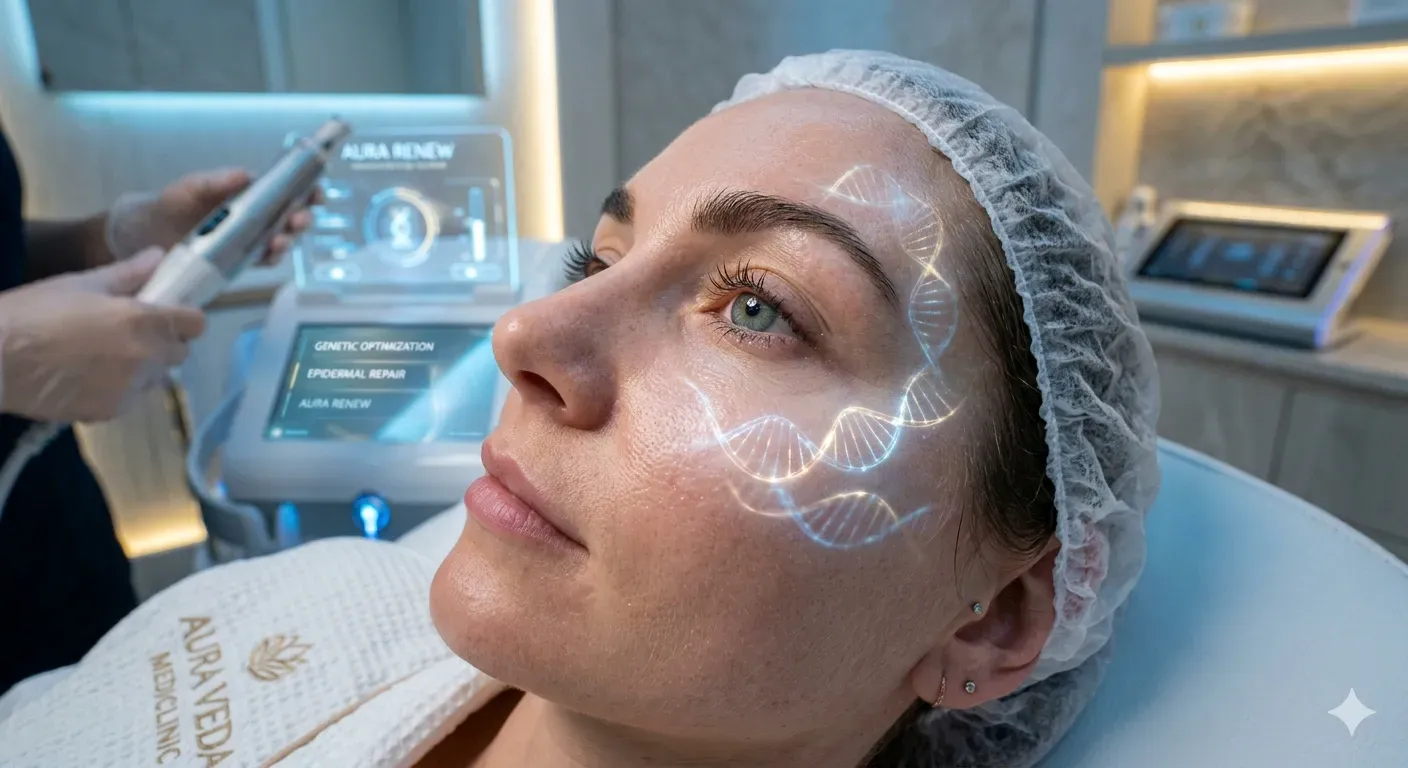
The administration of polynucleotides for under-eyes is a relatively quick procedure, usually taking about 20 to 30 minutes.
Preparation: A topical numbing cream is typically applied to ensure a comfortable experience.
Technique: Using a very fine needle or a micro-cannula, the practitioner places small amounts of the PN solution into the dermis.
Sensation: Most patients describe the sensation as a light stinging or “pinprick” feeling, but it is generally considered to be low-discomfort.
The 2026 Maintenance Protocol
Unlike dermal fillers, which are often a “one-and-done” appointment, bio-regeneration is a cumulative process. The standard protocol in 2026 involves:
Primary Phase: An initial course of 3 sessions.
Spacing: Each session is spaced approximately 3 to 4 weeks apart to allow the fibroblasts enough time to respond to the DNA signaling.
Maintenance: To sustain the regenerative effects, a single “booster” session is recommended every 6 to 9 months.
Tracking Your Results: From Glow to Transformation
Because you are waiting for your own body to build new tissue, the results of polynucleotides for under-eyes appear in stages:
The 2-Week Mark: Most patients notice an initial “glow” and improved hydration as the PN begins to balance the extracellular matrix.
The 4-to-6 Week Mark: Skin texture begins to feel firmer and more resilient.
Peak Results: The full transformative effect—including the thickening of the skin and the fading of dark circles—is typically reached 3 months after the final session.
7. Safety, Side Effects, and Sourcing
When dealing with advanced bio-injectables, safety and purity are the top priorities for both practitioners and patients. The use of polynucleotides for under-eyes is backed by rigorous clinical standards to ensure that the “Salmon DNA” revolution remains as safe as it is effective.
Safety Profile: Clinical Perspectives
Polynucleotides have a long-standing history in general medicine, specifically in tissue repair and wound healing, before becoming a staple in USA aesthetics. In 2026, the clinical consensus remains overwhelmingly positive due to the high biocompatibility of the DNA fragments. While practitioners often look for products with FDA-cleared components or those meeting strict CE-marked international standards, the general safety profile is considered excellent because the substance is naturally absorbed and utilized by the body’s own cells.
Potential Side Effects: What to Watch For
Because the treatment involves injections into the thin periorbital skin, some minor, temporary side effects are expected. These are generally short-lived and do not require significant downtime:
Temporary Redness: Slight flushing at the injection site is common and usually fades within a few hours.
Small Papules: The most distinct side effect is the appearance of small “papules” or tiny bumps where the PN solution was placed. These are a sign that the product is beginning its regenerative work and typically resolve within 24 to 48 hours as the skin absorbs the material.
Minor Swelling or Bruising: As with any needle-based procedure, there is a small risk of localized swelling or a tiny bruise, which can be easily managed with arnica or cold compresses.
Sourcing and Purity: Beyond the Fish
A common question in the USA market is how “salmon DNA” becomes a medical-grade injectable. The process is far more complex than simply extracting material:
Ultra-Purification: The DNA is extracted from the gonadal tissue of salmon trout and undergoes a multi-step ultra-purification process.
Removal of Antigens: Scientists remove all proteins, lipids, and antigens that could cause an allergic reaction. This results in a highly purified, hypoallergenic polynucleotide chain.
Ethical Sourcing: Leading manufacturers emphasize sustainable and ethical sourcing, ensuring the salmon are raised in controlled, clean environments to prevent any heavy metal or pollutant contamination in the final product.
Conclusion: Is This the End of Tired Eyes?
The rise of polynucleotides for under-eyes marks a definitive shift in how we treat the most delicate part of the face. For years, we relied on temporary volume to hide signs of aging, but we now have the scientific tools to actually repair the skin’s foundation. By leveraging the regenerative power of Salmon DNA, patients can achieve a thickened, brightened, and truly rejuvenated appearance that looks natural because it is natural. In 2026, the goal of skincare is no longer just to “look better” but to be better at a cellular level.
9. Frequently Asked Questions (FAQ)
How long do the results of polynucleotides for under-eyes last?
While individual results vary, most patients enjoy the regenerative benefits for 6 to 12 months before a maintenance booster is recommended to sustain the cellular repair.
Can I use PN if I have a fish allergy?
No. While the rigorous purification process removes nearly all proteins, a severe fish allergy remains the primary contraindication for this treatment, as the DNA is sourced from salmon trout.
Is salmon DNA skincare vegan?
No, because the polynucleotides are derived from salmon trout, this is not a vegan-friendly treatment. However, it is often a preferred choice for those in the USA seeking biocompatible, regenerative options over synthetic dermal fillers.
Medical Disclaimer
The information provided in this article, including discussions on polynucleotides for under-eyes and Salmon DNA treatments, is for educational and informational purposes only. It is not meant to be used in place of expert medical advice, diagnosis, or care.
Consult a Professional: Always seek the advice of your physician, dermatologist, or another qualified health provider with any questions you may have regarding a medical condition or aesthetic procedure.
Allergy Warning: Specifically, individuals with a known fish allergy must consult a medical professional before considering polynucleotide treatments, as the DNA is derived from salmon and trout.
No Doctor-Patient Relationship: Use of this website or the information contained within does not create a doctor-patient relationship between you and the author or Nagash Health.
FDA & Regulation: Aesthetic protocols and product availability can vary by region and are subject to local regulatory standards; always verify the clinical standing of treatments in your specific jurisdiction.
Because of something you’ve read on this website, you should never ignore or put off obtaining expert medical advice.