Safe Skin Tag Removal: Safe At-Home vs. Professional Treatments
Safe Skin Tag Removal: At-Home Kits vs. Professional Treatments (2026 Guide)
Introduction
For many Americans, discovering a small, fleshy bump on the neck or underarm can be a source of sudden anxiety. However, these growths—known medically as acrochordons—are incredibly common and almost always benign. In 2026, the market for safe skin tag removal has evolved, offering more FDA-cleared technologies than ever before. This guide explores the safest ways to achieve clear skin.
Understanding Safe Skin Tag Removal Basics
A skin tag is a small, soft, flesh-colored growth that hangs off the skin by a thin, constricted stalk called a peduncle. While they are medically harmless and do not pose a direct health threat, they can become a significant cosmetic nuisance or a source of physical irritation. When considering safe skin tag removal, it is essential to understand the biological makeup of these growths to appreciate why they require delicate handling.
The Anatomy of a Skin Tag
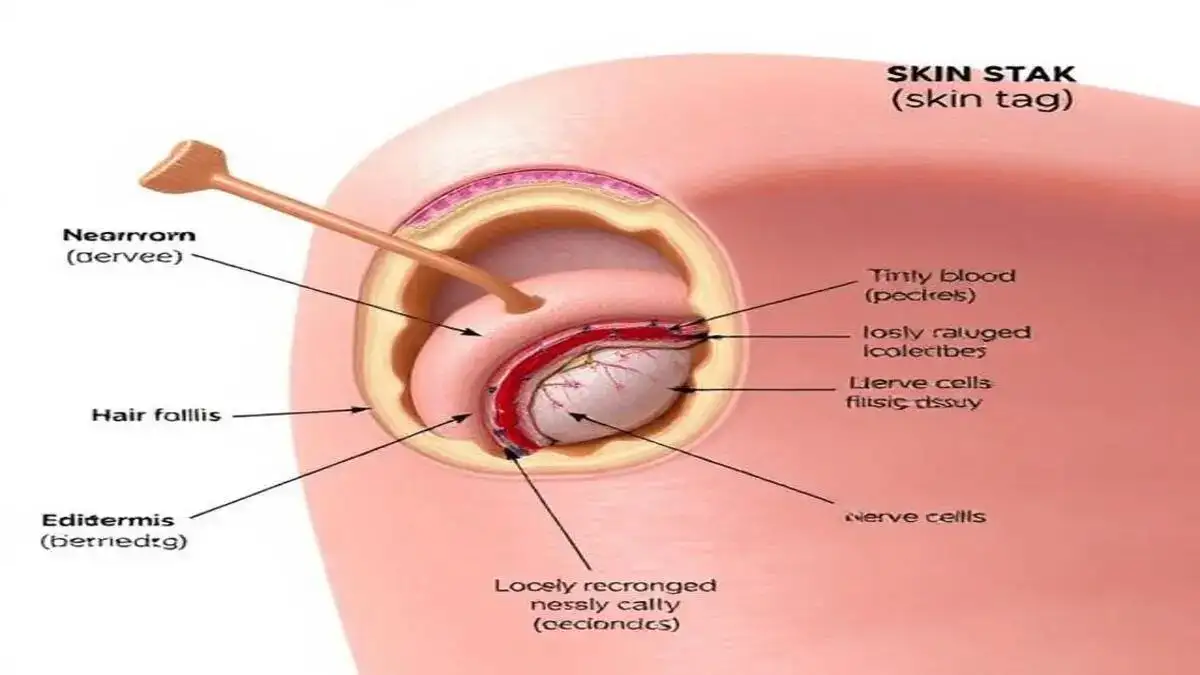
Clinically known as acrochordons, skin tags are more than just “dead skin.” They are living protrusions composed of:
A Vascular Core: A central “pump” of tiny blood vessels that provide the tag with a constant blood supply.
Fibrous Tissue: A dense collection of loosely arranged collagen fibers.
Nerve Cells: Which is why pulling or pinching them can cause sharp, immediate pain.
Epidermal Covering: A thin layer of skin that wraps the entire structure.
Why Quality Handling Matters
Unlike warts, which are caused by the Human Papillomavirus (HPV) and are highly contagious, skin tags are not infectious. You cannot “spread” them to other parts of your body or to other people. However, because they are integrated into your vascular and nervous systems, safe skin tag removal is not as simple as pulling off a scab.
Improper handling—such as using non-medical threads or unsterilized household tools—can lead to staph infections or localized cellulitis. Furthermore, because of the blood vessels inside the peduncle, a “hack job” can lead to persistent bleeding that is difficult to stop without medical-grade styptic agents. Understanding that a skin tag is a living part of your integumentary system is the first step in choosing a removal method that prioritizes tissue health and minimizes the risk of permanent scarring.
Why Do They Appear?
While anyone can develop skin tags, they don’t just appear at random. Their growth is usually triggered by specific biological or mechanical stimulants. Understanding these causes is a vital part of safe skin tag removal, as it helps you identify if a growth is a standard tag or something requiring a doctor’s diagnosis.
Mechanical Friction (The “Chafing” Effect): This is the most prevalent cause of skin tags. Frequent rubbing of skin-on-skin or skin-on-clothing (such as tight collars or bra straps) creates localized micro-trauma. The body responds by producing extra skin cells, eventually forming a tag. This is why they are most common in “hot zones” like the armpits, neck, and groin.
Genetics and Hereditary Predispositions: If your parents or siblings have numerous skin tags, you are statistically much more likely to develop them. Genetics dictate how your skin responds to friction and how quickly your epidermal cells regenerate.
Hormonal Fluctuations: Significant shifts in hormones—most notably during pregnancy—often lead to a sudden “outbreak” of skin tags. Elevated levels of progesterone and estrogen, along with increased skin-to-skin contact due to weight gain, create the perfect environment for these growths.
Metabolic Factors and Insulin Resistance: In 2026, clinical research has solidified the link between skin tags and metabolic health. Multiple skin tags (specifically on the neck) are often a “dermatological red flag” for Insulin Resistance or Type 2 Diabetes. High levels of insulin in the bloodstream can stimulate growth factors that cause skin cells to over-proliferate.
Aging: As we age, our skin loses elasticity and the “basement membrane” of the skin weakens. This makes the skin more prone to folding and snagging, leading to an increase in tags after the age of 50.
Pro Tip: If you notice a sudden, large crop of skin tags appearing overnight, it is worth discussing your blood sugar levels with a physician before proceeding with safe skin tag removal at home.
Why “Bathroom Surgery” Fails the Safe Skin Tag Removal Standard
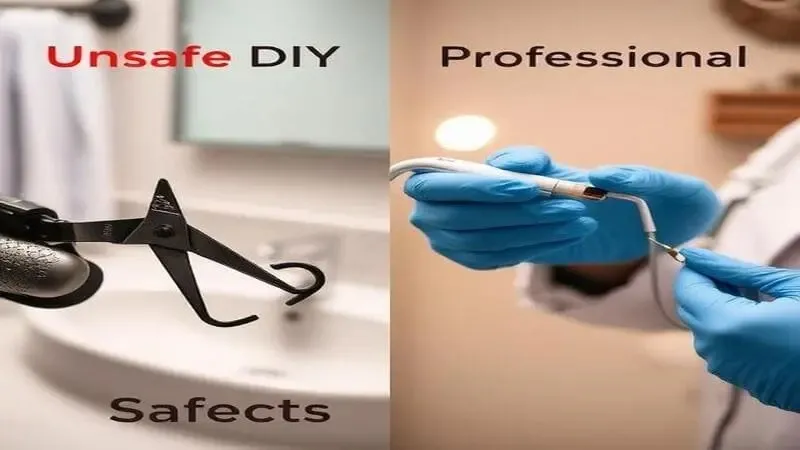
Before discussing modern tools or clinical options, we must address a dangerous trend: “Bathroom Surgery.” Many people, frustrated by the appearance of a tag, attempt to “snip” it off using household scissors, nail clippers, or even dental floss. While it may seem like a quick fix, this approach is never considered safe skin tag removal and can lead to complications that require an emergency trip to the clinic.
1. High Risk of Infection and Sepsis
Household tools are far from sterile. Even if you “clean” a pair of scissors with rubbing alcohol, microscopic bacteria can remain in the hinges or on the blades. When you break the skin, you introduce these pathogens directly into your dermal layers. In a 2026 clinical context, dermatologists still see frequent cases of cellulitis and localized staph infections resulting from DIY attempts. Without the sterile environment of a clinic, you risk a minor cosmetic issue turning into a painful, systemic infection.
2. Uncontrolled and Persistent Bleeding
A common misconception is that a skin tag is just “dead skin.” In reality, every skin tag has its own dedicated central artery and vein within the peduncle. When you cut a tag at home, you are essentially severing a live blood vessel. Unlike a small scrape, a severed skin tag can bleed profusely and persistently. Professional safe skin tag removal uses specialized tools like silver nitrate or electrocautery to seal the vessel instantly—something a pair of nail clippers simply cannot do.
3. Permanent Scarring and Keloids
Proper safe skin tag removal focuses on precision. When a professional removes a tag, they ensure the margins are clean, allowing the skin to knit back together seamlessly. DIY “hacking” often results in jagged edges and deep tissue trauma. This not only increases healing time but often leaves behind a raised scar or a dark spot of post-inflammatory hyperpigmentation. For those prone to keloids, a simple DIY snip can result in a permanent, thickened scar that is much harder to treat than the original tag.
4. The Risk of Misdiagnosis
Perhaps the greatest danger of “bathroom surgery” is the risk of cutting something that isn’t actually a skin tag. Malignant melanomas or basal cell carcinomas can occasionally mimic the appearance of an acrochordon. By cutting it off yourself, you lose the opportunity for a professional biopsy and risk spreading cancerous cells or delaying a life-saving diagnosis. True safe skin tag removal always begins with the certainty of what you are treating.
FDA-Approved Options for Safe Skin Tag Removal at Home
The 2026 consumer market offers highly regulated and innovative methods for safe skin tag removal. While the convenience of “at-home” treatment is appealing, safety must remain the priority. Always look for the “FDA-Cleared” label on packaging, which ensures the device has been reviewed for safety and efficacy for its intended use.
1. Ligation Kits (Skin Tag Bands)
Ligation is currently the most widely recommended mechanical method for safe skin tag removal at home. These kits typically consist of a cone-shaped applicator and tiny, medical-grade silicone bands.

How it Works: The applicator allows you to slide a microscopic band over the tag and position it precisely at the base of the peduncle (the stalk). The band exerts constant pressure, effectively strangling the blood supply.
The Results: Without blood, the skin tag tissue dies, turns black, and naturally detaches within 7 to 10 days.
Best For: Medium-to-large tags with a distinct stalk. It is generally considered painless, though some users report a mild “pinching” sensation for the first few hours.
Recommended FDA-Cleared Band Kit:
2. Cryotherapy (Freezing Kits)
Drawing inspiration from the liquid nitrogen used in dermatology offices, modern freezing kits offer a chemical-based path to safe skin tag removal. These devices typically utilize Dimethyl Ether (DME) or similar refrigerants.
How it Works: Using a precision-point applicator, you apply extreme cold to the tag for a specified number of seconds. This causes the water inside the cells to freeze and expand, rupturing the cell walls.
The Results: A small, localized blister forms under the tag. As the blister heals, the tag dries up and falls off, usually within 10 to 14 days.
Best For: Smaller growths that are too tiny or flush against the skin to be caught by a ligation band.
3. Topical Patches & Medicated Serums
For those who prefer a non-mechanical approach, chemical-based products offer a gradual method for safe skin tag removal. These are often the preferred choice for individuals with a lower pain threshold.
Salicylic Acid Patches: These patches contain a controlled dose of salicylic acid. When worn over several days, the acid slowly dissolves the keratin layers of the tag, essentially “melting” it away.
Homeopathic Serums: In 2026, many consumers opt for high-grade tea tree oil or Thuja occidentalis formulations. These work by dehydrating the tag over a period of 3 to 6 weeks.
The Catch: Precision is key. Unlike bands, liquids can spread to the surrounding healthy skin, potentially causing irritation or chemical burns if not applied with extreme care.
Safety Warning: Regardless of the kit you choose, never use at-home chemicals or bands on your eyelids, lips, or genital area. These tissues are extremely sensitive and require professional intervention to ensure safe skin tag removal without permanent damage.
Professional Safe Skin Tag Removal Methods
While modern at-home kits have become increasingly sophisticated, they cannot replicate the sterile environment and precision of a clinical setting. In many cases, seeking a dermatologist is the only way to guarantee safe skin tag removal, especially when the growths are located in high-risk areas like the eyelids, groin, or near the anus.
In a professional setting, a board-certified dermatologist uses medical-grade equipment to ensure the procedure is quick, painless, and carries a near-zero risk of infection.
1. Electrocautery (Thermal Cauterization)
Electrocautery is one of the most efficient methods for safe skin tag removal in 2026. This technique involves the use of a small, needle-like probe that delivers a high-frequency electric current directly to the peduncle of the tag.
How it Works: The heat from the electric current burns through the stalk of the tag while simultaneously cauterizing (sealing) the underlying blood vessels.
The Benefits: Because the wound is sealed instantly, there is virtually no bleeding. This is the preferred method for patients on blood thinners or those with larger tags that have a robust blood supply. It also significantly reduces the chance of the tag regrowing.
2. Snip Excision (Surgical Removal)
Though it sounds intimidating, snip excision remains a “gold standard” for safe skin tag removal due to its immediacy. Unlike at-home “sniping,” this is a strictly sterile surgical procedure.
How it Works: The dermatologist first cleans the area with a surgical-grade antiseptic and may apply a local anesthetic (like Lidocaine) to numb the site. Using specialized, curved iris scissors, they perform a clean, swift snip at the very base of the tag.
The Benefits: The removal is instantaneous—you walk out of the office with the tag gone. To prevent bleeding, the doctor typically applies a chemical agent like silver nitrate or a bit of pressure. This method also allows the doctor to send the tissue to a lab for a biopsy if the growth looks suspicious.
3. Professional Cryotherapy (Liquid Nitrogen)
While over-the-counter kits use Dimethyl Ether, professional safe skin tag removal via cryotherapy utilizes Liquid Nitrogen, which is significantly colder ($−196°C$ or $−321°F$).
How it Works: The liquid nitrogen is applied via a specialized spray gun or a cotton-tipped applicator. The extreme cold creates an instant “deep freeze,” destroying the cellular structure of the tag much more deeply than an at-home kit can.
The Benefits: It is incredibly fast and doesn’t require needles or anesthesia. Within a few days, the frozen tissue dies and simply falls away, often leaving behind perfectly smooth skin with minimal risk of scarring.
4. Laser Removal
For patients with numerous small tags across the neck or chest, some 2026 clinics offer laser-assisted safe skin tag removal.
How it Works: A CO2 or Erbium laser targets the water in the skin cells, vaporizing the tag tissue with extreme precision.
The Benefits: Laser treatment is ideal for “clearing the field” when dozens of tags are present. It offers the most aesthetic result with the least amount of post-operative downtime or redness.
Editor’s Top Pick: Safe Skin Tag Removal Kit
(FDA-Cleared, Easy-to-Use Auto Banding Device)
*Check current price and safe-shipping options on Amazon.
The Professional Edge: A dermatologist doesn’t just remove the tag; they provide a diagnostic screening. If that “tag” is actually a mole or a pre-cancerous lesion, professional intervention ensures you receive the correct treatment before it becomes a larger health issue.
Conclusion: Prioritizing Safe Skin Tag Removal
The final verdict for 2026 is: Yes, you can do it yourself, but you must be cautious. If you have a classic, small tag, a modern kit is an affordable way to achieve safe skin tag removal. However, if the growth looks unusual, the peace of mind provided by a professional is worth every penny. Always prioritize the health of your skin over a quick fix.
Frequently Asked Questions (FAQ)
1. Is safe skin tag removal permanent?
Yes, a skin tag will not grow back once it has been properly removed. However, if you are predisposed to them due to genetics or friction, new tags may develop in the same general area over time.
2. Does safe skin tag removal hurt?
At-home ligation (banding) usually causes a dull ache or a slight “pinch” for a few hours. Clinical methods like snip excision or electrocautery are virtually painless because dermatologists typically use a local anesthetic to numb the area first.
3. How long does the healing process take?
For at-home kits, the tag usually falls off within 7–14 days. Once the tag is gone, the small pink mark left behind typically heals and matches your natural skin tone within another week, provided you use proper sun protection.
4. Will my insurance cover professional skin tag removal?
In the United States, safe skin tag removal is usually classified as a “cosmetic procedure” and is not covered by private insurance or Medicare. However, if the tag is severely infected, bleeding, or looks suspicious enough to require a biopsy, insurance may cover the diagnostic and removal costs.
5. Can I use skin tag kits on my face?
You should never use at-home removal kits near your eyes or on your eyelids. The skin there is too thin and sensitive for chemicals or bands. For facial tags, always consult a professional to ensure safe skin tag removal without risking your vision or causing prominent scarring.
Disclaimer
Medical Information Disclaimer: The information provided in this guide, including text, graphics, and images, is for informational and educational purposes only. It is not meant to be used in place of expert medical advice, diagnosis, or care. Always seek the advice of your physician or another qualified health provider with any questions you may have regarding a medical condition or safe skin tag removal procedures.
Assumption of Risk: Never disregard professional medical advice or delay in seeking it because of something you have read in this article. Call 911 or your doctor right away if you suspect a medical emergency. You are at all risk if you rely on any of the information in this guide.
Product Disclaimer: Reference to any specific “FDA-Cleared” products or at-home kits does not constitute an endorsement or recommendation. Users should read all manufacturer instructions carefully before attempting any at-home treatments. The results of safe skin tag removal can vary based on skin type, the size of the growth, and adherence to aftercare protocols.