7 Best Supplements for the Immune System: A Science-Backed 2026

7 Best Supplements for the Immune System: A Science-Backed 2026 USA Guide
Introduction
In 2026, the American wellness landscape has evolved beyond reactive healthcare. From the bustling streets of New York to the sun-soaked coasts of California, preventive immunity is the new standard. Americans are no longer waiting for cold season to strike; they are proactively building resilient defenses against environmental toxins, stress, and seasonal pathogens.
While a diet rich in colorful vegetables and grass-fed proteins remains the gold standard, nutritional gaps are inevitable in our fast-paced lives. This is where high-quality supplements for the immune system step in. At Nagash Health, we cut through the noise to bring you research-backed, clinically relevant insights. This guide highlights the top 7 vitamins, minerals, and botanicals trending in the USA for their proven ability to fortify your body’s natural barriers.
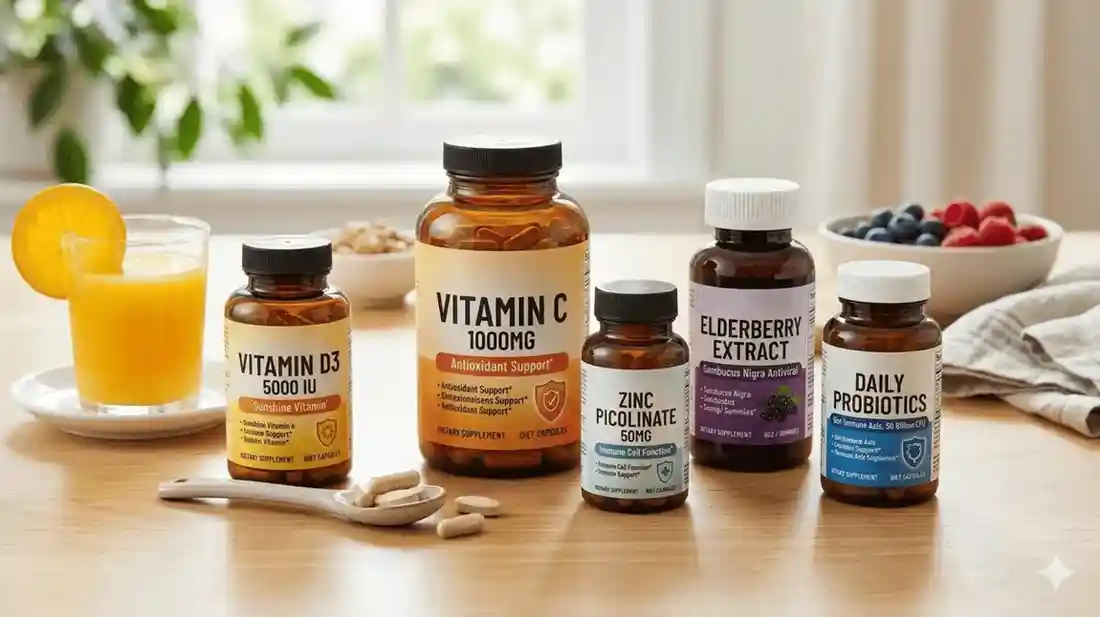
The foundation of a strong immune system in 2026: Quality, science, and consistency.
1. Vitamin C: The Essential Antioxidant
When Americans think of immune support, vitamin C (ascorbic acid) remains the gold standard. It is the most searched supplement in the USA, and for good reason.
The Mechanism: Vitamin C accumulates in white blood cells (lymphocytes and phagocytes), supercharging their ability to fight off infections.
Oxidative Stress: As a potent antioxidant, it neutralizes free radicals generated by pollution and stress, protecting immune cells from damage.
2026 Trend: Liposomal Vitamin C is gaining massive traction in the US market due to its superior absorption rates compared to standard powder or tablets.
USA Dosage Standards: While the RDA is around 90mg, functional medicine experts often recommend 500mg to 1000mg daily for active immune support.

Garden of Life Liposomal Vitamin C
1500 mg Organic Vitamin C. Liposomal delivery for superior absorption and faster immune support.
2. Vitamin D3: The “Sunshine Vitamin” Deficiency in America
It is estimated that over 40% of the US population is deficient in vitamin D, particularly in northern states like Michigan, Ohio, and New York during the long winter months.
Respiratory Health: Recent 2025 studies reinforce that vitamin D3 is crucial for respiratory tract immunity. It triggers the production of antimicrobial peptides (cathelicidins) that physically destroy viral membranes.
The D3 Advantage: Always choose cholecalciferol (D3) over D2. D3 is more bioavailable and five times more effective at raising and maintaining serum blood levels.
Pro Tip: Pair your D3 with a healthy fat (like avocado or olive oil) to enhance absorption.

Sports Research Vitamin D3 + K2
Infused with organic coconut oil for better absorption. Essential for respiratory and bone health.
3. Zinc: The Gatekeeper of Immune Cells
Zinc is a trace mineral that the body cannot produce or store, making daily intake essential. In the USA, zinc lozenges are a top seller at the first sign of a tickle in the throat.
Cellular Signaling: Zinc is vital for the development of T-cells and natural killer cells. Even a mild deficiency can result in a sluggish immune response.
The 24-Hour Rule: Clinical research suggests that taking ionic or chelated zinc within 24 hours of symptom onset can shorten the duration of the common cold by nearly 33%.
2026 Pick: Opt for “Chelated Zinc” or “Zinc Picolinate” for superior absorption and less stomach upset.
4. Probiotics: Strengthening the Gut-Immune Axis
With the rise of the “gut-brain-immune” axis in American health circles, probiotics have vaulted to the top of the supplement pyramid.
The Statistic: Nearly 70% to 80% of the immune system resides in the gastrointestinal tract.
Microbiome Balance: Strains like Lactobacillus rhamnosus and Bifidobacterium longum help “train” the immune system to distinguish between harmless foods and dangerous pathogens.
Mental Health Connection: A healthy gut microbiome lowers cortisol levels, indirectly preventing stress-induced immune suppression.
Explore Best Probiotics for Women
5. Elderberry (Sambucus nigra): The Natural Antiviral
Elderberry syrup and gummies have become a staple in US households, moving from niche health stores to mainstream pharmacies.
The Science: Rich in anthocyanins, elderberry prevents viruses from penetrating cell walls. Clinical trials have demonstrated that elderberry extract can reduce the severity and duration of flu-like symptoms by up to 4 days when taken early.
Nagash Health Recommendation: Always choose organic, sugar-free elderberry supplements. Many US commercial syrups are loaded with high-fructose corn syrup, which can spike blood sugar and negate immune benefits.

Sambucol Black Elderberry Syrup
Original formula rich in antioxidants. Clinical-strength immune support for the whole family.
6. Echinacea: The Traditional Immune Stimulant
Echinacea is one of the most extensively researched herbs in Western phytotherapy. It works by increasing the activity of macrophages, the “first responders” of the immune system.
Usage Cycle: Unlike vitamins, Echinacea is not for daily, year-round use. It is best utilized in short-term bursts (7–10 days) at the onset of exposure or symptoms to rapidly activate the innate immune response.
2026 Insight: Look for tinctures or capsules that use the Echinacea purpurea root for maximum alkylamide content.
7. Magnesium and Restorative Sleep
In a high-stress, blue-light-saturated environment, sleep is the most underrated immune booster. Magnesium glycinate is the 2026 go-to supplement for improving sleep quality.
Indirect Immunity: Deep sleep is when the body produces cytokines—signaling proteins that target infection and inflammation. Without sufficient magnesium to calm the nervous system, this repair cycle is broken.
Stress Reduction: Magnesium regulates the hypothalamic-pituitary-adrenal (HPA) axis, reducing cortisol spikes that can suppress immunity.
View Top Magnesium Picks
The Role of Holistic Health: A Note on Chronic Conditions
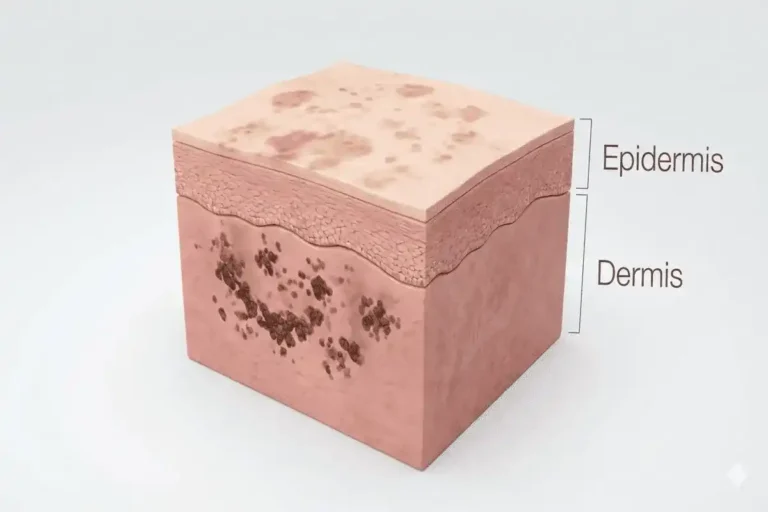
At Nagash Health, we advocate for a holistic 360-degree approach. It is critical to understand that supplements work best when combined with lifestyle changes. For individuals managing chronic inflammatory or autoimmune conditions—such as those diagnosed under the Recurrent Groin Abscess ICD-10 Code (Hidradenitis Suppurativa)—immune support is even more critical.
Chronic inflammation acts as a “nutrient sink,” rapidly depleting the body’s reserves of zinc, vitamin D, and magnesium. For these patients, supplementation isn’t just preventive; it is a necessary component of clinical management to reduce flare-ups and support tissue repair.
Choosing Quality Supplements in the USA