Why Does My Scalp Hurt When I Move My Hair? 7 Proven Relief Tips (2026 Guide)
Why Does My Scalp Hurt When I Move My Hair? The Science of Scalp Tenderness
Have you ever unclipped your hair after a long day, or simply brushed a strand to the side, only to be met with a sharp, stinging, or bruising sensation? If you’ve ever told someone “my hair hurts” only to be met with a confused look, you are not alone—and you aren’t imagining it. Many people across the USA struggle with this specific discomfort, often searching for answers to the frustrating question: “Why does my scalp hurt when I move my hair?”
While hair strands themselves have no nerves, the follicles they are rooted in are surrounded by a complex network of nerves and blood vessels. When your scalp becomes sensitive, even the slightest shift in the direction of your hair can trigger a painful response. This physical condition is more common than you might think and is often referred to by dermatologists as Trichodynia (scalp pain) or Scalp Allodynia.
What Exactly is Scalp Tenderness?
Scalp tenderness is a sensation of pain, inflammation, or discomfort originating from the skin covering your head. If you are wondering why does my scalp hurt when I move my hair, it is important to realize that unlike a typical headache that feels like it’s inside your skull, scalp pain is superficial. It can feel like:
A “bruised” sensation when you touch your hair.
A tingling or “pins and needles” feeling.
An intense burning or throbbing that worsens when the hair is moved.
Far from being a simple mystery, this discomfort is often a “check engine light” for your body. It could be a reaction to something as simple as your choice of shampoo or a sign of underlying inflammation, stress, or even a precursor to a migraine. Understanding why does my scalp hurt when I move my hair is the first step toward finding relief and restoring the health of your scalp environment.
The Biology of “Hair Pain”: Why It’s Not Your Hair, But Your Follicles
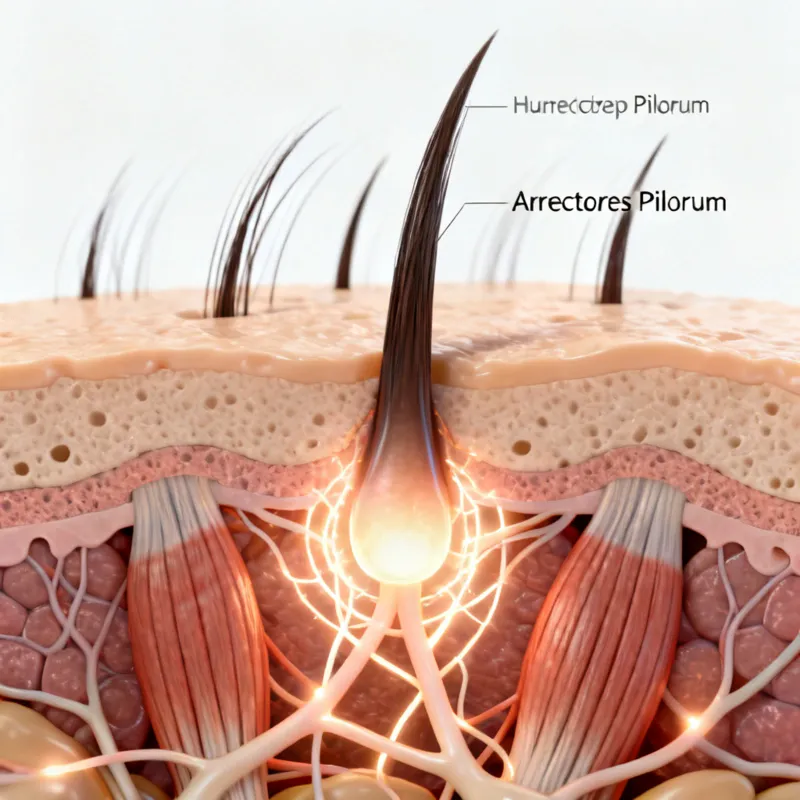
To understand the biological reason behind why does my scalp hurt when I move my hair, we must first debunk a common myth: Hair itself cannot feel pain.
The hair shaft—the part of the hair you see, style, and cut—is composed of dead keratinized cells. It has no nerves and no blood supply. However, the story changes completely the moment we go below the surface of the skin. Each of the approximately 100,000 hair follicles on your head is a complex, living organ.
The Anatomy of the Scalp Nerve Network
The scalp is one of the most richly vascularized and innervated parts of the human body. Every single hair follicle is encased in a follicular nerve network. These nerves are incredibly sensitive to “mechanical displacement”—which is just a scientific way of saying “movement.”
When you move a strand of hair, the follicle acts like a lever. It pivots in its pocket, tugging on the surrounding tissue. Under normal circumstances, this tugging goes unnoticed. But when the scalp is in a state of hypersensitivity, those nerves send an exaggerated pain signal to the brain. This is the physiological answer to why does my scalp hurt when I move my hair; those nerves are firing even with the slightest touch.
The Role of the Arrectores Pilorum Muscles
Ever wonder why you get “goosebumps” on your scalp? That is the work of the Arrectores Pilorum, tiny smooth muscles connected to your hair follicles.
When you keep your hair in one position for too long (like a tight ponytail or a “sleek back” look), these muscles are forced to stretch in one direction for hours. Just like your leg muscles would cramp if you held a difficult yoga pose all day, these microscopic scalp muscles experience “muscle fatigue.” Moving your hair after it has been “fixed” in one spot causes these tiny muscles to snap back or shift, creating a sharp, cramp-like pain at the root. This muscle strain is a common factor in why does my scalp hurt when I move my hair after letting it down at night.
Inflammation: The Silent Trigger
The most common reason for this pain is Perifollicular Inflammation. This occurs when the area surrounding the hair follicle becomes flooded with inflammatory cells.
When the scalp is inflamed, the skin becomes slightly swollen (even if you can’t see it in the mirror). This swelling compresses the nerve endings at the base of the hair. In this “high-pressure” environment, any movement of the hair shaft causes the follicle to press against these compressed nerves, resulting in the stinging or throbbing sensation known as Trichodynia. If you are trying to figure out why does my scalp hurt when I move my hair, hidden inflammation is often the primary culprit.
Neurogenic Inflammation and the Brain Connection
In many cases, scalp pain is a result of neurogenic inflammation. This is a process where the nerves themselves release inflammatory substances (like Neuropeptides). This is frequently seen in people who suffer from chronic stress or migraines. The brain becomes “sensitized” to signals from the scalp, lowering your pain threshold.
In this state, a stimulus that shouldn’t hurt (like a light breeze or a soft brush) is interpreted by the brain as a painful event. This brain-skin connection is a sophisticated reason why does my scalp hurt when I move my hair, especially for those dealing with high stress or tension headaches.
7 Common Causes of Scalp Pain When Moving Your Hair
Understanding the root cause of your discomfort is essential for finding the right treatment. While the sensation may feel the same, the underlying triggers can range from simple styling habits to more complex dermatological issues. If you are struggling with the question of why does my scalp hurt when I move my hair, these seven factors are the most likely culprits.
1. The “Ponytail Headache”: Tight Hairstyles & Mechanical Stress
The most frequent culprit in the USA for scalp pain is traction. High ponytails, tight buns, braids, and heavy hair extensions pull the hair follicle away from its natural growth angle.
When hair is held under constant tension, it causes a “stretching” of the follicular nerve network. Over time, this leads to chronic inflammation. If you keep your hair tied up all day and feel a “bruised” sensation when you finally let it down, you are experiencing muscle and nerve fatigue. This mechanical strain is a primary reason why does my scalp hurt when I move my hair after a long day of styling.
The Risk: Beyond just pain, chronic tension can lead to Traction Alopecia, a form of gradual hair loss caused by damaged follicles.
2. Scalp Inflammation: Dermatitis and Infections
If your scalp pain is accompanied by redness, flaking, or itching, the cause is likely an inflammatory skin condition.
Seborrheic Dermatitis: This is a common condition where an overgrowth of Malassezia (a yeast-like fungus) causes oily, yellow scales and inflamed skin. The inflammation makes the nerve endings near the hair roots hypersensitive, explaining why does my scalp hurt when I move my hair during a flare-up.
Folliculitis: This occurs when the hair follicles become infected by bacteria or fungi, resulting in small red bumps or white-headed pimples. Each “sore” follicle becomes a localized source of pain whenever the hair is moved.
3. Product Buildup: The “Suffocated” Scalp
In our quest for the perfect hairstyle, we often overload our hair with dry shampoos, hairsprays, silicones, and heavy oils. Over time, these products create a thick layer of debris on the scalp.
How it hurts: This buildup traps dead skin cells and sweat, creating a breeding ground for bacteria. It can also physically “clog” the follicle opening, causing pressure and irritation at the root.
The Solution: Regularly clearing this debris is vital for anyone wondering why does my scalp hurt when I move my hair. Utilizing an Apple Cider Vinegar Rinse for Scalp Buildup (refer to our guide on Article 28) can help dissolve these minerals and restore the scalp’s natural pH, instantly relieving that heavy, sore feeling.
4. Skipping Wash Days: The Malassezia Factor
While “training” your hair to go longer between washes is a popular trend, it isn’t for everyone. When you skip wash days, your scalp’s natural oils (sebum) accumulate.
Sebum is the primary food source for scalp-dwelling fungi. As these fungi feast on the oil, they release oleic acid—a byproduct that many people are sensitive to. This acid penetrates the skin barrier, triggering an inflammatory response that is a major factor in why does my scalp hurt when I move my hair.
5. Stress, Tension, and Muscle Contraction
The scalp is covered by a thin but expansive muscle called the Occipitofrontalis. When you are stressed or anxious, you may unconsciously tense the muscles in your face, neck, and scalp.
Much like a tension headache, this constant contraction restricts blood flow to the scalp and “squeezes” the hair follicles. This is why many people report that their hair “hurts” during high-pressure weeks at work. If you notice a pattern during busy times, stress is likely the reason why does my scalp hurt when I move my hair.
6. Migraines and Allodynia
For many migraine sufferers in the USA, scalp pain is a known symptom called Cutaneous Allodynia. This is a phenomenon where the brain misinterprets non-painful stimuli—like a light touch, a breeze, or brushing your hair—as actual pain.
During a migraine, the trigeminal nerve becomes overactive. This heightened state of “central sensitization” means that even the weight of your own hair can become agonizing. This neurological shift is a complex answer to why does my scalp hurt when I move my hair.
7. Environmental Factors: Hard Water & Pollution
Living in areas with hard water can wreak havoc on your scalp. Minerals like calcium and magnesium settle at the base of the hair, making the hair stiff and the scalp irritated. This mineral “crust” makes the hair follicles less flexible, leading to pain when you try to change your hairstyle. If you have recently moved to a new city and are asking why does my scalp hurt when I move my hair, check your water quality. For more on this, see our guide on Chelating Shampoos for Mineral Buildup.
How to Find Relief: Effective Treatments for Scalp Tenderness
The good news is that scalp pain is rarely permanent. By addressing the underlying inflammation and reducing mechanical stress, you can soothe your follicles and stop the cycle of discomfort. If you are looking for a solution for why does my scalp hurt when I move my hair, these targeted treatments are the most effective ways to restore comfort.
☐ Top Picks: Best Scalp Relief Solutions
DERMATOLOGIST-APPROVED & TOP RATED
NIZORAL SHAMPOO  📷 📷 | Best Overall: Nizoral Anti-DandruffContains 1% Ketoconazole to target the root cause of scalp inflammation and soreness. |
SCALP SERUM  📷 📷 | Best for Sensitivity: Briogeo ScalpA soothing blend of tea tree and charcoal to instantly calm the stinging sensation. |
MASSAGE BRUSH 📷  | Essential Tool: HEETA MassagerAn essential tool with soft silicone bristles to relax the scalp muscles safely. |
1. Therapeutic Scalp Massages: Improving Blood Flow
One of the most immediate ways to relieve the “muscle fatigue” that contributes to why does my scalp hurt when I move my hair is through a focused massage.
The Science: Massaging the scalp helps to dilate the blood vessels, which improves oxygen delivery to the hair follicles and helps flush out inflammatory byproducts. It also relaxes the Occipitofrontalis muscle, which often holds tension during stressful periods.
How to do it: Use the pads of your fingers (never your nails) to apply firm, circular pressure starting from the hairline and moving toward the back of the neck. This physical relaxation addresses the root of why does my scalp hurt when I move my hair by easing the pressure on the follicular nerve network.
Pro Tip: For an enhanced effect, use a few drops of a calming oil like rosemary or peppermint (diluted in a carrier oil). Batana Oil or Rosemary Oil are excellent choices for nourishing the scalp while you massage.
2. Switch to Gentle, Sulfate-Free Shampoos
In the USA, many commercial shampoos contain harsh surfactants like Sodium Lauryl Sulfate (SLS). While these provide a “squeaky clean” feeling, they often strip the scalp of its protective acid mantle, which is a common hidden reason for why does my scalp hurt when I move my hair.
Why it matters: When the scalp barrier is compromised, it becomes more susceptible to environmental irritants and fungal overgrowth. This leads to the very inflammation that causes pain at the root.
The Solution: Look for “Sulfate-Free” and “pH-Balanced” formulas. These cleansers remove excess sebum without triggering a reactive inflammatory response. If you suspect buildup is the primary cause for why does my scalp hurt when I move my hair, alternating your gentle shampoo with a Chelating Shampoo once a week can remove mineral deposits that make follicles stiff and painful.
3. Embrace “Loose” Hairstyles: The 24-Hour Rule
If you frequently experience pain after wearing your hair up, your follicles are begging for a break. Reducing tension is the fastest way to stop asking why does my scalp hurt when I move my hair.
The “Low-Tension” Strategy: Switch to “low-manipulation” styles. Use silk scrunchies instead of tight elastic bands, as they provide grip without the harsh “tug” on the roots.
The 24-Hour Rule: Try not to wear the same tight hairstyle two days in a row. If you wore a high bun today, leave your hair down tomorrow to allow the follicles to return to their natural resting angle.
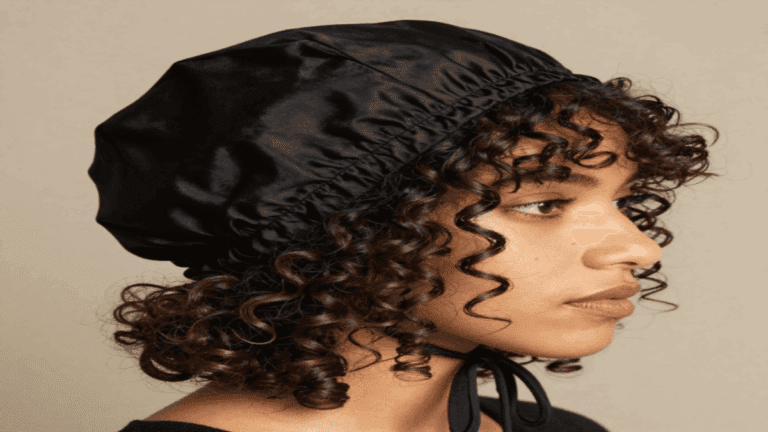
Nighttime Care: Many Americans find that sleeping with their hair in a loose braid or using a Silk Bonnet for Curly Hair prevents the hair from “tugging” against the pillowcase during the night, reducing the morning sensation of why does my scalp hurt when I move my hair.
4. Scalp Detox & Clarifying Treatments
Sometimes, a standard wash isn’t enough to remove the microscopic “crust” of dead skin and product that answers the question: why does my scalp hurt when I move my hair?
The Detox Method: Using a scalp-specific serum or an Apple Cider Vinegar Rinse can help reset the scalp’s pH level. This environment is less hospitable to the yeast that causes inflammation.
Exfoliation: Consider a chemical exfoliant for the scalp, such as Glycolic Acid . This helps dissolve the “glue” holding dead skin cells together, allowing your follicles to “breathe” again and significantly reducing the frequency of why does my scalp hurt when I move my hair.
When to See a Doctor: Signs Your Scalp Pain Requires Medical Attention
While most cases of scalp tenderness are related to styling habits or minor buildup, sometimes “hair pain” is a symptom of an underlying medical condition that requires a professional diagnosis. In the USA, a dermatologist is the primary specialist for scalp health. If you have been searching for why does my scalp hurt when I move my hair and the pain does not subside with basic care, it is time to seek professional help.
If your scalp pain is persistent or accompanied by the following symptoms, it is time to schedule an appointment:
1. Visible Skin Lesions or Rashes
If you notice any of the following on your scalp, do not rely on home remedies. These physical changes are a strong medical answer to why does my scalp hurt when I move my hair:
Pustules or Crusts: Small, yellow-headed bumps or oozing sores could indicate Folliculitis (an infection of the hair follicle) or a staph infection.
Scaling and Redness: Thick, silvery scales could be a sign of Scalp Psoriasis, which requires medicated topicals rather than just a gentle shampoo.
Itchy Rashes: An Itchy Rash on the Neck or scalp can often be a sign of an allergic reaction (contact dermatitis) to hair dye or new products.
2. Sudden or Patchy Hair Loss
If your scalp hurts and you notice your hair is thinning or falling out in clumps, it may be more than just “mechanical stress.” Understanding why does my scalp hurt when I move my hair becomes vital here, as it could be the first sign of:
Alopecia Areata: This is an autoimmune condition where the body attacks the hair follicles, often preceded by a tingling or burning sensation.
Telogen Effluvium: Sudden shedding due to stress or illness. See our guide on Hair Shedding vs. Hair Loss.
3. Signs of Systemic Inflammation
The scalp is often a mirror of what is happening inside the body. Consult a doctor if you are wondering why does my scalp hurt when I move my hair while also experiencing:
Extreme Fatigue: This could point to an Iron Deficiency or a thyroid issue, both of which affect scalp health.
Swollen Lymph Nodes: If you feel lumps behind your ears or at the base of your skull along with scalp pain, it may indicate a scalp infection that requires medical intervention.
4. Severe “Allodynia” and Neurological Symptoms
If the pain is so intense that even a light breeze or the weight of a hat is unbearable, the reason why does my scalp hurt when I move my hair may be neurological:
Occipital Neuralgia: This occurs when the nerves that run from the top of the spinal cord up through the scalp are inflamed or injured. The pain is usually sharp, like an electric shock.
Temporal Arteritis: This is a serious condition (more common in adults over 50) involving inflammation of the lining of your arteries. Symptoms include scalp tenderness, jaw pain, and vision problems. This is a medical emergency.
5. Persistent Pain Despite Lifestyle Changes
If you have switched to loose hairstyles, used a Chelating Shampoo to remove buildup, and practiced scalp massages for 2–4 weeks with no improvement, you need a definitive Why does moving my hair irritate my scalp? A medical professional can perform a scalp biopsy or blood test to rule out Autoimmune Skin Diseases .
Conclusion: Putting an End to Scalp Pain
Your body clearly communicates that your hair follicles are under stress when you experience scalp discomfort, sometimes known as “hair pain.” Whether it’s caused by the physical tension of a high ponytail, the chemical irritation of product buildup, or the biological response to a migraine, the discomfort is real and manageable.
By adopting a “scalp-first” approach—switching to sulfate-free cleansers, incorporating regular Apple Cider Vinegar Rinses, and allowing your hair to rest in loose styles—idly you can restore the health of your scalp environment. Remember, healthy hair begins with a healthy, pain-free foundation. If your symptoms persist, don’t hesitate to consult a dermatologist to rule out underlying conditions.
Frequently Asked Questions (FAQ)
Q1: Does having unclean hair really irritate my scalp?
A: Yes. When you skip washes, natural oils (sebum) and dead skin cells accumulate on the skin. This creates a breeding ground for Malassezia yeast, which triggers inflammation around the hair follicle. This is a very common reason why does my scalp hurt when I move my hair, as the inflammation leads to that “bruised” feeling at the root.
Q2: Why does my scalp hurt more after I take my hair out of a ponytail?
A: This is due to “follicle memory.” When hair is held in one direction for hours, the tiny muscles (Arrectores Pilorum) and nerves at the root become strained. When the hair is released, these nerves are suddenly stimulated. This is the primary mechanical answer to why does my scalp hurt when I move my hair; the nerves are firing as they attempt to settle back into their natural position.
Q3: Can stress make my hair roots feel sore?
A: Absolutely. Stress causes the muscles in your scalp to constrict, which restricts blood flow. Furthermore, high cortisol levels can increase skin sensitivity (allodynia), making your scalp more reactive to touch. If you are under a lot of pressure and wondering why does my scalp hurt when I move my hair, your nervous system may simply be in a state of high alert.
Q4: Is scalp pain a sign of hair loss?
A: Not always, but it can be a warning sign. Chronic inflammation, or Trichodynia, is sometimes associated with conditions like Postpartum Hair Loss or PCOS-related thinning If you are asking why does my scalp hurt when I move my hair and noticing visible thinning, it is important to address the inflammation early to protect the follicle from long-term damage.
Q5: How long does scalp tenderness usually last?
A: If the cause is a tight hairstyle, the pain should subside within 24 hours of letting your hair down. However, if the reason why does my scalp hurt when I move my hair is related to buildup or dermatitis, it may take 2–3 washes with a clarifying or Chelating Shampoo to see a full recovery.
Disclaimer
Medical Disclaimer: The information provided on Nagash Health is for educational and informational purposes only and is not intended as medical advice, diagnosis, or treatment. You should always speak with your doctor or another qualified healthcare provider if you have any questions concerning a medical issue. Because of something you’ve read on this website, you should never ignore or put off obtaining expert medical advice.
Affiliate Disclosure: This post may contain affiliate links to products we recommend. At no additional cost to you, we might get a tiny commission if you click on a link and make a purchase. I get paid for qualifying purchases as an Amazon Associate.