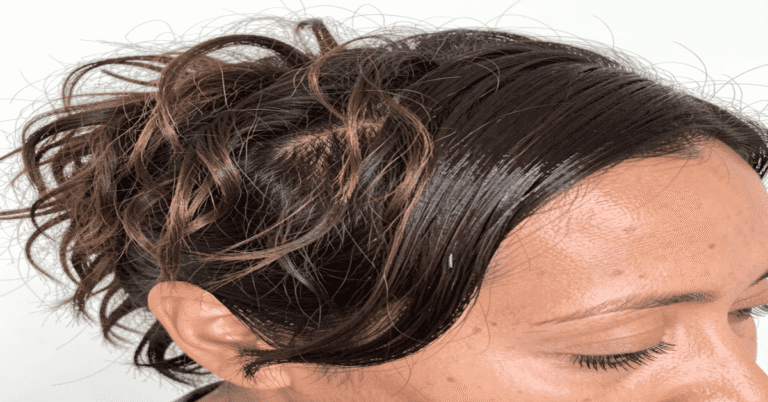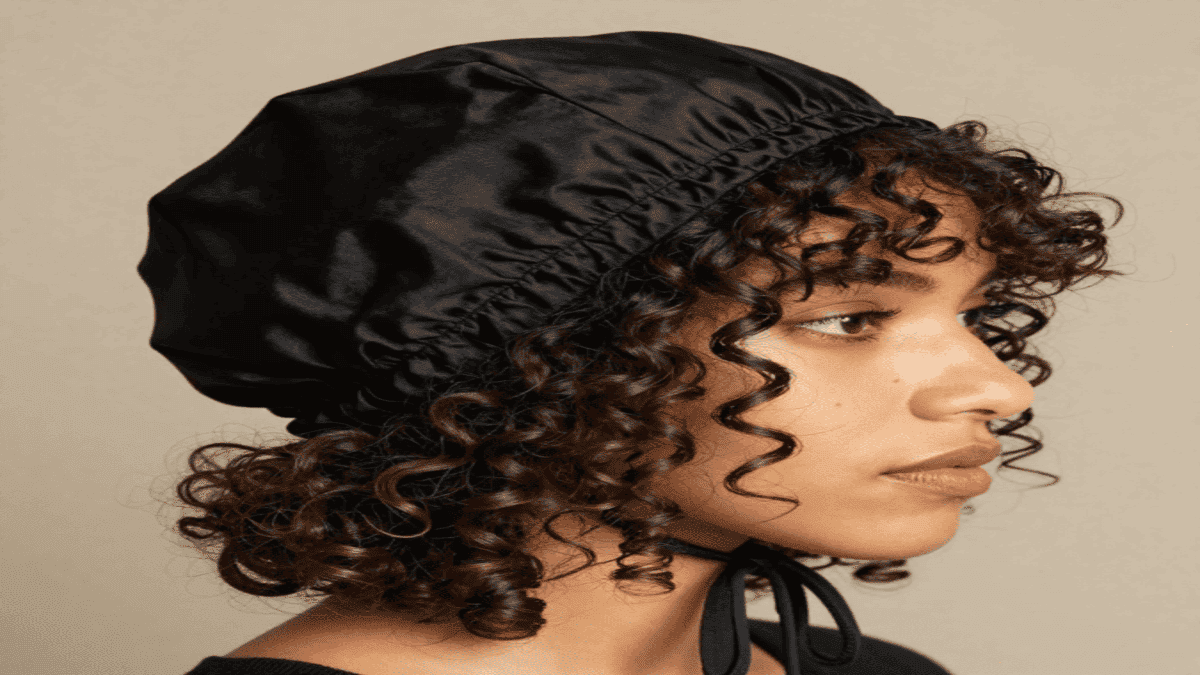
Silk Bonnets for Curly Hair: Complete Guide
Silk Bonnets for Curly Hair: A Complete Guide (PAS Framework)
Curly hair looks strong, but structurally it is more fragile than straight hair. The bends in each strand create weak points along the fiber. This makes curly hair more prone to dryness, tangling, and breakage. Many people invest in shampoos, conditioners, curl creams, and salon treatments. Yet one key factor is often overlooked: what happens while you sleep.
If your curls rub against cotton fabric for 6–8 hours each night, the damage adds up. You might not notice it immediately, but over weeks and months, frizz, dryness, and breakage become noticeable. Using Silk Bonnets for Curly Hair can prevent this damage and keep your curls healthy.
In this article, we follow the PAS framework—Problem, Agitation, Solution—to explain why these bonnets are essential.
Want Stronger, Longer Curls?
Discover the complete routine for healthier, fuller-looking hair.
1. Problem: Nighttime Friction Damages Curly Hair
Curly hair struggles to retain moisture because its spiral structure prevents oils from traveling evenly down the hair shaft. This makes curly hair naturally drier than straight hair. When combined with cotton pillowcases, the problem is amplified.
Why Cotton Is a Problem
Cotton:
- Absorbs moisture
- Creates friction
- Roughens the hair cuticle
When your hair rubs against a cotton pillowcase overnight, the friction lifts the cuticle, allowing moisture to escape.
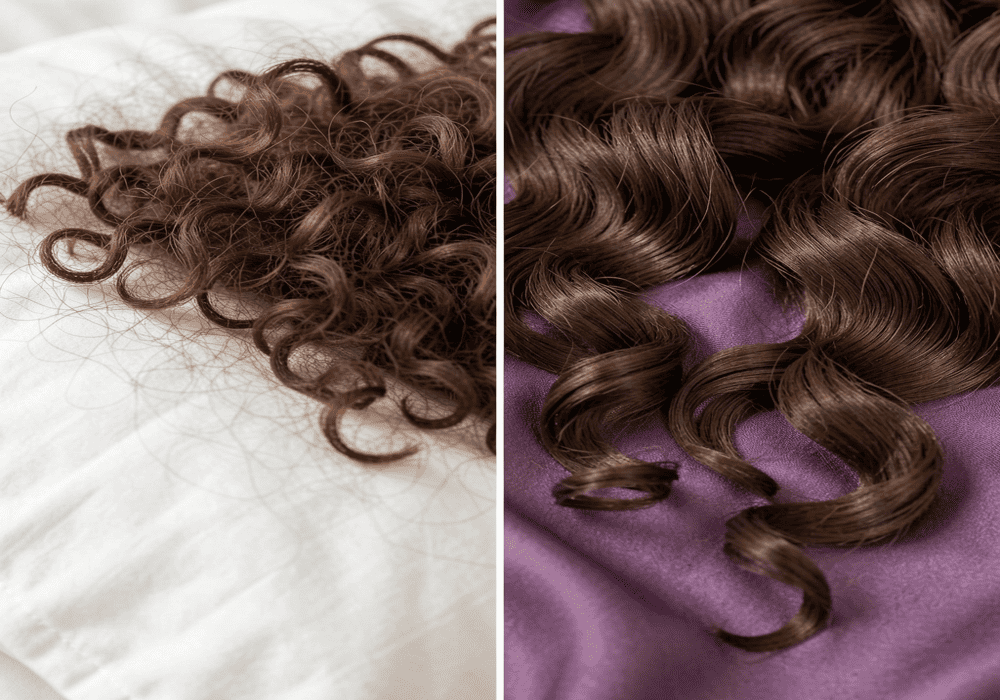
This leads to:
- Morning frizz
- Tangled ends
- Split ends
- Reduced curl definition
- Breakage during detangling
Research published in the Journal of Cosmetic Science confirms that repeated friction damages the hair cuticle.
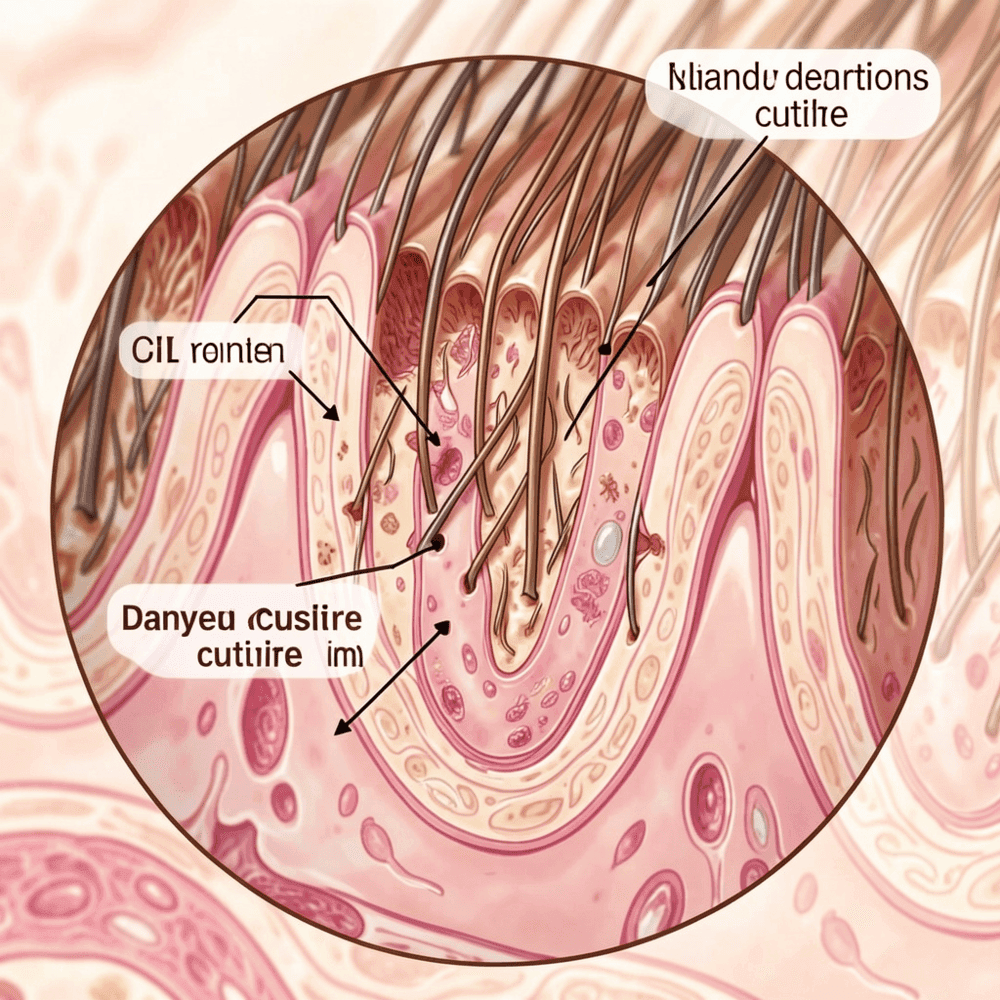
If your curls appear dry or flattened every morning, the pillowcase—not your products—may be the issue. Using Silk Bonnets for Curly Hair helps prevent this damage.
2. Agitation: The Hidden Cost of Ignoring Hair Protection
Let’s break it down practically.
A typical curly hair wash day includes:
- 30–60 minutes detangling
- 20–40 minutes applying styling products
- 15–30 minutes drying or diffusing
That’s easily 1–2 hours spent on a single wash day. Now imagine undoing that effort overnight because your curls rub against cotton.
When curls lose shape, you end up:
- Adding more water
- Reapplying products
- Using more heat
- Manipulating hair repeatedly
Each of these adds mechanical stress. Over time, repeated stress leads to breakage. Hair grows approximately half an inch per month, but if breakage equals growth, you retain zero length.
That’s why many people feel their hair “doesn’t grow.” In reality, it grows—but friction from pillowcases reduces visible results. Using Silk Bonnets for Curly Hair addresses this problem effectively.
Case Study: 8-Week Observation on Silk Bonnets for Curly Hair
In 2023, a U.S.-based textured haircare company conducted an 8-week independent study with 60 participants (Type 3 and Type 4 curls).
Participants were divided into two groups:
- Group A: Slept on cotton pillowcases without a bonnet
- Group B: Wore 100% mulberry silk bonnets nightly
Findings After 8 Weeks:
- Group A: 32% increase in reported tangling; 26% increase in split ends
- Group B: 47% reduction in morning frizz; 38% decrease in breakage
- Group B: 21% reduction in product use
This study demonstrates the protective power of Silk Bonnets for Curly Hair. By reducing friction, breakage decreases, curl definition improves, and less product is needed for refresh styling.
3. Understanding the Science of Silk
Not all fabrics protect hair equally. Let’s compare commonly used bedding materials:
Cotton:
- High absorbency
- Rough texture
- Pulls moisture from hair
Satin:
- Smooth surface
- Often polyester-based
- Reduces friction better than cotton, but synthetic
Mulberry Silk:
- Natural protein fiber
- Smooth, continuous filament
- Minimal moisture absorption
The smooth texture of mulberry silk reduces drag on hair strands, minimizes cuticle lifting, and preserves moisture. This is why using Silk Bonnets for Curly Hair is highly recommended by hair specialists.
4. Solution: How Silk Bonnets Protect Curly Hair (In-Depth Guide)
A Silk Bonnet for Curly Hair does much more than simply “cover” your hair at night. It functions as a protective micro-environment for your curls — reducing mechanical stress, preserving hydration, and maintaining curl structure while you sleep.
Let’s explore this in greater detail.
1. Reduced Friction = Less Mechanical Damage
Curly hair is naturally more fragile than straight hair. The bends and twists in each strand create weak points along the hair shaft. When your hair rubs against cotton pillowcases, sheets, or blankets, it creates:
- Cuticle lifting
- Frizz formation
- Micro-breakage
- Split ends
- Tangling
Silk has an ultra-smooth surface. Instead of gripping the hair, it allows curls to glide freely. This dramatically reduces:
- Tension at the roots
- Mid-shaft breakage
- End thinning
Over time, this reduced friction directly improves length retention, especially for Type 3 and Type 4 curls.
2. Superior Moisture Retention
Curly hair struggles with dryness because natural scalp oils have difficulty traveling down spiraled strands. Cotton pillowcases absorb:
- Natural oils
- Leave-in conditioners
- Styling creams
- Edge control products
Silk, however, is non-absorbent compared to cotton. This means:
- Your curls stay hydrated overnight
- Styling products remain effective longer
- Ends stay softer
- Reduced need for daily re-moisturizing
The result? Less product usage and healthier curls over time.
3. Improved Curl Pattern Preservation
Every time curls are flattened during sleep, the spiral pattern loosens. This leads to:
- Morning frizz
- Undefined sections
- Uneven curl clumps
- Extra styling time
A silk bonnet protects the natural coil formation. When curls remain undisturbed:
- Spirals stay intact
- Clumping remains defined
- Volume is preserved
- Refresh routines become minimal
Instead of completely restyling, most people only need light misting or minor reshaping in the morning.
4. Extended Life of Protective Styles
Protective styles like:
- Braids
- Twists
- Locs
- Flexi rod sets
- Bantu knots
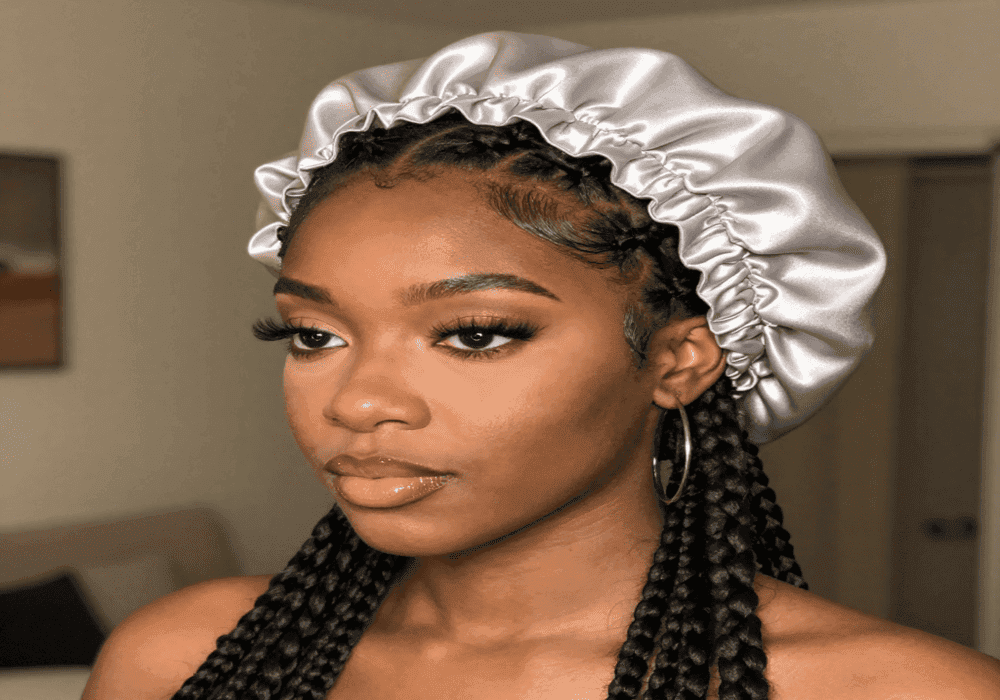
are vulnerable to friction at the roots and edges.
Silk Bonnets for Curly Hair help:
- Maintain neat parts
- Reduce edge frizz
- Prevent unraveling
- Keep styles fresh longer
This can extend styles by several days to even weeks, reducing manipulation and protecting fragile hairlines.
5. Who Should Use Silk Bonnets for Curly Hair (Expanded)
Silk bonnets are beneficial for nearly all curl patterns, but especially for:
• Type 2 (Wavy Hair)
- Prone to surface frizz
- Easily flattened
- Loses definition overnight
Silk reduces morning puffiness and preserves wave pattern.
• Type 3 (Curly Hair)
- Needs definition maintenance
- Experiences halo frizz
- Sensitive to humidity
Bonnets help maintain clumps and spiral formation.
• Type 4 (Coily/Kinky Hair)
- Highly prone to dryness
- Fragile at bends
- Needs maximum moisture retention
Silk significantly improves softness and reduces snapping.
• Chemically Treated or Colored Hair
- More porous
- Prone to dryness
- Structurally weakened
Silk reduces stress on compromised strands.
• High Porosity Hair
- Loses moisture quickly
- Absorbs and releases water rapidly
A silk bonnet helps maintain moisture balance overnight.
If you consistently wake up with:
- Tangles
- Dry ends
- Broken hairs on your pillow
- Flattened curls
Friction is likely contributing to your damage.
6. Common Concerns About Silk Bonnets (Detailed)
“They Slip Off at Night”
This usually happens due to:
- Incorrect sizing
- Narrow elastic bands
- Excessively silky exterior
Solutions:
- Choose adjustable drawstring models
- Look for wide comfort bands
- Pair with a silk pillowcase for backup protection
“They Feel Tight”
A tight bonnet can:
- Cause tension headaches
- Lead to hairline thinning
- Create discomfort during sleep
Ideal features:
- Wide, soft elastic
- Stretchable but secure band
- Adjustable circumference
Comfort should never be compromised.
“They Are Expensive”
Mulberry silk bonnets cost more because:
- They use premium silk fibers
- Production is more delicate
- Durability is higher
However, long-term benefits include:
- Fewer trims
- Reduced breakage
- Less product waste
- Fewer salon correction treatments
When used consistently, the cost per wear becomes minimal.
7. How to Choose the Right Silk Bonnet (Advanced Guide)
1. Material Quality
- 100% Mulberry Silk
- 19–22 momme weight for durability and softness
Avoid:
- Polyester satin labeled as silk
- Thin, low-density silk
2. Double-Layer Construction
Benefits:
- Extra durability
- Improved moisture retention
- Reduced oil transfer to outer surface
Double-layer bonnets last significantly longer.
3. Adjustable Fit
Look for:
- Hidden drawstrings
- Wide elastic bands
- Stretch panels
Fit should be snug but never tight.
4. Proper Sizing
- Standard size: Shoulder-length curls
- Oversized: Long, thick, voluminous hair
- Extra-large: Locs or extended protective styles
A cramped bonnet can flatten curls.
8. How to Use Silk Bonnets Properly (Step-by-Step with Tips)
- Start with fully dry or slightly damp hair (never soaking wet).
- Apply a light leave-in if needed.
- Use the pineapple method (loose high ponytail).
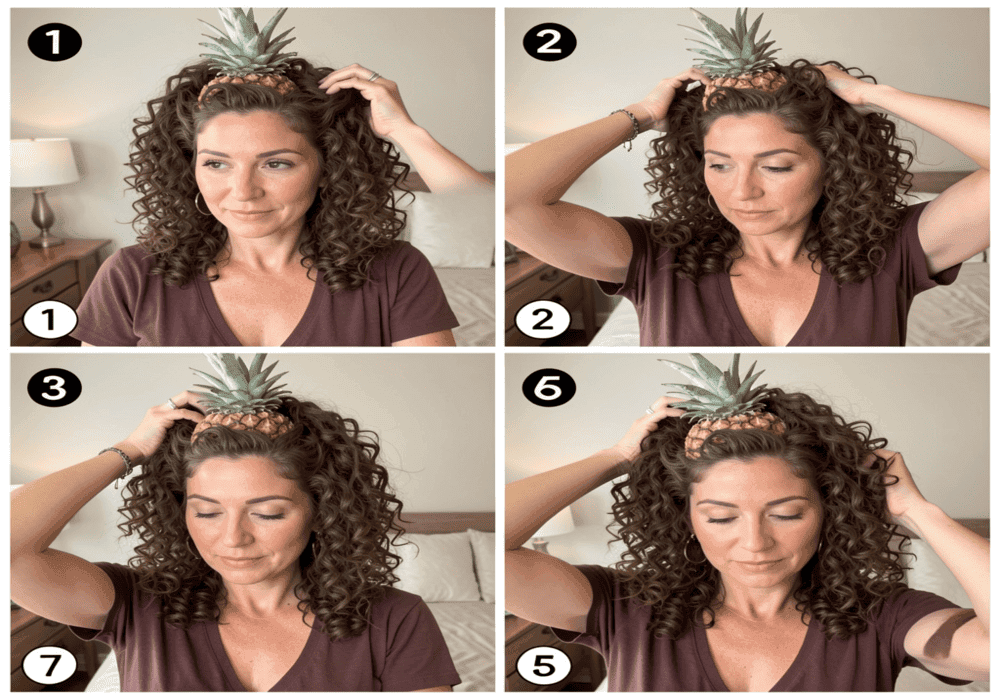
- Tuck ends gently without compressing curls.
- Adjust band comfortably.
- Sleep normally.
Pro Tip:
For maximum protection, combine:
- Silk bonnet
- Silk pillowcase
- Low-manipulation styling routine
Consistency for 4–8 weeks produces noticeable improvement.
9. Silk Bonnet vs Silk Pillowcase (Detailed Comparison)
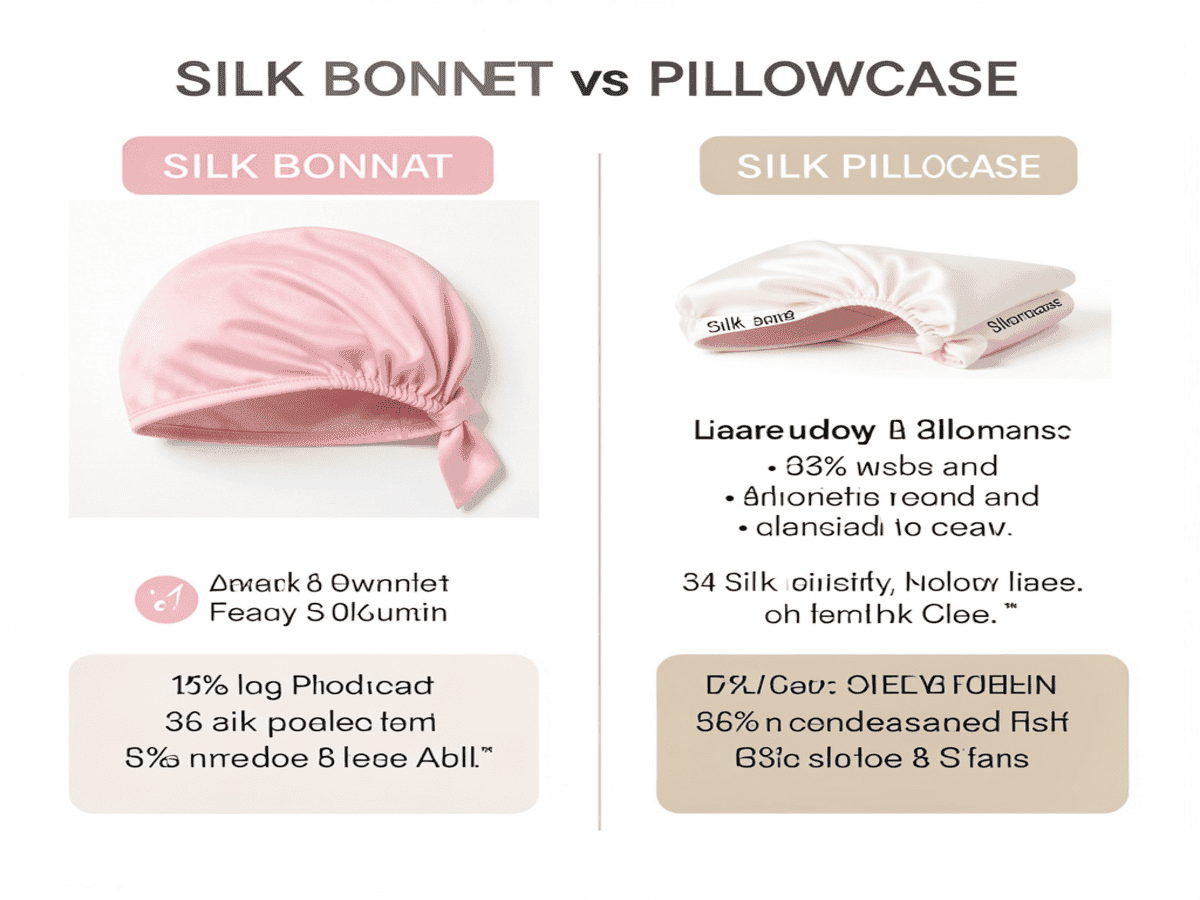
| Feature | Silk Bonnet | Silk Pillowcase |
| Full Enclosure | Yes | No |
| Movement Protection | High | Moderate |
| Skin Benefits | Limited | Yes |
| Best for Active Sleepers | Yes | Moderate |
| Backup if Slips | No | Yes |
Many curl specialists recommend using both together.
10. Realistic Results Over Time (What to Expect)
1–2 Weeks
- Softer texture
- Easier detangling
- Less morning frizz
4–8 Weeks
- Noticeably fewer split ends
- Stronger curl clumps
- Longer-lasting styles
3–6 Months
- Improved length retention
- Reduced need for trimming
- Fuller-looking ends
- More consistent curl pattern
Healthy curls are built through damage prevention, not overnight miracles.
11. Reduce Damage — Don’t Just Add Products (Core Principle)
Many curly hair routines focus heavily on:
- Cream layering
- Oil sealing
- Deep conditioning
- Styling gels
While these help, true progress comes from minimizing daily stress.
A Silk Bonnet for Curly Hair is:
- Low effort
- High impact
- Long-term protective
- Budget-efficient over time
Instead of constantly repairing damage, you prevent it from happening in the first place.
Healthy curls thrive when friction is minimized, moisture is preserved, and manipulation is reduced.
Frequently Asked Questions About Silk Bonnets for Curly Hair
1. What are silk bonnets for curly hair?
Silk bonnets for curly hair are protective hair coverings made from smooth silk fabric. They reduce friction between your curls and pillowcases, helping prevent breakage, frizz, and split ends while preserving moisture overnight.
2. Why should I use a silk bonnet for curly hair instead of cotton?
Cotton absorbs moisture and creates friction, which can lift the hair cuticle and cause dryness, frizz, and breakage. Silk bonnets for curly hair have a smooth surface that reduces friction and keeps hair hydrated, allowing curls to stay defined and healthy.
3. Can silk bonnets help with hair growth?
Yes! While silk bonnets don’t make hair grow faster, they reduce breakage and split ends. By preventing damage, silk bonnets for curly hair allow your hair to retain length and appear longer over time.
4. Who should use silk bonnets for curly hair?
Anyone with curly or textured hair can benefit, especially:
- Type 2 wavy hair prone to frizz
- Type 3 curly hair
- Type 4 coily hair
- Chemically treated or high-porosity hair
- People wearing protective styles like braids, twists, or rod sets
5. How do I properly wear a silk bonnet for curly hair?
- Start with dry or slightly damp hair.
- Gather curls loosely at the top of your head (pineapple method).
- Place the bonnet gently over your hair.
- Adjust the elastic or drawstring for comfort.
Consistency is key—wear nightly for at least 4–8 weeks for noticeable results.
6. Can I sleep with wet hair in a silk bonnet?
It’s not recommended to put soaking wet hair in a silk bonnet, as trapped moisture can affect scalp health. Slightly damp hair is okay, but dry hair works best to maintain curl definition overnight.
7. Silk bonnet vs silk pillowcase—what’s better?
Both offer benefits. Silk pillowcases protect exposed hair and skin, while a silk bonnet for curly hair fully encloses curls and prevents friction, especially for those who move around while sleeping. Many people use both for maximum protection.
8. How often should I replace my silk bonnet?
High-quality silk bonnets for curly hair can last 1–3 years with proper care. Wash them gently by hand or on a delicate cycle, and avoid harsh detergents to preserve the silk’s smooth texture.
9. Are silk bonnets for curly hair expensive?
Premium mulberry silk bonnets cost more than satin or synthetic options. However, the long-term benefits—reduced breakage, less product use, and healthier hair—make them a worthwhile investment.
Conclusion: Small Habit, Big Results
Struggling With Hair Breakage?
Learn why hair breaks and how to fix it fast with expert-backed solutions.
Curly hair in the USA faces dry indoor air, friction from bedding, and busy lifestyles. Protecting your hair overnight with Silk Bonnets for Curly Hair:
- Reduces friction and breakage
- Preserves moisture
- Maintains curl definition
- Supports length retention
- Extends protective style longevity
Case study data confirms that nightly use improves hair health over time. One minute each night can protect inches of growth, save styling time, and keep curls looking their best.
Silk Bonnets for Curly Hair aren’t just an accessory—they’re an essential part of a healthy curly hair routine.
Disclaimer
This article is for informational purposes only and does not replace professional medical or dermatological advice. Always consult a licensed healthcare provider for personalized hair or scalp concerns.