Spironolactone Hair Loss Timeline: 4 Proven Recovery Stages
Spironolactone Hair Loss Timeline: What to Really Expect
Discovering that your hair is thinning can feel incredibly frustrating. You look in the mirror, notice your part widening, and suddenly find yourself spiraling down a Google rabbit hole looking for solutions. If your dermatologist has suggested Spironolactone, you probably have one massive question on your mind: How long is this going to take?
Understanding the spironolactone hair loss timeline is the best way to protect your peace of mind. Hair growth is a slow process, and expectation management is your superpower here.
Let’s break down exactly how this medication works, what happens month-by-month, and how to maximize your results without losing your sanity.
What is Spironolactone and How Does It Fight Thinning?
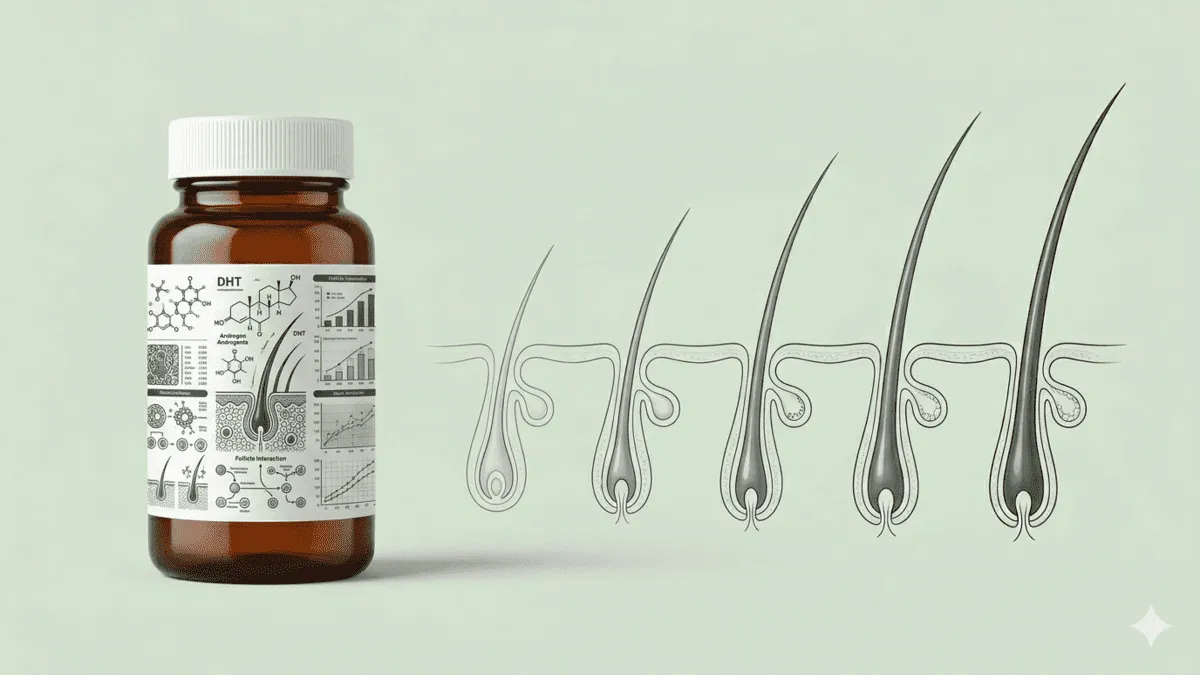
Before jumping into the weeks and months, let’s look at the “why.” Female Pattern Hair Loss (FPHL) or androgenetic alopecia is often driven by a sensitivity to androgens (hormones like DHT). These hormones sneak in and shrink your hair follicles over time, making new strands grow back thinner and shorter until they stop growing altogether.
Spironolactone is an oral prescription medication that acts as an anti-androgen. It essentially pulls up a shield around your hair follicles, blocking DHT from attacking them. Think of it as a security guard for your scalp.
The Month-by-Month Spironolactone Hair Loss Timeline
When it comes to hair treatments, patience isn’t just a virtue—it’s a strict requirement. Your hair grows in cycles (Anagen/growth, Catagen/transition, and Telogen/resting phases). Because of this, change does not happen overnight.
Here is the realistic, science-backed spironolactone hair loss timeline so you can track your progress accurately.
Month 1: The Initial Phase (And the Dreaded “Shed”)
When you start taking Spironolactone, do not expect immediate thickness. In fact, you might experience the exact opposite: an initial increase in hair shedding.
What’s happening: The medication is pushing old, resting hairs out of the follicle to make room for a new, healthier growth cycle.
The Goal: Focus on managing minor side effects like needing to pee more often (since it’s a mild diuretic) or slight dizziness. Stay hydrated!
Months 2–3: The Stabilization Period
By the end of the third month, the initial shedding should begin to taper off. This is a crucial milestone in your spironolactone hair loss timeline.
What’s happening: You might not see a halo of new hair yet, but you should notice less hair on your hairbrush, in the shower drain, and on your pillow.
The Goal: Consistency. Missing doses will reset your progress, so make taking your pill a daily habit.
Months 4–6: Subtle Signs of Progress
This is usually the turning point where you can start breathing a sigh of relief.
What’s happening: Your hair follicles are waking up. You may notice tiny “baby hairs” sprouting along your hairline or where your part line sits.
The Goal: Take progress photos! It is incredibly hard to spot these subtle changes day-to-day, but a photo from Month 1 compared to Month 6 will show the truth.
Months 6–12: Visible Density and Volume
Welcome to the peak reward zone of the spironolactone hair loss timeline. Around the one-year mark, the full effects of the medication become obvious.
What’s happening: The new hairs have grown long enough and thick enough to contribute to overall hair density. Your widening part may start to look tighter, and your ponytail might feel a bit heavier.
The Goal: Maintenance. Spironolactone is a long-term treatment. To keep these results, you must continue taking the medication as prescribed.
Tips to Speed Up Your Hair Growth Journey
While you cannot force your hair to grow faster than human biology allows, you can definitely optimize the environment to give Spironolactone the best chance of working effectively.
Combine with Topical Minoxidil: Many dermatologists pair Spironolactone with topical or oral Minoxidil. While Spironolactone protects the follicle from damage, Minoxidil acts as an accelerator to stimulate growth.

Dermatologist Recommended Companion
Topical Minoxidil 2% For Women
Boost your Spironolactone results! While Spironolactone blocks hair-thinning hormones internally, Minoxidil accelerates external follicular growth.
Watch Your Iron Levels: Low ferritin (stored iron) is a hidden culprit behind female hair thinning. Ensure your levels are optimal so your body has the raw materials to build new hair strands.
Be Gentle on Your Scalp: Avoid tight hairstyles that cause traction, and limit heavy heat-styling while your hair is in its vulnerable recovery phase.
Final Thoughts: The Long Game Wins
Dealing with hair thinning requires a lot of emotional strength, but knowing the spironolactone hair loss timeline helps remove the guesswork. If you are only two months in and feeling discouraged, remember that your hair follicles are working hard beneath the surface. Give it a full year before deciding if the medication is working for you.
Stay patient, stay consistent, and take it one day at a time!
Frequently Asked Questions (FAQs)
How long does the spironolactone hair loss timeline take to show maximum improvement?
Most women see the absolute maximum improvement at the 12-month mark of continuous usage. While some changes like reduced shedding start around months 3 to 6, visible density requires a full year to match the natural speed of the hair growth cycle.
Will hair fall out again if I stop using Spironolactone?
Yes. Spironolactone manages the underlying hormonal triggers of female pattern hair loss but it does not permanently cure it. If you stop taking the medication, the anti-androgen shield lowers, and your hair will gradually return to its previous thinning pattern within a few months.
Does Spironolactone cause a temporary shedding phase at the beginning of the timeline?
Yes, a temporary increase in shedding can happen during the first 4 to 8 weeks of the spironolactone hair loss timeline. This occurs because the medication stimulates follicles to transition from the resting phase to a fresh growth phase, pushing out old strands to make way for stronger new hair.
What is the standard dosage needed to see results within this timeline?
Dermatologists typically prescribe between 100mg to 200mg daily for hair loss. Lower doses (like 25mg or 50mg) used for acne are often not strong enough to block the androgen receptors on the scalp effectively, which can delay or weaken your expected results timeline.
Medical Disclaimer:
This article’s content, including its discussion of prescription drugs like spironolactone, is intended solely for educational and informational reasons. It is not meant to be used in place of expert medical advice, diagnosis, or treatment. If you have any doubts about a medical condition or treatment plan, you should always consult your doctor, dermatologist, or another trained healthcare professional. Never ignore professional medical advice or put off getting it because of anything you’ve read online.