Urea vs Salicylic Acid for Keratosis Pilaris: Which Works Faster for Strawberry Legs (2026 Proven Guide)
Urea vs Salicylic Acid for Keratosis Pilaris: Which Works Faster for Strawberry Legs (2026 Guide)
Disclamier
This guide is just for informational purposes and shouldn’t replace professional medical advice. Everyone’s skin is different. Before trying any new treatments—especially if you have sensitive skin—it’s always best to check with a qualified dermatologist first.
Introduction
Which is better overall?
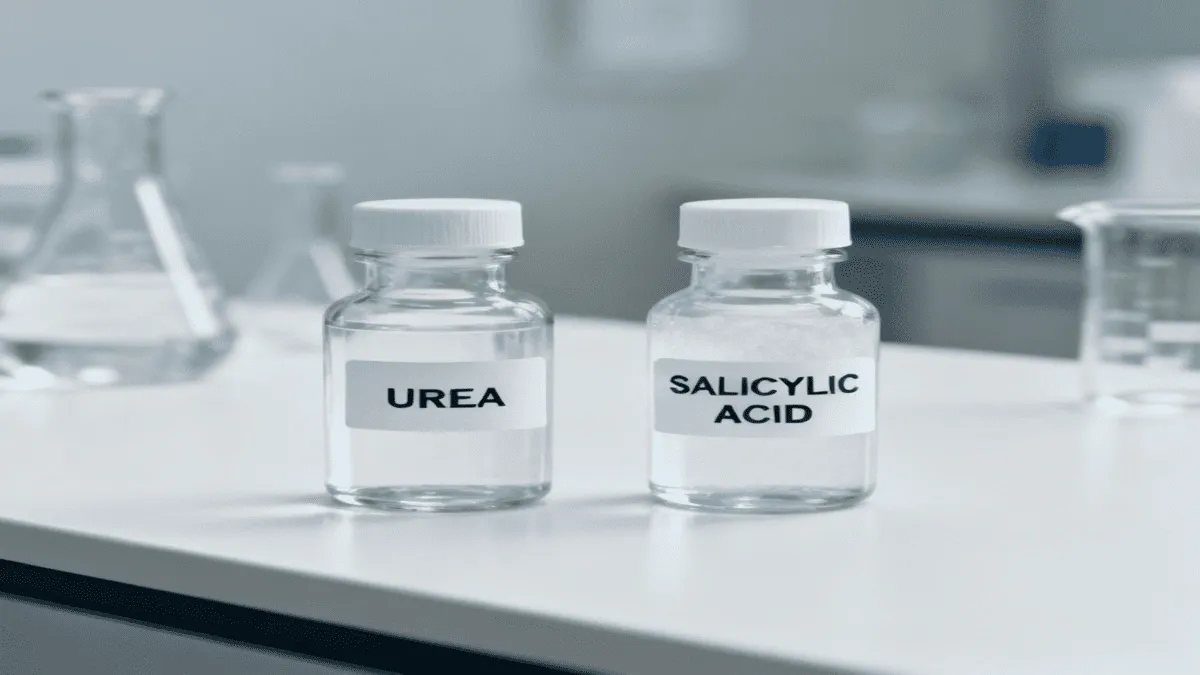
Both urea and salicylic acid are effective for keratosis pilaris, but they serve different purposes.
- Urea is best for dry, rough, and sensitive skin because it hydrates and softens keratin buildup.
- Salicylic acid is better for clogged, bumpy, or acne-like KP because it exfoliates deep inside pores.
When to choose each:
- Choose urea (10–20%) for dryness and rough texture
- Choose salicylic acid (1–2%) for clogged follicles
- Use both together for stubborn KP
❑ Top Picks: Best KP & Strawberry Leg Solutions
DERMATOLOGIST-APPROVED & TOP RATED

Best Overall: CeraVe SA Lotion
The gold standard for “strawberry legs.” It combines Salicylic Acid to unclog pores with Ceramides to protect your skin barrier.

Best for Hydration: Eucerin Roughness Relief
Best if your KP is caused by extreme dryness. Contains 10% Urea to soften keratin plugs and deeply moisturize for 48 hours.
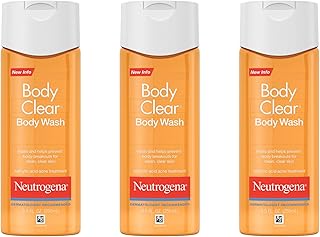
Best Wash: Neutrogena Body Clear
An affordable 2% Salicylic Acid wash that treats bumps in the shower. Great for active individuals with congested skin.
2. What is Keratosis Pilaris? (Rewritten for SEO + readability)
If you’re wondering how to get rid of KP on legs fast, choosing the right treatment approach and ingredient really matters.
Keratosis pilaris is a common skin condition where excess keratin builds up and blocks hair follicles, creating small, rough bumps on the skin. It is harmless, but often long-lasting and difficult to fully clear without the right skincare routine.
When dealing with urea vs salicylic acid for keratosis pilaris, understanding the condition first is important because KP can appear differently depending on skin type. It is most commonly seen on the legs, arms, and thighs, where it creates a sandpaper-like or “strawberry skin” texture.
3. How Urea Works for KP (Expanded Version)
When comparing urea vs salicylic acid for keratosis pilaris, urea stands out as one of the most effective ingredients for improving dryness, rough texture, and overall skin barrier health. It works gradually but delivers consistent long-term improvement, especially for people with sensitive or dry skin.
Dermatologists often recommend a urea lotion for keratosis pilaris because it helps deeply hydrate the skin while also softening keratin buildup over time, leading to smoother and healthier-looking skin.
4. Dual Action: Hydration + Gentle Exfoliation
Urea is unique because it doesn’t just treat one problem—it works in two important ways at the same time.
1. Deep Hydration (Humectant Effect)
One of urea’s strongest benefits is its ability to act as a powerful humectant, meaning it draws moisture from the environment and deeper layers of the skin into the outer skin barrier.
This helps in several ways:
- Softens rough, sandpaper-like texture
- Reduces dryness that often worsens keratosis pilaris
- Improves overall skin smoothness over time
- Helps other active ingredients absorb better
For people struggling with KP, dryness is often a hidden trigger that makes bumps look more noticeable. By restoring hydration, urea helps calm the skin and reduce that uneven texture appearance.
2. Keratolytic Effect (Breaks Down Keratin Buildup)
At higher concentrations (typically 10–20%), urea also works as a keratolytic agent, meaning it helps break down the excess keratin that clogs hair follicles.
This is important because keratosis pilaris is caused by:
- Dead skin cells + keratin buildup
- Blocked hair follicles
- Rough plugs under the skin surface
Urea gently loosens and softens these plugs, allowing the skin to gradually shed them without harsh scrubbing or irritation.
Unlike stronger acids, this process is slow and gentle, making it suitable for long-term use without damaging the skin barrier.
5. Best Urea Strength for Keratosis Pilaris
Choosing the right strength is important when comparing urea vs salicylic acid for keratosis pilaris:
- 5–10% Urea → Light hydration, daily moisturizing, maintenance
- 10–20% Urea → Ideal for treating KP bumps and rough texture
- 20–40% Urea → Intensive treatment for thick, stubborn areas (use carefully)
For most people in the U.S. dealing with strawberry legs, 10–20% urea is the sweet spot.
Key Benefits of Urea for KP
Urea is often recommended by dermatologists because it provides multiple skin benefits at once:
- Restores skin barrier function → strengthens weak, dry skin
- Reduces rough texture → smooths bumps over time
- Low irritation risk → suitable for sensitive skin types
- Improves hydration retention → prevents recurring dryness
- Supports long-term management → ideal for chronic KP care
Because of this combination, urea is often considered a foundation ingredient in KP treatment routines.
Limitations of Urea
Even though urea is highly effective, it does have a few limitations:
- Slow visible results → usually takes 2–4 weeks of consistent use
- Not strong enough alone for clogged pores → may not fully clear deep follicle blockages
- Requires consistency → skipping applications reduces effectiveness
This is why many dermatologists recommend combining it with exfoliating acids like salicylic acid for faster improvement in stubborn cases.
Key Takeaway
In the comparison of urea vs salicylic acid for keratosis pilaris, urea plays a foundational role. It doesn’t aggressively exfoliate, but instead improves skin health from within—making it essential for hydration, repair, and long-term smoothing of strawberry skin.
6. How Salicylic Acid Works
A salicylic acid body wash for KP is one of the fastest ways to help clear clogged pores and smooth rough texture on the body.
In the comparison of urea vs salicylic acid for keratosis pilaris, salicylic acid is considered the more powerful exfoliating ingredient. While urea focuses on hydration and barrier repair, salicylic acid works by penetrating deep into the pores to break down oil, dead skin cells, and keratin buildup. This makes it especially effective for stubborn, clogged, or acne-like keratosis pilaris.
Deep Pore Exfoliation (Oil-Soluble Action)
Salicylic acid is a beta hydroxy acid (BHA), which means it is oil-soluble. This is a key reason it works so well for keratosis pilaris.
Unlike water-based exfoliants that only work on the skin’s surface, salicylic acid can:
- Penetrate deep into hair follicles
- Break down excess oil and dead skin cells
- Dissolve keratin plugs that cause bumps
- Clean inside pores where KP forms
This deep penetration makes it especially effective for people whose KP looks more like tiny acne bumps rather than dry rough patches.
How It Improves Keratosis Pilaris
When comparing urea vs salicylic acid for keratosis pilaris, salicylic acid works more aggressively on texture and congestion. It helps the skin by:
- Unclogging blocked follicles → removes the root cause of bumps
- Smoothing skin texture faster → visible improvement in fewer weeks
- Reducing redness and inflammation → calming irritated areas
- Preventing future buildup → keeps pores cleaner over time
Because of these effects, salicylic acid is often preferred when KP is stubborn or combined with body acne.
Best Strength for KP
For safe and effective use on the body:
- 1% salicylic acid → mild exfoliation, sensitive skin
- 2% salicylic acid → most effective for keratosis pilaris
- Higher strengths → usually unnecessary and may cause irritation
👉 For most people dealing with strawberry legs in the U.S., 2% is considered the gold standard.
Why Salicylic Acid Feels “Faster”
One major reason people prefer salicylic acid in the urea vs salicylic acid for keratosis pilaris debate is speed.
It often shows faster visible results because:
- It removes surface buildup more quickly
- It clears clogged pores directly
- It reduces bump texture early in treatment
However, faster results can also come with increased sensitivity if overused.
Drawbacks of Salicylic Acid
Despite its effectiveness, salicylic acid is not suitable for everyone.
Possible downsides include:
- Dryness or peeling if overused
- Skin irritation in sensitive skin types
- Barrier disruption if not balanced with hydration
- Increased sensitivity to sun (mild in body use but still relevant)
👉 This is why dermatologists always recommend pairing it with a moisturizer or barrier-repair ingredient like urea.
Key Takeaway
In the discussion of urea vs salicylic acid for keratosis pilaris, salicylic acid is the more active exfoliant that works inside pores to clear congestion and smooth bumps faster. However, it must be used carefully to avoid dryness and irritation.
For best results, it often works best as part of a combined routine rather than a standalone solution.
Key Difference: KP Treatment Comparison
When choosing between different KP treatment options, it’s important to understand how each ingredient works on the skin.
| Feature | Urea | Salicylic Acid |
|---|---|---|
| Best for | Dry, rough, sensitive skin | Clogged, bumpy, acne-like skin |
| Main action | Hydrates and softens keratin buildup | Exfoliates inside pores and removes blockages |
| How it works | Draws moisture into the skin and gently breaks down surface roughness | Penetrates deep into follicles to dissolve oil and dead skin cells |
| Irritation risk | Low (very gentle) | Medium (can be drying if overused) |
| Speed of results | Gradual improvement over time | Faster visible smoothing in early weeks |
| Skin barrier support | Strong barrier-repair benefits | Moderate support, but can weaken barrier if overused |
| Long-term use | Excellent for daily maintenance | Best in controlled usage cycles |
Key Insight
When comparing KP treatment options, the difference is simple:
- Urea focuses on hydration and long-term skin repair
- Salicylic acid focuses on deep exfoliation and faster unclogging
👉 This is why many skincare routines combine both for better results in strawberry skin and keratosis pilaris.
Which One Should YOU Choose?
Your skin type is the deciding factor when choosing between urea vs salicylic acid for keratosis pilaris. Both work well, but they solve different problems, so the right choice depends on how your KP behaves.
Choose Urea If:
Urea is the better option if your main concern is dryness or sensitivity.
- Your skin feels dry, rough, or flaky
- Bumps are small but rough in texture
- You experience sensitivity or irritation easily
- You prefer a gentle, long-term skincare solution
👉 Urea is ideal for rebuilding the skin barrier and improving overall smoothness over time.
Choose Salicylic Acid If:
Salicylic acid is better when your KP is more congested or acne-like.
- Your bumps look like tiny clogged pores or breakouts
- Skin feels oily or buildup-prone
- You want faster visible improvement
- You don’t have very sensitive skin
👉 Salicylic acid works faster because it exfoliates inside the pores and removes blockages directly.
Sensitive Skin Tip
If you are unfamiliar with active substances or have sensitive skin:
👉 Start with urea first, and once your skin adjusts, slowly introduce salicylic acid if needed.
This reduces irritation and helps your skin build tolerance.
For Stubborn KP
If your keratosis pilaris is persistent or long-term, a combination approach often works best:
- Urea helps maintain hydration and smooth texture
- Salicylic acid clears deep follicle buildup
👉 This dual approach is often recommended for resistant strawberry legs.
7. Can You Use Both Together?
If you’re trying to learn how to get rid of KP on legs fast, combining both ingredients can often deliver better and more balanced results.
Yes—using both is one of the most effective strategies in the urea vs salicylic acid for keratosis pilaris approach.
Instead of choosing just one, you can target keratosis pilaris from two different angles:
- Salicylic acid → exfoliates inside pores and removes buildup
- Urea → deeply hydrates, softens rough skin, and strengthens the skin barrier
Together, they create a more complete skincare routine that not only smooths bumps but also helps prevent them from coming back.
How to Use Them Safely
You don’t need to use both at the same time aggressively. Instead, follow a structured approach:
✔ Option 1: Alternate Days (Safest Method)
- Day 1: Salicylic acid
- Day 2: Urea moisturizer
- Repeat cycle
👉 Best for beginners and sensitive skin types.
✔ Option 2: Layering (Advanced Method)
- Apply salicylic acid first (on clean skin)
- Wait a few minutes
- Apply urea moisturizer on top
👉 Helps maximize exfoliation + hydration.
✔ Option 3: Split Routine
- Morning: Urea (hydration + barrier support)
- Night: Salicylic acid (deep exfoliation)
👉 Good balance for daily use without overloading skin.
Important Safety Rules
When combining actives:
- Don’t over-exfoliate the skin
- Always moisturize after treatment
- Reduce usage if redness or irritation appears
- Introduce products slowly (not both on day one)
👉 Balance is more important than intensity.
8. Best Routine for Strawberry Legs
Consistency is the real key to improving keratosis pilaris—not constantly switching products.
🧼 Step 1: Gentle Cleanser
Use a mild, non-stripping body wash that protects your skin barrier.
- Avoid harsh soaps
- Look for hydrating formulas
- Keep skin calm before treatment
🧪 Step 2: Treatment (Core Step)
Choose based on your skin type:
- Urea (10–20%) → daily hydration and smoothing
- Salicylic acid (1–2%) → 3–5 times per week exfoliation
👉 Using a salicylic acid body wash for KP helps remove buildup effectively and keeps pores clear.
👉 Follow with a urea lotion for keratosis pilaris for hydration and smoothing.
👉 This step is the core of the urea vs salicylic acid for keratosis pilaris strategy.
🧴 Step 3: Moisturizer
This step is essential for maintaining results.
- Locks in hydration
- Reduces dryness after exfoliation
- Helps repair the skin barrier
Skipping moisturizer often makes KP worse over time.
☀️ Step 4: Sunscreen (Optional but Recommended)
If your legs are exposed:
- Prevents dark spots
- Protects sensitive skin
- Supports healing process
📅 Expected Timeline
- First improvements: 2–3 weeks
- Noticeable smoothing: 4–6 weeks
- Best results: consistent long-term use
👉 Keratosis pilaris improves gradually, not instantly, so patience and consistency are key.
9. Common Mistakes to Avoid
Even when using the right ingredients, many people don’t see results from keratosis pilaris treatments because of simple but important mistakes.
❌ 1. Over-Exfoliation
Using too many acids, scrubs, or combining strong products can damage the skin barrier.
- Can increase redness and irritation
- May make bumps more visible
- Slows down healing instead of improving it
👉 When following a urea vs salicylic acid for keratosis pilaris routine, balance is more important than intensity.
❌ 2. Skipping Moisturizer
Moisturizing is not optional—it’s essential.
- Dry skin makes KP worse
- Exfoliation without hydration leads to irritation
- Skin barrier becomes weak over time
👉 Always pair exfoliating ingredients with a hydrating product like a urea lotion for keratosis pilaris.
❌ 3. Using High Strength Too Soon
Starting with strong products can backfire.
- Causes sensitivity or peeling
- Disrupts skin barrier function
- Makes routine harder to maintain
👉 Start low (especially with salicylic acid body wash for KP) and increase gradually.
❌ 4. Expecting Instant Results
Keratosis pilaris is a long-term skin condition, not an overnight fix.
- Visible improvement takes weeks
- Consistency matters more than product switching
- Maintenance is required even after improvement
Key Takeaway
When treating KP, the biggest mistake is not the product choice—but how it is used. A balanced routine using urea vs salicylic acid for keratosis pilaris gives the best long-term results when combined with patience and consistency.
To make it simple:
- Dry, rough, or sensitive skin → choose urea
- Bumpy, clogged, or acne-like KP → choose salicylic acid
- Stubborn or long-term KP → use both together in a balanced routine
👉 With consistent use, the right ingredient combination can significantly improve skin texture and reduce the appearance of strawberry legs over time.
FAQs
1. Is urea or salicylic acid better for KP?
It depends on your skin type and the underlying cause of keratosis pilaris.
When comparing urea vs salicylic acid for keratosis pilaris, the right choice comes down to whether your main issue is dryness or clogged follicles.
If your skin is dry, rough, or sensitive, urea is usually the better option because it deeply hydrates the skin and gradually smooths keratin buildup while supporting the skin barrier.
If your KP looks more like clogged pores or small acne-like bumps, salicylic acid works better because it exfoliates inside the follicles and clears blockages more effectively.
👉 In short: urea focuses on hydration and barrier repair, while salicylic acid targets deep exfoliation.
This is the core difference in urea vs salicylic acid for keratosis pilaris treatment and helps you choose the right ingredient based on your skin type
2. Can I use urea and salicylic acid together for KP?
Yes, both ingredients can be used together safely when treating keratosis pilaris.
Many dermatologists recommend this combination because:
- Salicylic acid clears clogged follicles
- Urea restores hydration and strengthens the skin barrier
👉 When using KP treatment options like these, you can alternate days, layer carefully, or separate them into morning and night routines.
3. How long does it take for urea or salicylic acid to work on KP?
Most people notice visible improvement within 2 to 4 weeks of consistent use. However, outcomes differ based on the intensity and kind of skin.
- Salicylic acid may show faster smoothing of bumps
- Urea provides slower but more long-term improvement in texture and hydration
👉 Consistency matters more than speed when managing keratosis pilaris.
4. Does keratosis pilaris go away permanently?
No, keratosis pilaris is a chronic skin condition and cannot be permanently cured. However, with the correct skincare regimen, it can be successfully controlled.
Using ingredients like urea and salicylic acid for KP can significantly reduce bumps and improve skin smoothness when used consistently.
👉 Long-term maintenance is essential for keeping results.
5. Can keratosis pilaris get worse with the wrong treatment?
Yes, KP can become more noticeable if the wrong skincare approach is used.
Over-exfoliation, harsh scrubs, or skipping moisturization can damage the skin barrier, leading to:
- Increased dryness
- More redness and irritation
- More visible bumps
When choosing KP skincare options, the issue is not the ingredients themselves—but how they are used.
👉 The best approach is gentle exfoliation combined with consistent hydration.