Scalp Care 101: Why Your Hair Needs a Skincare Routine (2026 Guide)
The Ultimate Scalp Care Routine (2026 Guide)

Think about your daily grooming habits. Most of us spend a considerable amount of time, effort, and money curating a meticulous facial skincare routine. We double-cleanse to melt away impurities, apply targeted chemical exfoliants to clear out pores, layer hydrating serums with peptides and hyaluronic acid, and seal it all in with a specialized barrier-repair cream.
Now, think about how you treat your scalp.
For decades, standard hair care has relied on a rinse-and-repeat philosophy: grab a generic bottle of shampoo from a local US drugstore, scrub haphazardly, rinse, and hope for the best. Yet, board-certified dermatologists and trichologists are increasingly treating the scalp for what it actually is—living skin.
As the “skinification” of hair continues to dominate the US wellness landscape, adopting a proper scalp care routine is no longer optional if you want long, strong, and voluminous hair. Here is your ultimate 2026 clinical guide to building an effective scalp care routine from the ground up.
The Science: Why Your Scalp Is Skin (And Needs the Same Love)
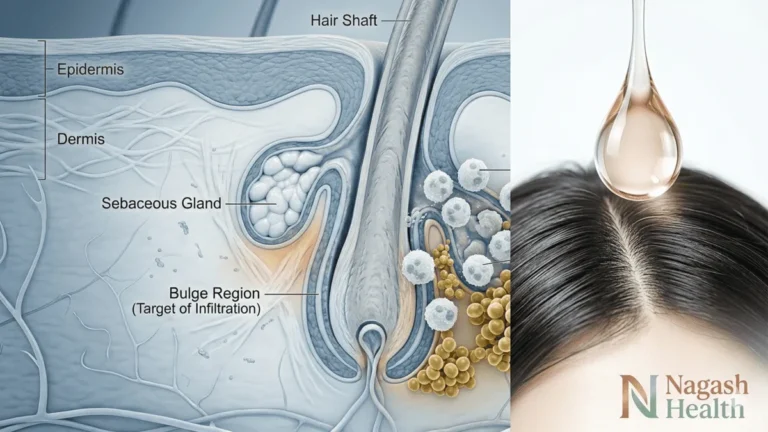
Anatomically speaking, the scalp isn’t a magical, maintenance-free terrain separate from the rest of your body; it is skin—just skin with a much higher density of sebaceous glands and hair follicles.
In fact, the scalp contains some of the highest concentrations of oil glands and sweat glands on the entire body. It is also home to a complex ecosystem of microorganisms known as the scalp microbiome.
When this environment becomes unbalanced due to environmental pollutants, heavy styling product accumulation, excess oil, or harsh cleansing agents, a domino effect begins:
Pores around hair follicles become clogged.
Micro-inflammation sets in.
The skin barrier becomes compromised, leading to flaking, irritation, or soreness.
Hair follicles are choked out, resulting in thinning, breakage, and lacklustre growth.
In short: Healthy hair cannot grow from a compromised foundation. If you want to optimize your hair’s growth cycle and natural shine, implementing a consistent scalp care routine is the only way to target the root cause directly.
The 4-Step Skincare Routine for Your Scalp
Transitioning from traditional hair washing to a true scalp care routine is simple when you break it down into four familiar, dermatologist-backed steps: cleanse, exfoliate, treat, and hydrate.
Step 1: Cleanse (The Foundation of Health)
Just like washing your face at night removes the day’s debris, your scalp needs an intentional cleanse that addresses buildup without stripping away essential moisture.
Standard commercial shampoos often leave behind residue or use harsh sulfates that disrupt the delicate skin barrier. Incorporating a targeted clarifying or chelating step into your weekly scalp care routine helps lift stubborn mineral deposits, hard water buildup, and styling residue from the root. If you are dealing with persistent buildup or hard water issues common across many US municipalities, integrating a specialized clarifying treatment can help reset your scalp’s natural pH without causing harsh dryness.
Step 2: Exfoliate (Banish Buildup and Flakes)
You wouldn’t dream of going months without exfoliating your face or body, yet many people rely solely on friction from fingers to clear dead skin cells off their scalp.
While physical scrubs can sometimes cause micro-tears or get tangled in hair strands, chemical exfoliants have taken over the market. Ingredients like salicylic acid (a BHA) and glycollic acid penetrate oil-slicked pores to dissolve dead skin cells, sebum plugs, and stubborn flakes at the microscopic level. Adding a chemical exfoliant to your bi-weekly scalp care routine will instantly clear the pathway for healthier, unobstructed follicles.

Dermatologist-Recommended Scalp Exfoliating Scrub
Clear stubborn buildup and soothe micro-inflammation with a clinically-tested formula designed for a healthy scalp barrier.
Step 3: Treat & Serum (Targeted Solutions)
Facial skincare relies on active ingredients to treat specific concerns—like niacinamide for redness or retinol for cell turnover. Your scalp requires the exact same targeted approach within any modern scalp care routine.
Whether you are dealing with seasonal thinning, sluggish growth phases, or an unbalanced microbiome, topical serums deliver potent actives directly to the dermal layer of the scalp. Consistency with a targeted treatment serum is what separates stagnant hair growth from visible clinical improvement.
Step 4: Maintain Hydration and Balance (Barrier Protection)
Dry, tight, or irritated skin on your face gets a soothing moisturizer or barrier cream. Your scalp needs similar attention, especially if you wash frequently or use heat styling tools. Incorporating lightweight, non-greasy hydrators into your scalp care routine helps soothe micro-inflammation and reinforces the skin barrier, ensuring your scalp stays comfortable, balanced, and flake-free.
Common Scalp Mistakes to Avoid
As you build your new regimen, steer clear of these common pitfalls that sabotage your overarching scalp care routine:
Over-Washing vs. Under-Washing: Stripping your scalp daily with harsh detergents forces it to overcompensate by producing excess oil. Conversely, letting sebum, sweat, and dry shampoo accumulate for days creates a breeding ground for yeast and micro-inflammation.
Ignoring Product Buildup: Dry shampoo, texturising sprays, and silicones settle directly onto the skin surface. If not properly broken down with targeted cleansers, they choke the hair follicle over time.
Scratched-Up Skin: Never use sharp fingernails to scratch an itchy scalp during washing. This causes microscopic tears and potential infections. Use the pads of your fingers or a silicone scalp massager instead.
Frequently Asked Questions
Can I use my facial skincare products on my scalp?
Yes! Many lightweight, hydrating ingredients used on the face—such as hyaluronic acid, niacinamide, and gentle amino acids—can work wonders when integrated into a targeted scalp care routine for dry or irritated skin.
How often should I exfoliate my scalp?
For most people, exfoliating once a week or biweekly is plenty. If you use a lot of heavy styling products or live in an area with hard water, you may benefit from an exfoliating session every 5 to 7 days.
Is scalp care really the key to stopping hair loss?
While hair loss can stem from internal, hormonal, or genetic factors (such as nutritional deficiencies or stress), maintaining a clean, inflammation-free scalp environment through a dedicated scalp care routine ensures that your active follicles have the optimal biological conditions to produce strong, thick hair strands.
Conclusion: Start at the Root
Your hair is a reflection of what is happening beneath the surface. By shifting your perspective from treating just the strands to nurturing the skin from which they grow, you unlock the secret to long-lasting vitality, shine, and strength.
Start small this week by introducing one targeted step into your regular habits, and watch your hair transform from the root up.
Disclaimer: The content provided in this article is for informational and educational purposes only and is not intended as medical advice. Always consult with a qualified dermatologist or healthcare provider in the United States before starting any new scalp treatment, especially if you have pre-existing skin conditions or chronic hair loss concerns.