Bleached Blonde Hair Care: Complete 2026 Guide

1. Introduction
The Bleach Reality Check
Bleached blonde hair care is one of the biggest challenges for US women who love platinum and icy blonde looks. While bleaching gives you that stunning bright color, it also strips away natural moisture, protein, and protective barriers—leaving your hair dry, brittle, and prone to breakage.
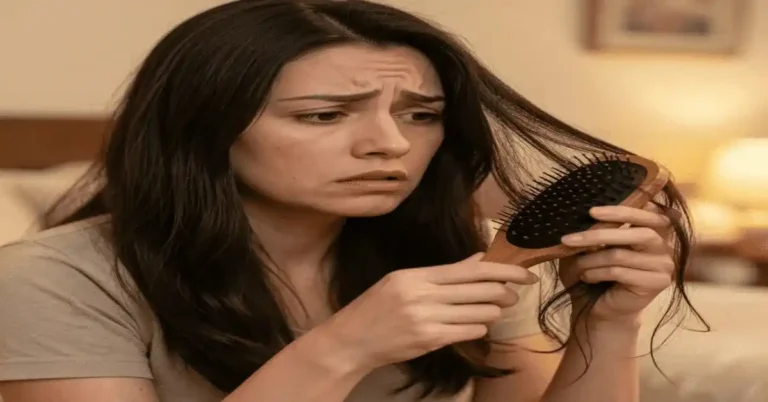
If you’ve ever run your fingers through your bleached hair and felt that rough, tangled texture, you’re not alone. Millions of American women and men struggle with the same issue. The good news? With the right routine, you can absolutely maintain bright, beautiful blonde hair without sacrificing its health.
Why Blonde Hair Demands a Shift
Here’s the hard truth: your old grocery store hair care routine won’t cut it anymore. Standard shampoos, cheap conditioners, and drugstore treatments are designed for virgin or lightly processed hair. Bleached blonde hair has different needs—it needs specialized, salon-grade care that focuses on moisture retention, bond repair, and gentle cleansing. If you continue using the same products you used before bleaching, you’ll only accelerate the damage.
This means investing in better products, learning new techniques, and completely rethinking how you wash, style, and protect your hair. It sounds like a lot, but once you build the habit, it becomes second nature.
What You’ll Learn
In this comprehensive guide, we’ll walk you through a step-by-step roadmap designed specifically for US blondes. You’ll learn how to:
Lock in moisture and prevent dryness
Repair broken bonds inside your hair
Maintain a bright, toned blonde color between salon visits
Protect your hair from heat damage
Create a weekly schedule that is both durable and effective.
By the end of this article, you’ll have all the tools and knowledge you need to keep your blonde hair healthy, shiny, and vibrant—without living at the salon.
2. The Science of Bleached Blonde Hair Care: Why Is It So Dry?
How Bleaching Works (And Why It Hurts)
To understand why bleached hair is so dry, you first need to understand what bleach actually does. Hair consists of three principal layers:
The outer layer of defense, known as the cuticle, is composed of overlapping scales.
The Cortex—The middle layer, which contains pigment and moisture
The Medulla—The innermost core (often absent in fine hair)
When you apply bleach, it penetrates the cuticle and enters the cortex. There, it breaks down the natural melanin (pigment) that gives your hair its color. But here’s the problem: bleach doesn’t just stop at melanin. It also shatters the disulfide bonds—the chemical bonds that give hair its strength and structure. It also strips away natural oils and lipids that keep hair soft and hydrated.
The result is hair that is
Highly porous—full of gaps and holes where moisture escapes
Weak and fragile—prone to breakage and snapping
Dry and rough—because the cuticle is damaged and can’t hold moisture
Understanding Hair Porosity
Porosity refers to your hair’s ability to absorb and retain moisture. There are three types:
Low Porosity – Tight cuticles; moisture struggles to enter
Medium Porosity – Balanced, healthy hair
High Porosity—Raised, damaged cuticles; moisture enters easily but escapes just as fast
Bleached blonde hair is almost always high porosity. This means it drinks up moisture quickly—but loses it just as fast. That’s why your hair feels dry again just hours after conditioning. The cuticle is so damaged that it can’t seal in hydration.
This is why sealing is so important. You need things that seal in moisture as well as add it.
The Eternal Struggle: Protein vs. Moisture Balance
If you’ve been researching bleached hair care, you’ve probably heard about the protein-moisture balance. Here’s the simplified version:
Protein – Strengthens hair, fills gaps in the cuticle, prevents breakage
Moisture – Softens hair, adds elasticity, prevents brittleness
Bleached hair needs both—but in the right amounts. Too much protein leads to protein overload, which makes hair stiff, straw-like, and prone to snapping. Too little protein leads to moisture depletion, where hair feels mushy, limp, and overly stretchy.
The key is to alternate between protein-rich treatments (like bond builders) and moisture-rich treatments (like deep conditioning masks). In the parts that follow, we’ll go over how to do this in detail.
Step 1: Revamp Your Bleached Blonde Hair Care Wash Day Routine
Slash Washing Frequency
If you’re washing your bleached hair every day, stop immediately. Daily washing strips away the natural oils your scalp produces to protect your hair. For bleached blonde hair care, washing 1–2 times per week is ideal. This gives your scalp time to produce natural oils, which can travel down the hair shaft and provide some much-needed moisture. This simple change is one of the most effective bleached blonde hair care habits you can build.
If your hair feels greasy between washes, use a dry shampoo specifically formulated for blonde hair. These not only absorb oil but also add volume and texture.
The Water Trap
Here’s something most people don’t realize: hot water is your hair’s worst enemy. Hot water swells the hair cuticle, causing it to lift and become more porous. This means more moisture escapes, and your hair becomes drier and more fragile.
The solution? When washing and rinsing, always use cool or lukewarm water. Your hair will appreciate it, even though it’s less calming. The cuticle is sealed by cool water, which retains moisture and luster.
Choosing the Right Cleanser
Not all shampoos are created equal. Most drugstore shampoos contain harsh sulfates like SLS (Sodium Lauryl Sulfate) and SLES (Sodium Laureth Sulfate). These ingredients are great at removing oil and product buildup—but they’re too good. They strip away natural oils, fade toner, and leave bleached hair feeling like straw. Choosing the right cleanser is the foundation of successful bleached blonde hair care. Without it, even the best bleached blonde hair care routine will fail.
What to look for instead:
Sulfate-free shampoos—gentle, color-safe, and moisture-friendly
Hydrating shampoos—Formulated with ingredients like glycerin, aloe, and hyaluronic acid
Purple shampoos – For toning, but use sparingly (we’ll cover this later)
Recommended US Brands:
Redken Acidic Bonding Concentrate Shampoo
Pureology Hydrate Sheer Shampoo
Briogeo: Don’t Despair, Repair! Shampoo

Olaplex No. 4 Bond Maintenance Shampoo
The ultimate bond-building cleanser designed specifically to repair and restore bleached blonde hair.
4. Step 2: Hydrating masks and bond builders for bleached blonde hair
Bond Repair Technology
Consistency is the key to successful bleached blonde hair care. Even the best products won’t work without a good regimen. Bond builders are the holy grail of bleached blonde hair care. These products work by repairing the disulfide bonds that bleach destroys. They don’t just coat the hair—they actually rebuild it from the inside out. For anyone serious about bleached blonde hair care, bond builders are non-negotiable.
How they work:
Olaplex – Uses a patented molecule called bis-amino PEG/PPG-41/3 aminoethyl PG-propyl dimethicone to reconnect broken bonds
K18 – Uses a peptide called K18Peptide that penetrates the hair shaft and repairs damage at a molecular level
Redken Acidic Bonding Concentrate – Uses citric acid and bonding technology to strengthen hair
How to use them:
Apply to damp, clean hair
Leave on for the recommended time (usually 4–10 minutes)
Rinse thoroughly
Use 1–2 times per week, depending on damage level
Important: Don’t overuse bond builders. Too much protein can lead to stiffness and breakage. Alternate with moisture treatments.
Deep Conditioning Powerhouses
Regular conditioners are fine for maintenance, but bleached hair needs more. Deep conditioning masks are richer, more concentrated, and designed to penetrate the hair shaft for intense hydration.
What to look for:
Hydrating Components – Shea butter, argan oil, coconut oil, glycerin
Protein-free formulas—to balance out bond builders
Salon-grade quality—Available at Sephora, Ulta, or salon supply stores
Recommended US Brands:
Briogeo: Don’t Despair, Repair! Deep Conditioning Mask
It’s a 10 Miracle Hair Mask
Moroccanoil Intense Hydrating Mask
Olaplex No. 8 Bond Intense Moisture Mask
How to use:
Apply generously to damp, clean hair
Focus on mid-lengths and ends
Leave on for 10–20 minutes (use a shower cap for extra penetration)
Rinse with cool water
At-Home Glazes & Glosses
Between salon visits, your blonde color can start to look dull or brassy. Hair glosses are a great way to refresh shine and tone without harsh chemicals. They work by coating the hair cuticle, smoothing it down, and reflecting light.
Types of glosses:
Clear gloss—Adds shine without changing color
Toning gloss – Neutralizes brassiness (purple or blue-based)
Color-depositing gloss—Adds a subtle tint
Recommended US Brands:
Gloss+ by dpHUE
Kristin Ess Signature Hair Gloss
Amika Flash Instant Shine Mask
How to use:
Apply to damp, clean hair
Leave on for 10–20 minutes
Rinse thoroughly
Use every 1–2 weeks
5. Step 3: Heat Styling Rules for Bleached Blonde Hair Care
Lower the Temperature
Bleached hair is already fragile. Add high heat, and you’re basically asking for breakage. Hot tools should never exceed 350°F (175°C) for bleached hair. In fact, if your hair is severely damaged, keep it below 300°F (150°C).
Why? Bleached hair has a lower melting point than virgin hair. At high temperatures, the hair shaft can literally bubble and snap. Even if you don’t see visible damage, the heat is weakening the internal structure. Heat protectant is non-negotiable in bleached blonde hair care. If you skip this step, your entire bleached blonde hair care routine will suffer.
Tips:
Use a heat protectant every single time
Keep the tool moving—don’t hold it in one place
Avoid touching the iron to the ends for too long
The Non-Negotiable Heat Protectant
A heat protectant is not optional. It’s a barrier between your hair and the heat, and it can mean the difference between healthy hair and a head full of split ends.
What to look for:
Multi-benefit formulas—Protect against heat, UV rays, and humidity
Professional-grade – Available at Sephora, Ulta, or salon supply stores
Lightweight – Won’t weigh down fine hair
Recommended US Brands:
Olaplex No. 9 Bond Protector Nourishing Hair Serum
Redken Heat Design 22
Bumble and Bumble Hairdresser’s Invisible Oil Heat and Ultraviolet Protective Primer
Living Proof Perfect Hair Day Heat Styling Spray
How to use:
Apply to damp hair before blow-drying
Reapply before using flat irons or curling wands
Don’t skip this step—ever
Embracing Heatless Styling
One of the best things you can do for bleached hair is to give it a break from heat. Heatless styling has become a massive trend in the US, and for good reason—it’s gentle, effective, and easy.
Popular heatless methods:
Heatless curlers—foam or silk rollers that you sleep in
Air-drying—Let your hair dry naturally whenever possible
Braiding—Sleep in braids for natural waves
Sock curls—Use socks to create curls without heat
Tips:
Apply a leave-in conditioner or styling cream before heatless styling
Be gentle when removing curlers—don’t yank or pull
Use a silk pillowcase or bonnet to prevent friction while you sleep
6. Step 4: Top U.S. Products & Moisture-Sealing Closure
Leave-In Conditioners & Detanglers
Leave-in conditioners are lightweight, hydrating products that stay in your hair all day. They are an essential part of any bleached blonde hair care routine. They add moisture, reduce frizz, and make detangling easier—which is crucial for bleached hair, since it’s more prone to tangles and breakage. For successful bleached blonde hair care, never skip this step.
What to look for:
Lightweight formulas that won’t make fine hair seem heavy
Hydrating ingredients – Glycerin, aloe, panthenol
Detangling properties—Silicone-free if possible
Recommended US Brands:
It’s a 10 Miracle Leave-In Product
Pureology Color Fanatic Multi-Tasking Leave-In Spray
Moroccanoil All In One Leave-In Conditioner
Briogeo Goodbye Frizz Rosarco Milk Leave-In Conditioner Spray
How to use:
Spray onto damp hair after washing
Comb through with a wide-tooth comb
Don’t rinse out
Reapply to dry hair as needed
Sealing the Ends
The ends of your hair are the oldest and most fragile part—especially if you have bleached hair. Sealing is the process of applying a heavy oil or butter to the ends to lock in moisture and prevent splitting.
Best oils for sealing:
Lightweight and high in vitamin E is argan oil.
Squalane – Mimics natural scalp oils, non-greasy
Jojoba oil – Closest to natural sebum
Bonding oils—specially formulated for damaged hair
Recommended US Brands:
Olaplex No. 7 Bonding Oil
Moroccanoil Treatment Original
K18 Molecular Repair Hair Oil
The Typical Moroccan Argan Oil, Cold-Pressed and 100% Organic
How to use:
Apply two to three drops to dry or wet ends.
Pay attention to the final two to three inches of hair.
Don’t apply to roots—it can make them look greasy
Nighttime Defense
While you sleep, your hair rubs against your pillowcase, causing friction, tangles, and breakage. This is a significant cause of damage to bleached hair. The solution? Silk.
Why silk?
Less friction—Silk is smoother than cotton, so hair glides over it
Less moisture absorption—Silk doesn’t pull moisture from your hair like cotton does
Less breakage—Reduced friction means fewer split ends
What to invest in:
This 100% mulberry silk pillowcase is available at Bed Bath & Beyond, Amazon, and various specialty stores.
Silk bonnet—Great for protecting curls and long hair
Silk scrunchies—For tying hair back without causing damage
Recommended US Brands:
Blissy Silk Pillowcase
Alaska Bear Silk Bonnet
Bonus tip: Sleep with your hair in a loose braid or bun to further reduce tangles.
7. Step 5: The Purple Shampoo Trap (How to Use It Without Drying Out Your Hair)
Why Purple Shampoo Dries Hair
Purple shampoo is a lifesaver for maintaining blonde color—it neutralizes brassy yellow and orange tones. But here’s the catch: purple shampoo is drying. The violet pigments and cleansing agents that make it effective at toning are also harsh on bleached hair. If you use it too often, you’ll strip away moisture and end up with dry, brittle strands.
The Golden Rule
Limit purple shampoo to once every 2–3 washes. Or, even better, alternate it with a moisture-rich hydration shampoo. This way, you get the toning benefits without the dryness.
Tips:
Only leave it on for 3–5 minutes—no longer
Focus on the areas that tend to get brassy (mid-lengths and ends)
Always follow with a deep conditioning mask
Use cool water to rinse
Alternative Options
If your hair is severely dry, consider swapping purple shampoo for purple hair masks. These are gentler, more hydrating, and still provide color correction.
Recommended US Brands:
Bust Your Brass Cool Blonde Repair Mask, Amika
Briogeo Don’t Despair, Repair! Blonde Recovery Mask
Olaplex No. 4P Blonde Enhancer Toning Shampoo (gentler than most)
Fanola No Yellow Mask
How to use:
Apply to damp, clean hair
Leave on for 5–10 minutes
Rinse thoroughly
Use once a week or as needed
8. The Ultimate Bleached Blonde Hair Care Weekly Checklist
Here’s a simple, day-by-day breakdown to keep your bleached blonde hair healthy and vibrant.
Day 1: Wash Day
Pre-wash: Apply a bonding oil to ends 30 minutes before washing
Wash: Use sulfate-free, hydrating shampoo
Condition: Apply deep conditioning mask, leave on 10–20 minutes
Treat: Use bond builder (if needed)
Leave-in: Apply leave-in conditioner and heat protectant
Style: Air-dry or use heat tools on a low setting
Seal: Apply bonding oil to ends
Day 2: Rest Day
Morning: Refresh with dry shampoo if needed
Night: Sleep on a silk pillowcase or with a silk bonnet
Day 3: Moisture Day
Morning: Apply leave-in conditioner to damp ends
Night: Seal ends with argan or squalane oil
Day 4: Toning Day (Every Other Week)
Wash: Use purple shampoo or purple mask
Condition: Follow with deep conditioning mask
Style: Air-dry or heatless styling
Day 5: Rest Day
Morning: Refresh with dry shampoo
Night: Silk pillowcase or bonnet
Day 6: Heatless Styling Day
Morning: Apply leave-in conditioner
Style: Use heatless curlers or braids
Night: Silk pillowcase or bonnet
Day 7: Wash Day (Repeat)
Pre-wash: Bonding oil
Wash: Sulfate-free shampoo
Condition: Deep conditioning mask
Treat: Bond builder
Leave-in: Leave-in conditioner and heat protectant
Style: Air-dry or low-heat styling
Seal: Bonding oil
9. Conclusion
Final Takeaway
Bleached blonde hair care is a marathon, not a sprint. It requires consistency, patience, and the right products. You can’t bleach your hair to platinum and then expect it to feel like virgin hair overnight—but with the right bleached blonde hair care routine, you can absolutely maintain bright, beautiful blonde hair without dryness, breakage, or constant salon visits.
Remember the key principles:
Moisture is everything—hydrate, seal, and protect
Protein is important, but don’t overdo it—balance is key
Heat is the enemy—keep tools below 350°F and always use protectant
Purple shampoo is a tool, not a daily staple—use it sparingly
Silk is your best friend—protect your hair while you sleep
Consistency wins every time. Stick to your routine, listen to your hair, and adjust as needed. Your blonde hair will thank you.
10. Frequently Asked Questions (FAQ)
Q1: How often should I wash bleached blonde hair?
Bleached blonde hair care requires washing only 1–2 times per week. Daily washing strips away natural oils and fades toner, making your hair drier and more brittle. If your hair feels greasy between washes, use a dry shampoo specifically formulated for blonde hair.
Q2: Can I use purple shampoo every day on bleached hair?
No, you should not use purple shampoo daily. In bleached blonde hair care, purple shampoo should be limited to once every 2–3 washes. Overuse dries out hair and can leave it feeling straw-like. Always use a deep conditioning mask afterward.
Q3: What is the best way to repair dry, bleached blonde hair?
The best bleached blonde hair care routine includes bond builders, deep conditioning masks, and leave-in conditioners. Bond builders repair broken disulfide bonds, while hydrating masks restore moisture. Alternate between protein treatments and moisture treatments for the best results.
Q4: How do I prevent breakage on bleached blonde hair?
To prevent breakage, keep hot tools below 350°F (175°C), always use a heat protectant, and sleep on a silk pillowcase. These simple steps are essential parts of any bleached blonde hair care routine and can dramatically reduce breakage.
Q5: How often should I use bond builders on bleached hair?
For most people, bond builders should be used 1–2 times per week. However, this depends on your hair’s damage level. Excessive use may result in protein overload, causing hair to become rigid and more likely to break. Balance is key in bleached blonde hair care.
Q6: Can I air-dry bleached blonde hair instead of using heat?
Absolutely! Air-drying is one of the best things you can do for bleached blonde hair care. It prevents heat damage and gives your hair a break from styling tools. If you need waves, try heatless curlers or braids instead of curling wands.
Q7: What ingredients should I avoid in bleached blonde hair care products?
Avoid harsh sulfates (SLS/SLES), parabens, and high concentrations of alcohol. These ingredients strip moisture and fade toner. Instead, look for sulfate-free shampoos, hydrating masks, and bonding oils in your bleached blonde hair care routine.
Call to Action
What’s your biggest struggle with bleached blonde hair? Do you have a favorite product that’s saved your strands? Drop a comment below—I’d love to hear from you! And if you found this guide helpful, share it with a fellow blonde who needs it.
Disclaimer
This article is for informational and educational purposes only and does not constitute professional hair styling or dermatological advice. Results may vary based on individual hair types, history, and level of damage. Always consult with a licensed professional colorist before making major changes to your hair care routine or treating severely damaged hair.