Best Folliculitis Shampoo Options in 2026: Top Picks
Best Folliculitis Shampoo Options in 2026: Dermatologist-Approved Picks for Scalp Relief
1. Introduction
Waking up to painful, itchy bumps, persistent redness, and acne-like pimples on your scalp is more than just a minor annoyance—it can completely disrupt your daily comfort. If you are dealing with these frustrating symptoms, you are likely battling scalp folliculitis, a common inflammatory condition where hair follicles become infected by bacteria or fungi. However, the biggest mistake most people make is grabbing any random bottle from their shower rack. Without using a targeted folliculitis shampoo, an ordinary wash can turn a minor breakout into a full-blown scalp flare-up.
The core of the problem lies in the formulation of standard hair care products. Regular shampoos are frequently packed with harsh sulphates, synthetic fragrances, and heavy botanical oils. While these ingredients might work fine for a healthy scalp, they act as fuel for inflamed follicles. Heavy oils can clog your pores, creating an ideal breeding ground for bacteria, while aggressive surfactants strip your natural skin barrier, leaving your scalp vulnerable to deeper irritation. When you are fighting an active infection, your standard hair care routine simply won’t cut it.
Fortunately, the solution is straightforward: switching to a specialised folliculitis shampoo. Finding the right medicated or over-the-counter (OTC) folliculitis shampoo is the most crucial step you can take to calm active inflammation, eliminate microbial overgrowth, and accelerate your scalp’s natural healing process. The right formula doesn’t just clean your hair; it delivers active, clinical-grade ingredients directly to the root of the problem to restore long-term scalp health.
In this comprehensive 2026 guide, we are going to break down exactly what to look for in a high-performing folliculitis shampoo. You will learn about the science-backed active ingredients that dermatologists highly recommend, the hidden irritants you must avoid at all costs, and our curated list of the top product recommendations available in the USA to help you achieve a clear, flake-free, and pain-free scalp.
2. What to Look For in a Folliculitis Shampoo (Active Ingredients)
When you are scanning the hair care aisle for an effective folliculitis shampoo, the front label marketing matters far less than the active ingredient list on the back. Scalp folliculitis can be triggered by either bacterial pathogens or fungal overgrowth (such as Malassezia). Therefore, your folliculitis shampoo needs to contain specific, clinically proven agents designed to target these microbes while soothing the surrounding skin.
To make your search easier, look for these dermatologist-recommended active ingredients depending on your specific scalp needs:
Ketoconazole and Zinc Pyrithione (The Fungal Fighters)
If your scalp breakouts are intensely itchy, flare up in warm weather, or are accompanied by stubborn dandruff, you are likely dealing with fungal folliculitis. For this variant, a folliculitis shampoo formulated with ketoconazole or zinc pyrithione is your absolute best line of defence.
Ketoconazole is a powerful antifungal agent that actively disrupts the cellular membranes of yeast, stopping fungal replication in its tracks.
Zinc pyrithione offers a gentler, daily antimicrobial alternative that regulates yeast populations while significantly reducing the scalp redness associated with inflammatory flare-ups.
Salicylic Acid (The Pore Exfoliator)
Much like facial acne, scalp folliculitis is heavily exacerbated by trapped sebum and dead skin cells that suffocate the hair follicle. A folliculitis shampoo featuring salicylic acid (a beta hydroxy acid, or BHA) acts as a deep-cleaning chemical exfoliant. Because salicylic acid is oil-soluble, it can penetrate deep into the follicular lining to dissolve the sticky sebum plugs and scale buildup. By keeping the pores completely clear, it prevents the trapped blockages where bacterial infections typically breed.
Selenium Sulfide (The Flake and Itch Controller)
When folliculitis causes severe flaking, crusting, and a constant, agonising urge to scratch, selenium sulphide is an invaluable ingredient to look for. This compound works by slowing down the rapid turnover of skin cells on the scalp, effectively reducing both scaling and dandruff. Furthermore, it possesses mild antifungal properties, making it an excellent multi-tasking ingredient in a medicated folliculitis shampoo to bring rapid, soothing relief to a highly irritated, burning scalp.
Tea Tree Oil and Oil-Free Formulas (The Natural Clarifiers)
For those who prefer a holistic or supportive daily approach alongside clinical treatments, tea tree oil is a highly effective botanical option. It is naturally packed with terpinen-4-ol, a compound renowned for its potent antibacterial and antifungal properties.
⚠️ Important Scalp Care Note: When choosing a natural option, always ensure the overall product uses an oil-free formula. While tea tree oil itself is beneficial, many natural products blend it with heavy carrier oils (like coconut or olive oil). These heavy oils act as a food source for fungal folliculitis and will rapidly clog your pores, completely undoing the benefits of your folliculitis shampoo. Stick to clean, lightweight, and clarifying liquid bases.
3. Best Folliculitis Shampoos: Top Picks for 2026
Finding the right over-the-counter (OTC) treatment can feel overwhelming with so many options on the market. To simplify your search, we have curated a list of the absolute best options available in 2026. Each folliculitis shampoo featured below targets specific scalp concerns, ensuring you find the perfect match for your routine.
1. Top Pick for Fungal Folliculitis: Nizoral Anti-Dandruff Shampoo
Category: Antifungal / Clinical OTC Treatment
Active Ingredient: 1% Ketoconazole
If your scalp bumps are intensely itchy and triggered by sweat or humidity, Nizoral is the gold standard.
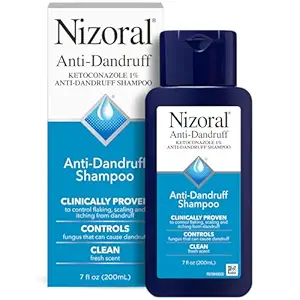
Nizoral Anti-Dandruff Shampoo (1% Ketoconazole)
The gold standard for fungal folliculitis. Formulated with 1% ketoconazole to actively target and destroy yeast overgrowth while delivering rapid relief from intense scalp itching and redness.
Formulated with 1% ketoconazole, this powerful folliculitis shampoo binds directly to your hair’s natural proteins to continuously fight fungal overgrowth (Malassezia) long after you rinse it off. It is highly effective at stopping the cellular replication of yeast, which rapidly calms red, angry fungal breakouts.
Pros:
Clinically proven to eliminate deep-seated fungal overgrowth.
Relieves severe scalp itching and redness almost instantly.
Only needs to be used twice a week to see significant results.
Cons:
Can be slightly drying to the actual hair strands; requires a safe conditioner on the hair ends.
Contains sulphates, which might not suit ultra-sensitive or chemically treated hair.
2. Best Salicylic Acid Option for Clogged Pores: Neutrogena T/Sal Therapeutic Shampoo
Category: Exfoliating / Keratolytic Treatment
Active Ingredient: 3% Salicylic Acid
When your scalp condition is driven by crusty buildup, clogged hair follicles, and oily sebum plugs, Neutrogena T/Sal is an exceptional choice. This clear, dermatologist-recommended folliculitis shampoo utilises maximum strength 3% salicylic acid. As an oil-soluble Beta Hydroxy Acid (BHA), it cuts through heavy scalp oils to dissolve dead skin cells and clear out the follicular lining, preventing future bacterial or fungal traps.
Pros:
Completely free of added fragrances, colourants, and preservatives.
Excellent at breaking down heavy scaling, crust, and stubborn buildup.
Preps the scalp perfectly for other topical medical treatments.
Cons:
Does not contain a direct antimicrobial agent (best paired with an antimicrobial treatment).
The liquid formula is quite thin, which can lead to using too much product at once.
3. Best Clinical/Antimicrobial Wash: CLn Shampoo
Category: Antibacterial / Medical-Grade Scalp Wash
Active Ingredient: Sodium Hypochlorite (Preserved Bleach) and Salicylic Acid
For severe, recurrent, or suspected bacterial scalp infections, CLn Shampoo is highly recommended by dermatologists across the USA. Unlike standard over-the-counter options, this innovative folliculitis shampoo leverages the clinically proven antimicrobial power of sodium hypochlorite. It effectively cleanses compromised scalps prone to infection without inducing antibiotic resistance, making it safe for long-term maintenance.
Pros:
Designed specifically for clinical-grade management of bacterial folliculitis.
Effectively reduces hair follicle redness, crusting, and oozing bumps.
Formulated without parabens, fragrances, or steroids.
Cons:
Premium pricing; significantly more expensive than standard drugstore options.
Has a mild, clean pool-like scent during application due to its active ingredients.
4. Best Budget-Friendly OTC Option: Selsun Blue Maximum Strength
Category: Antifungal & Anti-Shedding Treatment
Active Ingredient: 1% Selenium Sulfide
If you are looking for an accessible, budget-friendly drugstore option that delivers hard-hitting results, Selsun Blue Maximum Strength is a reliable choice. This folliculitis shampoo utilises 1% selenium sulphide to target both the fungal components of scalp irritation and the rapid turnover of skin cells. It works quickly to suppress severe flaking and burning sensations, making it a staple for affordable scalp care.
Pros:
Highly affordable and easily accessible in almost any USA grocery store or pharmacy.
Provides quick relief from intense scalp burning and flaking.
Contains added moisturisers to help prevent the hair from becoming overly brittle.
Cons:
Can leave a distinct medicinal odour on the hair that lasts throughout the day.
May tint or discolour chemically lightened, dyed, or grey hair if not rinsed thoroughly.
5. Best Natural/Soothing Option: Maple Holistics Pure Tea Tree Shampoo
Category: Botanical / Sulfate-Free Daily Care
Active Ingredient: Pure Tea Tree Oil, Rosemary Oil, and Lavender Essential Oil
For individuals who prefer a holistic approach or need a gentle daily cleanser between medicated treatments, Maple Holistics Tea Tree Shampoo is a fan favourite. This natural folliculitis shampoo utilises the inherent antibacterial and antifungal properties of high-grade tea tree oil. It purifies the scalp and clears away minor impurities without stripping the skin barrier, all while avoiding the heavy, pore-clogging carrier oils that feed folliculitis.
Pros:
100% sulphate-free, paraben-free, and safe for colour-treated hair.
Provides a refreshing, cooling sensation that immediately takes the sting out of inflamed bumps.
Clean, plant-derived formula that won’t leave heavy residues on the scalp.
Cons:
May not be strong enough on its own to clear up moderate-to-severe clinical folliculitis.
Natural essential oils can still trigger contact dermatitis in rare cases of hyper-sensitive skin.
4. Ingredients to Avoid if You Have Scalp Folliculitis
When dealing with inflamed, painful hair follicles, knowing what not to put on your head is just as important as finding the right treatment. Many mainstream hair care products contain filler ingredients that actively feed infections or compromise your skin’s defences.
When shopping for a folliculitis shampoo, always check the ingredient label and steer completely clear of these major scalp irritants:
Heavy Oils and Occlusive Emollients (Pore-Clogging Triggers)
The absolute golden rule of managing scalp folliculitis is to keep the hair follicles free from heavy, suffocating blockages. You must avoid shampoos containing heavy botanical oils or occlusives, such as:
Coconut Oil
Petroleum / Petrolatum
Mineral Oil
While these ingredients are excellent for smoothing dry hair strands, they act as a thick seal over the skin. On an infected scalp, they trap dead skin cells and sweat inside the pore, creating a stagnant environment where bacteria thrive. Furthermore, if your condition is fungal, heavy lipids like coconut oil serve as a direct food source for the yeast, causing the infection to multiply rapidly. Always ensure your folliculitis shampoo explicitly states it features an oil-free, clarifying, or non-comedogenic formula.
Harsh Sulfates (Skin Barrier Disrupters)
Many commercial clarifying shampoos use aggressive surfactants like sodium lauryl sulphate (SLS) and sodium laureth sulphate (SLES) to create a thick, foamy lather. While these detergents are highly effective at stripping away grease, they are far too harsh for an infected scalp.
Sulphates strip away the delicate lipids that make up your natural skin barrier. When this protective shield is compromised, your scalp loses moisture rapidly, leading to micro-cracks in the skin. This allows bacteria and fungi to penetrate deeper into the hair follicles, turning a mild breakout into a chronic, painful cycle of inflammation. For long-term relief, consider alternating your medicated washes with a gentle, sulphate-free folliculitis shampoo.
Synthetic and Artificial Fragrances (Contact Irritants)
That pleasant “ocean breeze” or “floral escape” scent in your favourite drugstore shampoo is often a complex cocktail of synthetic chemicals. On healthy skin, artificial fragrances are relatively harmless; however, on a scalp raw from folliculitis, they are notorious triggers for contact dermatitis and allergic reactions.
Fragrances provoke the immune system, causing localised swelling, intense itching, and increased redness. Scratching these newly irritated areas introduces foreign bacteria from your fingernails directly into open sores, leading to secondary infections. To give your skin the peace it needs to heal, always opt for a fragrance-free or naturally derived, low-irritant folliculitis shampoo.
5. How to Use a Medicated Folliculitis Shampoo Correctly
Buying the most advanced, dermatologist-recommended folliculitis shampoo is only half the battle. Because these products are formulated with active medical compounds rather than standard cosmetic cleansers, how you apply them directly dictates how quickly your scalp will heal.
To maximise the therapeutic benefits of your wash, follow this strict three-step application protocol:
The 5-Minute Contact Rule
The most common mistake people make with a medicated folliculitis shampoo is rinsing it out immediately after lathering. Active ingredients like ketoconazole, salicylic acid, or sodium hypochlorite require localised contact time to penetrate the thick stratum corneum of the scalp and dissolve microbial cell walls.
The Technique: Gently massage the shampoo directly into your wet scalp using your fingertips (never your fingernails, which can tear the skin and spread bacteria). Once a lather forms, leave the shampoo completely untouched on your scalp for 3 to 5 minutes before rinsing thoroughly with lukewarm water.
Establish a Strategic Wash Frequency
Medicated formulas are highly targeted and should not replace your regular daily shampoo indefinitely. For an active, weeping, or itchy flare-up, you should typically use your therapeutic folliculitis shampoo 2 to 3 times per week. Washing more frequently than this can severely dry out your skin, causing your sebaceous glands to overproduce oil in response, which inadvertently triggers more clogged pores. Once your scalp clears up, reduce usage to once a week or once every two weeks as a preventative maintenance measure.
Re-Evaluate Your Conditioning Routine
If you have dry or long hair, a medicated shampoo can leave your hair strands feeling brittle. You can absolutely still use a conditioner, but your application method must change. Apply a lightweight, safe, oil-free conditioner strictly to the mid-shaft and ends of your hair. Never apply conditioner directly to your scalp, as even clean formulas can leave behind an occlusive film that traps bacteria inside raw hair follicles.
6. Conclusion & When to See a Dermatologist
Managing scalp folliculitis requires a delicate balance of deep clarification, antimicrobial intervention, and skin barrier preservation. By switching your standard hair care products out for a targeted folliculitis shampoo that features clinically proven ingredients—while strictly avoiding pore-clogging heavy oils and synthetic fragrances—you can easily bring minor, occasional breakouts under total control from the comfort of your home.
However, it is crucial to recognise the limitations of over-the-counter interventions. If you have been consistently using a specialised folliculitis shampoo for over two weeks with zero visible improvement, or if your symptoms continue to worsen, it is time to schedule a clinical evaluation with a board-certified dermatologist.
Frequently Asked Questions (FAQs)
Can I use a folliculitis shampoo on colour-treated hair?
It depends entirely on the active ingredients. While natural options like tea tree oil shampoos are generally 100% safe for dyed hair, hard-hitting medicated options containing selenium sulphide or ketoconazole can strip colour or alter the tone of chemically lightened, grey, or bleached hair. Always read the product label carefully, and if using a stronger medicated formula, limit its application strictly to your roots.
How long does a shampoo for folliculitis take to start working?
For mild bacterial or fungal breakouts, you should experience noticeable relief from itching and redness within the first 2 to 3 washes. However, completely clearing up stubborn scalp bumps and preventing new ones from forming usually requires 2 to 4 weeks of consistent, strategic use.
Can I use my regular shampoo on the days I don’t use my medicated wash?
Yes, but you must choose your non-medicated shampoo wisely. On the days you aren’t using your active folliculitis shampoo, opt for an ultra-gentle, sulphate-free, and oil-free clarifying shampoo. This ensures you maintain a clean scalp environment without stripping your skin barrier or accidentally feeding the infection with heavy botanical oils.
Why is my scalp flaking more after using a folliculitis shampoo?
This is a common reaction known as “purging” or localised dryness. Active chemical exfoliants like salicylic acid work by lifting and shedding the dead, infected skin cells that are clogging your hair follicles. If the flaking is accompanied by a dramatic reduction in bumps and itching, it means the shampoo is doing its job. However, if your scalp feels intensely irritated and burning, you may be using the shampoo too frequently.
Medical Disclaimer
Disclaimer: The information provided in this article, including product recommendations, active ingredient breakdowns, and usage suggestions, is for educational and informational purposes only. It is not intended to be a substitute for professional medical advice, clinical diagnosis, or targeted medical treatment. Always seek the advice of a board-certified dermatologist or other qualified healthcare provider with any questions you may have regarding a medical scalp condition. Never disregard professional medical advice or delay seeking it because of something you have read on this website. If you experience an allergic reaction, severe pain, or sudden hair loss, discontinue use of any over-the-counter product immediately and consult a healthcare professional.