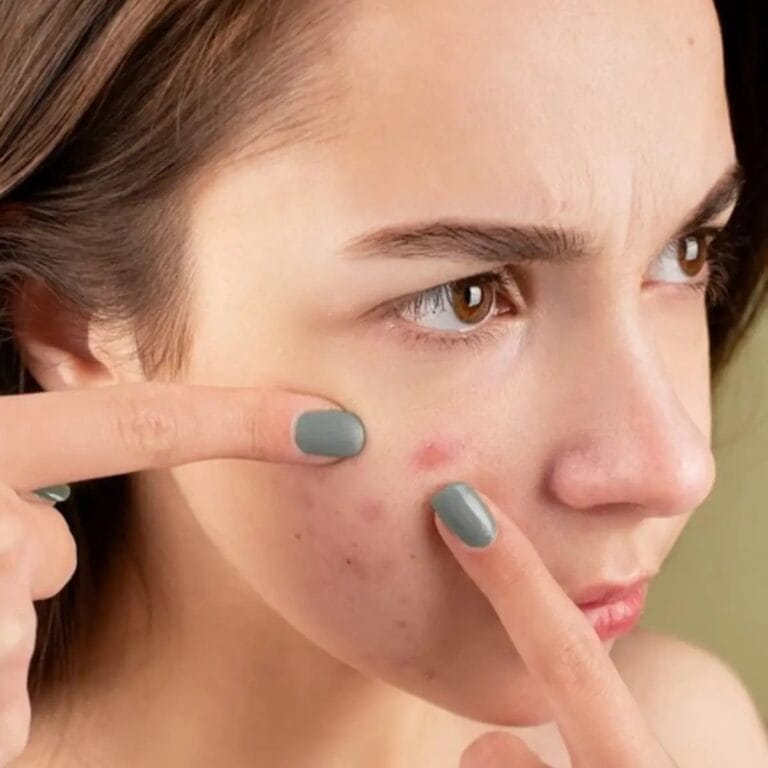
Itchy Rash Under Breast: 7 Proven Ways to Treat & Prevent
Home Remedies and Self-Care Tips for Itchy Rash Under Breast
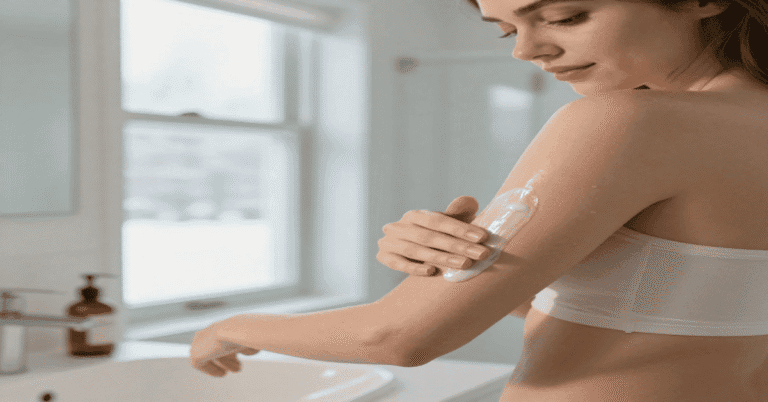
Most cases of an itchy rash under the breast can be effectively managed at home with simple remedies, proper hygiene, and careful self-care practices. The skin under the breasts is delicate and prone to moisture, friction, and heat, which can make rashes uncomfortable and persistent if left untreated. Implementing a consistent care routine not only reduces itching and irritation but also prevents infections and stops the rash from worsening over time.
 By combining natural remedies, hygiene practices, and smart lifestyle adjustments, many people experience significant relief without needing prescription medications. However, severe, persistent, or infected rashes should still be evaluated by a healthcare professional.

Clotrimazole 1% Antifungal Cream
Fast-acting treatment to relieve itching, burning, and redness caused by fungal skin infections under the breast.
1. Keep the Area Clean and Dry
Maintaining cleanliness is the foundation of managing an itchy rash under the breast. Moisture and sweat accumulation are major triggers for irritation, fungal growth, and bacterial infections, so keeping the area dry is essential.
Tips for keeping the under-breast area clean and dry:
- Gentle washing: Use mild, fragrance-free soap and lukewarm water to clean the folds beneath the breasts. Avoid harsh soaps that can strip natural oils and worsen irritation.
- Pat dry carefully: After washing, use a soft towel to gently pat the area dry. Rubbing can further irritate the rash and spread fungi or bacteria.
- Air circulation: When possible, allow the area to breathe by exposing it to cool air or using a fan. Keeping the folds dry discourages fungal and bacterial growth.
- Moisture-absorbing powders: Talc-free powders or medicated antifungal powders can help absorb sweat and reduce friction throughout the day.
Consistently following these steps can prevent mild rashes from escalating into severe infections, making it one of the most effective home-care strategies.
2. Use Cold Compress
A cold compress is a simple, natural way to soothe an itchy rash under the breast. The cool temperature helps reduce inflammation, redness, and the irritating burning sensation that often accompanies rashes.
How to use a cold compress:
- Take a clean cloth or small towel and soak it in cold water.
- After wringing out any extra water, apply it gently to the afflicted area for five to ten minutes.
- Repeat this process 2–3 times daily or whenever itching flares up.
Cold compresses provide immediate relief and calm the sensitive skin beneath the breasts, especially after exercise, exposure to heat, or long periods of sweating.
3. Apply Natural Remedies
Several natural remedies have antifungal, antibacterial, and soothing properties that make them effective for treating mild to moderate itchy rashes under the breast.
Recommended natural treatments:
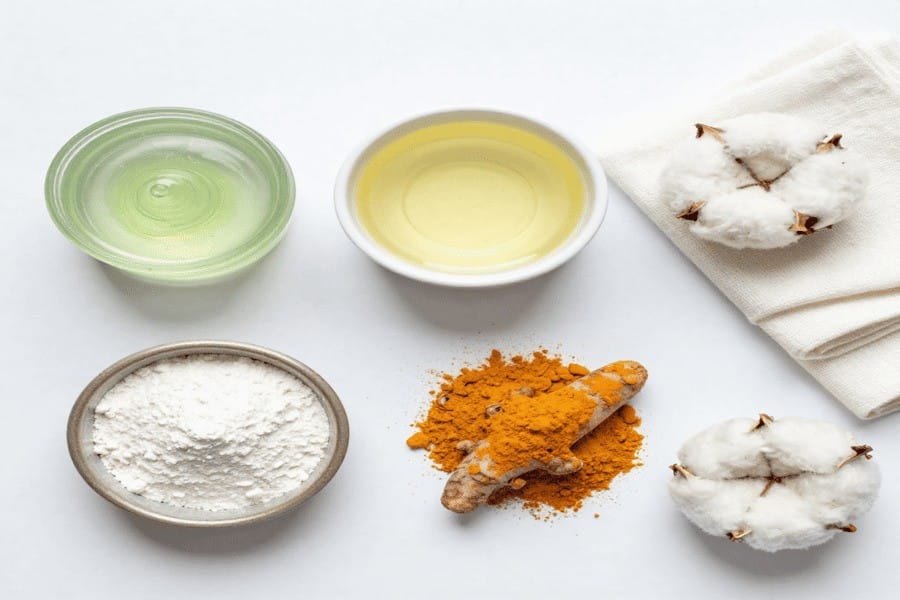
- Aloe Vera Gel: Known for its cooling and healing effects, aloe vera soothes irritation, reduces redness, and promotes skin recovery.
- Coconut Oil: Acts as a natural moisturizer and has mild antifungal properties, which help prevent fungal growth under the breast folds.
- Apple Cider Vinegar (diluted): A natural antiseptic that can fight bacteria and fungi. Always dilute it with water to avoid skin irritation.
- Turmeric Paste: Contains curcumin, a natural anti-inflammatory and antibacterial compound that can help reduce swelling and itching.
Tip: Always test any natural remedy on a small area first to check for allergic reactions. Applying these remedies consistently can relieve itching, soothe inflamed skin, and prevent further rash development.
4. Wear Breathable Clothing
Clothing plays a significant role in both preventing and managing an itchy rash under the breast. Non-breathable fabrics trap heat and sweat, increasing the risk of irritation and infection.
Clothing tips:
- Choose cotton bras: Cotton allows better airflow, absorbs sweat, and minimizes friction compared to synthetic fabrics.
- Avoid tight clothing: Tight bras or tops increase friction between skin folds and can worsen rashes.
- Change clothes promptly: After exercising or sweating, change into clean, dry clothing to reduce moisture exposure.
Wearing breathable, well-fitted clothing helps keep the under-breast area dry and comfortable, reducing the likelihood of recurring rashes.
5. Use Over-the-Counter Options
For moderate cases of an itchy rash under the breast, over-the-counter treatments can provide faster relief and prevent the rash from worsening.
Effective OTC treatments include:
- Antifungal creams or powders (e.g., clotrimazole, miconazole) for fungal infections.
Top Recommended Relief
Clotrimazole 1% Antifungal Cream
Fast-acting treatment to relieve itching, burning, and redness caused by fungal skin infections under the breast.
- Hydrocortisone cream to reduce inflammation, redness, and itching.
- Talc-free medicated powders to absorb moisture and reduce friction throughout the day.
These products should be applied as directed on the package. They work well when combined with proper hygiene, keeping the under-breast area clean and dry.
6. Maintain Proper Hygiene Daily
Daily hygiene is essential to prevent the recurrence of an itchy rash under the breast. Consistency is key in keeping the folds dry and free from microbial growth.
Daily hygiene practices:
- Shower daily, especially after exercising or exposure to heat.
- Gently pat dry the under-breast area after bathing; avoid rubbing harshly.
- Use mild, fragrance-free soaps and avoid perfumes or lotions that may irritate sensitive skin.
- Regularly wash bras and clothing to prevent the buildup of sweat, oils, and microbes.
Maintaining daily hygiene prevents mild rashes from becoming severe and supports faster recovery when a rash appears.
7. Additional Self-Care Tips
In addition to the above, consider these measures to further prevent or manage itchy rashes under the breast:
- Rotate bras: Avoid wearing the same bra multiple days in a row, as trapped sweat and oils can worsen rashes.
- Avoid scratching: Scratching can damage skin, spread infections, and delay healing.
- Weight management: Maintaining a healthy weight reduces skin folds and friction, lowering the risk of persistent rashes.
- Stay hydrated: Proper hydration improves overall skin health and resilience.
By implementing these home remedies and self-care tips, most mild to moderate cases of itchy rash under the breast can be effectively controlled.
If symptoms persist for more than a week, worsen, or show signs of infection such as pus, foul odor, or severe pain, it is essential to consult a healthcare professional for further evaluation and treatment.
Medical Treatments for Itchy Rash Under Breast
While most cases of an itchy rash under the breast can be managed effectively at home with proper hygiene and self-care, there are instances where medical treatment becomes necessary. Severe, persistent, infected, or recurring rashes require professional attention to prevent complications, relieve discomfort, and ensure proper healing.
Medical treatments are designed not only to reduce the itching and redness associated with under-breast rashes but also to address the root cause, whether it is fungal, bacterial, allergic, or related to other underlying conditions. Early intervention can prevent the rash from spreading to surrounding areas such as the chest, abdomen, or armpits and avoid chronic irritation.
Antifungal Medications
Fungal infections are among the most common causes of an itchy rash under the breast, often due to Candida albicans thriving in the warm, moist environment beneath the breasts. When home remedies are insufficient, doctors may recommend antifungal treatments to eliminate fungal growth effectively.
Common antifungal treatments include:
- Topical antifungal creams: Medications such as clotrimazole, ketoconazole, or miconazole are applied directly to the affected area. They help reduce redness, itching, and inflammation while eliminating the fungal infection.
- Oral antifungal tablets: In cases where the rash is widespread, recurrent, or resistant to topical treatments, oral antifungal medications may be prescribed. These are especially helpful for deeper infections or for individuals with compromised immunity.
Proper use of antifungal medications can provide relief within a few days and prevent the itchy rash under the breast from recurring.
Antibacterial Treatments
Sometimes, an itchy rash under the breast is caused or worsened by bacterial infections, particularly when friction has led to small cuts or abrasions. Bacteria such as Staphylococcus aureus or Streptococcus can invade these areas, causing pain, swelling, and pus formation.
Antibacterial treatments may include:
- Topical antibiotic creams: Examples include mupirocin or fusidic acid, which are applied directly to the affected skin to fight bacterial growth.
- Oral antibiotics: These are prescribed for more severe or spreading bacterial infections and are essential when the infection is not responding to topical treatment.
Prompt antibacterial treatment not only relieves symptoms but also prevents the rash under the breast from developing into a more serious infection.
Steroid Creams
For rashes caused by severe inflammation or allergic reactions, mild corticosteroid creams such as hydrocortisone may be prescribed. Steroid creams work by reducing inflammation, redness, and intense itching that does not respond to home remedies alone.
Uses of steroid creams for under-breast rashes:
- Relieve discomfort in severe rashes that cause swelling and irritation.
- Reduce redness and itching caused by allergic contact dermatitis.
- Support faster healing when combined with antifungal or antibacterial treatments if needed.
It is important to follow medical instructions carefully when using steroid creams, as overuse may thin the skin or cause other side effects.
Antihistamines
Allergic reactions can trigger an itchy rash under the breast, especially in response to fabrics, detergents, or personal care products. Antihistamines help reduce symptoms such as itching, swelling, and redness.
How antihistamines help:
- Oral antihistamines: Useful for systemic allergic reactions that affect multiple areas or cause significant discomfort.
- Topical antihistamines: Applied directly to the affected skin to relieve localized itching and irritation.
By controlling the body’s allergic response, antihistamines can significantly improve comfort and prevent scratching, which can worsen the rash.
Moisture-Absorbing Powders / Barrier Creams
Keeping the skin dry is essential for preventing the recurrence of an itchy rash under the breast. Moisture and friction are primary triggers for fungal and bacterial growth. Doctors often recommend the following:
- Zinc oxide creams: Form a protective barrier to reduce friction and soothe irritated skin.
- Medicated powders: Absorb sweat, keep the area dry, and minimize chafing.
These measures are particularly useful for people prone to excessive sweating, large breast folds, or recurring rashes. Combining barrier creams and powders with proper hygiene ensures long-term prevention and comfort.
When to See a Doctor
Although home care can manage mild rashes, professional medical evaluation is crucial if the itchy rash under the breast exhibits any of the following:
- Does not improve within 7 days of consistent home care.
- Severe pain, burning, or swelling in the affected area.
- Presence of pus, yellow crusts, or a foul odor.
- Fever, chills, or systemic symptoms alongside the rash.
- Recurrent rashes, especially in individuals with diabetes, obesity, or weakened immunity.
Seeking timely medical attention ensures the rash is properly diagnosed, treated, and prevented from causing long-term complications. With the right medical care, even severe or persistent itchy rashes under the breast can heal effectively and reduce the risk of recurrence.
Prevention Tips to Avoid Itchy Rash Under Breast
Prevention is always better than cure, and this is especially true for an itchy rash under the breast. By incorporating small but effective lifestyle and hygiene changes into your daily routine, you can significantly reduce the risk of developing rashes in this sensitive area. Consistent preventive care not only keeps the skin healthy and irritation-free but also minimizes discomfort, redness, and the likelihood of infections. Here’s a detailed guide to preventing an itchy rash under the breast:
1. Maintain Good Hygiene
Good hygiene is the most important preventive measure for an itchy rash under the breast. The under-breast area is prone to sweat accumulation and microbial growth, so keeping it clean is essential.
Effective hygiene practices include:
- Daily washing: Gently cleanse the folds under the breasts using mild, fragrance-free soap and lukewarm water. Avoid hot water, which can dry out the skin and exacerbate irritation.
- Careful drying: After bathing, pat the under-breast area dry with a soft towel. Avoid rubbing harshly, as this can damage the delicate skin and increase the risk of rashes.
- Use of powders: Talc-free or medicated antifungal powders help keep the skin dry and reduce friction. These powders can also prevent the growth of fungi and bacteria that trigger an itchy rash under the breast.
Maintaining a consistent hygiene routine is critical, especially in hot and humid climates, where sweat accumulation can easily lead to recurring rashes.
2. Wear the Right Clothing
The type of clothing and bras you wear plays a significant role in preventing an itchy rash under the breast. Tight, non-breathable fabrics can trap moisture and heat, creating an ideal environment for skin irritation and infections.
Tips for proper clothing:
- Choose breathable fabrics: Opt for cotton bras and tops that allow air circulation and absorb sweat effectively. Avoid synthetic materials like polyester that trap moisture.
- Properly fitted bras: Ensure that your bra fits comfortably and is not too tight, as excessive compression can cause friction and increase the risk of rashes.
- Seasonal adjustments: During hot weather, avoid padded bras or multiple layers that trap heat and sweat under the breasts. Lightweight clothing reduces moisture buildup and irritation.
Proper clothing reduces friction, keeps the under-breast area dry, and significantly lowers the likelihood of developing an itchy rash under the breast.
3. Stay Cool and Sweat-Free
Excessive sweating is one of the main triggers for an itchy rash under the breast. Taking measures to stay cool and manage sweat can prevent irritation and recurring rashes.
Effective strategies to stay sweat-free:
- Antiperspirants and powders: Use doctor-approved antiperspirant sprays or moisture-absorbing powders in the under-breast area to reduce sweating.
- Cotton pads and liners: Placing absorbent cotton pads or sweat-absorbing liners inside your bra can help wick away moisture and prevent friction.
- Ventilation: Stay in cool, well-ventilated areas during hot and humid weather. Using fans or air conditioning can help reduce heat accumulation under the breasts.
By controlling sweat and keeping the under-breast area dry, you can minimize irritation, redness, and the risk of fungal or bacterial infections that cause an itchy rash under the breast.
4. Maintain a Healthy Weight
Excess body weight contributes to deeper skin folds under the breasts, which trap sweat and increase friction, making itchy rashes under the breast more likely.
Weight management strategies include the following:
- Balanced diet: Consume a diet rich in vegetables, fruits, whole grains, and lean proteins to maintain a healthy weight.
- Regular exercise: Incorporate activities such as walking, swimming, or yoga to reduce excess fat and improve circulation.
- Monitor body weight: Keeping your weight within a healthy range reduces skin fold depth, which minimizes sweat accumulation and irritation.
Maintaining a healthy weight not only lowers the risk of under-breast rashes but also contributes to overall well-being and skin health.
5. Boost Skin Protection
Protecting the skin in the under-breast area is essential for preventing friction-related irritation and recurring itchy rashes under the breast.
Ways to protect the skin include:
- Barrier creams: Apply zinc oxide cream, petroleum jelly, or other protective ointments to reduce friction between skin folds.
- Moisturizers: Use non-greasy, fragrance-free moisturizers to keep the skin supple and prevent cracking.
- Avoid irritants: Avoid harsh detergents, strong perfumes, or lotions on bras and clothing, as these can trigger allergic reactions or contact dermatitis.
Barrier protection ensures the skin remains comfortable, dry, and irritation-free throughout the day, reducing the chance of developing an itchy rash under the breast.
6. Monitor Health Conditions
Certain medical conditions can increase susceptibility to an itchy rash under the breast, including diabetes, obesity, and weakened immunity. Being proactive in managing these conditions helps prevent severe irritation and infections.
Health monitoring tips:
- Diabetes management: Keep blood sugar levels under control, as high glucose can encourage fungal growth and slow healing.
- Regular check-ups: Routine medical visits help detect infections early, reducing the severity and duration of rashes.
- Immune system support: Maintain a healthy lifestyle with proper nutrition, sleep, and stress management to support overall immune function.
Monitoring and managing underlying health conditions significantly reduces the risk of recurrent or severe itchy rashes under the breast.
Summary
Preventing an itchy rash under the breast requires consistent care and attention. By maintaining good hygiene, choosing breathable clothing, staying cool, managing weight, protecting the skin, and monitoring health conditions, you can effectively reduce the risk of rashes. Implementing these preventive measures not only keeps the skin under your breasts healthy and dry but also ensures lasting comfort, freedom from irritation, and overall confidence.
Prevention is always better than treatment, and following these tips consistently can help you avoid the discomfort and complications associated with an itchy rash under the breast.
Conclusion
An itchy rash under the breast is a common issue, often caused by moisture, friction, fungal infections, or allergies. While it can be irritating, most cases can be treated effectively with home remedies, proper hygiene, and over-the-counter creams.
If the rash persists, worsens, or shows signs of infection, it’s important to consult a doctor for antifungal, antibacterial, or steroid-based treatments. By practicing good hygiene, wearing breathable clothing, and keeping the area dry, you can prevent future rashes and maintain healthy under-breast skin.
FAQ
Q1: How can I tell if my under-breast rash is fungal or just irritation?
Ans: A fungal rash (yeast infection) usually presents as bright red patches with small “satellite” red bumps at the edges and may have a distinct musty odor. Simple irritation (intertrigo) looks more like a shiny, red, or raw area where skin rubs against skin, without the extra bumps.
Q2: Is it safe to put deodorant under my breasts to stop a rash?
Ans: While some use it to stop sweat, many deodorants contain alcohol and fragrances that can worsen an active rash or cause contact dermatitis. It is much safer to use a dedicated anti-chafing gel like Monistat or a talc-free medicated powder to manage moisture.
Q3: Can a bra cause a rash under the breast?
Ans: Yes. Tight bras, synthetic fabrics (like polyester), and underwires can trap sweat and cause friction. For prevention, dermatologists recommend wearing breathable cotton bras and ensuring a proper fit to minimize skin-on-skin contact.
Q4: How long does it take for an under-breast rash to go away?
Ans: With proper treatment—keeping the area dry and using over-the-counter antifungal creams—most mild rashes clear up within 3 to 7 days. If the rash persists for more than a week or develops pus, see a doctor immediately.
Q5: Should I use baby powder for under-breast moisture?
Ans: Be careful. Traditional baby powder containing talc is often discouraged. Instead, look for cornstarch-based or medicated powders like Gold Bond that are talc-free, as they are safer and more effective at absorbing moisture without clumping.
Disclaimer:
This article’s product reviews, routines, and skincare advice are provided solely for informational purposes. Each person’s skin type—oily, dry, or sensitive—reacts differently to substances like vitamin C, retinol, and homemade masks. Before attempting any new product or solution, we highly advise conducting a patch test. Please see a licensed dermatologist if you have ongoing skin issues or before beginning clinical therapies. Individual outcomes might differ.
Related Reads: Skin Health & Expert Care
If you found this guide helpful, you may want to explore our other clinical guides on managing sensitive skin and common dermatological conditions:
Managing Rashes & Skin Irritation:
Itchy Rash on Neck: Causes, Symptoms, Treatment & Prevention Guide: A complete guide to soothing irritation on the neck area.
Effective Fungal Acne Treatment at Home (2025 Guide): Specialized tips if your rash is linked to fungal overgrowth.
Top 7 Natural Remedies for Itchy Skin Relief (2026): Science-backed natural ways to calm inflammation quickly.
Essential Skincare Routines for Sensitive Skin:
Best Barrier Repair Creams for Sensitive Skin 2026: Top-rated professional recommendations for restoring skin health.
Best Body Wash for Eczema Adults USA 2026: Gentle, dermatologist-approved cleansers for reactive skin.
The Skin-Gut Axis: 7 Proven Ways to Clear Acne (2026): How internal health directly impacts your skin’s resilience.
💬 Join the Conversation
Have you found a specific remedy that works for you, or do you have questions about managing skin irritation? Leave a comment below—your experience could be the exact help another reader is looking for!